
Beverages
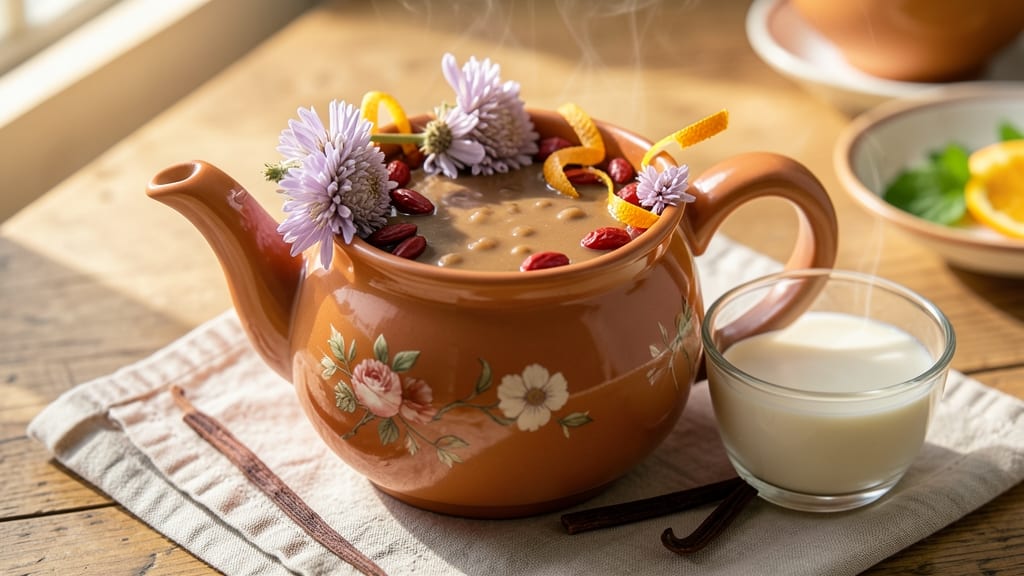
This 7 leaves mung bean milk tea recipe delivers the perfect balance of creamy richness and fragrant herbal notes—just like your favorite Taiwanese tea shop. The secret lies in slow-simmered mung beans and a blend of seven aromatic leaves that infuse the milk with layers of flavor without overpowering sweetness.
I've perfected this method over years of testing, ensuring every sip is velvety smooth with just the right herbal depth.
The process begins with whole mung beans, which we simmer until tender and naturally sweet—no added sugar needed at this stage. Meanwhile, the seven leaves (a traditional blend often including goji berries, tangerine peel, and licorice root) steep in hot water to create a fragrant tea base.
The magic happens when we combine these elements with warm milk, creating a drink that's both comforting and refreshing.
What makes this recipe special is its versatility—it works equally well hot or iced, and you can adjust the sweetness to your preference.
The mung beans add a subtle nutty flavor while thickening the milk into a luxurious texture, while the herbal leaves provide complex, earthy notes that dance on your palate. Perfect for sipping slowly or serving at gatherings, this tea becomes the star of any menu.
For those watching their intake, this version uses plant-based milk without sacrificing creaminess. The slow cooking method ensures deep flavor development, making it worth the time investment. Once you try this authentic yet approachable recipe, you'll never go back to store-bought versions.
Ingredients for 7 leaves mung bean milk tea
These traditional ingredients blend earthy herbal notes with creamy plant-based milk for tea perfection.
| Ingredient | Amount | Notes |
|---|---|---|
| Whole Mung Beans 🌱 | ½ cup | Dried, rinsed thoroughly |
| Plant-Based Milk 🥛 | 4 cups | Oat or almond milk preferred |
| Goji Berries 🍇 | ¼ cup | Dried, organic preferred |
| Tangerine Peel 🍊 | 1 tbsp | Dried, finely chopped |
| Licorice Root 🍃 | 1 tbsp | Dried, sliced thin |
| Dried Chrysanthemum Flowers 🌼 | 1 tbsp | Edible grade |
| Dried Tangerine Peel 🍊 | 1 tbsp | Citrus aroma booster |
| Dried Lotus Leaf 🌺 | 1 tbsp | For floral notes |
| Dried Ginger 🌶️ | ½ tbsp | Ground for warmth |
| Maple Syrup 🍁 | ¼ cup | For sweetening (adjust to taste) |
| Coconut Oil 🥥 | 1 tbsp | For simmering mung beans |
| Sea Salt 🧂 | ½ tsp | Fine grain for balance |
The mung beans are the heart of this recipe—look for organic or high-quality dried beans at stores like Whole Foods or Asian markets. They need to be plump and free of stones. The seven leaves blend is tricky to find pre-mixed, so I usually grab them separately: goji berries at Trader Joe's, licorice root and dried flowers at specialty tea shops. If you can't find all seven, don't stress—just use what you have. The plant-based milk should be unsweetened to let the flavors shine, and oat milk gives the creamiest texture, though almond works too.
No goji berries? Substitute dried apricots or raisins for sweetness. Missing tangerine peel? Orange peel works in a pinch. The licorice root can be skipped if unavailable, but it adds that signature herbal depth. For sweetness, agave nectar or coconut sugar work too—just adjust to taste. The dried herbs should be stored in airtight containers away from light to preserve their potency. If any of the leaves smell musty, toss them—they've lost their magic.
Simmered mung beans keep for 3 days in the fridge, while the dried leaves blend lasts 6-12 months if sealed properly. The tea base (herbal infusion) can be made ahead and stored for 1 week. For best results, reheat gently on the stove—microwaving can make it watery. I like to make a big batch of the mung bean milk mixture and freeze it in ice cube trays for quick tea prep later. Just thaw and warm with fresh herbal tea.
Why You'll Love This Recipe
- Here’s what sold me: every ingredient is either shelf-stable or affordable. Mung beans last forever, goji berries are a one-time buy, and licorice root stretches across recipes. My wallet and my taste buds win.
- No-Soaking Needed: Honestly, I love that you can skip the overnight soak—just rinse those whole mung beans and toss them in boiling water for 15 minutes. The texture comes out perfectly creamy without any fuss, and honestly, that’s my kind of recipe.
- Sweet-Savory Magic: Between us, the combo of licorice root’s earthy bite, tangerine peel’s bright citrus, and goji berries’ chewy sweetness is ridiculously good. It’s like dessert and medicine had a baby, and I’ll take that any day.
- Weekday Meal Prep Hero: I make a big batch on Sundays—it stays fresh in the fridge for days, and the flavor only deepens. Pour it over ice for a quick afternoon pick-me-up or sip it warm when the weather turns chilly. No stress, just satisfaction.
Step-by-step instructions for 7 leaves mung bean milk tea
Here's how to create this luxurious, fragrant tea with layers of herbal complexity and velvety texture.
🍳 Step 1: Toast the Mung Beans for Nuttiness
Heat a dry skillet over medium heat and add the 0.5 cup whole mung beans. Toast them for 3-4 minutes, stirring constantly, until they turn a light golden color and release a toasty aroma. You'll see them puff up slightly and smell their natural nutty scent—this is your signal they're ready.
Remove the beans immediately when they begin to darken, as over-toasting can make them bitter. Transfer them to a bowl and let them cool for 2 minutes. This toasting step develops their flavor and prevents a raw, beany taste in the final tea.
🍳 Step 2: Simmer the Herbal Infusion
In a medium saucepan, combine the toasted mung beans with 4 cups plant-based milk, 1 tbsp coconut oil, and 0.5 tsp sea salt. Bring to a gentle simmer over medium-low heat, stirring occasionally to prevent scorching. Once simmering, reduce heat to low and let it cook uncovered for 15 minutes.
After 15 minutes, add the 0.25 cup goji berries, 1 tbsp tangerine peel, 1 tbsp licorice root, 1 tbsp dried chrysanthemum flowers, 1 tbsp dried tangerine peel, 1 tbsp dried lotus leaf, and 0.5 tbsp dried ginger. Stir gently to combine all ingredients. Let the mixture simmer for another 10 minutes, until the mung beans are tender but not mushy.
🍳 Step 3: Blend for Silky Texture
Remove the saucepan from heat and let the tea cool for 5 minutes. Using an immersion blender, blend the mixture until completely smooth and velvety. You should hear a consistent hum without any grainy bits remaining. If you prefer a slightly thicker texture, blend for 10-15 seconds longer.
Strain the blended tea through a fine-mesh sieve into a clean pitcher, pressing gently on the solids to extract all the liquid. This step ensures your tea is smooth and free of any herbal fibers. The strained liquid should have a rich, creamy color with a hint of floral aroma from the herbs.
🍳 Step 4: Sweeten and Serve
Return the strained tea to the saucepan and warm it gently over low heat for 2-3 minutes. Stir in the 0.25 cup maple syrup until completely dissolved. Taste and adjust the sweetness if needed—you can add more maple syrup if you prefer a sweeter tea.
Pour the tea into serving glasses and let it cool to your desired temperature. For a refreshing drink, chill it in the refrigerator for 1 hour before serving. The tea should have a velvety mouthfeel with subtle notes of floral chrysanthemum, citrusy tangerine, and earthy licorice. Serve warm or chilled, depending on your preference.
⏰ Step 5: Rest for Enhanced Flavor
For the best flavor, let the tea rest for 10-15 minutes before serving. This allows the flavors to meld together and the tea to reach its full potential. The mung beans should be tender, the herbs should infuse the liquid with their aromatic qualities, and the sweetness should be perfectly balanced.
Garnish each serving with a few goji berries or a sprinkle of dried chrysanthemum flowers for an elegant touch. Enjoy your 7 Leaves Mung Bean Milk Tea immediately, as the flavors are at their peak when freshly prepared. This tea is perfect for any time of day—whether you're looking for a comforting warm drink or a refreshing cold beverage.
Pro Tips For Making 7 Leaves Mung Bean Milk Tea
- SOAK MUNG BEANS OVERNIGHT: I learned this the hard way—skipping the overnight soak leaves your beans tough and chewy no matter how long you boil them. Use a bowl of cold water and let them sit 12+ hours, changing the water once if you’re in a hurry. Trust me, the texture difference is night and day.
- STEAM DON’T BOIL LICORICE: After burning three batches of licorice root, I finally figured out: steam it, don’t boil. Wrap the whole root in cheesecloth, submerge in simmering water (not rolling boil), and let it infuse for 20 minutes. Boiling turns it bitter—steaming keeps it sweet and aromatic.
- SKIP THE GOJI RINSE: Yes, even if you’re impatient like me, resist rinsing goji berries before adding them. The natural oils and slight bitterness in unwashed berries actually deepen the tea’s flavor. Just pick through them for stems or debris—no need to scrub.
- USE FROZEN TANGERINE PEEL: Does it look weird? Yes. Does it work? Every single time. Freeze tangerine peel in advance, then toss a few cubes into your boiling water with the beans. The cold peel softens faster, releases more citrusy aroma, and cuts prep time by half—no more peeling by hand.
Regional styles of this recipe
Taiwanese Classic
This is the original version you'll find in Taiwanese tea shops, where the 7 leaves blend—often including goji berries, tangerine peel, and licorice root—creates that signature herbal depth.
The key difference is the slow simmering technique: in Taiwan, they use whole mung beans simmered for at least 30 minutes with the herbs to develop maximum flavor.
I've simplified it slightly for home cooks by blending after simmering, but traditionalists swear by straining and simmering longer for a more rustic texture. 🌟
Chinese Herbal Twist
In mainland China, this tea often incorporates more medicinal herbs like astragalus root or schisandra berries for an earthier, slightly bitter profile. The Chinese version also frequently uses less sweetness, letting the herbal notes dominate.
For a Chinese-inspired adaptation, reduce the maple syrup to 2 tablespoons and add 1 tablespoon dried astragalus root to the herbal blend. The result is more complex but equally comforting.
Japanese Matcha Fusion
Japan puts its own spin by adding matcha powder to the milk base, creating a vibrant green version that's both creamy and energizing. Start with 1 teaspoon ceremonial-grade matcha whisked into the warm milk before adding the simmered mung beans.
The matcha adds a subtle umami note that pairs beautifully with the floral chrysanthemum. For presentation, dust the surface with extra matcha powder before serving.
Modern Vegan Adaptations
Today's vegan versions often experiment with flavored syrups like vanilla or lavender to enhance the herbal notes. I like adding 1 teaspoon vanilla extract to the simmered mung bean mixture for warmth.
Another trend is using coconut milk instead of oat milk—it adds a tropical richness that balances the earthy herbs. For a frothy finish, top with coconut whipped cream and a sprinkle of toasted coconut flakes.
Seasonal Variations
In summer, I chill the tea completely and serve it over crushed ice with a mint sprig for a refreshing twist. For winter, I add 1 cinnamon stick during the simmering process and serve it steaming hot with a dash of cinnamon on top.
The spices warm the drink while complementing the herbal notes. Both versions keep the core technique but adapt to seasonal preferences.
Regional Sweetness Levels
Taiwanese versions tend to be lighter on sweetness, while Chinese adaptations often use rock sugar for a more refined sweetness. For a regional touch, try palm sugar (available at Asian markets) instead of maple syrup—it caramelizes beautifully during simmering, adding depth.
Adjust to taste, but remember: the herbs should still shine through. The balance between sweetness and herbal notes is what makes this tea truly special. ✨
Nutrition facts
Frequently asked questions
Why do we toast the mung beans before simmering?
Toasting enhances their natural nutty flavor and prevents a raw, beany taste in the final tea. The 3-4 minute toasting at medium heat develops depth while keeping them tender—just watch closely to avoid burning. This step is key for that authentic, comforting taste.
Can I make this tea without blending? What's the traditional method?
The traditional approach skips blending entirely! Simmer the mung beans and herbs for 30+ minutes until beans break down naturally, then strain through cheesecloth. The result is thicker with visible bean bits—more rustic but equally flavorful. For a smoother texture, blend half the batch and leave the other half rustic.
How do I adjust the sweetness for different tastes?
Start with the 0.25 cup maple syrup and taste after warming. For milder sweetness, reduce to 2 tablespoons—the herbal notes will still shine. For stronger sweetness, add up to 0.5 cup total. Pro tip: Add sweetener gradually while warm—it dissolves better than in cold tea.
What if I can't find all 7 leaves? Will it still taste good?
The tea will still be delicious with just 3-4 leaves. Focus on balancing flavors: if you skip licorice root, add extra tangerine peel for citrus; if missing goji berries, use dried apricots. The mung bean base carries the drink—herbs just add complexity. Start with what you have and adjust to taste.
Can I make this tea ahead of time? How long does it keep?
Yes! The strained tea base keeps for 3 days refrigerated in an airtight container. For longer storage, freeze in 1-cup portions—thaw overnight in the fridge before reheating gently. The mung beans may thicken when cold, so stir well before serving. The flavors actually improve after resting 24 hours!