
What changed, and what it changed for you
When this site began, it was a notebook of recipes I’d scribbled down over years—some tested, some not, all written in a hurry. The instructions were shorthand, the photos were borrowed, and the tone assumed you already knew what to do in a kitchen.
If a recipe failed, it was your fault for not reading it carefully enough.
Now, every recipe is built to survive mistakes. The steps are broken into clear parts, the photos show the real work (not just the perfect plate), and the notes explain why a step matters.
The goal isn’t to make you a better cook—it’s to make sure the recipe works, even if you burn the garlic or forget the salt.
| It used to be | Now it is |
|---|---|
| Recipes copied from other sites without a second look | Every recipe tested twice, with fixes for common errors |
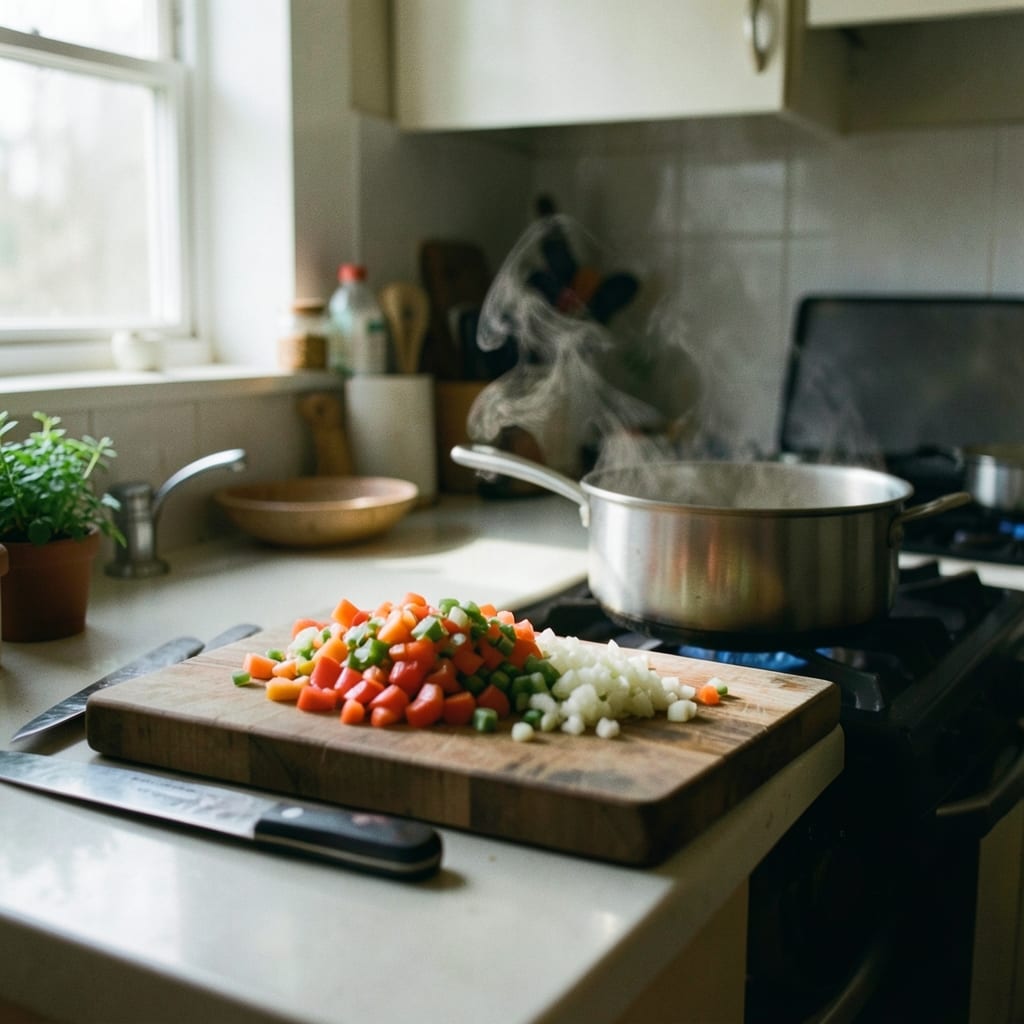
| Photos of food that looked nothing like the real thing | Photos of the actual pan, the actual simmer, the actual hands |
| Instructions that skipped the ‘why’ behind a step | Steps with explanations for what happens if you skip or mess up |
| A tone that treated mistakes as failures | A tone that treats mistakes as part of the process |
The one that took years
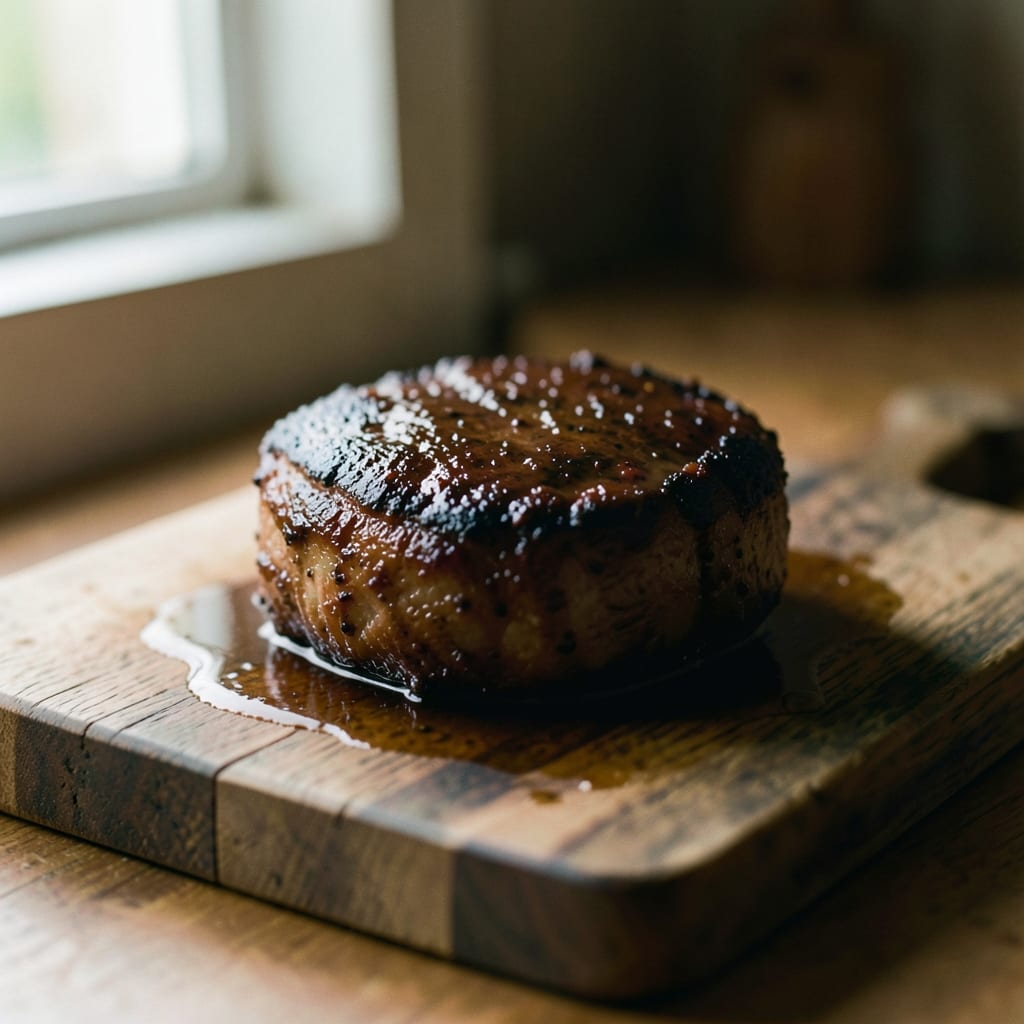
The first thing that needed fixing was the photos. For years, I used stock images because I didn’t know how to take good ones myself. The problem wasn’t just that they looked fake—it was that they lied.
A stock photo of a simmering pot makes it look effortless; a real photo shows the steam, the splatter, the way the beans actually cling to the side of the pan. But switching to real photos meant learning lighting, angles, and patience.
A single shot of a perfect dish takes ten tries.
The real cost wasn’t time—it was pride. I’d spent years believing that if I couldn’t make a recipe look ‘right’ in a photo, I wasn’t a real cook. That’s why it took until I burned my third batch of photos to finally admit I needed help.
Now, every photo is taken in the same kitchen light, with the same pan, and always includes a shot of the *real* mess before it became a dish.
The fix cost $800 in gear, 50 ruined shots, and a year of hesitation. But it also meant recipes stopped looking like ads and started looking like something you could actually make. The change wasn’t about aesthetics—it was about trust.
Meet the author

I used to think cooking was about following rules. If a recipe said ‘simmer for 45 minutes,’ I’d set a timer and stir exactly once. If the beans turned mushy, I’d blame the pot.
The first time I made my grandmother’s tomato sauce and it split like oil in water, I threw it out and swore I’d never try again. That was the rule: if it didn’t work the first time, it wasn’t worth doing.
I also believed that if a recipe didn’t come out perfect, it was because the cook didn’t care enough. So I’d test a dish three times, take notes, and still publish it without admitting that the second attempt was better than the first. The worst mistake?
Writing a recipe for a dish I’d never actually served to anyone but myself.
What changed is that I stopped pretending I knew everything.
Now, I write here because I’ve learned that the best recipes aren’t the ones that work every time—they’re the ones that work *despite* you.
Every dish on this site has been made at least twice, often by someone who isn’t me. Marcus Lockhart tests them in his kitchen, but the real work happens when a reader emails to say it finally turned out right after their third try.
That’s the only kind of success that matters.
What did not change
The core belief hasn’t shifted: the best meals are the ones that feel like they were made just for you, even if they’re simple. That’s why this site still focuses on dishes you can make with what’s in your pantry, not just the ones that require a shopping list.
The other thing that stayed the same is the voice—it’s still me, still imperfect, still willing to admit when a recipe needs more salt.
What hasn’t changed is that every recipe here is something I’d actually eat. No gimmicks, no ‘viral’ dishes, no trends. If it’s not a meal I’d serve to my family (or at least my friends who don’t judge my cooking), it doesn’t belong here.
What is still being fixed
Right now, the biggest project is making sure every recipe works in a small kitchen with limited tools. That means testing dishes in pots that aren’t nonstick, on stoves that don’t heat evenly, and with ingredients that might be expired.
The goal isn’t to make cooking easier—it’s to make it possible, even when life gets in the way.
If you’ve got a recipe here that didn’t work, or a dish you’d love to see tested, the contact page is where to tell me about it.
Things that would help
- A recipe that failed for you—and what went wrong (burnt, too salty, fell apart?)
- A dish you’ve made a hundred times but still mess up (like a perfect hard-boiled egg or a sauce that splits)
- An ingredient you always struggle with (fresh herbs, chili heat, balancing acidity)
The recipes are grouped by category: Appetizers, Beverages, Breakfast & Brunch, Desserts, Main Courses and Salads.