
Side Dishes
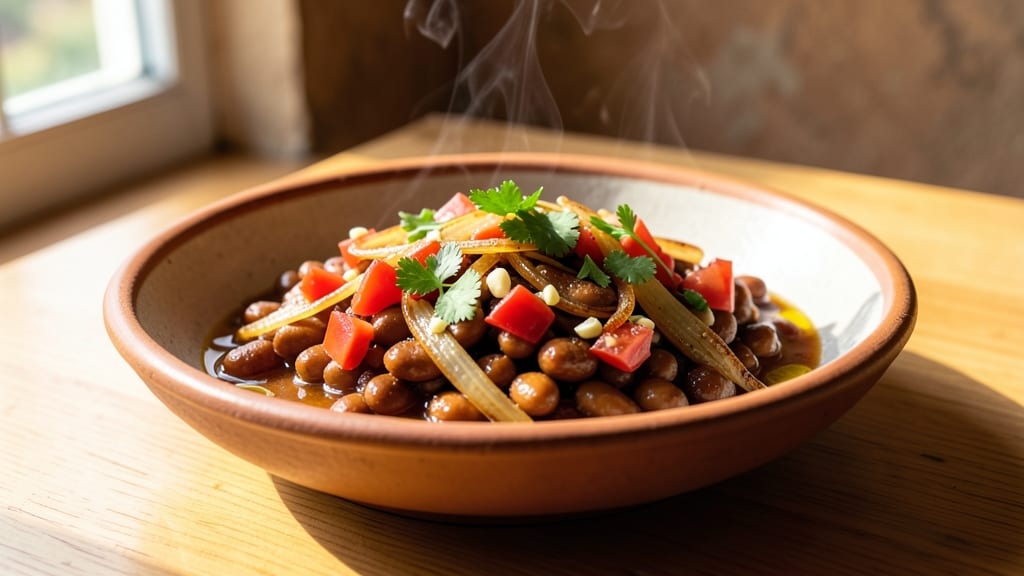
This African mung bean recipe transforms humble beans into a flavor-packed, protein-rich one-pot dish that captures the heart of West African cuisine. 🌍 The secret lies in slow-cooked tomatoes, aromatic spices like thyme and curry, and a touch of heat from peppers—all simmered until the beans are tender and the sauce thickens into a velvety, savory blanket.
What makes this recipe special is its simplicity: just one pot, minimal prep, and a dish that feeds a crowd while keeping flavors bold and authentic.
The magic happens in the spice blend—berbere or curry powder adds depth, while garlic and ginger create warmth that lingers long after the first bite. Unlike other bean dishes, this recipe doesn’t require soaking, making it perfect for weeknight dinners or meal prep.
The beans absorb the rich, tomato-based sauce, turning them into a hearty, satisfying centerpiece that pairs beautifully with rice, fufu, or crusty bread.
What you’ll end up with is a one-pot wonder—tender mung beans swimming in a fragrant, slightly spicy sauce that’s packed with umami from onions, peppers, and slow-cooked tomatoes.
The aroma alone will have everyone gathering around the table, and the texture is just right: beans that hold their shape while soaking up every layer of flavor. This is comfort food at its finest, with a cultural twist that brings a taste of Africa to your kitchen.
Serve it alongside steamed greens or plantains for a complete meal, or use it as a filling for wraps or sandwiches. The leftovers reheat beautifully, making this recipe not just delicious but practical for busy lives. Let’s get cooking—your taste buds will thank you.
Ingredients for african mung bean
Sixteen ingredients for a one-pot wonder that feeds a crowd with bold West African flavors.
| Ingredient | Amount | Notes |
|---|---|---|
| Mung Beans 🌱 | 1 ½ cups | Unsoaked, dry beans preferred |
| Onions 🧅 | 1 whole | Yellow or red, diced |
| Garlic Cloves 🧄 | 6 cloves | Minced, fresh preferred |
| Fresh Ginger 🌿 | 2 tbsp | Grated, fresh is best |
| Tomato Paste 🍅 | ½ cup | No salt added preferred |
| Diced Tomatoes 🍅 | 1 can (14.5 oz) | San Marzano if available |
| Berbere Spice Blend 🌶️ | 1 ½ tbsp | Or 1 tbsp curry powder |
| Dried Thyme 🌿 | 1 tsp | Or 1 tbsp fresh thyme |
| Red Bell Pepper 🌶️ | 1 whole | Diced, any color works |
| Vegetable Broth 💧 | 2 cups | Low-sodium preferred |
| Olive Oil 🫒 | ¼ cup | Extra-virgin for richness |
| Salt 🧂 | 1 tsp | Kosher or sea salt |
| Black Pepper 🌶️ | ½ tsp | Freshly ground preferred |
| Lemon Juice 🍋 | 1 tbsp | Freshly squeezed |
The mung beans are the star here, so don't skimp on quality. Bob's Red Mill or Trader Joe's have great dry beans—look for vibrant color and no off smells. Berbere spice is key for that authentic kick, but curry powder in a pinch works too. Fresh ginger and garlic? Walmart or Costco usually have good prices, but if you're buying organic, Whole Foods is worth it. The tomato paste can be the squeeze tube kind from Trader Joe's—it's perfect for this recipe and keeps forever. For the bell pepper, any color works, but red adds that classic West African touch.
No berbere? Mix 1 tsp paprika, 0.5 tsp cumin, 0.25 tsp cayenne for a quick swap. Fresh thyme out of season? Dried works at half the amount. The vegetable broth is non-negotiable—no chicken or beef stock. If you're short on time, canned diced tomatoes with basil are fine, but San Marzano is ideal. The olive oil matters here—use something fruity and peppery, not the cheap stuff. For the lemon juice, fresh is best, but bottled works if you're in a bind. The onions and bell pepper can be swapped for extra tomatoes if you're feeling adventurous.
This dish tastes even better the next day as the flavors meld. Keeps in the fridge for 4-5 days or freeze for 3 months. I like to make a big batch and portion it into containers—perfect for meal prep. The beans soften as they sit, so if you're serving it right away, check for doneness at the 45-minute mark. Leftovers reheat beautifully—just add a splash of water or broth to loosen the sauce.
Why You'll Love This Recipe
- Pantry Staples Only: I swear by this recipe because it uses what I always have—mung beans, onions, and a jar of tomato paste. No fancy ingredients, no last-minute grocery runs. Just chop, sauté, and simmer while I handle whatever chaos the day throws at me.
- Ginger-Garlic Magic: That fresh ginger and garlic combo? It’s the secret weapon. The way they bloom in the oil—crisp at first, then softening into the beans—gives this dish a warmth that lingers. Honestly, I’ll make it just to enjoy that aroma alone.
- Lunchbox Hero: Between us, this is my go-to for meal prep. The beans hold up for days, and I can pack it cold or reheat it without drying out. My kids actually eat their veggies this way (yes, even the picky ones), and it’s the only thing that survives my toddler’s lunchbox disaster zone.
- Budget-Busting Protein: A pound of mung beans feeds my family for days, and the cost? Ridiculously low. I stretch this into soups, stews, or even a side dish—no waste, just flavor. It’s my secret for stretching groceries without sacrificing taste.
Step-by-step instructions for spiced West African mung beans
Here's how to make this hearty, flavor-packed dish in one pot—no fancy skills needed.
🍳 Step 1: Sauté Aromatics Until Fragrant
Heat the 0.25 cup olive oil in a large pot over medium heat. Add the diced onions and cook for 3-4 minutes until they soften and become translucent. This is your flavor foundation—don't rush it.
Add the minced garlic cloves and grated fresh ginger, stirring constantly for 30 seconds until you smell that aromatic punch. Here's the thing—ginger burns fast, so keep the heat at medium. You want the garlic to turn golden, not brown.
🍳 Step 2: Build the Spiced Base
Stir in the tomato paste and cook for 2 minutes until it darkens slightly. This step deepens the flavor—think of it as creating a rich, concentrated sauce. Add the diced red bell pepper and cook for another 2 minutes until it softens.
Now for the magic: sprinkle in the berbere spice blend and dried thyme. Stir everything together and cook for 1 minute to toast the spices—this releases their essential oils and makes the whole dish sing. You'll notice the spices darken slightly and fill the kitchen with an amazing aroma.
🥘 Step 3: Add Beans and Liquid
Pour in the 1.5 cups mung beans and the 1 can (14.5 oz) diced tomatoes (with juices), stirring to coat everything in the spiced mixture. Add the 2 cups vegetable broth, 1 tsp salt, and 0.5 tsp black pepper. Bring to a boil, then immediately reduce heat to low-medium.
Here's where it gets important: cover the pot and simmer for 45-50 minutes, stirring occasionally. You want the beans to soften but still have a slight bite. If the liquid reduces too much before the beans are tender, add a splash of water—just enough to keep it at a gentle simmer.
⏰ Step 4: Finish with Brightness and Rest
After simmering, stir in the 1 tbsp lemon juice and cook uncovered for another 5 minutes to let the flavors meld. The lemon juice brightens everything up—it's the final touch that makes this dish pop. Taste and adjust seasoning if needed, adding more salt or berbere if desired.
Remove from heat and let the beans rest for 5 minutes before serving. This resting time lets the flavors settle and the beans absorb all that delicious liquid. Serve warm with rice or crusty bread—it's the perfect one-pot meal that's packed with protein and flavor.
Pro Tips For Making African Mung Bean
- SOAK BEANS OVERNIGHT: I learned this the hard way—rushing the soak leads to tough, chalky beans. Cover them in water by 2 inches, add a pinch of baking soda (trust me), and let them sit 12+ hours. The longer they soak, the creamier your final dish will be, and no one wants mushy beans fighting for texture.
- FRY ONIONS LOW AND SLOW: Crank the heat to medium-low and give those onions 8-10 minutes to caramelize properly. High heat burns them before they soften, and you’ll end up with bitter, raw patches. Stir often, but don’t rush—golden onions are the flavor base here.
- GRATE GINGER FINE: Skip the rough chop and use a microplane or fine grater for the ginger. You want it almost paste-like, so it dissolves into the sauce instead of sitting as chunks. I was skeptical until I tried it—now it’s non-negotiable for that deep, aromatic kick.
- SAVE THE WATER: After cooking the beans, don’t drain all the liquid—reserve at least 1 cup. Thin the tomato paste mixture with this instead of water, and you’ll get a richer, more cohesive sauce. The starch in the bean water makes a real difference in texture.
Common mistakes when making perfect results
Skipping the Soak
One of the biggest mistakes is soaking the mung beans before cooking. Unlike other beans, mung beans cook quickly and don’t require soaking. Skipping this step saves time and prevents a mushy texture.
If you soak them, you’ll end up with overly soft beans that fall apart. Just rinse them well before adding to the pot—this removes debris and ensures they absorb the flavors properly. 🌱
Ignoring Spice Toasting
Rushing the spice toasting step is a common error that dulls the flavors. Berbere and thyme need that 1-minute toast to release their essential oils. If you skip this, your dish will taste flat.
Keep the heat at medium and stir constantly—burnt spices ruin the whole dish. The aroma should fill your kitchen; if it doesn’t, you’re not toasting long enough.
Overcrowding the Pot
Using a pot that’s too small leads to uneven cooking and a watery sauce. The beans need room to soften properly, not steam in their own juices. A large, heavy-bottomed pot (like a Dutch oven) is ideal—it distributes heat evenly and prevents sticking.
If your pot is crowded, the beans will absorb less flavor and may stay crunchy.
Underestimating Simmer Time
Pulling the beans too soon is the fastest way to ruin this dish. Mung beans need 45-50 minutes of gentle simmering to reach perfect tenderness. If you check at 30 minutes and they’re still firm, resist the urge to crank up the heat—it’ll toughen them instead.
A gentle simmer is key; if the liquid reduces too much, add ¼ cup broth to keep it moist.
Forgetting the Rest
Skipping the 5-minute rest after cooking means serving beans that release their juices all over your plate. This step lets the flavors meld and the beans absorb the sauce. Serve directly from the pot, and the sauce will cling beautifully to the rice or bread.
Trust me, this small pause makes a huge difference in texture and taste. ✨
Using Low-Quality Broth
Vegetable broth isn’t just a liquid—it’s the flavor backbone of this dish. Using low-sodium broth is a must, but avoid anything with artificial flavors or aftertaste. I recommend Imagine or Pacific Foods brands—they’re affordable and packed with umami.
If you’re short on time, canned diced tomatoes with basil work in a pinch, but fresh broth elevates everything.
Nutrition facts
Frequently asked questions
Do I need to soak mung beans before cooking?
No soaking is required—and actually discouraged! Mung beans cook quickly without soaking, which prevents them from becoming mushy. Just rinse them well before adding to the pot to remove any debris. This recipe's 45-minute simmer is perfect for achieving tender but firm beans without pre-soaking.
Can I substitute berbere spice?
If you can't find berbere, mix 1 tsp paprika + 0.5 tsp cumin + 0.25 tsp cayenne for a similar heat profile. For a milder version, use 1 tbsp curry powder + 0.5 tsp smoked paprika. The key is balancing warmth and earthiness—both substitutions will work beautifully in this West African dish.
How long will this recipe keep in the fridge?
This flavorful bean dish stays fresh for 4-5 days when stored in an airtight container. The flavors actually improve overnight as the beans absorb more sauce. For longer storage, freeze portions for up to 3 months. Reheat gently with a splash of water or broth to restore the sauce consistency.
What's the best way to serve these spiced mung beans?
This hearty dish pairs perfectly with steamed jasmine rice, fufu, or crusty whole-grain bread to soak up the rich sauce. For a complete meal, serve with steamed greens or fried plantains. The beans also make excellent filling for wraps or sandwiches—just let them cool slightly before assembling.
Can I make this recipe in an Instant Pot?
Yes! Use the sauté function for the aromatics, then cook on high pressure for 15 minutes followed by a natural release. Add 1 extra cup of broth to account for pressure cooking. The beans will be perfectly tender, and the sauce will thicken beautifully during the release time. Just adjust seasoning after cooking since pressure cooking can intensify flavors.