
Side Dishes
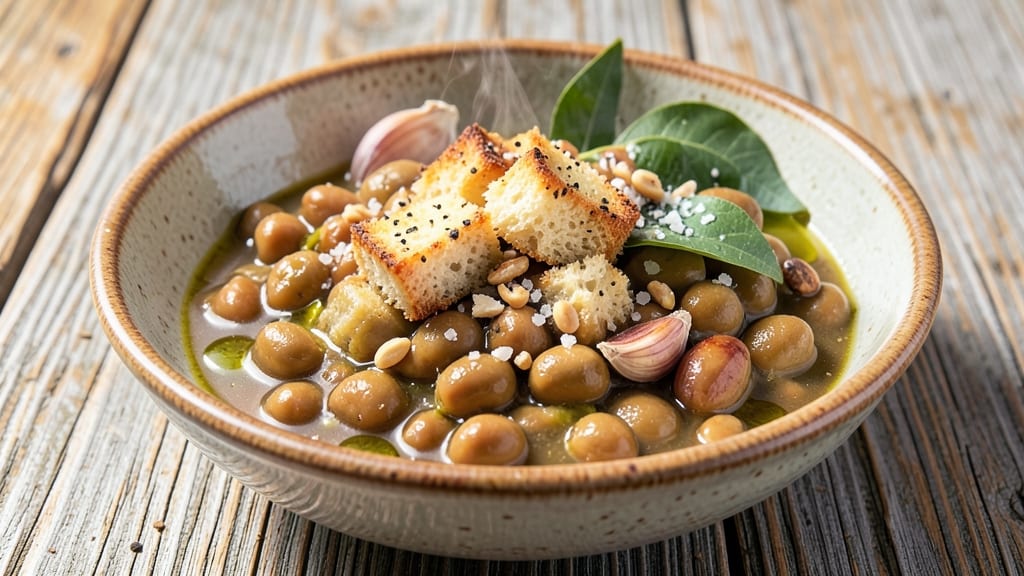
This Azorean fava bean recipe brings the hearty flavors of Portugal’s Azores straight to your table, where crispy golden toppings meet tender, earthy beans in a rich, buttery stew.
The dish, known locally as feijão-fradinho, transforms simple ingredients into a comforting masterpiece that pairs perfectly with rice or crusty bread.
What sets this recipe apart is the traditional technique of mashing the beans slightly for texture and topping them with a crispy layer of toasted breadcrumbs and pork fat—a nod to Azorean culinary tradition.
The secret to achieving that signature crispy topping lies in the slow simmering of the beans until they’re just tender, then pressing them into a pan to create a smooth base.
This method ensures every bite delivers both the creamy, buttery essence of the stew and the satisfying crunch of the topping.
The dish is naturally rich, thanks to the beans’ natural starch and the addition of butter or olive oil, but it remains balanced with a touch of garlic and bay leaf for depth.
What you’ll end up with is a dish that’s as much about texture as it is about flavor—crispy edges contrasting with the soft, velvety beans beneath. This recipe is perfect for a cozy family dinner or a special occasion, where the earthy, buttery notes of the stew shine.
The Azores’ influence is undeniable, but the simplicity of the ingredients makes it accessible for any home cook.
Serve this Azorean fava bean stew alongside steamed rice or a simple green salad to complete the meal. The crispy topping adds a satisfying element that keeps everyone reaching for seconds. Let’s get started on creating this authentic, comforting dish that tastes like a taste of the Azores.
Ingredients for azorean fava bean
Buttery fava beans with crispy bread topping—simple ingredients for a dish that tastes like Azores tradition.
| Ingredient | Amount | Notes |
|---|---|---|
| Dried Fava Beans 🌱 | 1 ½ cups | Soaked overnight, rinsed |
| Unsalted Butter 🧈 | ½ cup | Full-fat for richness |
| Garlic Cloves 🧄 | 4 cloves | Minced for depth |
| Bay Leaves 🌿 | 2 whole | Fresh preferred |
| Stale Bread 🍞 | 1 ½ cups | Crumbled, crusts removed |
| Olive Oil 🫒 | ¼ cup | For crispy topping |
| Vegetable Broth 💧 | 2 cups | Low-sodium preferred |
| Salt 🧂 | 1 ½ tsp | Kosher or sea salt |
| Black Pepper 🌶️ | ½ tsp | Freshly ground |
| Fresh Parsley 🌿 | ¼ cup | Chopped for garnish |
| Lemon Juice 🍋 | 1 tbsp | Freshly squeezed |
| Vegetable Oil 🫒 | 1 tbsp | For frying topping |
The fava beans are the heart of this dish, soaking them overnight is non-negotiable—they need time to soften properly. Trader Joe's sells dried fava beans, but any bulk bin at a specialty store will work. Look for plump, firm beans without cracks or discoloration. The butter is where the richness comes in—European-style unsalted butter like Plugrá adds a deeper flavor. For the breadcrumbs, stale bread is ideal, but if you don't have any, toast a few slices of your favorite bread, then pulse in a food processor. The key is getting that crispy topping just right—it should be golden and crunchy, not soggy.
No vegetable broth? Water with a bouillon cube works in a pinch, but the depth of flavor suffers. Fresh bay leaves are best, but dried at half the amount gets you close. The olive oil for the topping can be swapped for avocado oil if you prefer a milder taste. If you're short on parsley, cilantro or basil add a nice contrast. The lemon juice brightens everything up—don't skip it, even if it's just a splash. For extra authenticity, add a pinch of smoked paprika to the breadcrumbs before toasting.
This dish reheats beautifully—just add a splash of water or broth to keep it moist. Store leftovers in an airtight container for up to 4 days in the fridge. The crispy topping loses its crunch when reheated, so it's best served fresh. Freeze portions of the stew without the topping for up to 3 months. When reheating, add a pat of butter to restore richness. The breadcrumbs can be prepped ahead and stored in the freezer for up to 1 month—just toast them straight from frozen for that perfect crunch.
Why You'll Love This Recipe
- Pantry to Plate: I swear by this recipe when I forget to meal prep—just soak the dried fava beans overnight (or even 6 hours in a pinch), then simmer them with butter, garlic, and bay leaves. No fresh herbs needed, no fancy prep—just pure, satisfying flavor.
- Butter-Garlic Magic: That moment when the garlic starts sizzling in butter and the fava beans melt into creamy perfection? It’s like a hug in a bowl. The bread topping adds a crispy contrast that makes every bite irresistible.
- Leftovers Loved: Between us, this dish only gets better the next day. The flavors meld even more, and I often reheat it with a splash of water to loosen it up—perfect for lunch or a quick dinner when I’m too tired to cook.
- Budget-Friendly Staples: Dried fava beans and stale bread? That’s my secret weapon for turning cheap ingredients into something hearty and delicious. Honestly, it’s the kind of dish that makes me feel like I’m feeding a crowd without breaking the bank.
Step-by-step instructions for Azorean fava beans
Transform simple ingredients into a rich, earthy stew with a golden crisp topping—this method delivers authentic Azorean flavor.
Cook the Fava Beans Until Tender
Drain the soaked fava beans and place them in a large pot with the 2 cups vegetable broth. Bring to a boil over medium-high heat, then reduce to a gentle simmer. Add the 2 whole bay leaves and 1.5 teaspoons salt. Cook for 1.5 to 2 hours until the beans are fork-tender—they should mash slightly when pressed but still hold their shape. Stir occasionally to prevent sticking, adding more broth if needed to keep the beans submerged.
Here's the thing—fava beans need time to develop their signature creamy texture. If they're still firm after 2 hours, add another ½ cup broth and continue cooking. The beans should be soft enough to break apart easily with a spoon but not mushy. This foundational step ensures the stew has that signature Azorean body.
Build the Rich, Buttery Base
In a separate skillet, melt the ½ cup unsalted butter over medium heat. Add the 4 cloves minced garlic and cook for 1-2 minutes until fragrant but not browned. Immediately pour this garlic butter into the cooked fava beans, stirring gently to combine. The butter will create a luxurious, velvety coating that defines this dish.
Add the ½ teaspoon black pepper and taste the mixture. Adjust seasoning if needed—this is your flavor checkpoint. The stew should be rich but not overly salty. If it tastes flat, add a pinch more salt or a squeeze of 1 tablespoon lemon juice to brighten the flavors. Real talk: the butter is non-negotiable here; it's what makes this Azorean version stand out.
Prepare the Crispy Bread Topping
In a small bowl, mix the 1.5 cups crumbled stale bread with the ¼ cup olive oil until evenly moistened but not soggy. Heat 1 tablespoon vegetable oil in a separate skillet over medium heat. Working in batches, press the bread mixture into the skillet and fry for 3-4 minutes per side until golden brown and crispy. Transfer to a paper towel-lined plate to drain excess oil.
This crispy topping is what transforms a simple stew into something special. Don't rush the frying—you're looking for deep golden color and a satisfying crunch. If the bread releases easily from the pan, it's ready. Keep the fried topping warm while you finish the stew. The contrast between the creamy beans and crispy bread is the dish's signature moment.
Finish and Serve with Fresh Herbs
Return the fava bean mixture to a gentle simmer and cook for an additional 5 minutes to let the flavors meld. Remove the bay leaves, then stir in the ¼ cup chopped fresh parsley and another squeeze of 1 tablespoon lemon juice for brightness. The parsley adds freshness that cuts through the richness of the butter.
To serve, spoon the fava beans into bowls, top with the crispy bread mixture, and garnish with extra parsley if desired. The contrast between the warm, creamy stew and the crispy topping is what makes this dish so satisfying. Serve immediately while the bread is still crunchy—this isn't a dish that waits.
Pro Tips For Making Azorean Fava Bean
- SOAK BEANS 12 HOURS MINIMUM: Dried favas need patience—skip the overnight shortcut. I learned this after my first batch turned to mush; 12 hours in cool water (changed once) guarantees they soften evenly without splitting. No one wants a slurry instead of creamy beans.
- CRUSH BREAD INTO CRUMBS: Tear stale bread into chunks first, then pulse in a food processor until it’s fine but not powder. Too fine? It dissolves into glue. Too coarse? You’ll taste chunks. Aim for sand-like texture—this is what makes the dish thick and rich, not gummy.
- SIMMER LOW AND COVERED: The moment the beans boil, drop the heat to a bare simmer and cover the pot. I used to rush this, and the beans would split or burn. A gentle roll of bubbles is all you need—let them cook undisturbed for 45-60 minutes. Poking them checks don’t help; trust the time.
- SAUTE GARLIC IN BUTTER FIRST: Melt the butter first, then add the whole garlic cloves (peeled) to bloom their flavor without burning. After 2 minutes, remove them—they’ll infuse the butter but won’t overpower the dish. This step is the thing that matters most for depth, not just taste.
Troubleshooting perfect results
Beans Too Firm
If your fava beans remain tough after 2 hours of simmering, they likely need more time or a different approach. First, check if they're fully submerged—beans cooking above the liquid won't soften properly.
I've found that adding ½ cup extra broth and covering the pot with a lid helps trap steam, speeding up the process. For stubbornly hard beans, try increasing the heat slightly to medium-high for 10 minutes, then return to a simmer.
Never rush this step—they should mash slightly when pressed with a fork. 🌱
Watery Stew
A thin, watery stew usually means the beans released too much starch or the broth wasn't reduced enough. After cooking, let the beans sit uncovered for 10-15 minutes to thicken naturally.
If it's still too loose, mash ¼ cup of the beans against the pot's side to release starch, then simmer for 5 more minutes. For next time, reduce the broth by ½ cup initially—this recipe's richness comes from butter, not liquid.
I've learned to trust the beans' natural thickening power. ✨
Topping Too Soggy
Soggy breadcrumbs happen when the topping absorbs too much moisture from the stew. To fix this, press the fried bread mixture firmly onto the beans right before serving—this creates a barrier.
For prevention, fry the breadcrumbs in batches until they're deep golden and crispy (they should hold their shape when lifted with a spatula). Keep the topping separate until the very last minute, then place it directly on top of the stew.
Pro tip: Use a slotted spoon to drain excess oil after frying. 🍞
Flat Flavor
If your fava beans taste bland, the butter or seasoning likely needs adjustment. The butter should be the star—use European-style unsalted butter like Plugrá for richer flavor. Taste before serving and boost brightness with 1 tablespoon lemon juice or a pinch of smoked paprika.
For depth, add ½ teaspoon dried thyme with the bay leaves during cooking. I've found that fresh herbs (like parsley) added at the end make a huge difference—don't skip this step! 🧈
Overcooked Beans
Mushy beans happen when they cook past tenderness. Once they reach fork-tender (about 2 hours), remove them from heat immediately. If you're worried about overcooking, set a timer for 1 hour 45 minutes and check at 15-minute intervals.
The beans should break apart slightly but still hold their shape. For a backup, drain some of the liquid if the pot becomes too watery. I've learned to taste-test occasionally—this is the only way to know for sure. 💡
Crispy Topping Fails
If your breadcrumbs won't crisp up, the oil temperature is likely too low. Heat your oil until it shimmers (around 350°F) before adding the bread. For a foolproof method, press the bread mixture firmly into the pan and avoid stirring until golden.
If it's still not crispy, try using panko breadcrumbs instead—they're designed for extra crunch. I've found that working in small batches prevents overcrowding, which lowers oil temperature. 🔥
Nutrition facts
Frequently asked questions
Can I substitute dried fava beans with canned ones?
While canned fava beans work in a pinch, they won't give you the same authentic texture. Dried beans develop a creamier, earthier flavor when simmered slowly. If you must use canned, drain and rinse them thoroughly, then simmer for an extra 10-15 minutes to thicken the stew. For best results, stick with dried beans soaked overnight—they're the key to that signature Azorean body.
What's the best way to make the crispy topping extra crispy?
For a foolproof crispy topping, fry the breadcrumbs in small batches over medium-high heat until golden brown (about 3-4 minutes per side). Press them firmly into the pan to create even contact with the oil. Keep them warm in a 200°F oven while finishing the stew. For extra crunch, try adding 1 teaspoon cornstarch to the breadcrumbs before frying. The secret is patience—don't rush the frying!
Can I make this recipe without butter?
Yes, but you'll lose some of the dish's signature richness. Replace the butter with ¼ cup olive oil or vegetable oil for cooking, and add 1 tablespoon nutritional yeast for a cheesy flavor. For extra depth, stir in 1 teaspoon white wine vinegar at the end. While traditional Azorean versions use butter, this vegan adaptation still delivers great flavor with the right substitutions.
How do I store leftovers?
Store the fava beans (without the crispy topping) in an airtight container in the fridge for up to 4 days. Reheat gently over low heat, adding a splash of water or broth to prevent drying. The crispy topping is best eaten fresh, but you can reheat it in a dry skillet for 2-3 minutes to restore some crunch. For longer storage, freeze the beans (without topping) for up to 3 months.
What are some good sides to serve with this dish?
Azorean fava beans pair perfectly with steamed white rice, roasted sweet potatoes, or a simple green salad. For extra authenticity, try serving with cornbread or grilled vegetables. The creamy texture of the beans balances well with crisp, fresh sides. If you want to keep it traditional, serve with crusty bread to soak up the rich stew.