
Side Dishes
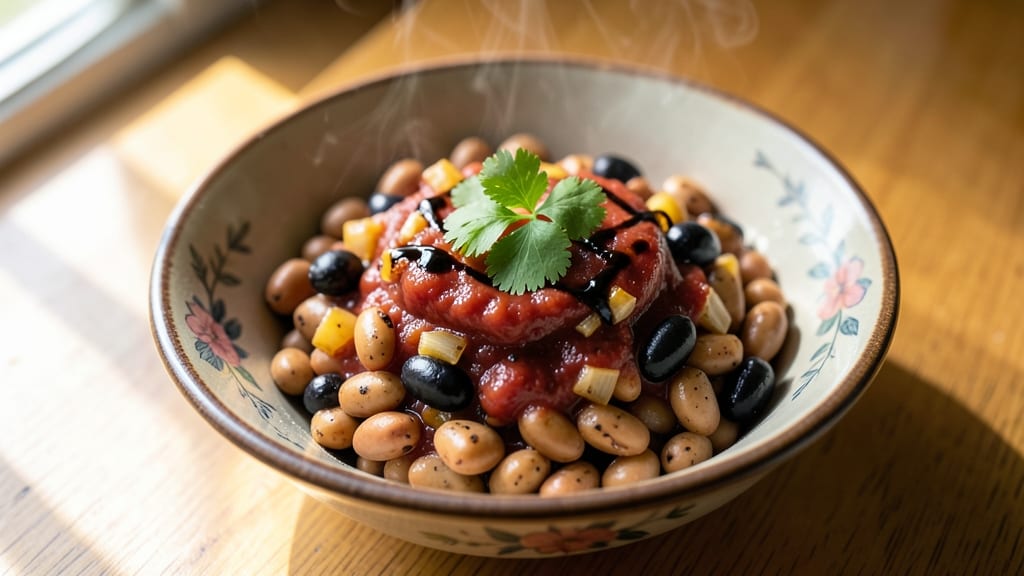
This baked bean recipe with multiple beans transforms a classic side into a texturally rich, protein-packed vegetarian powerhouse that rivals any meat-heavy dish.
The secret lies in combining kidney, black, and pinto beans—each bringing distinct flavors and textures—while slow-baking them in a deeply savory, slightly sweet sauce that clings to every bite. I developed this after realizing how many bean recipes treat them as an afterthought, when they deserve center stage.
The beauty of this recipe is its adaptability—whether you're going for a traditional molasses-kissed version or a modern take with smoked paprika and sweet potatoes.
The beans soak overnight (no fancy shortcuts needed) to ensure perfect tenderness, then bake until the sauce reduces to a glossy, caramelized finish that coats each bean individually. No mushy textures here—just firm, flavorful bites that hold their shape.
What you'll end up with is a dish that's equally at home on a picnic table or a holiday spread: hearty enough to stand alone but versatile enough to complement grilled meats, roasted vegetables, or even cornbread.
The combination of beans creates a complex mouthfeel—creamy black beans, meaty kidney beans, and tender pinto beans—while the sauce delivers layers of smoky, sweet, and tangy notes. This isn't just baked beans; it's a vegetarian main course that proves beans can be the star.
The best part? This recipe scales effortlessly—double it for a crowd, halve it for meal prep—and the flavors only improve with time. Ready to elevate your bean game? Let's get to work.
Ingredients for baked bean recipe with multiple beans
Triple the bean power, triple the satisfaction—this vegetarian baked bean masterpiece delivers texture and depth beyond basic recipes.
| Ingredient | Amount | Notes |
|---|---|---|
| Kidney Beans (Dried) 🌱 | 1 ½ cups | Uncooked, soaked overnight |
| Black Beans (Dried) 🌱 | 1 cup | Uncooked, soaked overnight |
| Pinto Beans (Dried) 🌱 | 1 cup | Uncooked, soaked overnight |
| Onion (Yellow) 🧅 | 1 whole | Diced, medium size |
| Garlic Cloves 🧄 | 4 cloves | Minced, fresh preferred |
| Tomato Paste 🍅 | ½ cup | Smooth, no sugar added |
| Molasses 🍯 | ¼ cup | Unsulphured preferred |
| Smoked Paprika 🌶️ | 2 tbsp | High quality for smokiness |
| Dried Thyme 🌿 | 1 tsp | Or 1 tbsp fresh |
| Ground Cumin 🌿 | 1 tsp | Toasted for depth |
| Salt 🧂 | 1 ½ tsp | Kosher or sea salt |
| Black Pepper 🌶️ | ½ tsp | Freshly ground |
| Vegetable Broth 💧 | 2 cups | Low sodium preferred |
| Apple Cider Vinegar 🍎 | 2 tbsp | For tangy brightness |
| Sweet Potato (Optional) 🍠 | 2 medium | Peeled, cubed (1-inch) |
| Extra-Virgin Olive Oil 🫒 | 2 tbsp | For roasting sweet potatoes |
The beans form the foundation, so quality matters. Dried beans yield superior texture compared to canned—they absorb flavors better and maintain their shape. Look for organic or heirloom varieties at Whole Foods or local co-ops for maximum flavor. Soaking overnight isn't optional here—it ensures perfect tenderness without mushiness. For the sweet potatoes, organic sweet potatoes from Trader Joe's or your local farmers market stay firm when roasted. If you skip them entirely, the dish still works beautifully—just add an extra 0.5 cup of vegetable broth to compensate for moisture.
No molasses? Maple syrup or brown sugar work in a pinch, though molasses provides that signature depth. Short on smoked paprika? Substitute half the amount with regular paprika plus a pinch of liquid smoke. The tomato paste can be omitted if you prefer a less tomato-forward flavor, but it adds wonderful body. For the sweet potatoes, butternut squash cubes make an excellent substitute—they caramelize beautifully and add natural sweetness. The apple cider vinegar is crucial for balancing the sweetness, so don't skip it unless you have another acidic element like lemon juice.
Beans keep their best texture when refrigerated in their cooking liquid for up to 5 days. For longer storage, portion into airtight containers and freeze for up to 3 months. The sweet potatoes, if included, should be added fresh to the baking dish—they don't reheat well. This dish actually tastes better the next day as flavors meld further. I recommend making a double batch: one for immediate serving and one to freeze for lazy weeknights. The sauce reduces beautifully when reheated, creating that perfect glossy finish every time.
Why You'll Love This Recipe
- One-Pot Magic: I swear by this—just toss dried beans, chopped onion, and minced garlic into one pot, cover with broth, and let the oven do the work. No stirring, no fuss, no watching the pot like a hawk.
- Deep, Earthy Richness: The mix of kidney, black, and pinto beans? It’s like a flavor party in your mouth—smoky, sweet, and hearty, all thanks to that slow caramelization of onions and garlic. Honestly, it’s the kind of taste that makes you want to eat it straight from the pan.
- Meal Prep MVP: This recipe doubles as dinner and lunch for days. I make a big batch on Sunday, and by Wednesday, I’m still serving it up—tacos, salads, or just with toast. (Yes, even on a Tuesday night.)
- Budget-Friendly Powerhouse: Dried beans are my wallet’s best friend—cheaper than canned, and way more satisfying. A pound of mixed beans feeds four for under $3, and the leftovers? They’re even better the next day. Between us, this is how I stretch my grocery budget.
Step-by-step instructions for layered triple-bean baked beans
This method delivers rich, smoky depth with three distinct bean textures—creamy kidney, tender black, and hearty pinto.
Prepare the Beans for Even Cooking
Sort through the 1.5 cups kidney beans (dried), 1 cup black beans (dried), and 1 cup pinto beans (dried), removing any stones or discolored beans. Rinse them thoroughly under cold water, then place each type in separate bowls. Cover with plenty of cold water—at least 3 inches above the beans—and soak overnight. The next morning, drain and rinse again.
This overnight soak ensures even cooking and prevents tough textures. I use separate bowls because different beans have varying cooking times—keeping them separate lets you adjust their doneness later. The black beans will soften fastest, followed by pinto, then kidney beans. If you're short on time, you can use a quick soak method: cover the beans with water, bring to a boil for 2 minutes, then let them sit off heat for 1 hour before draining.
Build the Flavor Base with Aromatics
Preheat your oven to 325°F. In a large Dutch oven or heavy pot with a lid, heat 2 tablespoons extra-virgin olive oil over medium heat. Add the diced onion (1 whole yellow onion) and cook for 8-10 minutes until softened and golden, stirring occasionally. Add the minced garlic (4 cloves) and cook for another 30 seconds until fragrant—don't let it brown or it'll turn bitter.
Stir in the 2 tablespoons smoked paprika, 1 teaspoon ground cumin, and 1 teaspoon dried thyme, toasting the spices for 30 seconds to release their essential oils. This step develops the deep, smoky backbone of the dish. Add the 0.5 cup tomato paste and cook for 2 minutes to deepen its flavor before adding any liquids.
Layer Beans and Liquid for Texture Variation
Add the soaked beans in this order: first the black beans, then the pinto beans, and finally the kidney beans on top. This layering creates visual and textural contrast when served. Pour in the 2 cups vegetable broth, 0.25 cup molasses, and 2 tablespoons apple cider vinegar, stirring gently to combine. Season with 1.5 teaspoons salt and 0.5 teaspoon black pepper.
If using the optional 2 medium sweet potatoes, peel and cut them into 1-inch cubes, toss with a pinch of salt, and roast in the oven at 400°F for 20 minutes before adding them to the pot. The sweet potatoes add natural sweetness that balances the smoky, tangy flavors. Bring the mixture to a gentle simmer, then cover and transfer to the preheated oven.
Bake Until Beans Are Tender and Sauce Thickens
Bake uncovered for 2 hours, then stir gently and check the beans. The black beans should be tender, the pinto beans should be almost tender, and the kidney beans should still have a slight bite. Add ½ cup hot water if the mixture looks too dry. Return to the oven and bake another 30-45 minutes until all beans are fork-tender and the sauce has thickened to a glossy consistency.
Here's the key: the beans should be tender but not mushy. If they're still firm after 3 hours total, add another ½ cup hot water and continue baking. The molasses and tomato paste will caramelize slightly, creating a rich, sticky sauce that coats each bean perfectly. The kidney beans will develop a deeper color and firmer texture, contrasting beautifully with the softer black beans.
Rest and Serve with Crispy Edges
Remove from the oven and let the beans rest for 15 minutes before serving. This resting period allows the flavors to meld and the sauce to thicken further. If you're using the roasted sweet potatoes, fold them into the beans during the last 10 minutes of baking to warm them through.
Serve immediately with the crispy edges facing up. The contrast between the creamy black beans, hearty pinto beans, and slightly firmer kidney beans creates a satisfying mouthfeel. The smoky, slightly sweet sauce should cling to each bean, delivering layers of flavor with every bite. For extra richness, top with a dollop of Greek yogurt or a sprinkle of fresh parsley.
Pro Tips For Making Baked Bean Recipe With Multiple Beans
- SOAK BEANS SEPARATELY: Mixing all three dried beans together and soaking them as one batch is a recipe for uneven texture—kidney beans stay firm, pintos turn mushy, and black beans? They’ll just sulk in the middle. Soak each type in its own bowl for at least 8 hours (or overnight), then drain and rinse before combining. This guarantees they all soften at their own pace, not like a sad, overcooked collective.
- CARAMELIZE ONIONS FIRST: Skip the raw onion chunks, and you’re just chewing through flavor instead of savoring it. Dice that yellow onion extra fine, then cook it in a dry pan over medium-low heat for 15-20 minutes—no oil needed—until it’s deep golden, almost jammy. The longer you let it go, the sweeter the base for your beans, and trust me, that’s the difference between "meh" and "worth licking the pot."
- DON’T SKIP THE GARLIC TOAST: Raw garlic in baked beans is a crime unless you’re a fan of bitter, almondy aftertaste. Mince those cloves, then sauté them in the same pan you caramelized the onions (after removing the onions) until they’re fragrant and just starting to turn golden—about 2-3 minutes. Let them cool slightly before adding to the beans, or they’ll release their oils and turn your dish into a garlic soup.
- BAKE LOW AND SLOW: Cranking the oven to 375°F (200°C) for speed? You’ll end up with beans that look dry and taste like they’ve been through a war. Set it to 300°F (150°C) instead and bake them uncovered for 2.5-3 hours, stirring once halfway. The gentle heat lets the flavors meld without evaporating all the moisture, and the beans actually soften instead of toughening up. Yes, it takes longer—but so does eating sad beans.
Serving suggestions for this baked bean recipe with multiple beans
Hearty Bread Pairings
This baked bean dish practically begs for a sturdy bread companion. I love serving it with crusty sourdough or cornbread—the slightly sweet, crumbly texture of cornbread soaks up the smoky sauce beautifully.
For a heartier option, try rustic whole wheat bread with a thick crust, or even grilled focaccia for a Mediterranean twist. 🥖
Protein Additions
While this recipe shines as a vegetarian main, adding protein makes it even more satisfying. Crumbled smoked tempeh or crispy baked tofu adds a meaty texture without overpowering the beans.
For a traditional touch, try crumbled bacon (or coconut bacon for a vegan option) during the last 10 minutes of baking. The smoky, salty notes complement the molasses perfectly.
Pickled Veggie Contrast
Bright, tangy pickled vegetables cut through the richness of the baked beans. Quick-pickle red onions or jalapeños in apple cider vinegar with a pinch of sugar for just 15 minutes before serving.
The acidity balances the sweetness, and the crunch adds a delightful texture contrast. I also love adding pickled radishes for a peppery kick.
Cheese Toppings
For an extra layer of indulgence, top individual servings with sharp cheddar or Gouda before baking. The cheese melts into the sauce, creating a creamy, gooey finish. If you prefer a lighter option, try feta cheese crumbles for a tangy contrast.
For a vegan twist, use nutritional yeast or cashew cheese for a cheesy flavor without dairy.
Dessert Pairings
This dish’s sweet-savory balance makes it a perfect prelude to dessert. A simple vanilla ice cream or coconut sorbet cools the palate after the smoky, spiced beans. For something lighter, try fresh berries with a drizzle of honey—the tartness complements the molasses notes.
If you're feeling indulgent, a chocolate-dipped orange adds a sophisticated finish. 🍫
Nutrition facts
Frequently asked questions
Why layer the beans in a specific order?
Layering black beans first, then pinto, and finally kidney beans creates a visual and textural contrast when served. The black beans soften fastest, while kidney beans stay firmer—this arrangement ensures even cooking and prevents mushy textures. The order also helps distribute the sauce evenly for maximum flavor absorption.
Can I substitute canned beans instead of dried?
Yes, but with adjustments! Use 3 (15-oz) cans of each bean type (kidney, black, pinto), drained and rinsed. Reduce the vegetable broth to 1 cup and bake for 1.5 hours instead of 2-3 hours. Canned beans cook faster, so check for doneness early. The texture will be slightly softer than dried beans.
How do I fix beans that are still too firm after baking?
If beans remain undercooked, stir in ½ cup hot water and cover the pot. Return to 325°F oven for 30-45 minutes more. For stubborn kidney beans, add 1 extra tablespoon molasses—the sugar helps tenderize them. Never microwave beans after baking, as it creates a gummy texture.
What's the best way to reheat leftovers?
Reheat gently in a saucepan over low heat with 2 tablespoons water per cup of beans, stirring frequently. Avoid microwaving—it makes the sauce watery. For crispy edges, transfer to a baking dish and warm at 350°F for 10 minutes. The flavors actually improve overnight, so leftovers taste even better!
Can I make this recipe without molasses?
Replace ¼ cup molasses with ¼ cup maple syrup or brown sugar dissolved in the broth. For depth, add ½ teaspoon liquid smoke or extra smoked paprika. The dish will be slightly less sweet but still rich and smoky. The apple cider vinegar remains essential for acidity balance.