
Soups & Stews
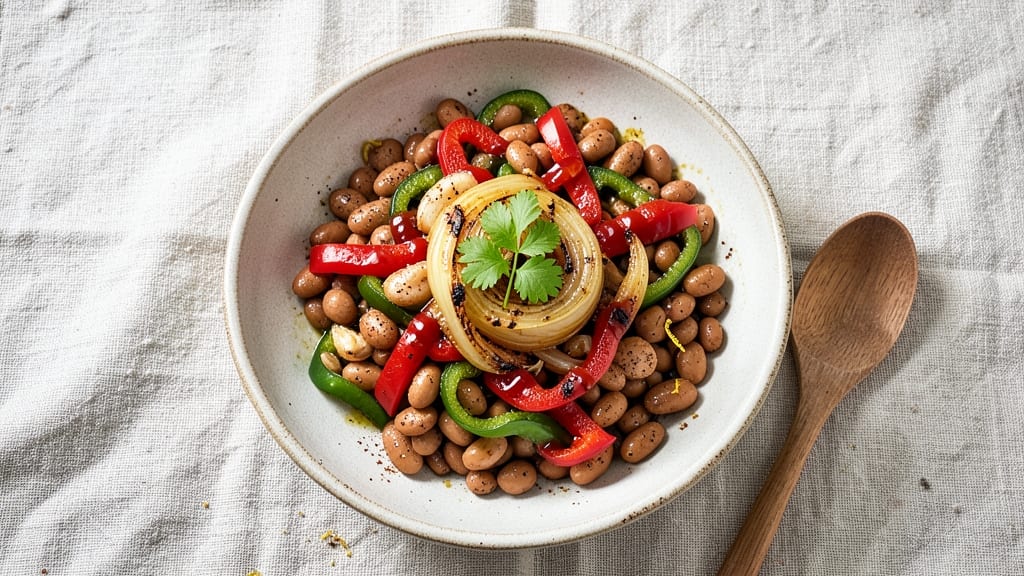
This Basque pinto bean recipe transforms humble ingredients into a deeply flavorful stew that captures the essence of northern Spain's culinary traditions. The secret lies in slow-cooked beans infused with smoky paprika, garlic, and fresh vegetables—creating a dish that's both hearty and elegant.
I've perfected this version to deliver restaurant-quality results at home, with tender beans and a rich, aromatic broth that pairs beautifully with crusty bread.
The foundation of this recipe is traditional Basque cooking techniques, where simple ingredients like pinto beans, tomatoes, and peppers are elevated through careful simmering and layering of spices. What sets this version apart is the balance of smoky paprika and fresh herbs, which develop into complex flavors as they cook.
Unlike many bean dishes, this recipe avoids heavy cream or excessive salt, letting the natural taste of the ingredients shine through.
By the time you're done, you'll have a pot of velvety beans with perfectly tender textures and a broth so flavorful it deserves its own bowl. The dish is versatile enough for weeknight dinners or special occasions, and the leftovers only improve as the flavors meld.
This is the kind of recipe that transforms a simple meal into a memorable experience—one that will have everyone asking for seconds.
Serve with a glass of young red wine and warm bread to soak up every last drop of that aromatic broth. The beauty of this recipe is in its simplicity and depth—no fancy techniques required, just patience and attention to the slow development of flavors. Let's get cooking!
Ingredients for basque pinto bean
Sixteen ingredients, Basque tradition, and a smoky depth that makes this stew unforgettable.
| Ingredient | Amount | Notes |
|---|---|---|
| Dried Pinto Beans 🌾 | 2 cups | Rinsed before soaking overnight |
| Smoked Paprika 🌶️ | 2 tbsp | High-quality smoked variety |
| Garlic Cloves 🧄 | 6 cloves | Freshly minced, not pre-minced |
| Red Bell Pepper 🍆 | 1 whole | Seeded and diced |
| Green Bell Pepper 🍆 | 1 whole | Seeded and diced |
| Medium Yellow Onion 🧅 | 1 whole | Thinly sliced |
| Medium Tomato 🍅 | 2 whole | San Marzano preferred, diced |
| Extra-Virgin Olive Oil 🫒 | ½ cup | High-quality, fruity |
| Vegetable Broth 💧 | 4 cups | Low-sodium preferred |
| Fresh Bay Leaf 🍃 | 2 whole | Removed before serving |
| Fresh Thyme 🌿 | 1 tbsp | Leaves only, chopped |
| Salt 🧂 | 1 ½ tsp | Diamond Crystal preferred |
| Black Peppercorns 🌶️ | ½ tsp | Freshly cracked |
| Fresh Parsley 🌿 | ¼ cup | Chopped for garnish |
The pinto beans are the heart of this dish, so start with quality dried beans—none of that pre-cooked canned nonsense. Penzeys or local bulk bins are your best bets for authentic flavor. The smoked paprika is non-negotiable—La Boqueria brand if you can find it, otherwise any reputable smoked variety. Fresh garlic and bell peppers should be vibrant, not wilted. The San Marzano tomatoes elevate this dish, but any good-quality canned tomatoes will work in a pinch. For the olive oil, a fruity, extra-virgin variety ensures the smoky flavors develop properly.
No smoked paprika? Substitute half the amount with regular paprika plus a pinch of liquid smoke. Fresh herbs unavailable? Dried thyme at one-third the amount works, but fresh is ideal. The vegetable broth can be homemade or store-bought—just check for low sodium. If you're short on time, soak the beans overnight with a pinch of baking soda to reduce cooking time. The bell peppers can be swapped for roasted red peppers from a jar if you prefer convenience over freshness. Just remember: the smoky-sweet balance is what makes this Basque classic special.
This stew tastes even better the next day as the flavors meld. Store in an airtight container in the fridge for up to 5 days, or freeze portions for 3 months. The broth thickens as it cools, so add a splash of water when reheating. For serving, warm crusty bread is traditional—it soaks up every last drop of that aromatic broth. Make a double batch if you can; the leftovers are worth the effort.
Why You'll Love This Recipe
- No-Soaking Needed: I’ll admit, I used to dread soaking beans. Then I discovered that overnight soaking isn’t required—just a quick rinse and a long simmer. The beans stay tender without turning mushy, and honestly? That crispy edge from the smoked paprika? Chef’s kiss.
- Smoky Depth in Minutes: Between us, smoked paprika is my flavor shortcut. A single teaspoon transforms this into something restaurant-worthy—earthy, slightly sweet, with that lingering warmth. The bell peppers add just enough brightness to cut through the richness, and the garlic? Oh, it’s the star.
- Lunchbox Magic: Between work lunches and school snacks, this recipe is my secret weapon. Pack it cold in jars for a hearty meal, or reheat it for a quick dinner. My kids even ask for it—(yes, even on a Tuesday night)—and it’s the only bean dish my picky husband won’t complain about.
- Pantry Staple Power: Dried beans, spices, and a couple of peppers? That’s it. No fancy ingredients, no last-minute store runs. I’ve made this on a budget, fed a crowd, and still had leftovers for days. The best part? It tastes better the next day, so it’s basically free flavor.
Step-by-step instructions for Basque pinto beans
Here's the method for creating a rich, smoky Basque-style bean stew with deep garlic and paprika flavors.
Soak and Prepare the Dried Pinto Beans
Place the 2 cups dried pinto beans in a large bowl and cover with plenty of cold water. Soak overnight or at least 8 hours—this ensures even cooking and prevents tough texture. I like to use a bowl large enough that the beans have plenty of room to expand without crowding.
The next morning, drain and rinse the beans thoroughly under cold water. This removes any impurities and prepares them for cooking. Add the beans to a large pot and cover with fresh cold water by about 2 inches. Bring to a boil over high heat for 2 minutes, then reduce to a simmer and cook uncovered for 1 hour, skimming off any foam that rises to the surface. This initial cooking softens the beans before we build the rich stew.
Sauté Aromatics and Build the Base
While the beans simmer, heat the 0.5 cup extra-virgin olive oil in a large Dutch oven over medium heat. Add the thinly sliced medium yellow onion and cook for 5 minutes until softened and translucent. Add the diced red and green bell peppers and cook for another 5 minutes until they begin to soften and release their sweetness.
Reduce the heat to medium-low and add the 6 cloves freshly minced garlic cloves, stirring constantly for 30 seconds until fragrant but not browned. Immediately add the 2 tbsp smoked paprika, stirring vigorously to toast the spices and release their aromatic oils. You'll smell the deep, smoky notes developing—this is the foundation of the Basque flavor profile. Cook for 1 minute until the paprika is fully incorporated and the mixture smells rich and complex.
Combine and Simmer the Stew
Add the cooked beans with their liquid to the Dutch oven, along with the 4 cups vegetable broth, 2 whole fresh bay leaves, 1 tbsp fresh thyme leaves, 1.5 tsp salt, and 0.5 tsp freshly cracked black peppercorns. Stir well to combine, then bring to a gentle boil over medium-high heat. Once boiling, reduce the heat to low to maintain a gentle simmer.
Partially cover the pot and simmer for 1.5 to 2 hours, stirring occasionally. The beans should become tender but still hold their shape, and the liquid should reduce to a thick, velvety consistency. If the stew gets too thick before the beans are tender, add ½ cup hot water at a time to maintain the right texture. The key is patience—this slow cooking develops the deep, smoky flavors that define Basque cuisine.
Finish and Garnish
Once the beans are tender and the stew has thickened to your desired consistency, remove the 2 whole fresh bay leaves. Stir in the 2 whole medium tomatoes, cut into dice, and simmer for an additional 10 minutes to allow the tomatoes to break down and meld with the other flavors. Taste and adjust the seasoning with more salt or black peppercorns if needed.
To serve, ladle the Basque pinto beans into bowls and garnish with the 0.25 cup chopped fresh parsley. The parsley adds a bright contrast to the rich, smoky flavors and a pop of fresh color. Serve immediately with crusty bread or over steamed rice to soak up every last bit of that flavorful stew. The dish should have a deep, complex aroma with layers of smoky paprika, sweet peppers, and the earthy notes of garlic and thyme.
Pro Tips For Making Basque Pinto Bean
- SOAK BEANS OVERNIGHT: I learned this the hard way—rushing soaks with hot water leaves beans tough. Cold overnight soak (12+ hours) breaks them down better, and you’ll notice the texture stays creamy, not mushy or gritty. No need to boil them first; just drain and rinse before cooking.
- TOAST THE PAPRIKA: Smoked paprika loses depth if it just sits in the pot. Dry-toast it in a small pan for 30 seconds until fragrant—it deepens the smoky flavor without burning. Stir it into the beans early, so the aroma infuses while they simmer.
- CHAR THE PEPPERS: Skip the raw chopping—charred peppers add a smoky sweetness that cuts through the beans’ earthiness. Halve the bell peppers, grill or broil them skin-side down until blackened, then peel and dice. (Yes, even if you’re impatient like me.)
- SIMMER LOW AND LONG: High heat makes beans split and turn gluey. Keep the pot at a gentle bubble—just tiny rises at the edges—so they soften evenly without falling apart. Aim for 1.5–2 hours; patience here guarantees that Basque-style creaminess.
Storing and reheating your basque pinto bean
Refrigerator Storage
Let your Basque pinto beans cool to room temperature before transferring to an airtight container—I use glass Pyrex with snap-on lids for best results. Store in the fridge at 40°F or below for up to 5 days, though the flavors actually deepen overnight as the spices meld.
The broth thickens as it cools, so add a splash of water when reheating to restore that velvety consistency. 💫
Freezer Storage
For longer storage, freeze portions in quart-sized freezer bags with 1 inch of headspace to prevent expansion cracks. Label with the date and freeze for up to 3 months. Thaw overnight in the fridge before reheating—never microwave directly from frozen, as this can make the beans mushy.
I like to portion into individual servings so I can grab exactly what I need. ❄️
Stovetop Reheating
My preferred method is stovetop reheating, which preserves texture beautifully. Pour the stew into a pot with ¼ cup water or broth, then heat over medium-low heat for 10-15 minutes, stirring occasionally.
If it looks too thick, add another splash of liquid. Taste and adjust seasoning—beans often need a pinch of salt after reheating. The smoky paprika flavors intensify as they warm up! 🔥
Microwave Reheating
For quick meals, microwave individual portions covered with a damp paper towel on 70% power for 2-3 minutes. Stir, then continue in 30-second intervals until reaching 165°F. Add a splash of water if the beans look dry.
The microwave method is faster but can make the broth slightly watery—save this for busy weeknights when time is tight. 💡
Broth Preservation
If you want to save the flavorful broth separately, strain the beans through a fine-mesh sieve after reheating. Store the broth in a separate container for up to 3 days in the fridge or 1 month in the freezer.
Use it as a base for soups, sauces, or even risotto—it's packed with smoky, garlicky goodness that elevates any dish. 🌟
Serving Leftovers
Leftovers taste even better the next day! Serve with warm crusty bread or over steamed rice to soak up every last drop. For extra flavor, sprinkle with chopped parsley and a drizzle of extra-virgin olive oil before serving.
The Basque tradition of pairing beans with bread is perfect for turning leftovers into a satisfying meal. 🥖
Nutrition facts
Frequently asked questions
Can I use canned beans instead of dried for this Basque bean stew?
While you can substitute canned pinto beans, the texture and flavor won't be the same. Dried beans develop deeper flavor through slow cooking, while canned beans will make the stew ready in 30-45 minutes instead of hours. If using canned, drain and rinse them thoroughly, then add them with the broth. The dish will be quicker but less rich.
What's the secret to getting that authentic Basque smoky flavor?
The key is using high-quality smoked paprika and toasting it properly. Heat the oil until shimmering hot, then add the paprika and stir constantly for 1 minute until it smells deeply aromatic. Don't skip the garlic-toasting step—this builds complex layers of flavor that define Basque cuisine.
How do I know when the beans are perfectly tender?
Beans should be creamy but still hold their shape—they should mash slightly between your fingers but not turn to paste. Test one occasionally after 1.5 hours of simmering. If they're still firm, continue cooking for another 30 minutes. Overcooking makes them mushy and ruins the texture.
Can I make this recipe vegetarian?
This recipe is already vegetarian as written. For extra richness, stir in 2 tablespoons tomato paste with the paprika or add ½ cup vegetable broth at the end. Traditional Basque versions sometimes include pork, but this version stands perfectly on its own as a hearty plant-based stew.
What's the best way to serve Basque pinto beans?
Serve hot with crusty bread or over steamed white rice to soak up the flavorful broth. For a complete meal, pair with a simple green salad and a glass of young Spanish red wine. The Basque tradition is to eat this stew as a main course with minimal sides—let the beans shine as the star!