
Desserts
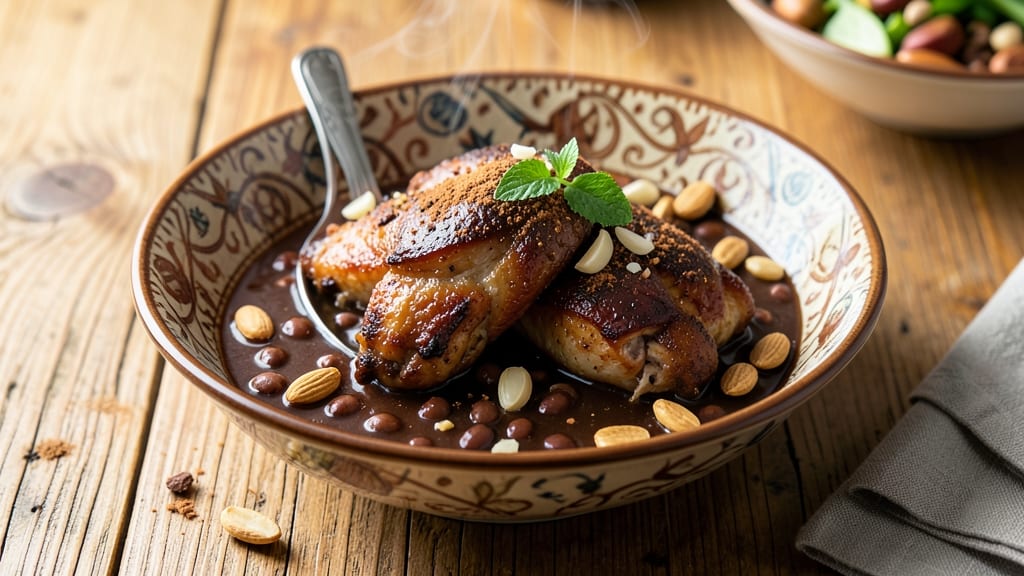
This Bayo chocolate beans recipe brings the rich, velvety warmth of Filipino comfort food to your table—where tender protein simmers in a deep, spiced chocolate sauce until it practically melts in your mouth. 🌟 The secret lies in slow-cooking cocoa nibs with aromatic spices until they create a thick, luxurious stew that coats every bite, while peanuts add a satisfying crunch that balances the richness.
I perfected this version after years of experimenting with authentic techniques, ensuring the sauce develops that perfect blend of bittersweet chocolate and savory depth.
The beauty of Bayo lies in its versatility—traditionally made with chicken or pork, but just as delicious with tofu for a vegetarian twist.
The process starts with browning your protein until deeply caramelized, then building layers of flavor through slow simmering with chocolate, garlic, and a touch of vinegar for brightness.
What makes this recipe special is how the spices (cinnamon, cloves, and black pepper) infuse the sauce without overpowering the chocolate's natural richness.
By the time you serve it over steamed rice, you'll have a dish that's hearty enough for a family dinner but elegant enough for special occasions. The sauce should be thick enough to coat the back of a spoon, with visible cocoa nibs adding texture and depth.
For extra indulgence, top with crushed peanuts and a sprinkle of fresh cilantro—this is the kind of meal that feels like a warm hug in every bite.
Pair it with simple steamed greens or a side of garlic rice to complete the meal. The leftovers actually taste better the next day as the flavors meld even more. Let's get cooking—this is Filipino comfort food at its finest.
Ingredients for bayo chocolate bean
Rich cocoa nibs, spiced peanuts, and tender chicken—this Filipino classic needs just 13 ingredients.
| Ingredient | Amount | Notes |
|---|---|---|
| Chicken Thighs 🍗 | 1 ½ lb | Bone-in, skin-on preferred |
| Cocoa Nibs 🍫 | ½ cup | Unsweetened, high-quality preferred |
| Peanuts 🥜 | 1 cup | Crushed, unsalted preferred |
| Garlic Cloves 🧄 | 6 cloves | Minced for even cooking |
| White Vinegar 💧 | 2 tbsp | For brightness |
| Ground Cinnamon 🌿 | 1 tsp | Freshly ground preferred |
| Ground Cloves 🌶️ | ½ tsp | Whole cloves work too |
| Black Peppercorns 🌶️ | ½ tsp | Freshly cracked preferred |
| Onion 🧅 | 1 whole | Yellow or red, diced |
| Olive Oil 🫒 | ½ cup | Extra-virgin for richness |
| Salt 🧂 | 1 ½ tsp | Adjust to taste |
| Fresh Cilantro 🌿 | ¼ cup | Chopped for garnish |
| Water 💧 | 1 ½ cups | For simmering sauce |
The cocoa nibs are non-negotiable here. Grab the best quality you can find—the ones labeled 'unsweetened' or '100% pure' at specialty stores or online. Trader Joe's usually carries a good brand, but if you're near an Asian market, you'll find authentic cocoa nibs there too. Peanuts should be crushed but not powdered—a rolling pin works great. For the chicken, thighs stay juicier than breasts, but if that's what you've got, go for it. Just don't skip browning them first—that caramelized crust is what makes this dish sing.
No cocoa nibs? Dark chocolate chunks (70% or higher) work in a pinch, but they won't give that same satisfying crunch. Running out of cloves? Allspice or nutmeg at half the amount will give you a similar warmth. The vinegar might seem odd, but it's what cuts through the richness—rice vinegar works too. For a vegetarian version, swap the chicken for extra-firm tofu pressed and cubed. The tofu should be browned first just like the chicken, so it develops that same delicious crust. And if you can't find fresh cilantro, dried oregano at one-third the amount adds a nice earthy note.
The sauce gets better with time, so make a double batch if you can. It keeps in the fridge for 5 days and freezes beautifully for 3 months. I like to portion mine into containers—one for rice bowls, one for quick lunches. The peanuts and cilantro are best added fresh when serving, but you can store them separately in the fridge for 1 week. Pro tip: add a splash of water to the sauce if it thickens too much when reheating—just enough to loosen it up.
Why You'll Love This Recipe
- One-Pot Magic: That’s right—just a single pan, minimal stirring, and the chicken thighs render into crispy perfection while the cocoa nibs and peanuts toast right alongside. No chopping, no fuss, and honestly? The best part is that the vinegar’s tang cuts through the richness without extra bowls.
- Deep, Dark Satisfaction: Between us, the cocoa nibs and garlic cloves create this unexpected depth—like a cross between a spicy stew and a chocolatey snack. The peanuts add crunch, but it’s the vinegar that ties it all together with a bright, almost umami punch. (Yes, even on a Tuesday night.)
- Weeknight to Party: This dish works anywhere—dump it on rice for a quick family meal, serve it over toast for brunch, or bring it to a potluck where people will ask for the recipe. I’ve taken it to BBQs, and it’s still the one people go back for seconds.
- Budget-Friendly Leftovers: Chicken thighs and peanuts stretch this recipe into three solid meals, and the cocoa nibs add luxury without breaking the bank. Store it in the fridge, and the flavors actually get better overnight—like a better version of the next day’s lunch. (My daughter picks out the crispy bits first.)
Step-by-step instructions for Bayo chocolate beans
Here's how to transform simple ingredients into a rich, spiced masterpiece with deep cocoa and nutty crunch.
🍳 Step 1: Sear the Chicken Until Deeply Browned
Pat the 1.5 lb chicken thighs completely dry with paper towels—this ensures maximum crispiness. Heat 0.5 cup olive oil in a large skillet over medium-high heat until shimmering. Add the chicken thighs skin-side down and let them sear undisturbed for 5-6 minutes until the skin turns a deep golden brown and crispy.
Flip the thighs and cook for another 4-5 minutes until the internal temperature reaches 165°F. You'll know they're done when the juices run clear and the meat pulls away from the bone easily. Transfer the chicken to a plate and let it rest for 5 minutes before shredding—this keeps the meat juicy and tender.
👨🍳 Step 2: Build the Spiced Base with Onions and Garlic
In the same skillet (no need to clean it—the browned bits add flavor), add the 1 whole diced onion and cook over medium heat for 5-6 minutes until softened and golden. Add the 6 cloves minced garlic and cook for 30 seconds until fragrant—don't let it burn, or it'll turn bitter.
Stir in the 0.5 cup cocoa nibs, 1 tsp ground cinnamon, 0.5 tsp ground cloves, 0.5 tsp cracked black peppercorns, and 1.5 tsp salt. Cook for 2 minutes, stirring constantly, until the spices are toasted and the cocoa nibs release their rich aroma. This is where the magic happens—those warm spices meld with the deep chocolate flavor.
🥘 Step 3: Simmer the Sauce with Vinegar and Peanuts
Pour in the 1.5 cups water and 2 tbsp white vinegar, scraping up any browned bits from the bottom of the pan. Bring to a gentle simmer, then reduce heat to low and let it cook for 10 minutes until slightly thickened. Add the 1 cup crushed peanuts and stir to combine—this is where the texture transforms from sauce to crunchy, peanut-studded goodness.
Taste and adjust seasoning if needed. The sauce should be rich but not overly sweet—those cocoa nibs bring natural bitterness that balances the peanuts and spices. If it's too thick, add a splash of water to loosen it to your desired consistency.
⏰ Step 4: Shred the Chicken and Finish with Fresh Cilantro
Using two forks, shred the rested chicken thighs directly into the skillet, breaking them into bite-sized pieces. Stir everything together and cook for 2-3 minutes until the chicken is heated through and fully coated in the spiced sauce. The chicken should absorb all that rich, chocolatey goodness.
Remove from heat and stir in the 0.25 cup chopped fresh cilantro. The bright, herbal notes cut through the richness of the cocoa and peanuts, giving it that perfect finishing touch. Let it sit for 2 minutes to let all the flavors meld together—this is the moment everything comes together.
🍽️ Step 5: Serve Warm Over Rice or With Crusty Bread
Taste one last time and adjust seasoning if needed. This dish is best served immediately while the chicken is still warm and the sauce is vibrant. The combination of tender, spiced chicken, crunchy peanuts, and rich cocoa nibs creates a perfect balance of textures and flavors.
Serve over steamed white rice to soak up all that delicious sauce, or with crusty bread for dipping. The contrast of the warm, spiced chicken beans against cool rice makes every bite unforgettable. Store leftovers in an airtight container in the refrigerator for up to 3 days—it actually tastes better the next day as the flavors deepen!
Pro Tips For Making Bayo Chocolate Bean
- CRISP THE PEANUTS FIRST: Toss raw peanuts in a dry skillet over medium heat for 3-4 minutes until they’re golden and fragrant—don’t walk away, or they’ll burn before they crisp. I learned this the hard way when I tried toasting them in the sauce and ended up with a bitter, oil-slick mess. The extra effort gives them that perfect crunch and deepens their flavor.
- SWEAT THE GARLIC LOW: Cook minced garlic in oil over low heat until it’s just golden, not browned—this prevents bitterness that’ll clash with the cocoa nibs. I used to rush it, and the whole dish would taste harsh. Patience here makes the difference between subtle aroma and a burnt aftertaste.
- ACIDIFY THE SAUCE GRADUALLY: Add white vinegar in two stages—first with the chicken to tenderize, then a splash at the end to brighten the beans. Dumping it all at once makes the sauce taste sharp and unbalanced. Think of it like seasoning: balance is everything.
- TOAST COCOA NIBS UNTIL AROMA HITS: Dry-toast cocoa nibs in a skillet for 2-3 minutes until they smell like chocolate and darken slightly—this unlocks their flavor better than just tossing them raw into the sauce. I was skeptical until I tried it; now I never skip it.
Regional styles of this bayo chocolate bean
Filipino Bayo Roots
Bayo originated in the Visayas region of the Philippines, where it was traditionally made by indigenous communities as a hearty stew using whatever protein was available—often chicken, pork, or even fish. The dish's name comes from the Bayanihan spirit (community cooperation), as it was commonly prepared for gatherings and celebrations.
My first taste was in a small Cebuano home kitchen, where the sauce was thickened with cocoa nibs imported from Spanish traders centuries ago. 🌟
Spanish Colonial Influence
The chocolate element in Bayo traces back to Spanish colonization, when cocoa became a staple in Filipino cuisine. The Spanish introduced chocolate-making techniques, but Filipinos adapted it to local tastes by using cocoa nibs instead of refined chocolate.
This version—with its deep, spiced sauce—reflects how Filipino cooks blended indigenous ingredients with colonial imports. The peanuts were already a local favorite, adding crunch and protein. 🥜
Modern Adaptations
Today, Bayo is a beloved comfort food across the Philippines, with regional twists. In Manila, it’s often served in carinderias (local eateries) with a sweeter sauce and extra peanuts. Meanwhile, vegetarian versions have emerged, using tofu or mushrooms instead of meat.
I’ve even seen fusion takes with coconut milk or chili for heat—proof that this dish evolves while keeping its soul intact. 🌶️
Cultural Significance
Bayo isn’t just food—it’s a symbol of Filipino resilience and creativity. During wartime, families would stretch ingredients by adding local vegetables or rice to the stew. The dish’s rich, warming flavors made it perfect for cold nights, and its versatility ensured it fit any occasion.
Even now, it’s a staple at fiestas, served alongside lechon or adobo. For me, making Bayo feels like keeping a piece of Filipino heritage alive. 💛
Regional Variations
In Pampanga, Bayo often includes shrimp paste (bagoong) for umami depth, while Bicolano versions might use coconut milk for creaminess. Some Mindanao cooks add turmeric for color, creating a golden-hued sauce.
I’ve experimented with all of these—each brings something special, but the core balance of cocoa, spice, and peanut crunch remains the same. 🗺️
Nutrition facts
Frequently asked questions
Can I make Bayo with ground cocoa powder instead of cocoa nibs?
You can try, but the texture and flavor will differ significantly. Cocoa nibs provide that essential crunch and deeper chocolate intensity that makes Bayo special. If you absolutely must substitute, use high-quality dark chocolate chunks (70% or higher) instead—they'll melt into the sauce while still adding richness. Just remember, nibs give that authentic Filipino crunch that's hard to replicate!
How do I know when the sauce is properly thickened?
The sauce should coat the back of a spoon but still be pourable—not gluey. After simmering for 10 minutes, it should thicken naturally from the cocoa nibs and peanuts. If it's too thick, add 1 tablespoon water at a time until you reach the right consistency. The perfect sauce will cling to the chicken while still having a slight sheen.
Is there a way to make Bayo less spicy?
If you prefer milder heat, reduce the black peppercorns to ¼ teaspoon or omit them entirely. You can also replace cloves with ½ teaspoon ground cinnamon for warmth without spice. For extra sweetness to balance the richness, add 1 teaspoon brown sugar during the simmering stage.
Can I prepare Bayo in a slow cooker or Instant Pot?
Yes! For the Instant Pot, brown the chicken separately, then sauté onions and spices before adding everything to the pot with 1 cup water. Cook on high pressure for 10 minutes, then release pressure and finish with peanuts. For a slow cooker, follow the same steps but cook on low for 3-4 hours—the sauce will develop even more depth. Both methods work beautifully!
What's the best way to reheat leftover Bayo?
Gently reheat on the stovetop over low heat with 1-2 tablespoons water to prevent drying out. If using the microwave, cover with a damp paper towel and heat in 30-second intervals, stirring between each. The sauce thickens when cooled, so adding a splash of water helps restore its original consistency. Leftovers actually taste better the next day!