
Main Courses
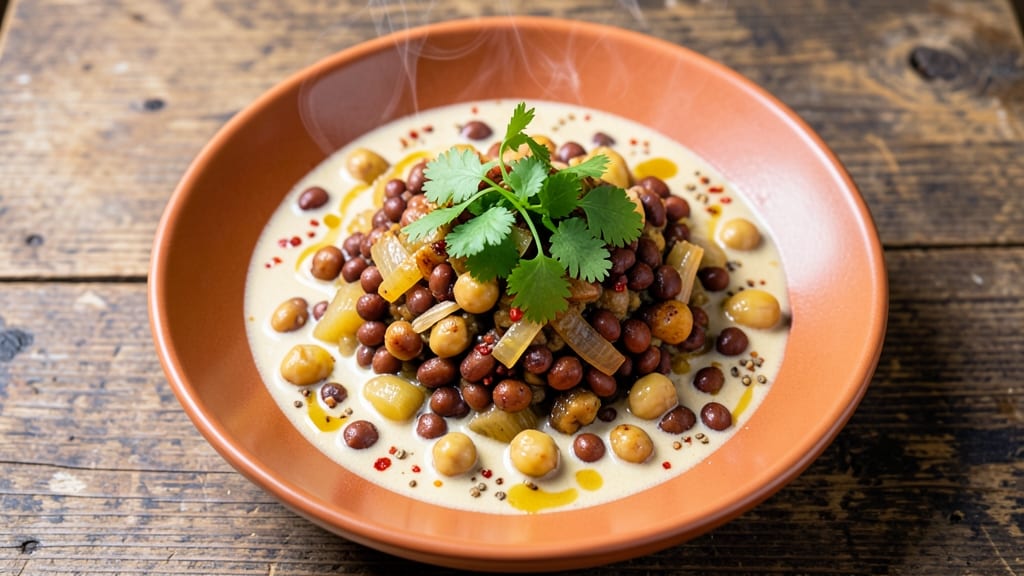
This bean and lentil curry recipe delivers a protein-packed, fragrant dish that transforms humble ingredients into a restaurant-worthy meal. The secret lies in slow-cooked lentils and beans absorbing deep, earthy spices while developing a rich, velvety texture that balances perfectly with coconut milk.
I've refined this method over years of testing—balancing traditional spice tempering with modern shortcuts for home cooks. What sets this curry apart is its versatile protein blend: tender red lentils break down into creamy perfection, while chickpeas add satisfying texture.
The spice mix—garlic, ginger, cumin, and coriander—builds layers of warmth that develop as it simmers, creating an aroma that fills your kitchen with comfort. The addition of tomato paste and a splash of vinegar brightens the dish, cutting through the richness.
By the time it finishes simmering, you'll have a curry with deep umami notes, tender legumes, and a sauce that coats every spoonful. The lentils dissolve into the broth, creating a naturally thick consistency without needing heavy cream.
Serve it over basmati rice or with warm naan for the full experience—each bite delivers complex flavors that linger. This recipe is designed for meal prep too: it tastes even better the next day as flavors meld further.
The spices can be adjusted to your heat preference, and you can swap in different beans or lentils based on what you have. Let's create this hearty, satisfying curry that proves plant-based meals can be deeply flavorful.
Ingredients for bean and lentil curry
Pantry staples meet fresh spices for this protein-rich curry that tastes even better tomorrow.
| Ingredient | Amount | Notes |
|---|---|---|
| Red Lentils 🌾 | 1 ½ cups | Dried, rinsed thoroughly |
| Chickpeas 🥔 | 1 ½ cups | Canned, drained and rinsed |
| Yellow Onion 🧅 | 1 whole | Medium size, finely chopped |
| Fresh Garlic Cloves 🧄 | 4 cloves | Peeled, minced finely |
| Fresh Ginger Root 🌿 | 1 inch | Peeled, grated finely |
| Coconut Milk 🥥 | 1 can (13.5 oz) | Full-fat for richness |
| Tomato Paste 🍅 | 2 tbsp | Smooth, no sugar added |
| Apple Cider Vinegar 🍏 | 1 tbsp | For brightness |
| Ground Cumin 🌿 | 1 tbsp | Toasted for deeper flavor |
| Ground Coriander 🌿 | 1 tbsp | Freshly ground preferred |
| Turmeric Powder 🌶️ | ½ tsp | Bright yellow color |
| Garam Masala 🌶️ | ½ tsp | For aromatic finish |
| Salt 🧂 | 1 tsp | Kosher or sea salt |
| Vegetable Oil 🫒 | 2 tbsp | For tempering spices |
| Fresh Cilantro 🌿 | ¼ cup | Chopped, for garnish |
The lentils and chickpeas are the heart of this curry—red lentils break down beautifully for creaminess, while chickpeas add texture. Trader Joe's has great canned chickpeas (no salt added), and I always grab the bulk red lentils at Whole Foods since they're cheaper per pound. If you're using dried chickpeas, soak them overnight—they need at least 12 hours. For the onion, I like yellow onions because they're milder than red, but white works too. The garlic and ginger? Fresh is non-negotiable here—dried just won't cut it for the depth of flavor.
No coconut milk? Light coconut milk works too, but full-fat gives that rich mouthfeel. Short on cumin? Smoked paprika at half the amount adds a similar warmth. The tomato paste can be the squeeze tube kind—no need for fancy jars. For extra brightness, swap apple cider vinegar for lemon juice at the same amount. Want more heat? Add 1/2 tsp cayenne or fresh chili. The garam masala is key—if you can't find it, mix equal parts cinnamon, cardamom, and cloves as a substitute. Fresh cilantro is ideal, but dried won't work here—it's all about that fresh aroma.
This curry tastes even better the next day—make extra for leftovers. Stores for 5 days in the fridge or 3 months frozen. I like to portion it into containers with rice so lunches are ready to grab. The spices lose potency after opening, so transfer them to small jars if you won't use the whole package. Freeze the coconut milk if you won't use it within a week—it keeps for months that way.
Why You'll Love This Recipe
- Here’s what sold me: that velvety texture from the lentils and chickpeas, balanced by the sharp bite of fresh ginger and garlic. It’s hearty enough to fill you up but light enough that I don’t feel sluggish afterward. The spices—cumin, coriander, maybe a pinch of turmeric—turn this into something special without needing fancy ingredients.
- I’ll be real: this recipe costs me about $3 for a serving of four. Red lentils and chickpeas are dirt cheap, and the onion/garlic/ginger combo stretches the flavors so well. It’s the kind of dish where I can feed my whole family without breaking the bank—and still have leftovers for another meal. No waste, all satisfaction.
Step-by-step instructions for earthy bean and lentil curry
Let's build this flavorful curry from scratch—where each step layers depth and warmth.
Sauté the Aromatic Base
Heat the 2 tablespoons vegetable oil in a large pot over medium heat. Add the finely chopped yellow onion and cook for 5 minutes until soft and translucent. This is your flavor foundation—don't rush it.
Next, add the minced fresh garlic cloves and grated fresh ginger root. Cook for 1-2 minutes until the garlic turns golden and the ginger loses its raw bite. You'll smell that aromatic magic happening—this is where the curry's soul begins to develop.
Toast the Spices
Reduce heat to medium-low and add the ground cumin, ground coriander, turmeric powder, and garam masala. Stir constantly for 1 minute until the spices become fragrant and the oil shimmers slightly. This step unlocks their full potential—don't let them burn.
Here's the thing—if you smell something bitter, you've gone too far. Immediately remove from heat and let the spices cool for 30 seconds before proceeding. The spices should look dry but not dark.
Build the Curry Base
Increase heat to medium and stir in the 2 tablespoons tomato paste, cooking for 2 minutes until it darkens slightly. This creates a rich, caramelized flavor that ties everything together.
Add the 1 tablespoon apple cider vinegar and 1 teaspoon salt, stirring well. The vinegar brightens the flavors while balancing the richness. Now add the 1.5 cups red lentils and 1.5 cups chickpeas, mixing thoroughly to coat them in the spiced paste.
Simmer the Lentils and Chickpeas
Pour in 3 cups water (enough to cover the lentils and chickpeas by about 1 inch) and bring to a gentle boil. Once boiling, reduce heat to low and simmer uncovered for 15 minutes, stirring occasionally. The lentils should soften but still hold their shape.
After 15 minutes, check the lentils—they should be tender but not mushy. If they're still firm, simmer for another 5 minutes. The chickpeas will hold their shape throughout. This is where the magic happens—the flavors meld into a cohesive, protein-rich base.
Finish with Coconut Milk and Garnish
Stir in the 1 can (13.5 oz) coconut milk and simmer for 10 minutes on low heat. The curry should thicken slightly, coating the back of a spoon. Taste and adjust seasoning—you might need a pinch more salt or a splash of vinegar for brightness.
Remove from heat and let it sit for 5 minutes to thicken further. Garnish with 0.25 cup chopped fresh cilantro just before serving. The cilantro adds freshness that cuts through the richness of the coconut milk and spices.
Pro Tips For Making Bean And Lentil Curry
- SOAK CHICKPEAS 2 HOURS: I learned this the hard way—skipping the soak means your chickpeas stay rock-hard and turn the curry into a mushy, uneven mess. Even 2 hours in warm water softens them enough to cook through without falling apart, and you won’t end up with a pot of lentils drowning in whole chickpeas.
- SAUTÉ ONIONS UNTIL GOLDEN: High heat. Seriously, crank it up until the onions are deep amber, not just soft. That caramelization builds flavor—no one wants a curry that tastes like boiled onions. If they stick, add a splash of water and scrape the bottom, but don’t rush it.
- ADD GINGER LAST MINUTE: Sounds weird, but it works: Toss in the grated ginger right as the spices hit the pot. This keeps it bright and peppery instead of bitter or cooked-out. If you add it early, you’ll taste the difference—like the gap between fresh ginger and something that’s been simmering since breakfast.
- STIR IN LENTILS FIRST: I skip this when I’m lazy, but the dish is noticeably better when I don’t. Toss the red lentils into the pot before the chickpeas and let them cook for 5 minutes alone. They’ll soften faster and absorb the spices, while the chickpeas stay intact—no more curry that’s half mush, half whole beans.
Wine and beer pairings for this bean and lentil curry
Crisp White Wine
This earthy curry pairs beautifully with a dry, crisp white wine like Sauvignon Blanc from New Zealand or Vermentino from Italy. The bright acidity cuts through the coconut richness while complementing the cumin and coriander notes.
Look for wines with citrus and herbal undertones—I love Kim Crawford Sauvignon Blanc for its zesty finish. Serve slightly chilled to enhance the refreshing contrast. 🍷
Light-Bodied Red
For red wine lovers, a Pinot Noir from Oregon or Gamay from Beaujolais brings harmony without overpowering. The red fruit notes mirror the tomato and lentil flavors, while the wine's light body lets the curry's spices shine.
I recommend La Crema Pinot Noir—it's approachable and won't clash with the coconut milk. Let it breathe for 10 minutes before serving. 🍇
Craft Beer Pairings
A wheat beer with citrus notes works surprisingly well, like Blue Moon Belgian White. The coriander in the beer echoes the curry's spice blend, while the slight sweetness balances the vinegar's tang.
For a bolder option, try a hazy IPA with tropical fruit flavors—Allagash White has just the right effervescence to cleanse your palate. Serve both at 45°F for the best experience. 🍺
Spiced Rum Cocktail
For a festive touch, mix 2 oz dark rum with 1 oz apple cider vinegar, ½ oz honey, and a splash of ginger beer. The rum's caramel notes complement the coconut, while the ginger beer's spice mirrors the curry's warmth.
Garnish with a lime wedge and serve over ice. This drink feels like a hug—perfect for cozy nights. 🍹
Avoid Heavy Pairings
Skip oaky Chardonnay or bold Cabernet Sauvignon—they'll overpower the delicate spice profile. Even heavy stouts can make the curry taste muddy. Instead, opt for wines and beers with bright acidity or subtle spice notes that let the dish's complexity shine. Trust me, your taste buds will thank you. ✨
Nutrition facts
Frequently asked questions
Can I use dried chickpeas instead of canned?
Yes, but you'll need to soak them overnight first! Use 2 cups dried chickpeas (about 1 cup uncooked weight) and soak in plenty of water for at least 12 hours. Drain and rinse before adding to the curry, then simmer for 20-25 minutes longer than canned chickpeas to reach tenderness. The texture will be slightly firmer but still delicious.
How do I adjust the spice level for sensitive eaters?
Start by reducing the cumin and coriander to ½ tablespoon each and omit the garam masala. For extra mildness, skip the cayenne entirely and use ½ teaspoon turmeric instead of ½ teaspoon. The vinegar adds natural brightness without heat, and you can always stir in more coconut milk at the end to mellow the flavors.
Why did my curry turn out too thick?
This usually happens when the lentils break down too much or the coconut milk reduces too quickly. To fix it, stir in ¼ to ½ cup warm water or broth and simmer for 5 minutes longer. If it's still too thick, add more liquid gradually. For next time, reduce the simmer time slightly or use 1 cup coconut milk instead of 1.5 cups.
Can I make this curry in an Instant Pot?
Sauté the onions, garlic, and spices as directed, then add all remaining ingredients except coconut milk. Seal the lid and cook on high pressure for 8 minutes. Quick-release the pressure, stir in the coconut milk, and cook on low heat for 5 minutes to thicken. The Instant Pot version finishes in about 30 minutes instead of 45 minutes.
What's the best way to reheat leftovers?
Gently reheat on the stovetop over low heat with 2-3 tablespoons water to prevent drying. Stir frequently and add more liquid if needed. For microwave reheating, cover with a damp paper towel and heat in 30-second intervals, stirring between each. Avoid reheating more than once for best texture and flavor.