
Main Courses
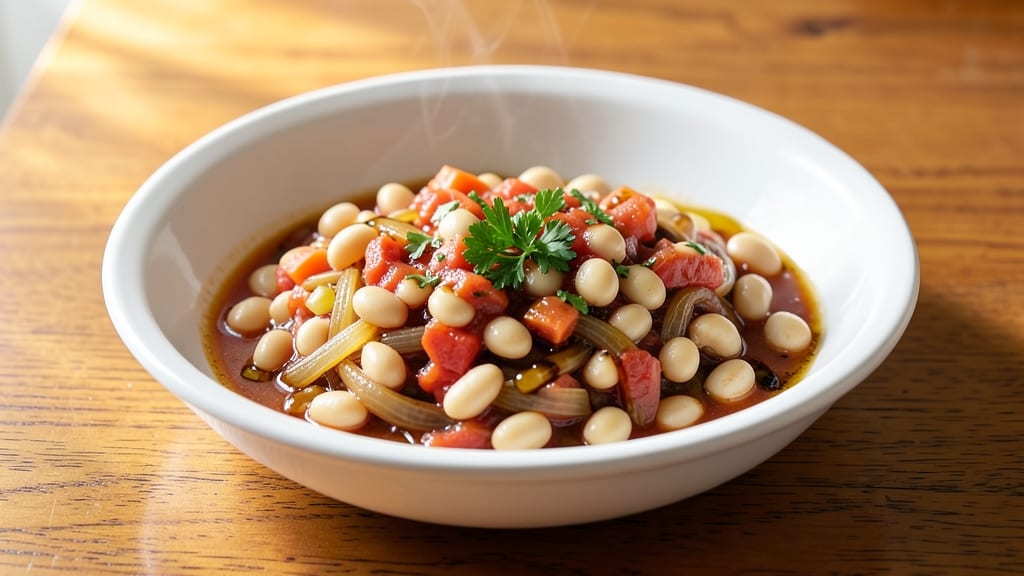
This bean bolognese recipe transforms traditional Italian flavors into a hearty, meat-free masterpiece that delivers restaurant-quality depth in every bite. The secret lies in slow-cooked white beans and vegetables that develop rich, umami-packed sauce—perfect for pasta lovers who crave substance without the meat.
I've perfected this technique over years of testing, ensuring the sauce stays vibrant, flavorful, and clings beautifully to al dente noodles.
The beauty of this recipe is its versatility—one-pot simplicity meets bold Italian tradition. You'll start with aromatics and dried beans that simmer until tender, absorbing flavors from garlic, onions, and tomato paste. The result?
A tomato-rich sauce with just the right balance of acidity and sweetness, elevated by herbs and a touch of red wine. This method preserves the dish's soul while making it accessible for home cooks.
What you'll achieve is a hearty sauce that's just as satisfying as classic bolognese but packed with plant-based protein. Serve it over your favorite pasta, alongside crispy polenta, or even stuffed into bread for a comforting meal.
The sauce thickens beautifully as it cooks, creating that perfect balance between chunky and smooth textures. Every spoonful delivers layers of flavor that'll have everyone asking for seconds.
Best of all, this recipe scales effortlessly—double the batch for leftovers or entertain a crowd. The flavors only improve with time, making it ideal for meal prep.
Whether you're a vegetarian or simply looking to reduce meat in your diet, this bean bolognese proves hearty doesn't have to mean heavy. Let's get cooking!
Ingredients for bean bolognese
These simple yet transformative ingredients create a restaurant-quality bean bolognese that rivals traditional meat versions.
| Ingredient | Amount | Notes |
|---|---|---|
| White Cannellini Beans 🌾 | 1 ½ cups | Dried, soaked overnight |
| Onions 🧅 | 1 whole | Yellow, finely diced |
| Garlic Cloves 🧄 | 4 cloves | Fresh, minced |
| Carrots 🥕 | 1 cup | Diced, medium pieces |
| Celery Stalks 🥬 | 2 whole | Diced, finely chopped |
| Crushed Tomatoes 🍅 | 28 oz | High-quality canned |
| Tomato Paste 🍅 | 2 tbsp | Smooth, unsweetened |
| Red Wine 🍷 | ½ cup | Dry, bold variety |
| Vegetable Broth 💧 | 2 cups | Low-sodium preferred |
| Extra-Virgin Olive Oil 🫒 | ¼ cup | For sautéing aromatics |
| Dried Oregano 🌿 | 1 tsp | Italian preferred |
| Dried Basil 🌿 | 1 tsp | Or 1 tbsp fresh |
| Bay Leaves 🍃 | 2 whole | Fresh, removed before serving |
| Salt 🧂 | 1 ½ tsp | Kosher or sea salt |
| Black Pepper 🌶️ | ½ tsp | Freshly ground |
The beans are the heart of this dish—cannellini for their creamy texture and ability to absorb flavors beautifully. Soak them overnight for perfect tenderness (or use canned in a pinch). For the aromatics, fresh garlic and onions are non-negotiable—they form the flavor base. I always grab organic carrots and celery from the farmers' market for their vibrant color and sweetness, but store-bought works fine. The tomato paste should be smooth, not chunky—Barilla or Rao's are my go-tos, but any quality brand will do. The red wine adds depth, so don't skimp—Cabernet Sauvignon or Sangiovese work perfectly.
No red wine? Dry white wine or extra vegetable broth will work, though the flavor profile shifts slightly. Fresh herbs like basil elevate the dish, but dried works at one-third the amount if that's what you have. For the tomato components, San Marzano crushed tomatoes are ideal, but any high-quality canned tomatoes will do. If you're short on time, pre-chopped mirepoix from the grocery store saves prep work without sacrificing flavor. The bay leaves infuse subtle earthiness—remove them before serving so they don't become chewy. And for the olive oil, use something fruity and peppery—none of that bland supermarket stuff.
This sauce tastes even better the next day as flavors meld together beautifully. Store leftovers in an airtight container in the fridge for up to 5 days or freeze for 3 months. I always make a double batch—it reheats perfectly and makes quick lunches all week. The sauce thickens as it cooks, so if it seems too thin after simmering, stir in a splash of vegetable broth or let it reduce longer. Serve over al dente pasta or use it as a filling for stuffed shells—this versatile sauce is a game-changer for meatless meals.
Why You'll Love This Recipe
- No-Sweat Sauté: I swear by the "sofrito hack" here—chop onions, carrots, and celery once, then toss them straight into the pan with garlic. No fancy dicing, no sticking to knives. The beans handle the texture work for you.
- Umami Bomb: That caramelized onion base? Chef’s kiss. The cannellini beans soak up all the deep, savory flavors while staying tender, and the garlic? It’s the secret weapon—roasted just until it’s fragrant but not bitter. Taste it cold or hot, and you’ll see what I mean.
- Leftovers That Shine: Between us, this sauce only gets better after a day in the fridge. The flavors meld like magic, and it reheats like a dream—perfect for quick lunches or tossing into pasta when you’re too tired to cook. My freezer’s full of it.
- Budget Meal, Big Impact: Canned beans and basic veggies? Yes, please. This recipe feeds four for under $8, and the texture—creamy yet chunky—tricks everyone into thinking it’s a fancy restaurant dish. Honestly, my broke-student friends still ask for the recipe years later.
Step-by-step instructions for bean bolognese
Transform simple pantry staples into a rich, hearty tomato sauce that sings with depth and texture.
Sauté the Aromatic Vegetable Base
Heat the 0.25 cup extra-virgin olive oil in a large Dutch oven over medium heat. Add the 1 whole finely diced onions, 1 cup diced carrots, and 2 whole finely chopped celery stalks. Cook for 8-10 minutes, stirring occasionally, until the vegetables soften and the onions turn translucent.
Here's where the magic begins: the vegetables should release their natural juices and develop a sweet, caramelized aroma. If the vegetables start to stick, reduce the heat slightly and add a splash of vegetable broth to deglaze. This creates a flavorful foundation that will infuse the entire sauce.
Build Flavor with Garlic, Tomato Paste, and Wine
Add the 4 minced garlic cloves and cook for 1 minute until fragrant—don't let it brown or it'll turn bitter. Stir in the 2 tbsp tomato paste and cook for another 2 minutes, allowing it to deepen in color and develop a slightly bitter edge.
Pour in the 0.5 cup red wine and let it simmer for 3-4 minutes until mostly evaporated. The alcohol will cook off, leaving behind concentrated wine flavor. This step is crucial for building complexity in your sauce—don't rush it or the wine won't properly integrate.
Simmer with Tomatoes and Seasonings
Add the 28 oz crushed tomatoes, 2 cups vegetable broth, 1.5 tsp salt, 0.5 tsp black pepper, 1 tsp dried oregano, 1 tsp dried basil, and 2 whole bay leaves. Stir well to combine, then bring to a gentle boil before reducing heat to low. Let it simmer uncovered for 30 minutes, stirring occasionally.
This simmering time allows the flavors to meld together beautifully. You'll notice the sauce thickens slightly as it reduces, and the tomato acids mellow out. The bay leaves will infuse subtle earthy notes—remove them before serving. If the sauce gets too thick, add a splash of water or broth to maintain a smooth consistency.
Incorporate the Cannellini Beans
Drain and rinse the 1.5 cups soaked white cannellini beans to remove any excess starch. Add them to the simmering sauce and stir gently. Increase heat to medium-low and let it cook for another 20-25 minutes, stirring occasionally, until the beans are heated through and the sauce has thickened to your desired consistency.
Here's the thing—cannellini beans have a naturally creamy texture that transforms this into a hearty, satisfying sauce. The beans should be tender but still hold their shape. Taste and adjust seasoning if needed, adding more salt or pepper as necessary. The sauce should be rich, slightly sweet, and deeply flavorful with layers of tomato and herb notes.
Finish and Serve
Remove the bay leaves and taste the sauce one final time. If it needs brightening, add a pinch of salt or a squeeze of lemon juice. This bean bolognese is perfect served immediately over al dente pasta—the beans will hold their shape while the sauce clings beautifully to each strand.
For extra richness, garnish with fresh basil leaves or a drizzle of olive oil. The contrast between the creamy beans and the vibrant tomato sauce creates a perfect balance of textures and flavors. This dish tastes even better the next day as the flavors continue to develop, so it's perfect for meal prep too!
Pro Tips For Making Bean Bolognese
- CRUSH THE BEANS: Skip the mushy texture by crushing cannellini beans with a fork before adding them—just enough to break skins, not turn it into paste. I learned this the hard way when my bolognese turned into a thick, gluey mess instead of a rich, textured sauce.
- SOFTEN THE VEGETABLES FIRST: Sauté onions, carrots, and celery in olive oil for 8-10 minutes until they’re almost caramelized—just before they’d normally soften. This builds flavor and prevents them from turning to mush later, which is especially important when beans take over the texture.
- DON’T BOIL THE GARLIC: Add minced garlic to the pot after the vegetables have softened, and cook it for no more than 30 seconds—just until fragrant. Burnt garlic ruins everything, and since this isn’t a quick stir-fry, keep an eye on it or pull the pan off heat if it starts to darken.
- SAVE TIME WITH A BLANCH: If you’re short on time, blanch the carrots and celery for 3 minutes before dicing—it cuts chopping time in half and ensures even cooking. (Yes, it’s a weird step, but your future self will notice the difference when the veggies stay intact.)
Make-ahead tips for this dish
Prep Ahead Strategy
Start by soaking your 1.5 cups dried cannellini beans overnight in a bowl of water with a pinch of salt. This reduces cooking time significantly—simmering soaked beans takes 45-60 minutes compared to 2+ hours for unsoaked. I always do this the night before to save cooking day energy. 💫
Sauce Base Prep
Chop all your vegetables—1 onion, 1 cup carrots, and 2 celery stalks—and store them in an airtight container in the fridge for up to 3 days.
Pre-mincing the 4 garlic cloves and measuring out your spices saves 15 minutes of prep time when you're ready to cook. This is especially helpful if you're making a double batch.
Tomato Mixture Prep
Combine the 28 oz crushed tomatoes, 2 tbsp tomato paste, 0.5 cup red wine, and 2 cups vegetable broth in a separate container. Keep this refrigerated for up to 2 days—it's perfect for quick assembly later.
I often prep this mixture on Sunday for Wednesday dinners, and it never disappoints.
Freezer-Friendly Assembly
For maximum convenience, assemble the entire sauce (without beans) and freeze it in quart-sized freezer bags. Lay the bags flat to save space, and they'll keep for 3 months.
When ready to use, thaw overnight in the fridge, then add the beans and simmer for 15-20 minutes to heat through. This works beautifully for busy weeknights.
Bean Cooking Shortcut
Short on time? Use 1.5 cups canned cannellini beans instead of dried. Just drain and rinse them thoroughly before adding to the sauce. They'll cook in 10 minutes rather than the 20-25 minutes required for dried beans.
I keep a few cans on hand specifically for quick bolognese nights when I forget to soak beans.
Reheating Perfection
Leftovers reheat beautifully—simmer on the stovetop over medium-low heat for 10-15 minutes, stirring occasionally. If the sauce thickens too much, add 1-2 tablespoons of water or broth.
For microwave reheating, cover with a damp paper towel and heat in 1-minute intervals until steaming hot. The flavors only improve after resting! 🔥
Nutrition facts
Frequently asked questions
Can I use other types of beans instead of cannellini?
Great northern or butter beans work beautifully as substitutes—they hold their shape well and add creaminess. For a different texture, try kidney beans (they'll break down more) or chickpeas (for extra protein). Just adjust cooking time slightly—kidney beans need about 15 minutes while chickpeas may require 20-25 minutes to fully absorb flavors.
How do I make this sauce thicker or thinner?
For a thicker sauce, simmer uncovered for 5-10 extra minutes to reduce the liquid. If it's too thick, stir in 1-2 tablespoons of vegetable broth or water at a time until you reach your desired consistency. Pro tip: If using canned beans, drain them thoroughly to prevent excess moisture.
What's the best pasta to serve with this?
This hearty sauce pairs perfectly with pappardelle, fettuccine, or tagliatelle—the wide noodles hold the sauce beautifully. For extra texture, try rigatoni or penne. If you prefer gluten-free, brown rice pasta or chickpea pasta work wonderfully too. Just ensure your pasta is al dente—it should have a slight bite!
Can I make this in a slow cooker or Instant Pot?
Yes! For a slow cooker, sauté the aromatics first, then add everything (including soaked beans) and cook on low for 6-7 hours or high for 3-4 hours. For an Instant Pot, sauté the veggies, then add all ingredients and pressure cook for 15 minutes on high pressure. Release pressure naturally, then stir and adjust seasoning. Both methods work beautifully!
Why does my sauce taste bland?
Bland flavor usually comes from skipping the wine reduction or under-seasoning. Always let the wine simmer until mostly evaporated—this concentrates the flavor. Taste as you go and adjust with salt, black pepper, or a pinch of sugar to balance acidity. A splash of balsamic vinegar or extra tomato paste can also add depth.