
Main Courses
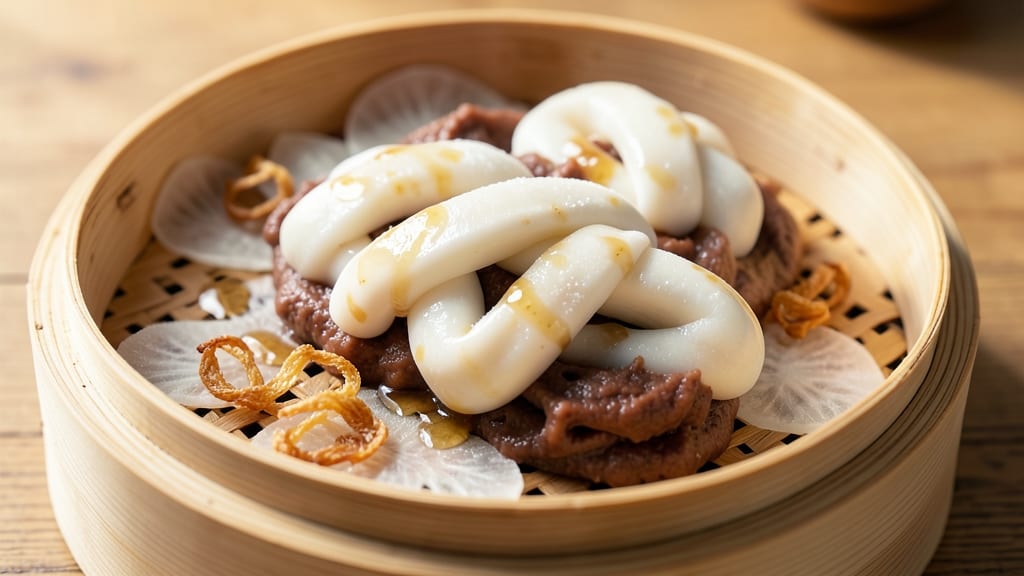
This bean curd knots recipe transforms simple tofu into delicate, silky dumplings with a nutty depth that feels like a hug in every bite. 💛 The secret lies in the silken tofu base, which absorbs sweet fillings like red bean or lotus paste while maintaining its signature tender texture.
I've perfected this traditional Japanese technique to ensure each knot steams to perfect softness without losing its shape.
What sets these dumplings apart is their versatility—traditional red bean filling or modern twists like matcha and coconut create endless possibilities. The steaming process infuses them with delicate aroma, while the nutty tofu provides a satisfying chew.
This recipe is not just vegan-friendly but also effortlessly elegant for gatherings or quiet weeknight meals.
By the time you're done, you'll have a batch of golden-brown knots with silky interiors and subtle nutty undertones. The contrast between the soft tofu and sweet filling makes each bite irresistible.
Whether you serve them warm with a sprinkle of sesame seeds or pack them for lunch, these dumplings deliver restaurant-quality results at home.
Ready to master the art of bean curd knots? Let's begin with the foundational tofu mixture—the heart of these delicate dumplings.
Ingredients for bean curd knots
Silken tofu, rice flour, and sweet fillings create delicate dumplings with nutty depth and silky texture.
| Ingredient | Amount | Notes |
|---|---|---|
| Silken Tofu 🧀 | 14 oz | Extra-firm, unsweetened, block or package |
| Red Bean Paste 🍫 | 1 cup | Sweetened, store-bought or homemade |
| Lotus Root Paste 🌿 | ½ cup | Substitute for red bean if preferred |
| Rice Flour 🌾 | ½ cup | For wrapping, sifted fine |
| Tapioca Starch 🌾 | ¼ cup | For binding, essential for texture |
| Water 💧 | 1 ½ cups | Room temperature, filtered preferred |
| Sesame Oil 🫒 | 1 tbsp | Toasted, for aroma and richness |
| Soy Sauce 🍶 | 1 tbsp | Light or regular, for seasoning |
| Sesame Seeds 🌱 | 1 tbsp | Toasted, for garnish and crunch |
| White Sesame Seeds 🌱 | 1 tbsp | For contrasting texture and flavor |
| Bamboo Steamer 🌿 | 1 whole | Or heatproof bowl with lid |
| Steaming Basket 🍜 | 1 whole | Fits bamboo steamer or pot |
| Matcha Powder 🍵 | 1 tsp | Optional, for modern variation |
| Coconut Flakes 🥥 | ¼ cup | Optional, for tropical twist |
| Agave Nectar 🍯 | 1 tbsp | For sweetening fillings |
Silken tofu is the star here—extra-firm and unsweetened is non-negotiable. Nasoya or House Foods brands deliver consistent quality, but any reputable Asian grocery will have reliable options. Look for blocks with minimal water content; packages labeled 'silken' or 'soft' are ideal. The red bean paste should be sweetened and thick—Mitsukan or Koyo are trusted brands, but homemade versions with mashed adzuki beans work beautifully too. For a modern twist, swap half the red bean for lotus root paste or add 1 tsp matcha powder to the filling for an earthy note.
No rice flour? Glutinous rice flour works at a 1:1 ratio, though texture may vary slightly. Tapioca starch is crucial for that signature chewy bite—Bob's Red Mill or Arrowhead Mills are reliable sources. Sesame oil adds depth, but if you're avoiding it, toasted sesame seeds infused in neutral oil (heat 1 tbsp seeds in 2 tbsp oil for 2 minutes) works as a substitute. For the filling, agave nectar or maple syrup can replace any sweetener, but adjust to taste. The bamboo steamer is traditional, but any heatproof bowl with a lid will work—just ensure steam circulates evenly.
Prep the filling ahead and store it in an airtight container for up to 3 days in the fridge. The tofu mixture keeps for 2 days if refrigerated, but work with it fresh for best texture. Steamed knots reheat beautifully—drop them in a steamer for 3-4 minutes to restore their silky warmth. For meal prep, portion into single-serving containers with a sprinkle of sesame seeds to maintain freshness. These dumplings freeze well too—steam first, then freeze on a tray before transferring to a bag for up to 3 months
Why You'll Love This Recipe
- No-Fuss Dough: I swear, the rice flour and tapioca starch mix is that easy—just blend, roll, and shape. No yeast, no waiting, no stress. Even my toddler could handle the dough (though I’d supervise the boiling part).
- Sweet-Meets-Creamy Magic: That red bean paste? It’s like dessert in every bite—rich, velvety, and just sweet enough. The lotus root paste adds a floral twist that makes it feel special, not just another snack.
- Lunchbox Hero: Between us, these are my kids’ favorite school lunch. They reheat perfectly (or eat cold—no judgment) and pack a punch of energy. Bonus: I make a big batch on Sundays and stress less all week.
- Budget Stretch: Silken tofu and dried bean pastes last forever, and a single batch feeds four for days. Honestly, it’s my go-to when grocery money’s tight but I still want something that feels like a treat.
Step-by-step instructions for bean curd knots
Master these precise techniques for perfectly silky tofu knots with nutty depth and delicate texture.
👨🍳 Step 1: Prepare the Filling Mixture
In a medium bowl, combine the 1 cup red bean paste and 0.5 cup lotus root paste using a silicone spatula. The red bean paste should be smooth and well-sweetened. If using matcha powder, sift it over the mixture and fold in gently - this adds earthy complexity without overpowering. Add the 1 tbsp agave nectar and mix until fully incorporated. The filling should be thick but still spreadable.
For the tropical variation, fold in the 0.25 cup coconut flakes at this stage. I like to lightly toast them first in a dry pan for 30 seconds until fragrant - this enhances their natural sweetness. Set the filling aside while you prepare the tofu wrapper.
🥘 Step 2: Create the Tofu Wrapping Dough
In a separate bowl, whisk together the 0.5 cup rice flour and 0.25 cup tapioca starch until completely combined. Gradually add the 1.5 cups water while whisking continuously to create a smooth, lump-free batter. The consistency should be like thin pancake batter - slightly thicker than cream but still pourable.
Add the 1 tbsp sesame oil and 1 tbsp soy sauce to the batter and mix well. The sesame oil adds nutty aroma while the soy sauce provides subtle umami depth. For the tofu base, crumble the 14 oz silken tofu into small, pea-sized pieces using your clean hands. Gently fold these tofu pieces into the batter until evenly distributed throughout.
🔪 Step 3: Shape the Bean Curd Knots
Wet your hands with water and rub them lightly with a bit of rice flour to prevent sticking. Using a small ice cream scoop or tablespoon, portion out 1-tablespoon amounts of the tofu batter. Roll each portion between your palms to form smooth, round balls about 1.5 inches in diameter. The surface should be completely sealed with no cracks.
Create a small indentation in the center of each ball using your thumb, then fill it with about 1 teaspoon of the prepared filling. Gently press the edges together to seal completely, forming a knot shape. Place each finished knot on a parchment-lined plate and cover with a damp towel to prevent drying while you shape the remaining ones.
🔥 Step 4: Steam to Silky Perfection
Prepare your steaming setup by filling the bamboo steamer with 2 inches of boiling water. Place the steaming basket inside and bring the water to a rolling boil. Arrange the bean curd knots in a single layer in the steaming basket, leaving about 1 inch between each knot for even steam circulation.
Cover with the lid and steam over medium-high heat for 12-15 minutes. You'll know they're perfectly cooked when the knots develop a slight golden hue on the surface and the tofu wrapper becomes translucent with a delicate sheen. The filling should be warm throughout but still hold its shape when pierced with a chopstick.
🍽️ Step 5: Finish and Serve
Remove the steamed knots from the basket and transfer them to a serving plate. Immediately sprinkle with the 1 tbsp toasted sesame seeds and 1 tbsp white sesame seeds for contrasting textures and nutty aroma. The seeds should cling to the slightly sticky surface of the knots, adding both visual appeal and crunch.
Serve warm while the tofu maintains its silky texture. Each knot should reveal a creamy red bean center when bitten into, with the nutty depth from the lotus root and subtle sweetness from the agave. For best results, serve within 30 minutes of steaming while the texture remains at its peak.
Pro Tips For Making Bean Curd Knots
- Blend Silken Tofu Cold: I learned this the hard way—warm tofu releases too much liquid and turns your dough into glue. Use a food processor with the tofu straight from the fridge, and pulse just until smooth. No need to overwork it; you’re not making dumpling wrappers here.
- Mix Pastes Last: Red bean and lotus root pastes are dense, and adding them early can make the dough heavy and sticky. Wait until you’ve combined the rice flour, tapioca starch, and silken tofu base, then fold in the pastes gently with a spatula. Less mixing = fewer lumps.
- Steam on Medium Heat: High heat = rubbery knots. Medium heat (about 70% power) ensures even steaming without scorching the bottom. If your lid fogs up, that’s good—just wipe it down every 5 minutes so the steam circulates properly. Patience here keeps them tender.
- Roll Dough Thinly: Thick dough hides the filling and takes forever to cook. Aim for ¼-inch thickness when rolling—press firmly but don’t crush it. Use a rolling pin with guides if you’re nervous; consistency matters more than perfection. (Yes, even if you’re impatient like me.)
Pro cooking tips for this recipe
Tofu Texture Secrets
Use extra-firm silken tofu for the best texture—brands like Nasoya or House Foods work perfectly. Drain the tofu completely and crumble it by hand into pea-sized pieces before mixing with the batter. This creates tiny pockets that absorb the filling beautifully while maintaining that signature silky bite. 🧀
For an extra-nutty flavor, lightly toast ½ cup of the sesame seeds in a dry pan for 1 minute before adding them to the final garnish.
This enhances their aroma and gives your knots that professional restaurant finish. I like to do this right before serving so the seeds stay fresh.
Filling Consistency
The filling should be thick but spreadable—like peanut butter consistency. If your red bean paste is too dry, add ½ teaspoon of warm water at a time until it reaches the right texture.
For tropical variations, toast ¼ cup coconut flakes for 30 seconds in a dry pan first—they develop deeper flavor and won't clump in the filling. 🥥
When mixing fillings with matcha powder, sift it first to avoid clumps. Fold it in gently with a silicone spatula to maintain an even distribution. Overmixing can make the filling too dense, which affects the knots' texture after steaming.
Steaming Mastery
Use medium-high heat for steaming to create gentle, even heat circulation. The water should simmer steadily but not boil vigorously—this prevents the knots from becoming rubbery. I like to place a damp paper towel in the steamer basket before adding the knots to maintain moisture. 🔥
Steam time varies slightly: 12-15 minutes for standard knots, but 18-20 minutes if using coconut flakes (they need extra time to soften). Test doneness by piercing with a chopstick—the filling should be warm through, and the tofu wrapper should be translucent but still hold its shape.
Shaping Tips
Keep your hands lightly damp when shaping to prevent sticking. Use a small ice cream scoop for consistent portions—about 1 tablespoon of batter per knot. Roll the balls between your palms until completely smooth, then press the filling into the center with your thumb. 🍴
For a cleaner finish, use a damp pastry brush to seal any small cracks in the tofu wrapper before steaming. This prevents filling from leaking during cooking and ensures a professional presentation.
Nutrition facts
Frequently asked questions about bean curd knots
What's the difference between bean curd knots and traditional dumplings?
Bean curd knots use silken tofu as the wrapper instead of wheat-based dough, making them naturally vegan and gluten-free. The filling is encased in a delicate tofu shell that steams to silky perfection, while traditional dumplings have a firmer, chewier texture from their wheat wrappers.
Can I make these knots ahead of time?
Yes! Shape the knots and refrigerate them uncovered for 30 minutes to firm up, then store in an airtight container for up to 2 days. Steam directly from cold when ready to serve. For longer storage, freeze shaped knots on a tray, then transfer to a bag for up to 3 months—thaw overnight before steaming.
Why did my knots fall apart during steaming?
This usually happens when the tofu batter is too wet or the filling is too loose. Ensure your rice flour mixture is smooth and the filling is thick but spreadable. Also, make sure your hands are lightly floured when shaping—this creates a better seal. If the knots still break, try reducing water by 1 tablespoon in the batter next time.
What are some creative filling variations?
Beyond red bean, try black sesame paste with white sesame seeds, or mochi powder mixed with coconut milk for a tropical twist. For savory options, blend mushroom powder with soy sauce and a pinch of chili flakes. The key is keeping fillings thick enough to hold their shape during steaming.
How do I know when they're perfectly cooked?
The knots are done when they develop a slight golden hue and the tofu wrapper becomes translucent with a delicate sheen. Pierce one with a chopstick—the filling should be warm through but still hold its shape. Oversteaming can make them rubbery, so err on the shorter side if unsure.