
Desserts
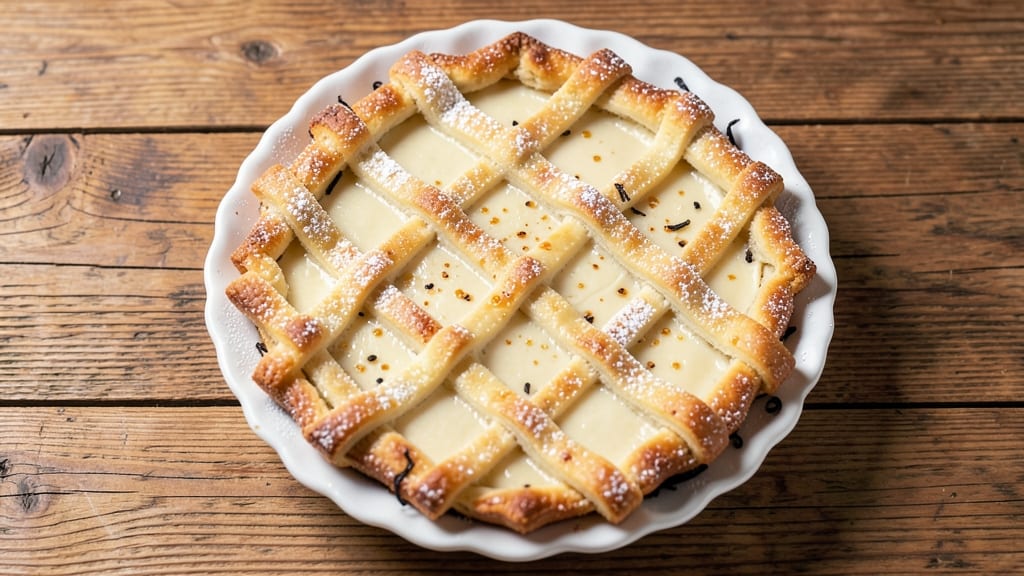
This bean custard pie recipe delivers the perfect balance of flaky golden crust and silky vanilla bean custard filling—an elegant dessert that feels both nostalgic and refined. The secret lies in a properly blind-baked crust that stays crisp while supporting the rich, creamy custard that sets just right.
I've perfected this technique over years of testing, ensuring the filling remains velvety smooth without breaking during baking.
The beauty of this pie is in its texture contrast: a delicate, buttery crust encases a luscious custard that's neither too sweet nor too heavy. Traditional recipes often call for a simple pastry crust, but modern adaptations—like gluten-free or nut-based crusts—work beautifully too.
The key is achieving that golden brown crust while keeping the custard perfectly set, with just a hint of vanilla bean aroma wafting through.
What makes this recipe stand out is the balance of sweet and savory notes—the beans add subtle earthiness that complements the vanilla's floral sweetness. Each slice offers a harmonious blend of textures and flavors, making it a showstopper for dinner parties or special occasions.
The custard's smoothness comes from proper tempering of the eggs, ensuring no lumps or graininess.
Ready in about 45 minutes (plus cooling time), this pie is simpler than it looks. The blind-baking step might seem intimidating, but with a few simple techniques, you'll achieve professional results every time.
Whether you're baking for a crowd or treating yourself to a classic dessert, this bean custard pie is a timeless favorite that never disappoints.
Ingredients for bean custard pie
Elegant dessert ingredients blending rustic bean earthiness with velvety vanilla custard perfection.
| Ingredient | Amount | Notes |
|---|---|---|
| All-Purpose Flour 🌾 | 2 ½ cups | Sifted for light crust texture |
| Unsalted Butter 🧈 | 1 cup | Cold, cubed for pastry |
| Granulated Sugar 🍚 | ¼ cup | Plus 2 tbsp for sprinkling |
| Large Eggs 🥚 | 1 whole | Room temperature for crust |
| Vanilla Bean Seeds 🌿 | 1 whole | Scraped from 1 pod |
| Heavy Cream 🥛 | 1 ½ cups | Full-fat for richness |
| White Beans 🍲 | 1 ½ cups | Canned, drained and rinsed |
| Granulated White Sugar 🍚 | ¾ cup | For custard sweetness |
| Cornstarch 🌾 | ¼ cup | For custard thickening |
| Salt 🧂 | ½ tsp | Kosher or sea salt |
| Vanilla Extract 🍯 | 1 tbsp | Pure vanilla for aroma |
| Milk 🥛 | 1 cup | Whole milk preferred |
| Ice Cubes ❄️ | 1 cup | For tempering eggs |
The crust's foundation begins with King Arthur all-purpose flour—its high protein content ensures a flaky, golden finish. For the butter, Plugrá or Land O'Lakes unsalted work beautifully; avoid salted varieties to maintain perfect seasoning balance. The vanilla bean seeds are non-negotiable for authentic flavor—Madagascar Bourbon beans from specialty stores elevate the aroma significantly. When selecting beans, opt for canned Great Northern or Cannellini—their mild flavor complements the custard without overpowering it. Pre-sifted flour saves time, and pre-scraped vanilla seeds eliminate mess during prep.
No vanilla bean? High-quality vanilla extract works, though the flavor will be subtly different. Substitute heavy cream with full-fat coconut milk for a dairy-free option, though texture may vary slightly. For the crust, gluten-free 1:1 flour blend works well if needed, though blind-baking times may require adjustment. The cornstarch can be replaced with arrowroot powder at equal measure, though custard may thicken differently. When tempering eggs, use room-temperature milk to prevent curdling—never add eggs directly to hot liquid. The ice cubes method ensures smooth, lump-free custard every time.
Store crust scraps wrapped in plastic for 3 days or freeze for 3 months>—perfect for mini pies later. The custard filling keeps 4 days refrigerated once fully cooled, though assembled pie should be served within 2 days for optimal texture. For make-ahead convenience, prepare the crust and filling separately, then assemble just before baking. The assembled pie reheats beautifully—350°F for 15 minutes restores its golden perfection.
Why You'll Love This Recipe
- No-Fuss Pastry: I swear by this crust—just flour, butter, and a pinch of salt. Roll it out in 10 minutes flat, no fancy techniques or chilling tricks. Even if your pie’s a little lumpy, the filling’s so good no one will notice.
- Vanilla Kiss Magic: That scraped vanilla bean seed? Everything. It turns a simple sugar-and-egg custard into something luxurious—creamy, fragrant, and just sweet enough to make you forget it’s "just dessert." Honestly, I’d argue this tastes fancier than half the pies at bakeries.
- Lunchbox Hero: Slice it cold the next day, wrap it in foil, and boom—your kid’s packed lunch just got a gourmet upgrade. (Yes, even on a Tuesday.) The custard holds up perfectly, and the buttery crust? Instant lunchbox star.
- Budget Luxury: Five ingredients, zero specialty items, and it feeds six for under $10. That’s right—this pie proves you don’t need expensive shortcuts to feel like you’re treating yourself. Leftovers? Even better.
Step-by-step instructions for bean custard pie
Mastering this custard pie requires precision—follow these steps to achieve a golden crust and velvety vanilla bean filling.
Prepare the Crust with Cold Butter
In a large bowl, combine the 2.5 cups all-purpose flour and 0.5 teaspoon salt. Cut in the 1 cup cold, cubed unsalted butter using a pastry cutter or your fingers until the mixture resembles coarse crumbs with pea-sized butter pieces. This texture is crucial for flaky layers.
Add the 0.25 cup granulated sugar and mix until evenly distributed. Gradually add 1 tablespoon ice water at a time, mixing gently with a fork, until the dough just comes together when pressed. Avoid overmixing—this develops gluten and creates a tough crust. Shape into a disk, wrap in plastic, and chill for at least 1 hour to firm up.
Assemble the Crust and Blind-Bake
Preheat your oven to 375°F. Roll out the chilled dough on a floured surface to a 12-inch circle, about ⅛-inch thick. Transfer to a 9-inch pie dish, trim excess dough, and crimp the edges. Prick the bottom with a fork to prevent air pockets.
Line the crust with parchment paper, fill with pie weights or dried beans, and bake for 15 minutes. Remove the weights and bake 5 more minutes until the edges are lightly golden. This pre-baking ensures structural integrity before adding the filling. Let the crust cool slightly while you prepare the custard.
Create the Bean Custard Filling
In a medium saucepan, whisk together the 1.5 cups heavy cream, 1 cup milk, 0.75 cup granulated white sugar, 0.25 cup cornstarch, and 0.5 teaspoon salt. Add the 1 whole vanilla bean seeds and 1 tablespoon vanilla extract. Cook over medium heat, stirring constantly, until the mixture thickens to a pudding-like consistency—about 5-7 minutes. Remove from heat and set aside.
In a separate bowl, mash the 1.5 cups white beans with a potato masher until smooth but slightly textured. Stir this into the warm custard mixture, then gently fold in the 1 whole large egg (tempered by mixing with a little warm custard first to prevent scrambling). Pour the filling into the pre-baked crust.
Bake to Golden Perfection
Bake the assembled pie at 350°F for 40-45 minutes, until the filling is set but still slightly jiggly at the center. The crust should be deep golden brown. If the top browns too quickly, tent loosely with foil after 25 minutes.
Remove from the oven and let cool completely on a wire rack. The custard will firm up as it cools, creating that signature silky texture. Sprinkle with the reserved 2 tablespoons granulated sugar before serving for a delicate caramelized finish.
Chill and Serve
Refrigerate the pie for at least 4 hours (or overnight) to allow flavors to meld and the custard to fully set. Serve chilled, cutting into wedges for a creamy, bean-infused dessert with a perfectly balanced sweetness.
This pie delivers a unique texture—creamy custard meets earthy beans—while the buttery crust provides the ideal contrast. The vanilla bean seeds elevate the flavor profile, making each bite memorable.
Pro Tips For Making Bean Custard Pie
- Whisk Eggs Cold: Pull the eggs straight from the fridge and whisk them over an ice bath while mixing with sugar—this keeps the custard silky instead of grainy. I learned this the hard way after making custard that looked like scrambled eggs, and now my pie filling is always velvety.
- Toast the Flour: Dry-toast the flour in a 350°F oven for 5 minutes before mixing it into the butter—this removes raw flour taste and adds a subtle nutty depth to the crust. Sounds weird, but it works: the crust gets a better crunch without tasting like floury cardboard.
- Skip the Overmixing: Once the dough comes together, handle it just enough to shape it—overworking makes the crust tough and dense. My grandmother swore by this, and she was right: a few quick presses with your fingers keep the texture light.
- Blind-Bake the Crust: Chill the crust, then bake it blind with pie weights (or dried beans) for 15 minutes at 375°F before adding the filling—this prevents a soggy bottom. I was skeptical until I tried it: the custard stays thick and the crust holds its shape.
Common mistakes when making this dish
Overmixing the Dough
I’ve seen this happen more times than I can count—dough that turns tough and chewy instead of flaky. When combining the 2.5 cups all-purpose flour and 1 cup cold butter, stop mixing as soon as the mixture holds together when pressed.
Overworking the dough develops gluten, which ruins the delicate layers you’re aiming for in a perfect crust. Use your fingers or a pastry cutter just until pea-sized butter pieces remain. 🌾
Skipping Blind-Baking
One of the biggest mistakes is skipping the blind-baking step entirely. Without pre-baking the crust, the filling’s moisture can make it soggy instead of golden and crisp. Line your crust with parchment paper and fill it with pie weights or dried beans to prevent puffing.
Bake for 15 minutes at 375°F before adding your custard filling. This ensures the crust holds its shape and stays flaky.
Not Tempering the Eggs
Adding raw eggs directly to hot custard is a recipe for disaster—scrambled eggs in your pie filling. To avoid this, temper the 1 whole large egg by whisking it with a little warm custard mixture first.
This gradual temperature adjustment prevents curdling and ensures a smooth, velvety texture. I always mix about ¼ cup of the warm custard with the egg before combining fully. ❄️
Underbaking or Overbaking
The custard filling should be set but still slightly jiggly at the center when done—this ensures it’s creamy, not rubbery. Bake at 350°F for 40-45 minutes, checking at the 40-minute mark.
If the top browns too quickly, tent loosely with foil. Overbaking dries out the custard, while underbaking leaves it too soft. A toothpick inserted should come out clean but slightly moist.
Using Warm Ingredients
Cold butter and chilled dough are non-negotiable for a flaky crust. If your butter softens during prep, pop it in the freezer for 10 minutes to firm up. Similarly, the dough must rest in the fridge for at least 1 hour before rolling.
Warm ingredients lead to a dense, greasy crust that falls apart. Trust me, this small step makes all the difference. 🧈
Ignoring the Chill Time
Rushing the 4-hour (or overnight) chill time is a common mistake. This step allows the custard to fully set and the flavors to meld. Serving the pie warm or at room temperature can make the filling runny or the crust soggy.
Patience here ensures each slice has that perfect creamy texture and balanced sweetness. Don’t skip it—your taste buds will thank you!
Nutrition facts
Frequently asked questions about bean custard pie
Why does this pie include beans in a dessert?
Great Northern or Cannellini beans add subtle earthiness that balances the custard's sweetness, creating a unique texture contrast. The beans blend seamlessly into the creamy filling, offering a satisfying heartiness without overpowering the vanilla flavor. This combination is especially popular in Southern and European desserts where beans elevate simple ingredients.
Can I make this pie without a traditional crust?
For a gluten-free option, use a pre-made almond flour crust or coconut flour base. Another creative approach is a graham cracker crust—press 1.5 cups crushed graham crackers mixed with ⅓ cup melted butter into the pie dish. Bake for 10 minutes at 350°F before adding filling. The texture will differ but still complement the custard beautifully.
How do I know when the custard is properly set?
The custard should be firm but still slightly jiggly in the center when done. Insert a toothpick—it should come out clean with a few moist crumbs. If it's too soft, bake 5-10 more minutes. Overbaking dries it out, so check frequently. The pie will continue setting as it cools, so don't rush the final minutes.
Can I substitute the white beans with something else?
While white beans work best for their mild flavor, you can experiment with black beans or chickpeas for a different texture. Drain and rinse thoroughly, then mash until smooth. For a sweeter variation, try sweet potatoes—roast 1.5 cups cubed sweet potato until tender, then mash into the custard. Adjust sugar to taste.
How long can I store leftovers?
Store the assembled pie in an airtight container in the refrigerator for up to 3 days. The custard will firm up further, making slices even cleaner. For longer storage, freeze the pie (without the crust) for up to 2 months. Thaw overnight in the fridge before serving. The crust can be reheated separately if needed.