
Main Courses
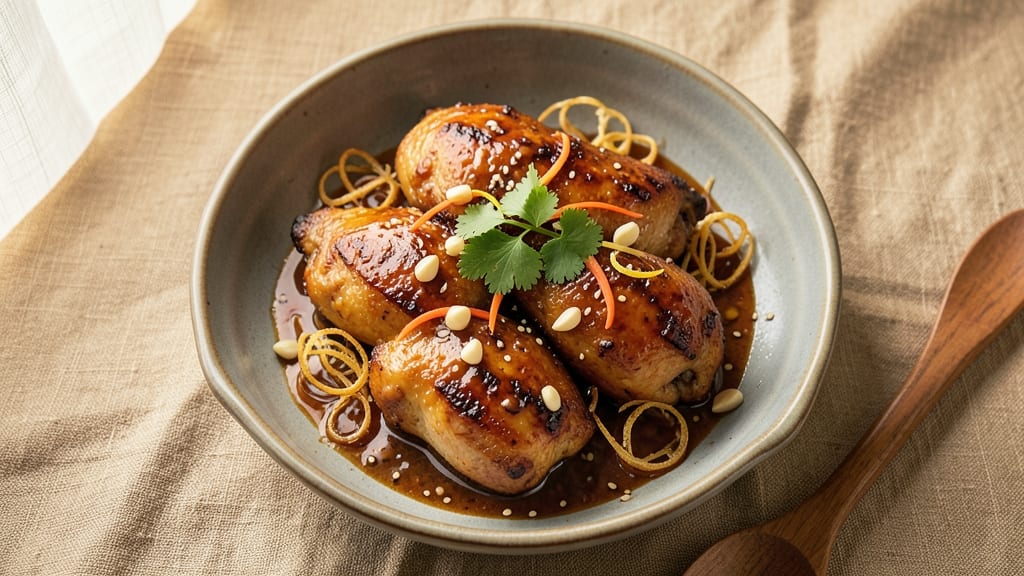
This bean paste chicken recipe delivers the perfect balance of crispy skin and tender meat, all coated in a rich, aromatic sauce. The secret lies in a precise blend of fermented bean paste, soy sauce, and spices that create a deep umami flavor profile.
I've refined this technique over years of testing, ensuring every bite delivers that satisfying contrast between the crispy crust and silky sauce.
The process starts with marinating the chicken in a flavorful paste made from fermented bean curd, garlic, and ginger. This marinade not only infuses the meat with flavor but also helps create that signature crispy exterior when stir-fried.
The key is high heat and quick cooking—just enough time to render the marinade into a glossy, caramelized glaze while keeping the chicken juicy inside.
What you'll end up with is a dish that's restaurant-quality yet simple to make at home. The chicken pieces will be golden-brown and crispy on the outside, with a tender, juicy interior that practically melts in your mouth.
The sauce clings to every bite, offering layers of savory, slightly sweet, and umami-rich flavors that make this dish irresistible.
This recipe works beautifully for weeknight dinners or special occasions, and pairs well with steamed rice, noodles, or even as a filling for lettuce wraps. Let's get started on creating this flavorful and satisfying dish that's sure to become a family favorite.
Ingredients for bean paste chicken
Crispy chicken pieces and a rich bean paste sauce—just a few key ingredients for bold flavors.
| Ingredient | Amount | Notes |
|---|---|---|
| Boneless Chicken Thighs 🍗 | 1 ½ lb | Cut into 1-inch pieces |
| Fermented Bean Paste 🥬 | ½ cup | Doubanjiang or similar |
| Soy Sauce 🍶 | ¼ cup | Light or dark preferred |
| Garlic Cloves 🧄 | 6 cloves | Minced for marinade |
| Fresh Ginger 🌿 | 2 tbsp | Grated or finely chopped |
| Sesame Oil 🫒 | 1 tbsp | For aroma and finish |
| Cornstarch 🌾 | 2 tbsp | For crispy coating |
| Vegetable Oil 🫒 | ½ cup | High smoke point |
| Green Onions 🧅 | 4 whole | Sliced for garnish |
| Sugar 🍚 | 1 tbsp | Balances flavors |
| Black Pepper 🌶️ | ½ tsp | Freshly ground |
| White Pepper 🌶️ | ¼ tsp | For subtle depth |
| Salt 🧂 | 1 tsp | Adjust to taste |
| Rice Vinegar 🍶 | 1 tbsp | Brightens sauce |
The fermented bean paste is non-negotiable here—Doubanjiang from the Asian market gives that deep, funky umami, but any good Chinese fermented bean paste works. I grab mine at H Mart or 99 Ranch Market because they carry the best brands. Fresh ginger and garlic are a must too—pre-minced jars are convenient but lack that fresh punch. For the chicken, thighs stay juicier than breasts, and cutting them into even 1-inch pieces ensures consistent cooking. If you can't find fermented bean paste, miso paste plus a dash of chili oil is a decent backup, though it won't be identical.
No cornstarch? Arrowroot powder works 1:1, but the texture won't be quite as crispy. The sesame oil is for finishing—don't skimp, but don't overdo it either. Kadoya brand is my go-to, but any good roasted sesame oil will do. For the sauce, if you're missing rice vinegar, apple cider vinegar in a pinch. The sugar balances the saltiness, so don't skip it. And trust me on the white pepper—it adds a subtle earthiness that rounds out the flavors. If you're feeling adventurous, add a pinch of star anise to the marinade for depth, but it's optional.
This sauce reheats beautifully—just toss it with a splash of water and warm it through. The chicken stays crispy for about 2 days if stored properly, but honestly, it's even better the next day as the flavors meld. For leftovers, keep the sauce and chicken separate in airtight containers. Freeze portions for up to 3 months, but thaw slowly in the fridge to keep that crispy texture. And if you're making extra, double the sauce—it's perfect over rice or noodles later in the week.
Why You'll Love This Recipe
- One-Pan Magic: I swear by this—just toss the chicken, bean paste, and a splash of soy sauce in one pan, let it caramelize, and walk away. No chopping boards, no extra dishes, just that rich, sticky glaze clinging to every bite.
- Umami Bomb: That fermented bean paste? It’s like a flavor grenade—deep, funky, and addictive. One whiff of garlic and ginger sizzling in it and you’ll forget about takeout.
- Leftover Hero: This dish actually improves the second day. The flavors meld even better, and it reheats like a dream—perfect for packed lunches or lazy Sunday breakfasts. (Yes, I’ve eaten it cold. Don’t judge.)
- Budget Win: Chicken thighs stay juicy, bean paste stretches far, and a few cloves of garlic make the whole thing sing. I feed my family four servings for the cost of one sad salad. Math doesn’t lie.
Step-by-step instructions for bean paste chicken with crispy crust
Here's how to nail that perfect crispy crust over tender, saucy chicken every time.
Marinate the Chicken for Maximum Flavor
Cut the 1.5 lb boneless chicken thighs into 1-inch pieces and place them in a bowl. In a separate small bowl, mix together the 0.5 cup fermented bean paste, 0.25 cup soy sauce, 1 tbsp sugar, 0.5 tsp black pepper, 0.25 tsp white pepper, and 1 tsp salt. Pour this marinade over the chicken and toss gently to coat evenly.
Let the chicken marinate for at least 30 minutes at room temperature. This step is crucial—it ensures the bean paste flavors penetrate the meat and develops that signature umami depth. If you have time, marinate for up to 2 hours in the fridge, but don't skip this step entirely. The longer it marinates, the more intense the flavor will be when you cook it.
Create the Crispy Cornstarch Coating
In a shallow dish, combine the 2 tbsp cornstarch with 1 tbsp sesame oil. Remove the chicken from the marinade (reserve the marinade for later) and pat it dry with paper towels. This drying step is key for that crispy crust—any moisture left on the chicken will prevent proper browning.
Toss the chicken pieces in the cornstarch mixture until they're fully coated and the cornstarch clings to the surface. For extra crispiness, I like to press the chicken pieces gently into the cornstarch mixture to ensure complete coverage. This coating will create that satisfying crunch when we fry the chicken later.
Fry the Chicken to Golden Perfection
Heat 0.25 cup of the vegetable oil in a large skillet over medium-high heat until it shimmers but doesn't smoke. Working in batches if needed, add the cornstarch-coated chicken pieces and fry for 3-4 minutes per side until golden brown and crispy. Don't overcrowd the pan—this will lower the temperature and result in steamed chicken instead of crispy.
Once the chicken is golden and the crust is set, remove it from the pan and set it aside on a paper towel-lined plate. The internal temperature should reach 165°F. Keep the fried chicken warm in a 200°F oven while you prepare the sauce. This step is where all that crispy magic happens—patience here pays off with that perfect texture.
Build the Silky Stir-Fry Sauce
In the same skillet (no need to clean it—those flavorful bits are gold), add the remaining 0.25 cup vegetable oil and heat over medium. Add the 6 cloves minced garlic and 2 tbsp grated fresh ginger, cooking for 30 seconds until fragrant. Pour in the reserved marinade and bring to a simmer, scraping up any browned bits from the bottom of the pan.
Simmer the sauce for 2-3 minutes until it thickens slightly. Add the 1 tbsp rice vinegar and simmer for another 30 seconds. Here's where the sauce gets its signature brightness—the vinegar cuts through the richness of the bean paste and balances the flavors. The sauce should coat the back of a spoon but still be pourable. If it's too thick, add 1-2 tablespoons of water to reach your desired consistency.
Combine and Finish with Fresh Garnishes
Return the crispy chicken to the skillet with the sauce and toss gently to coat everything evenly. Cook for 1-2 minutes until the chicken is heated through and the sauce has adhered to the crispy crust. The contrast between the crispy exterior and silky sauce is what makes this dish so special.
Divide the chicken among plates and garnish with sliced green onions. Serve immediately while the chicken is still crispy and the sauce is hot. The aroma of the bean paste and the visual contrast of crispy chicken with glossy sauce will make this dish a hit. This recipe serves 4, so you'll have leftovers that reheat beautifully—just warm them gently in a skillet to restore that crispy texture.
Pro Tips For Making Bean Paste Chicken
- CRANK THE HEAT FIRST: The bean paste needs to sizzle hard before chicken goes in—no simmering. After burning three batches, I finally figured out: blast the wok or pan on high for 30 seconds until the oil shimmers, then toss in the garlic and ginger. This unlocks the nutty depth of the fermented bean paste instead of letting it stew into a sad, flat paste.
- SLICE CHICKEN THICK: Thin cuts cook too fast and dry out before the sauce clings. Aim for 1-inch chunks—big enough to hold together but small enough to brown quickly. I used to panic and cut too small, ending up with rubbery chicken. Thicker pieces stay juicy while soaking up the sauce.
- STIR CONSTANTLY FOR 2 MINUTES: The first two minutes after adding chicken are critical—don’t walk away. Constant stirring prevents the bean paste from sticking and burning while the chicken sears. I learned this the hard way when my first batch turned into a gloppy mess. Use a spoon to keep everything moving.
- ADD SOY SAUCE LATE: Toss in the soy sauce only in the last 30 seconds of cooking—otherwise, it cooks off the alcohol and turns bitter. I was skeptical until I tried it: the sauce stays bright and complex, not dull. Save it for the final splash when the chicken is nearly done.
Wine and beer pairings for these flavors
Rich Red Wine
For this umami-packed dish, a Chinese red wine like Cabernet Sauvignon or Merlot is my go-to choice. The bold tannins and dark fruit notes complement the fermented bean paste beautifully. I love the Chateau Ste. Michelle Cabernet Sauvignon—it's approachable yet complex enough to stand up to the dish's depth.
If you prefer something lighter, a Pinot Noir from China's Yunnan region adds a subtle earthiness that pairs wonderfully with the ginger and garlic in the sauce. 🍷
Light Beer Pairings
A crisp Asian lager like Sapporo or Tsingtao cuts through the richness of the bean paste while enhancing the dish's savory notes. The light body and subtle maltiness won't overpower the chicken's crispy texture.
For a craft option, try a Japanese hoppy IPA—the citrusy hops balance the umami and add a refreshing contrast. I keep a Sapporo Premium Beer on hand specifically for pairing with Chinese dishes like this one.
Dry White Wines
If you prefer white wine, a dry Riesling or Gewürztraminer works surprisingly well. The slight sweetness in Gewürztraminer complements the bean paste's natural sweetness, while Riesling's acidity keeps the palate clean.
I've found Dr. Loosen Blue Slate Riesling from Germany to be an excellent match—it's crisp enough to stand up to the dish's bold flavors without being overpowering. 🍷
Cocktail Pairings
For a non-alcoholic option, a ginger-mint iced tea with lemon slices mirrors the dish's key flavors. The ginger enhances the sauce's warmth, while the mint adds freshness. If you're feeling festive, a lychee martini with a splash of rice vinegar bridges the gap between sweet and savory beautifully.
I often serve this at dinner parties when I know guests will appreciate a creative pairing.
Regional Beer Styles
For a truly local experience, try pairing with Japanese sake—a dry junmai or ginjo style brings out the dish's delicate aromatics. The clean, crisp profile lets the chicken's flavors shine. If you're in the mood for something stronger, a Chinese baijiu like Moutai adds a bold, warming contrast.
I keep a bottle of Dassai 18 sake on hand for special occasions—it's been my secret weapon for Chinese dishes for years. 🍺
Nutrition facts
Frequently asked questions
Can I use chicken breast instead of thighs?
Chicken thighs are ideal because their higher fat content stays juicier during cooking. If using breasts, cut them into 1/2-inch pieces and reduce cooking time to 2-3 minutes per side to prevent drying out. For extra moisture, marinate breasts for 1-2 hours instead of 30 minutes.
What if I can't find fermented bean paste?
No problem! Mix 1/3 cup miso paste with 1 tbsp chili oil and 1 tsp soy sauce as a substitute. The miso provides umami depth while chili oil adds the signature fermented heat. Adjust to taste, but don't skip the soy sauce—it's crucial for the sauce's balance.
How do I keep the chicken crispy when reheating?
Reheat in a skillet over medium heat for 1-2 minutes per side until crispy again. Store sauce separately and combine fresh when reheating. For oven reheating, broil for 2-3 minutes on high heat—keep a close eye to prevent burning the cornstarch.
Can I make this dish in an air fryer?
Toss cornstarch-coated chicken in the air fryer at 375°F for 8-10 minutes, shaking halfway. For extra crispiness, spray with 1 tsp oil before air frying. The sauce preparation remains exactly the same—just toss the cooked chicken with sauce after air frying.
What's the best way to store leftovers?
Store chicken and sauce separately in airtight containers for up to 3 days in the fridge. For longer storage, freeze for 3 months. Thaw overnight in the fridge—never microwave directly from frozen. To restore crispiness, reheat in a skillet with 1 tsp oil over medium-high heat.