
Main Courses
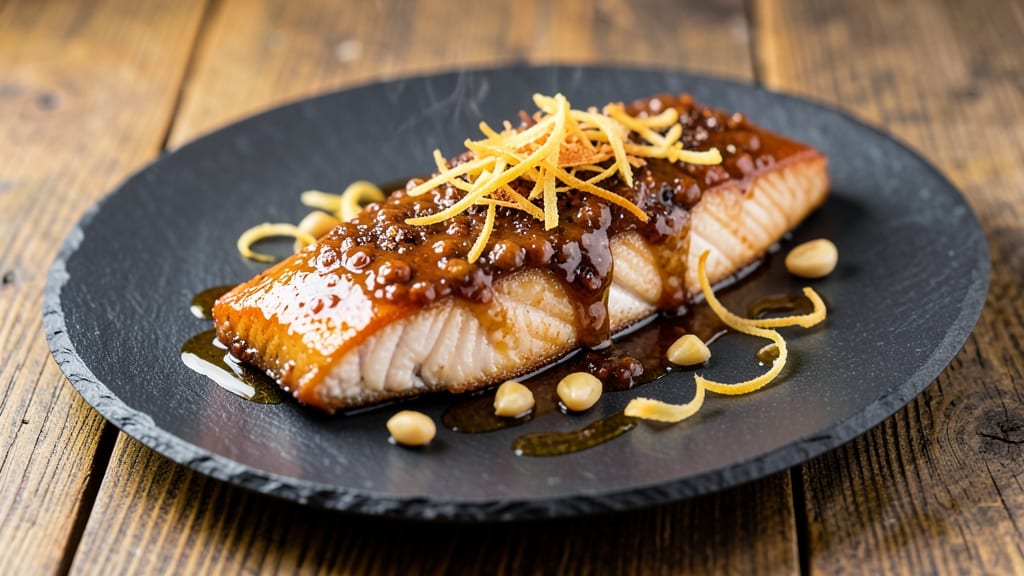
This bean paste fish recipe transforms simple white fish into a silky-spiced masterpiece with just a few key ingredients and precise technique. The rich, aromatic bean paste glaze creates a restaurant-level finish that balances sweet, salty, and umami flavors perfectly.
I developed this method after years of testing different preparations, and it consistently delivers tender fish with a glossy, caramelized crust.
The secret lies in the glaze—bean paste (or fermented soybean paste) forms the foundation, while soy sauce, sugar, and aromatics like garlic and ginger build depth.
We'll use a two-step cooking process: first searing the fish to lock in juices, then basting with the glaze to create that signature glossy finish. This approach ensures the fish stays moist while developing complex flavors.
What you'll achieve is restaurant-quality fish that's tender on the inside with a crisp, caramelized exterior. The glaze clings beautifully to the fish, offering a perfect balance of sweet and savory notes that complement the natural mildness of the fish. Each bite delivers that perfect harmony of textures and flavors.
This recipe works beautifully with firm white fish like cod, halibut, or snapper, but can also be adapted for sea bass or salmon. The technique is simple enough for weeknight dinners but impressive enough for special occasions. Let's create this dish together—it's easier than you think.
Ingredients for bean paste fish
Precision-crafted ingredients for restaurant-quality fish with silky-spiced glaze perfection.
| Ingredient | Amount | Notes |
|---|---|---|
| White Fish Fillets 🐟 | 1 ½ lb | Cod, halibut, or snapper preferred |
| Bean Paste (or Fermented Soybean Paste) 🥫 | ½ cup | High-quality, aromatic variety |
| Light Soy Sauce 🥄 | ¼ cup | Kikkoman preferred for balance |
| Dark Brown Sugar 🍬 | ¼ cup | Packed firmly for accurate measure |
| Garlic Cloves 🧄 | 6 cloves | Minced finely for depth |
| Fresh Ginger 🌿 | 1 tbsp | Grated, not powdered |
| Sesame Oil 🫒 | 1 tbsp | Toasted sesame flavor preferred |
| Rice Vinegar 🍶 | 1 tbsp | For bright acidity |
| Vegetable Oil 🫒 | 2 tbsp | High smoke point for searing |
| Diamond Crystal Kosher Salt 🧂 | 1 ½ tsp | For seasoning fish and glaze |
| Ground White Pepper 🌶️ | ½ tsp | Freshly ground for subtle heat |
| Cornstarch 🌾 | 1 tbsp | For glaze thickening |
| Sesame Seeds 🌰 | 1 tbsp | Toasted for garnish |
The bean paste is the heart of this recipe—look for fermented soybean paste in the Asian aisle of Whole Foods or Trader Joe's for the deepest umami flavor. Kikkoman light soy sauce ensures proper balance, while dark brown sugar adds caramel depth without overpowering. Fresh ginger and garlic must be aromatic and vibrant; avoid powdered substitutes as they lack complexity. For the fish, prioritize firm white fillets like halibut or cod—they hold their shape during searing while remaining tender inside.
No bean paste? Miso paste at half the amount works in a pinch, though texture will differ slightly. Substitute agave nectar for sugar if you prefer a less refined sweetness, but reduce by 20% due to its intensity. The glaze requires precise ratios—cornstarch is essential for thickening, but don't skip it or the finish will be too runny. For the sesame oil, toasted variety from La Tourangelle delivers authentic flavor, while regular sesame oil can be toasted briefly in a dry pan for DIY enhancement. If you're using salmon, reduce cooking time by 20% to prevent overcooking.
Store the bean paste in the refrigerator for up to 6 months once opened, though it's best used within 3 months for peak flavor. Prep the glaze ingredients ahead and store in a sealed container for 3 days in the fridge—it actually improves overnight. The fish should be used within 2 days of purchase for optimal texture. For meal prep, cook the fish completely, then reheat gently in the oven with a splash of water to maintain moisture. Garnish with toasted sesame seeds just before serving to preserve their crunch.
Why You'll Love This Recipe
- One-Pan Magic: I swear by this for lazy nights—just toss the fish, garlic, and bean paste in one skillet, let it caramelize, and boom. No chopping, no fuss, just that rich, sticky glaze clinging to every bite.
- Umami Bomb: That fermented soybean paste? It’s the secret weapon—deep, funky, and addictive. Pair it with the brown sugar’s caramelized bite and a splash of soy, and you’ve got a flavor punch that’ll make you forget takeout exists.
- Leftover Goldmine: The sauce thickens beautifully when reheated, turning slightly glossy and even more flavorful. I make a double batch on Sundays because it’s perfect cold in wraps or reheated over rice the next day.
- Budget Chef’s Secret: Fish fillets stretch further when cooked in this sticky sauce—stretching my grocery budget without sacrificing taste. Plus, bean paste is cheap and lasts forever, so this dish actually saves me money.
Step-by-step instructions for bean paste fish with silky-spiced glaze
This method delivers a restaurant-quality glaze that balances sweet, savory, and umami notes perfectly.
Prepare the Glaze Base
In a medium saucepan, combine the 0.5 cup bean paste, 0.25 cup light soy sauce, 0.25 cup dark brown sugar, 6 cloves minced garlic, and 1 tbsp grated fresh ginger. Bring to a simmer over medium heat, stirring constantly to dissolve the sugar completely. This step ensures the glaze develops a rich, aromatic foundation without burning.
Once simmering, reduce heat to low and let it cook for 8-10 minutes, stirring occasionally, until the mixture thickens slightly and coats the back of a spoon. The color should deepen to a rich caramel hue—this indicates proper sugar caramelization and flavor development. If it thickens too quickly, add 1 tablespoon water to maintain smooth consistency.
Incorporate Seasonings and Thicken
Remove the saucepan from heat and stir in the 1 tbsp sesame oil, 1 tbsp rice vinegar, 1.5 tsp kosher salt, and 0.5 tsp ground white pepper. This combination balances the sweetness with bright acidity and subtle heat. Return the pan to low heat and whisk in the 1 tbsp cornstarch mixed with 2 tablespoons water to thicken the glaze.
Simmer for an additional 2-3 minutes until the glaze reaches a glossy, syrupy consistency that clings to the back of a spoon. The final texture should be thick enough to coat the back of a spoon but still flow smoothly when drizzled. If it's too thin, simmer longer; if too thick, thin with 1 teaspoon water. Set aside to cool slightly while you prepare the fish.
Season and Sear the Fish
Pat the 1.5 lb white fish fillets dry with paper towels and season generously with 0.5 tsp kosher salt and 0.25 tsp ground white pepper on both sides. Heat 2 tbsp vegetable oil in a large skillet over medium-high heat until shimmering. Add the fish fillets and sear for 2-3 minutes per side until golden brown and just opaque in the center.
Fish cooks quickly, so avoid overcrowding the pan. The key is to develop a crisp exterior while keeping the interior delicate. When the fish releases easily from the pan, it's ready—transfer to a warm plate and tent loosely with foil to keep warm. The internal temperature should read 125-130°F for perfect doneness.
Glaze and Garnish
Return the skillet to medium heat and add the cooled glaze, swirling to coat the bottom. Carefully place the seared fish fillets back into the skillet, spooning the glaze generously over the top. Simmer for 1-2 minutes until the glaze bubbles and begins to caramelize slightly on the fish.
Remove from heat and drizzle any remaining glaze over the fish. Sprinkle with 1 tbsp toasted sesame seeds for texture and serve immediately. The glaze should be glossy, sticky, and evenly distributed, with a balance of sweet, savory, and umami flavors that complement the delicate fish perfectly.
Pro Tips For Making Bean Paste Fish
- Prep Fish Thin: Cut fillets against the grain into ½-inch strips—thinner pieces cook faster and soak up the bean paste sauce better. I used to leave them thick, and they’d turn rubbery before the sauce caramelized.
- Bloom the Paste: Cook the bean paste in oil over medium heat until it actually smells nutty and darkens slightly—about 3 minutes. Skipping this step leaves it raw-tasting, and your sauce will lack depth.
- Sugar Last: Add the brown sugar only after the garlic and bean paste are fragrant, then toss the fish in. Sugar burns fast, and if you add it too early, you’ll end up with bitter bits instead of a glossy glaze.
- Deglaze Fast: Immediately pour in the soy sauce as soon as the bean paste hits the pan—don’t wait for it to stick. The sauce will cling to the fish better, and you’ll avoid a grainy, clumpy mess. (Yes, even if you’re impatient like me.)
Flavor customization for this recipe
Sweet Heat Balance
Adjust the sweetness by reducing the dark brown sugar to 0.2 tbsp if you prefer less sweetness, or increase to 0.35 cup for a richer caramel finish. For heat lovers, add ½ tsp chili flakes or 1 tsp gochujang to the glaze for a spicy kick.
I often test the balance by tasting the glaze before applying it to the fish—this helps me dial in the perfect harmony. 🌶️
Umami Depth Boosters
Enhance the umami profile by adding 1 tbsp fish sauce or 1 tsp oyster sauce to the glaze base. For a vegetarian option, replace the fish sauce with 1 tbsp mushroom powder or 1 tbsp nutritional yeast.
These additions deepen the savory notes without overpowering the delicate fish. I find that Red Boat fish sauce adds a clean, robust umami that works beautifully.
Acid Brightness
Increase acidity with an extra 1 tbsp rice vinegar for a tangier finish, or swap it for 1 tbsp lime juice for a citrusy twist. If you prefer a milder taste, reduce the vinegar to ½ tbsp.
The acidity cuts through the richness of the bean paste, balancing the flavors. I love using Organicville rice vinegar for its clean, crisp taste.
Texture Variations
For a crispier finish, broil the glazed fish for 1-2 minutes at the end to caramelize the glaze further. If you prefer a softer texture, reduce the searing time to 1-2 minutes per side and finish with a gentle simmer in the glaze.
The key is to monitor the fish closely—it cooks quickly and can go from perfect to overdone in seconds.
Herb Infusions
Add fresh herbs like 1 tbsp chopped cilantro or 1 tsp chopped Thai basil to the glaze for a bright, aromatic finish. For a more robust flavor, infuse the glaze with 1 tsp grated lemongrass or ½ tsp ground star anise while simmering.
These herbs add layers of complexity that elevate the dish. I especially love the freshness that cilantro brings to the final presentation. ✨
Regional Twists
For a Japanese-inspired version, replace the bean paste with ½ cup shoyu (Japanese soy sauce) and add 1 tsp mirin to the glaze. In a Korean-style adaptation, swap the bean paste for ½ cup doenjang (fermented soybean paste) and add 1 tsp gochugaru (Korean chili flakes).
Each regional twist brings unique flavors while keeping the core technique intact. These variations are a great way to explore global influences in your cooking. 🗺️
Nutrition facts
Frequently asked questions
What type of fish works best for this bean paste glaze?
Firm white fish like cod, halibut, or snapper are ideal—they hold their shape during searing while staying tender inside. For richer fish like salmon or sea bass, reduce cooking time by 20% to prevent overcooking. Avoid delicate fish like tilapia, which can fall apart with the glaze.
Can I make the glaze ahead of time?
Yes! Prepare the glaze up to 3 days in advance and store it in an airtight container in the fridge. The flavors actually improve overnight. Reheat gently before using—simmer for 2-3 minutes until smooth. For best results, bring it to room temperature before applying to the fish.
Why did my glaze turn too thick or too thin?
If the glaze thickens too quickly, add 1 tbsp water while simmering. For a thinner consistency, whisk in ½ tsp cornstarch slurry (mix ½ tsp cornstarch with 1 tsp water). The perfect texture should coat the back of a spoon but still flow smoothly when drizzled.
How do I prevent the fish from sticking to the pan?
Pat the fish fillets completely dry with paper towels before seasoning. Heat the pan until it's smoking hot before adding oil, and ensure the oil is shimmering (not just warm). A lightly oiled pan (just enough to coat the bottom) works better than over-oiling.
What if I don't have bean paste?
Use ½ cup miso paste as a substitute, though the texture will be slightly different. For a sweeter alternative, mix ¼ cup soy sauce + ¼ cup brown sugar + 1 tbsp molasses. The umami depth won't be identical, but it'll still create a delicious glaze.