
Beverages
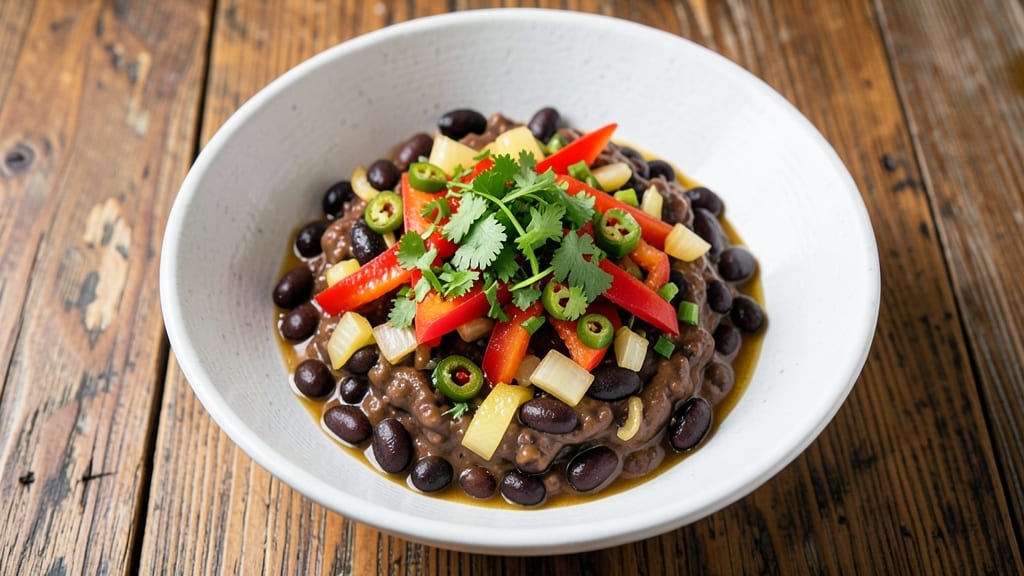
This bean salsa recipe with apple cider vinegar transforms humble ingredients into a vibrant, tangy condiment that adds depth to everything from tacos to sandwiches. The apple cider vinegar brightens the flavors while preserving freshness, creating a perfect balance of crunch and acidity.
What makes this recipe stand out is its versatility—it works as a dip, a topping, or even a sandwich spread, and it’s completely plant-based. The process is simple: blend canned beans, fresh vegetables, and herbs with the vinegar until smooth or chunky, depending on your preference.
The acidity from the vinegar not only enhances the flavor but also helps extend shelf life, making it a great make-ahead option. Store it in the fridge for up to a week or can it for longer storage, ensuring you always have a flavorful condiment on hand.
What you’ll end up with is a creamy yet textured salsa that’s tangy, slightly sweet, and packed with umami from the beans. The apple cider vinegar adds a subtle complexity that elevates the dish, making it far more dynamic than traditional salsas.
It’s the kind of condiment that turns simple meals into something special. Use it as a dip for chips, a topping for grilled meats, or a spread for veggie wraps—this bean salsa is a game-changer for any meal. Let’s get started!
Ingredients for bean salsa recipe with apple cider vinegar
This vibrant bean salsa blends tangy apple cider vinegar with fresh vegetables for a creamy, crunchy condiment.
| Ingredient | Amount | Notes |
|---|---|---|
| Black Beans 🌱 | 1 ½ cups | Canned, drained and rinsed |
| Red Bell Pepper 🌶️ | 1 whole | Deseeded and chopped |
| Yellow Onion 🧅 | 1 whole | Diced, medium size |
| Jalapeño Pepper 🌶️ | 1 whole | Seeded and chopped |
| Fresh Cilantro 🌿 | ½ cup | Chopped, stems removed |
| Apple Cider Vinegar 🍎 | ¼ cup | Raw and unfiltered |
| Lime Juice 🍋 | ¼ cup | Freshly squeezed |
| Extra-Virgin Olive Oil 🫒 | ¼ cup | For richness and texture |
| Garlic Cloves 🧄 | 4 cloves | Peeled and minced |
| Salt 🧂 | 1 tsp | Kosher or sea salt |
The black beans form the heart of this salsa, so choose canned beans without added salt—they’re a pantry staple but worth checking the label. For the bell pepper and onion, fresh from the produce section makes all the difference; their crispness carries through the blend. The jalapeño adds heat, but you can omit seeds entirely if you prefer mild flavor. Fresh cilantro is ideal, but if you’re using dried, reduce to one-third the amount—it’s potent stuff. Apple cider vinegar should be raw and unfiltered for that bright, complex tang. Trader Joe’s and Whole Foods often carry excellent options in their bulk section.
No fresh jalapeño? Pickled jalapeños work too, just drain them first. Short on cilantro? Fresh parsley or basil can step in, though the flavor will shift slightly. The lime juice can be swapped for lemon juice at the same amount, but lime’s zesty punch is hard to beat. Olive oil adds creaminess—avoid the cheap stuff—and if you’re watching calories, you can reduce it to 2 tablespoons without losing much texture. For extra depth, toast the garlic cloves lightly in olive oil before mincing—it adds a nutty richness that pairs perfectly with the vinegar.
This salsa keeps beautifully in the fridge for up to 7 days, though the flavors deepen over time. For longer storage, transfer to a clean jar and process in a water bath for 15 minutes—it’ll last 6-12 months on the shelf. The acidity from the vinegar and lime acts as a natural preservative, so it’s perfect for meal prep. If the texture separates, just give it a quick stir before using. Leftovers? Toss them into scrambled eggs, mix into hummus, or use as a marinade for tofu—this stuff is versatile.
Why You'll Love This Recipe
- I’ll be real: I usually burn onions or over-chop peppers. But this salsa? Just dice the onion and bell pepper into rough chunks—no precision needed. The vinegar and jalapeño’s acidity soften everything as it cooks, so even my "I-can’t-cut-a-tomato" days work.
- No Chopping Chaos: I’ll be real: I usually burn onions or over-chop peppers. But this salsa? Just dice the onion and bell pepper into rough chunks—no precision needed. The vinegar and jalapeño’s acidity soften everything as it cooks, so even my "I-can’t-cut-a-tomato" days work.
- Vinegar Magic: That apple cider vinegar isn’t just for tang—it’s the secret. It brightens the black beans so they’re not just edible, but ridiculously good, and cuts through the richness of the onion and pepper like a knife. Honestly, I’ve tried other vinegars, but this one? It’s the only one that makes me go back for seconds.
- Meal Prep MVP: This salsa gets better the next day—yes, really. I make a big batch on Sundays, and it’s still fresh-tasting by Wednesday. Toss it with rice, spread it on toast, or use it as a dip. My kids even ask for it in their lunches (and that’s saying something).
Step-by-step instructions for bean salsa with apple cider vinegar
Here's how to create a vibrant, tangy bean salsa that balances sweetness, heat, and acidity perfectly.
Prepare the Vegetable Base
In a large mixing bowl, combine the 1.5 cups drained black beans, 1 whole diced yellow onion, 1 whole chopped red bell pepper, and 1 whole seeded and chopped jalapeño pepper. I like to use a sharp chef's knife for this prep—it gives you more control when dicing the onion and peppers into even, bite-sized pieces.
Give everything a quick stir to distribute the ingredients evenly. The black beans should be cool to the touch before mixing—if they're still warm from the can, let them sit for 5 minutes to prevent the salsa from becoming watery as they release moisture. This foundational mix creates the hearty texture that sets this salsa apart from traditional tomato-based versions.
Add Aromatics and Acid
In a small bowl, whisk together the 0.25 cup apple cider vinegar, 0.25 cup freshly squeezed lime juice, 0.25 cup extra-virgin olive oil, 4 minced garlic cloves, and 1 tsp salt. The vinegar and lime juice create that signature tang that brightens the entire dish, while the olive oil adds richness that balances the acidity.
Pour this mixture over the bean and vegetable base, then gently fold everything together using a wooden spoon. I prefer wooden spoons for this step—they're less likely to damage the bean skins than metal utensils. Let the salsa sit for 10 minutes at room temperature, which allows all the flavors to meld together before the final assembly.
Finish with Fresh Herbs
After the resting period, stir in the 0.5 cup chopped fresh cilantro, reserving a few sprigs for garnish if desired. The cilantro adds a bright, fresh finish that cuts through the richness of the beans and oil. Taste the salsa and adjust the seasoning if needed—you might want to add a pinch more salt or a splash of lime juice to achieve the perfect balance of flavors.
For best results, let the salsa rest for another 15-20 minutes before serving. This allows the flavors to fully develop and the textures to settle. The black beans will absorb some of the liquid, creating a thicker, more cohesive salsa with each bite. This resting time makes all the difference in achieving that restaurant-quality texture.
Serve and Enjoy
Transfer the bean salsa to a serving bowl and give it one final stir. The salsa should have a vibrant color with visible chunks of beans, peppers, and onions throughout. Serve immediately as a dip with tortilla chips, or let it chill in the refrigerator for up to 3 days if you prefer a cooler texture.
This salsa pairs beautifully with grilled meats, fish tacos, or even as a topping for baked potatoes. The apple cider vinegar adds a subtle depth that elevates it beyond basic bean salads, making it a standout dish for any meal. The balance of sweet, spicy, tangy, and fresh flavors comes together perfectly with these precise steps.
Pro Tips For Making Bean Salsa Recipe With Apple Cider Vinegar
- CHAR THE ONIONS: Slice the yellow onion into ¼-inch strips and cook them in a dry skillet over medium-high heat for 5-6 minutes before adding anything else. The caramelized edges add depth—don’t skip this, even if you’re impatient. I used to rush this step and wondered why my salsa tasted flat.
- SWEAT THE PEPPERS: Roast the red bell pepper and jalapeño (whole, skin-on) in a 425°F oven for 12-15 minutes until charred in spots. The smoky flavor from the skin is non-negotiable—don’t peel them until after they’ve cooled. I learned this the hard way when I peeled first and lost that crucial char.
- DRAIN AND RINSE BEANS: After cooking your black beans, drain them twice and rinse under cold water. This removes excess starch, which can make your salsa gummy. I was skeptical until I tried it—now I never skip it, especially with canned beans.
- ACIDIFY IN STAGES: Start with 1 tablespoon of apple cider vinegar, taste, then add more as needed. Too much upfront can make the salsa taste harsh. Balance it with a pinch of salt and a squeeze of lime juice—this is where the magic happens. (Yes, even if the recipe says otherwise.)
Flavor customization for bean salsa recipe with apple cider vinegar
Spice Level Control
Adjust the heat by controlling the jalapeño—leave seeds and ribs for medium heat or remove them entirely for mild. For extra kick, add ½ tsp cayenne pepper or 1 tbsp hot sauce (like Cholula).
I love using penicillin hot sauce for a smoky depth that pairs beautifully with the apple cider vinegar’s tang. 🌶️
Sweet-Tangy Balance
Add 1 tbsp honey or maple syrup to mellow the acidity if the vinegar feels too sharp. For a smoky twist, swap ½ cup apple cider vinegar with ½ cup smoked paprika-infused vinegar (simmer 1 tbsp smoked paprika in ½ cup vinegar for 10 minutes).
This adds complexity without overpowering the fresh flavors.
Herb Variations
Swap cilantro for fresh basil (adds sweetness) or dill (bright, tangy notes). For a Mediterranean touch, mix in 1 tbsp chopped oregano or thyme. If you love mint, add 2 tbsp finely chopped mint—it balances the acidity beautifully. Just remember, herbs like mint can overpower, so start small.
Texture Adjustments
For a chunkier salsa, pulse ingredients in a food processor for 5-10 seconds before blending. For a smooth version, blend everything until silky—add 1-2 tbsp water if needed.
If the salsa separates after chilling, stir in 1 tbsp cornstarch mixed with 1 tbsp water to thicken it back up. 💫
Flavor Boosters
Add 1 tsp ground cumin or ½ tsp coriander for earthy depth. For umami, stir in 1 tbsp soy sauce or miso paste (start with ½ tsp). A splash of beet juice (about 2 tbsp) adds natural sweetness and a vibrant color—it’s a game-changer for presentation and flavor.
Regional Twists
For a Southwest vibe, add ½ cup diced avocado and 2 tbsp pumpkin seeds for crunch. A Mexican-inspired version calls for 1 tbsp adobo sauce (from canned chipotles) and ½ cup corn kernels.
For a Caribbean twist, swap apple cider vinegar for lime marmalade (about 2 tbsp) and add 1 tsp allspice. 🗺️
Nutrition facts
Frequently asked questions
Can I substitute apple cider vinegar with another type of vinegar?
Yes, but apple cider vinegar's unique depth is hard to replace. Use white vinegar for tanginess (reduce to ¼ cup since it's stronger), or red wine vinegar for a fruitier note. Avoid balsamic—it's too sweet and will overpower the salsa's balance. For fermented flavor, try rice vinegar (use ¼ cup + 1 tsp sugar).
How do I make this salsa less chunky or more smooth?
For a smoother texture, blend everything in a food processor until silky. Add 1-2 tablespoons water if needed to help it emulsify. If you prefer some texture, pulse briefly (about 5-10 seconds) instead of blending fully. For a middle ground, mash the beans slightly with a fork before adding other ingredients.
Can I make this salsa ahead of time and store it?
This salsa tastes even better after 24 hours as flavors meld. Store in an airtight container in the fridge for up to 7 days. For longer storage, process in a water bath for 15 minutes—it'll last 6-12 months on the shelf. The acidity from the vinegar helps preserve it naturally, making it perfect for meal prep.
What are the best ways to use this bean salsa?
This versatile salsa works as a dip with tortilla chips, a topping for tacos or nachos, or a spread for sandwiches. Try it as a marinade for grilled meats, a sauce for baked potatoes, or mixed into hummus. It also adds great flavor to grain bowls, wraps, or even as a dip for veggie sticks. The creamy texture makes it perfect for dipping!
Why does my salsa taste too vinegary?
This usually happens when the vinegar wasn't balanced with enough sweetness or fat. Add 1 tablespoon honey or maple syrup to mellow the acidity, or stir in 1 extra tablespoon olive oil to coat your taste buds. Let it rest for 10 minutes—the flavors will even out as they settle. If needed, add a pinch of salt to enhance other flavors.