
Main Courses
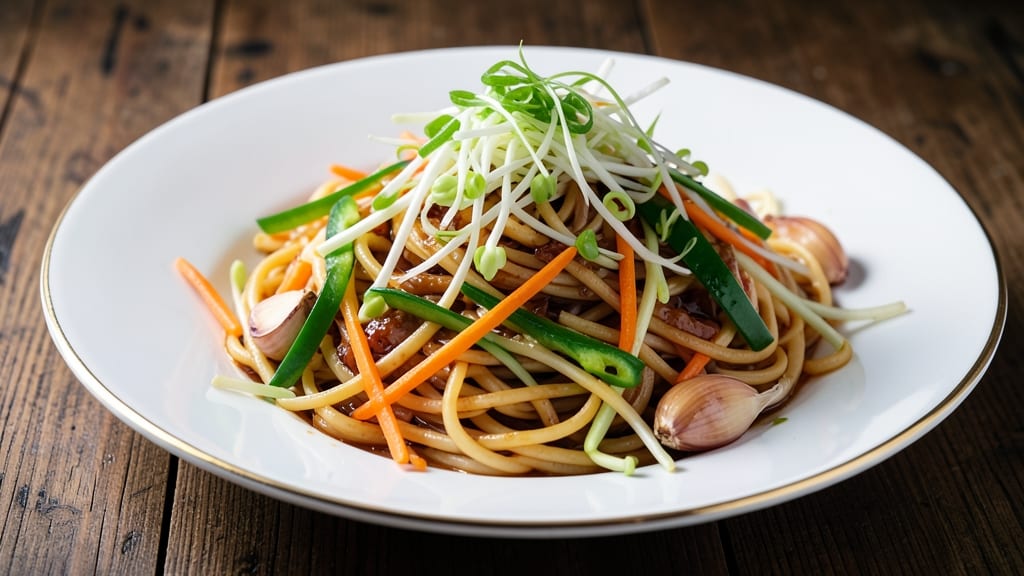
This bean sprout chow mein recipe delivers restaurant-quality wok freshness with crispy noodles and vibrant vegetables in just 20 minutes. The secret lies in high-heat stir-frying and proper wok-hei—those signature smoky, aromatic notes that transform simple ingredients into something extraordinary.
I've refined this vegetarian version to balance textures: tender bean sprouts, crispy noodles, and perfectly wilted greens all coated in a savory soy-garlic sauce.
What sets this recipe apart is the crispy texture achieved through proper noodle preparation and wok technique. We'll use egg noodles (or rice noodles for gluten-free) that develop a satisfying bite when stir-fried at high heat.
The sauce comes together in minutes with basic pantry staples—soy sauce, garlic, sesame oil, and a touch of sugar—but the magic happens in the wok where aromatics bloom and vegetables achieve that coveted char.
By the time you're done, you'll have a dish that's vibrant, flavorful, and packed with that authentic wok-house aroma. The bean sprouts stay crisp, the noodles develop a satisfying bite, and every bite delivers layers of umami from the soy-garlic sauce.
This is the kind of meal that makes weeknight dinners feel special without requiring hours in the kitchen.
Serve immediately with extra sesame seeds and sliced green onions for freshness. The leftovers won't be as crispy, so this is definitely a dish to enjoy fresh from the wok. Let's get cooking—your taste buds will thank you for the crispy satisfaction of homemade chow mein.
Ingredients for bean sprout chow mein
Pantry staples meet fresh produce for this crispy, aromatic chow mein experience.
| Ingredient | Amount | Notes |
|---|---|---|
| Egg Noodles 🍜 | 8 oz | Fresh or dried, gluten-free option available |
| Bean Sprouts 🌱 | 4 cups | Fresh, trimmed and rinsed |
| Carrots 🥕 | 2 medium | julienned into thin matchsticks |
| Green Bell Pepper 🧅 | 1 whole | thinly sliced, any color |
| Green Onions 🧅 | 4 whole | white and green parts separated |
| Garlic Cloves 🧄 | 4 cloves | minced, fresh preferred |
| Sesame Oil 🫒 | 1 tbsp | toasted, for aroma |
| Light Soy Sauce 🥄 | 3 tbsp | low sodium preferred |
| Dark Soy Sauce 🥄 | 1 tbsp | for depth of color |
| Rice Vinegar 🍶 | 1 tbsp | white or seasoned |
| Granulated Sugar 🍚 | 1 tsp | or brown sugar |
| Vegetable Oil 🫒 | 2 tbsp | high smoke point |
| Toasted Sesame Seeds 🌾 | 1 tbsp | for garnish |
| Vegetable Broth 💧 | ½ cup | low sodium preferred |
The noodles are non-negotiable for that signature wok texture. Fresh egg noodles from the Asian market give the best bite, but dried works too—just cook them al dente. Look for thin, flat noodles (about 1/8-inch thick) for maximum crispiness. Bean sprouts should be vibrant and plump, not wilted—Trader Joe's has the best quality in my experience. Carrots? Julienne them yourself—pre-shredded gets mushy. For the garlic, I always toast the whole cloves in a dry pan for 30 seconds first—adds depth without burning.
No sesame oil? Toasted peanut oil works in a pinch, though it has a different flavor. Light soy sauce is key for saltiness—Kikkoman is reliable, but any low-sodium brand works. Want more umami? Add 1 tsp of miso paste to the sauce. The green onions can be swapped for scallions or chives, but the white parts add essential flavor. For extra crunch, toss in 1/2 cup of shredded cabbage with the carrots. And if you're gluten-free, use tamari instead of soy sauce—just check for gluten-free certification.
Prep everything before heating the wok—mise en place is everything here. Store fresh bean sprouts in a damp paper towel in the fridge for up to 5 days. The noodles keep 1 month in the pantry, but fresh is always better. This dish is best eaten immediately—crispiness fades within 20 minutes—so don't make it ahead. For leftovers, reheat gently in a steamer to preserve texture, but expect softer noodles. Garnish with extra sesame seeds and green onions—they add freshness and color
Why You'll Love This Recipe
- No Chopping Nightmare: I swear, the bean sprouts and bell pepper are the only things I cut—and they take two minutes flat. The rest? Just toss in whole green onions and carrots in thick matchsticks. Honestly, my knife block stays cleaner than ever.
- Crunchy-Creamy Magic: That first bite of crispy bean sprouts against the soft egg noodles? It’s like a textural hug. The bell pepper adds this bright, almost sweet pop, while the green onions tie it all together with a fresh finish. (Yes, even on a Tuesday night.)
- Lunchbox Hero: Pack this cold the next day and watch it disappear from your kids’ lunches—or your coworkers’ desks. The noodles hold up perfectly, and the veggies stay crisp. Between us, it’s the only takeout I let my picky eaters recreate at home.
- Pantry Staple Power: Carrots, bell peppers, and bean sprouts? All under $5 at my grocery store. Egg noodles are even cheaper, and this recipe stretches to feed four for under $10. Leftovers? Reheat them with a splash of soy sauce—suddenly, you’ve got a $2 dinner.
Step-by-step instructions for bean sprout chow mein
Here's how to achieve that signature crispy-wok texture and perfect sauce balance every time.
Prepare the Noodles and Vegetable Components
Start by cooking the 8 oz egg noodles according to package instructions until al dente—they should have a slight bite. Drain and set aside, reserving ½ cup of the starchy pasta water. While the noodles cook, prep all vegetables: julienne the 2 medium carrots into thin matchsticks, thinly slice the 1 whole green bell pepper, separate the 4 whole green onions into white and green parts, and mince the 4 cloves garlic. This prep work ensures everything is ready to go when you hit the wok.
Here's the thing—don't skip the garlic prep. Freshly minced garlic adds depth that jarred minced can't match. And those thin matchstick carrots? They'll soften just right while keeping their texture. Keep all prepped vegetables in separate bowls so they stay crisp until cooking.
Create the Flavor Base
Heat a wok or large skillet over high heat until smoking, then add 2 tablespoons vegetable oil. Once shimmering, add the white parts of the 4 whole green onions and stir for 30 seconds until fragrant. Add the 4 cloves minced garlic and cook for another 20 seconds—watch carefully, as garlic burns quickly. Immediately add the 2 medium julienned carrots and 1 whole sliced green bell pepper, stirring constantly for 2-3 minutes until the vegetables begin to soften but remain vibrant.
This is where the magic happens. The high heat ensures your vegetables get that signature wok-hei—smoky, slightly charred flavor. If your pan isn't hot enough, you'll end up with steamed vegetables instead of crisp-tender ones. Keep moving everything around so nothing sticks to the bottom.
Build the Signature Sauce
Pour in the 3 tablespoons light soy sauce, 1 tablespoon dark soy sauce, 1 tablespoon rice vinegar, and 1 teaspoon granulated sugar. Stir well to combine, then add the ½ cup vegetable broth. Let the mixture simmer for 1-2 minutes until it reduces slightly and coats the back of a spoon. This reduction concentrates the flavors and creates that perfect glossy sauce.
Here's the secret to the sauce balance: the dark soy sauce adds color and depth, while the rice vinegar brightens the whole dish. The sugar isn't just for sweetness—it helps balance the saltiness of the soy sauces. Taste as you go; you might want to add a splash more broth if it's too thick.
Wok the Noodles and Vegetables Together
Add the cooked 8 oz egg noodles and 4 cups bean sprouts to the wok. Toss everything vigorously for 2-3 minutes until the noodles are heated through and the bean sprouts are just wilted but still crisp. If the mixture seems dry, add 1-2 tablespoons of the reserved pasta water to create a silky coating. The noodles should be hot but still hold their shape—overcooking turns them mushy.
This is where you'll see that beautiful transformation. The noodles should be coated in sauce but still distinct, and those bean sprouts should add a satisfying crunch. Don't walk away—constant tossing prevents sticking and ensures even cooking. The high heat and quick cooking time are what give this dish its authentic restaurant quality.
Finish and Serve with Crispy Garnish
Remove the wok from heat and stir in 1 tablespoon sesame oil. This final touch adds nutty aroma and helps distribute the sauce evenly. Divide the chow mein among plates and garnish each serving with 1 tablespoon toasted sesame seeds and the green parts of the 4 whole green onions. Serve immediately while everything is hot and crisp.
Real talk: the sesame seeds make all the difference. They add texture contrast and that final aromatic punch. And don't skip the green onion garnish—it brightens each bite with freshness. This dish is best served right away when the noodles are still crisp-tender and the vegetables maintain their snap. Enjoy with a cold beer or iced tea for the perfect meal.
Pro Tips For Making Bean Sprout Chow Mein
- STIR-FRY IN BATCHES: Bean sprouts and bell peppers cook at different speeds—don’t crowd the pan. Start with carrots and bell pepper strips (they need 2-3 minutes), then push them to one side and add the sprouts (they’ll wilt in 30 seconds). I learned this the hard way when my sprouts turned to mush while the peppers stayed raw.
- TRIM SPROUTS LIKE A PRO: Rinse bean sprouts, then split them into two piles. Snip off the root ends with kitchen shears—this removes the tough base and keeps them crisp. Skip the knife, or you’ll end up with a pile of slimy, uneven pieces. (Yes, even if you’re impatient like me.)
- DON’T BOIL NOODLES TO DEATH: Egg noodles for chow mein should be al dente—just tender enough to bend slightly. Overcooking turns them mushy and ruins the texture. Taste-test at 1 minute before the package says “done.” Drain immediately and toss with a splash of oil to prevent sticking.
- SALT THE NOODLES AFTER DRAINING: The sauce clings better to noodles that’ve been seasoned post-drain. Toss them with ½ teaspoon salt and 1 teaspoon oil while hot—this locks in flavor and keeps them from sticking when you toss them in the wok later. (Your future self will thank you.)
Pro cooking tips for great bean sprout chow mein
Wok-Hei Mastery
That signature smoky aroma—wok-hei—comes from proper heat control. Your wok or skillet must be smoking hot before adding oil. I use a 14-inch carbon steel wok (like Mauviel) because it retains heat better than stainless steel.
Preheat it over high heat for 2-3 minutes until it's nearly smoking—this ensures your vegetables develop that coveted char without burning. 🔥
For home cooks without a wok, a heavy-bottomed cast-iron skillet works well. Just make sure it's ripped with scratches from years of use—those grooves help prevent sticking. If your pan isn't hot enough, your vegetables will steam instead of sear, losing that restaurant-quality texture.
Test by flicking a drop of water—it should sizzle and evaporate instantly.
Noodle Texture Secrets
The key to crispy noodles is undercooking them slightly before stir-frying. Cook egg noodles until they're al dente (about 1 minute less than package instructions), then drain and toss with 1 teaspoon oil to prevent sticking.
When you toss them in the wok, they'll finish cooking and develop that perfect bite. I like to use fresh egg noodles from the Asian market—they're thinner and crisp up better than dried.
Pro tip: Reserve ½ cup of pasta water—it's liquid gold for creating that silky sauce. If your chow mein seems dry during tossing, add 1-2 tablespoons of this starchy water to help the sauce cling to everything.
Never use regular water; the starch is what makes the sauce cling to the noodles and vegetables.
Sauce Reduction Timing
Don't rush the sauce reduction—this is where flavor concentrates. After adding soy sauces, vinegar, and sugar, let it simmer for exactly 1-2 minutes until it coats the back of a spoon. I use a wire whisk to stir constantly, scraping up any browned bits from the bottom of the wok.
These bits (fond) are packed with flavor—don't miss them! The sauce should be glossy but not watery. 💫
For extra depth, I sometimes add ½ teaspoon of oyster sauce (vegetarian version) or 1 teaspoon of miso paste to the sauce mixture. Both add umami without overpowering. Taste as you go—you can always adjust with more soy sauce or vinegar, but you can't take it out once it's in.
Aromatic Layering
Cook the aromatics in this order: green onions first, then garlic, then vegetables. The onions should sweat for 30 seconds before garlic hits the pan—this prevents burning. Garlic cooks for just 20 seconds before vegetables go in.
Use freshly minced garlic (not jarred) for maximum flavor. I like to toast whole cloves in a dry pan for 30 seconds first, then mince them—they add depth without burning.
Don't crowd the wok! Cook vegetables in two batches if needed to maintain high heat. Overcrowding steams instead of sears. The goal is charred edges on your carrots and bell peppers—this adds that authentic wok-house flavor. Keep everything moving constantly with a wide spatula or tongs for even cooking.
Final Touches
The sesame oil at the very end is non-negotiable. Stir it in off the heat—this prevents it from burning and adds that nutty aroma. I use toasted sesame oil (not the regular kind) for maximum flavor.
Garnish with toasted sesame seeds and green onion tops right before serving—they add freshness and visual appeal. These final touches elevate the dish from good to restaurant-quality.
Serve immediately while everything is hot and crisp. The texture changes dramatically within 10 minutes—noodles soften and bean sprouts lose their snap. This is one dish where patience pays off in flavor, but timing is everything for that perfect bite. 💡
Nutrition facts
Frequently asked questions
Can I make this recipe without a wok?
A heavy-bottomed cast-iron skillet works perfectly! Just make sure it's ripped with scratches (from years of use) to prevent sticking. Preheat it over high heat for 2-3 minutes until nearly smoking—this creates that essential wok-hei. If your pan isn't hot enough, your vegetables will steam instead of sear, losing that signature restaurant texture.
How do I keep the bean sprouts crisp?
Cook them for just 1-2 minutes in the wok—they should be wilted but still have a satisfying crunch. Add them last when everything else is nearly done. For extra crispness, toss them in ½ teaspoon of cornstarch before stir-frying. Never overcrowd the pan, or they'll turn mushy.
Can I substitute rice noodles for egg noodles?
Yes! For a gluten-free version, use rice noodles (about 10 oz for 4 servings). Soak them in warm water for 15-20 minutes until pliable but still firm. Drain well and toss with 1 teaspoon oil before stir-frying. They'll crisp up differently but still delicious. The cooking time in the wok will be 30-45 seconds less than egg noodles.
What if my sauce is too salty?
Add 1-2 tablespoons of vegetable broth or a splash of rice vinegar to dilute the saltiness. If using vinegar, add it gradually—it brightens flavors while balancing the soy. For extra depth, stir in ½ teaspoon of miso paste or 1 teaspoon of oyster sauce (vegetarian version) to add umami without more salt. Taste as you go!
Can I make this ahead of time?
Not recommended—this dish is best served immediately while the noodles are crispy and bean sprouts retain their snap. If you must prep ahead, cook the noodles and chop all vegetables, then store separately in the fridge for up to 24 hours. Reheat gently in a steamer for 2-3 minutes before stir-frying fresh. The texture won't be as crisp, but it's still delicious.