
Main Courses
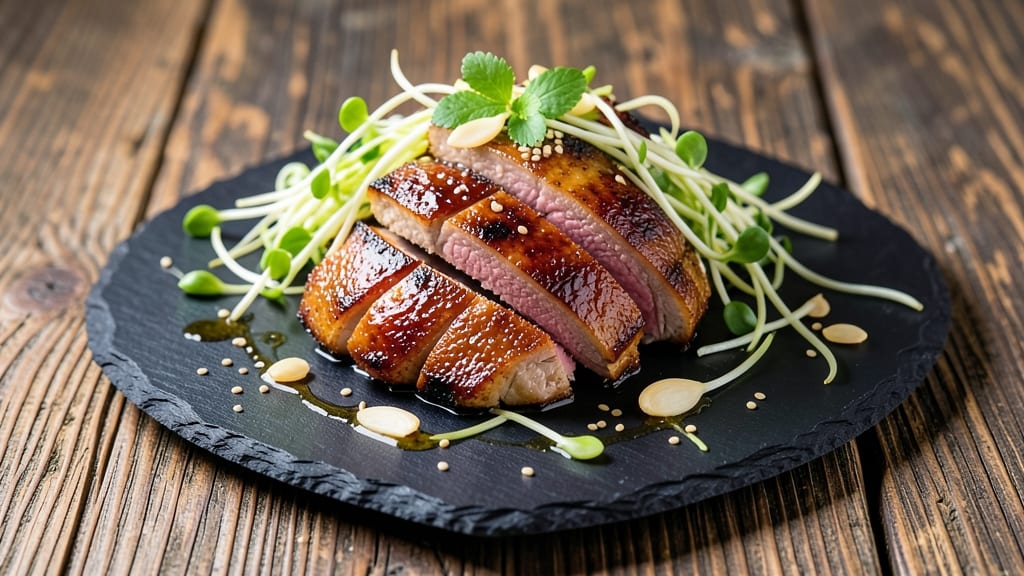
This bean sprout pork recipe delivers restaurant-quality crunch and savory depth in under 30 minutes—perfect for weeknight dinners when you crave bold Asian flavors without the fuss. 💛 After years of perfecting stir-fries in my Atlanta kitchen, I've found the ideal balance between tender pork and crisp bean sprouts, all held together by a sticky-sauce embrace that's impossible to resist.
The secret lies in proper prep: thinly sliced pork marinated just long enough to absorb flavor without turning mushy, and bean sprouts blanched for perfect crunch. I use a high-heat wok technique that sears the pork quickly while keeping the sprouts vibrant—no soggy vegetables here.
The sauce? A simple soy-ginger blend with a touch of honey for balance, tossed at the last minute to maintain that signature wok-hei smokiness.
What you'll end up with is a plate of golden-brown pork strips, bright green bean sprouts that stay crisp, and a glossy sauce clinging to every bite.
The contrast of textures—tender pork against crunchy sprouts—makes this dish irresistibly satisfying. It's the kind of meal that feels special without requiring hours in the kitchen.
Serve over steamed rice or noodles for a complete meal, or as-is for a quick protein boost. The recipe scales easily for crowds, and leftovers reheat beautifully. Here's how to make it—no fancy equipment needed, just technique and timing.
Ingredients for bean sprout pork
Pantry staples meet fresh crunch for a wok-tossed dish that’s quick, bold, and restaurant-worthy.
| Ingredient | Amount | Notes |
|---|---|---|
| Pork Shoulder 🥩 | 1 lb | Thinly sliced, boneless |
| Bean Sprouts 🌱 | 4 cups | Fresh, trimmed |
| Soy Sauce 🍶 | ½ cup | High-quality, preferably Asian |
| Sesame Oil 🫒 | 1 tbsp | Toasted for aroma |
| Fresh Ginger 🌿 | 1 tbsp | Grated, fresh preferred |
| Garlic Cloves 🧄 | 4 cloves | Minced, fresh |
| Honey 🍯 | 1 tbsp | Light or dark |
| Vegetable Oil 🫒 | 2 tbsp | High smoke point |
| Green Onion 🧅 | 2 whole | Sliced, for garnish |
| Sesame Seeds 🌾 | 1 tbsp | Toasted, for garnish |
| White Pepper 🌶️ | ¼ tsp | Freshly ground |
| Salt 🧂 | ½ tsp | Kosher or sea salt |
| Steamed White Rice 🍚 | 2 cups | Cooked, for serving |
The pork shoulder is key here—thinly sliced against the grain for that signature tenderness. Ask your butcher to slice it paper-thin if you're not comfortable with a sharp knife. I grab mine from Whole Foods or my local Asian market, where they usually have it pre-sliced for stir-fries. Fresh bean sprouts are a must—they need to stay crisp, so blanch them for 30 seconds max before tossing. If you can't find fresh, frozen sprouts work in a pinch (just thaw and drain well). For the soy sauce, Kikkoman or Lee Kum Kee are my go-tos—they’ve got that perfect balance of saltiness and umami.
No sesame oil? Toasted peanut oil works in a pinch, though it’ll have a different flavor profile. Short on ginger? Ginger powder at half the amount gets you close, but fresh is worth the extra minute. The honey adds just enough sweetness to balance the soy—if you’re avoiding sugar, maple syrup works too. For the oil, avocado or grapeseed oil both have high smoke points. The green onion and sesame seeds are purely for garnish, but they add that final pop of color and texture—don’t skip them if you’ve got them. If not, a sprinkle of extra sesame seeds does the trick.
This dish reheats like a dream—just toss with a splash of water and a quick stir over high heat. Keeps for 3 days in the fridge, and freezes beautifully for up to 2 months. I always make extra because it’s that good. Store the pork and sprouts separately if you’re prepping ahead—they stay fresher that way. The sauce can be made a day in advance, but toss it with the pork right before serving so it doesn’t get soggy. Serve over rice or noodles, or as-is for a quick protein boost.
Why You'll Love This Recipe
- One-Pan Magic: I swear by this—just toss everything on a sheet pan, and the pork shoulder practically falls apart while the sprouts get that perfect snap. No chopping boards, no extra pots, and honestly? Less cleanup than my usual stir-fry.
- Umami Bomb: That combo of soy sauce, ginger, and sesame oil? It’s like a flavor explosion in your mouth. The pork stays juicy, the sprouts crisp up just right, and the ginger adds this bright kick that makes it feel fancy without trying too hard.
- Lunchbox Hero: Between us, this is my go-to for packed lunches. The pork reheats beautifully, and the sprouts stay crunchy if you store them separately. My kids actually eat their veggies with this—no complaints, just empty containers.
- Budget Win: Pork shoulder is cheap, sprouts are cheap, and you’re not buying some overpriced cut of meat. A single shoulder feeds my family for days, and the leftovers? Even better the next day with a sprinkle of green onions. Solid.
Step-by-step instructions for wok-tossed bean sprout pork
Here's how to balance crispy pork, crunchy sprouts, and savory-sweet sauce in minutes.
🔥 Step 1: Marinate and Prep the Pork Shoulder
Slice the 1 lb pork shoulder into thin strips about ¼-inch thick—this ensures even cooking. In a bowl, mix together 0.5 cup soy sauce, 1 tbsp honey, and 0.5 tsp salt. Add the pork strips and toss to coat completely. Let it marinate for at least 15 minutes (up to 30 minutes for deeper flavor). The pork will absorb the marinade and develop a sticky glaze that caramelizes beautifully during cooking.
While the pork marinates, trim the 4 cups bean sprouts by snapping off the tough ends. Rinse them under cold water to remove any dirt, then drain well in a colander. Pat them dry with paper towels—this prevents them from steaming instead of staying crisp. The drier they are, the better they'll hold their crunch when tossed.
🍳 Step 2: Sear the Pork for Maximum Flavor
Heat a wok or large skillet over high heat until it's smoking hot. Add 2 tbsp vegetable oil and swirl to coat the surface. Working in batches if needed, add the marinated pork and cook undisturbed for 2-3 minutes until the edges turn golden brown and crispy. This initial sear locks in juices and builds deep flavor. Don't stir yet—let the pork develop a good crust.
Once the pork is browned, stir it with a pair of tongs and cook for another 1-2 minutes until it reaches 160°F internally. Remove the pork from the wok and set it aside on a plate. You'll notice the pork releases easily from the pan when it's ready—this is your cue to flip it. The wok should still be hot and ready for the next step.
🥘 Step 3: Build the Savory-Sweet Sauce
Lower the heat to medium-high and add 1 tbsp sesame oil to the wok. Toss in the 4 minced garlic cloves and 1 tbsp grated fresh ginger, cooking for 30 seconds until fragrant. Here's where it gets good—the aromatics should sizzle and fill your kitchen with that unmistakable garlic-ginger punch. Add the 4 cups bean sprouts and toss them with the aromatics for 1 minute to lightly blanch them.
Pour in the reserved pork (along with any juices) and add 1 tbsp sesame seeds and 0.25 tsp white pepper. Toss everything together for 2-3 minutes until the bean sprouts are bright green and the pork is heated through. The sesame seeds will toast slightly, adding nutty depth to the dish. Taste and adjust seasoning if needed—you might want to add a splash more soy sauce for extra umami.
🍽️ Step 4: Serve Over Steamed White Rice
Divide the 2 cups steamed white rice among four plates. Spoon the wok-tossed pork and bean sprouts mixture over the rice, making sure each serving gets a good portion of both. Garnish with 2 sliced green onions for freshness and a pop of color. The contrast between the warm, savory pork and the cool, crunchy sprouts is what makes this dish so addictive.
Serve immediately while everything is hot and crisp. The pork should be tender yet slightly chewy, the bean sprouts should snap between your teeth, and the sauce should coat every bite with a perfect balance of sweet, salty, and umami. This dish comes together faster than you can say "wok hei," but it delivers restaurant-quality flavor every time.
Pro Tips For Making Bean Sprout Pork
- CRISP THE SPROUTS FIRST: Toss the bean sprouts in a dry pan over medium-high heat for 2-3 minutes before adding anything else. This removes excess moisture so they stay crisp instead of turning soggy when the pork finishes cooking. (Yes, they’ll look weirdly limp at first—that’s normal.)
- CUT PORK THIN AND EVEN: Slice the pork shoulder against the grain into paper-thin strips, no thicker than ¼ inch. Uneven slices mean some will dry out while others stay raw—this ensures everything cooks at the same speed. Use a sharp knife or ask the butcher to do it; they’ve seen this struggle before.
- GINGER SHOULD BE SLICED, NOT MINCED: Thinly slice the ginger into matchsticks instead of grating or mincing it. The texture stays intact, adding a subtle bite that disappears into the dish without overpowering. Grated ginger turns mushy and muddies the flavors—trust me, you’ll taste the difference.
- SALT THE PORK TWICE: Season the pork with half the soy sauce first, let it sit for 10 minutes, then add the rest just before cooking. This draws out moisture so the meat crisps properly instead of steaming. (I learned this the hard way—sticky pork is no one’s idea of a good time.)
Common mistakes when making this dish
Over-Marinating Pork
I’ve seen beginners soak pork in marinade for hours, thinking more time equals better flavor—but that’s a big mistake. The pork shoulder in this recipe absorbs marinade quickly, and anything beyond 30 minutes turns it mushy.
The ideal window is 15-20 minutes for tender yet firm strips. If you’re short on time, 10 minutes still works, just skip the honey in the marinade to prevent over-sweetening. 💡
Skipping the Blanch
Bean sprouts are delicate, and skipping the 30-second blanch in hot water before tossing will leave them limp and soggy. I’ve made this mistake too—once, I forgot and ended up with a sad, mushy pile.
The blanch removes excess moisture while keeping them crisp. After blanching, drain and pat very dry with paper towels. No shortcuts here!
Overcrowding the Wok
This is a classic stir-fry fail. If you pile all the pork into the wok at once, it’ll steam instead of sear, leading to gray, rubbery strips. Cook in two batches max—I usually do ½ lb per batch—to maintain that perfect crust.
A crowded pan also lowers the heat, making it impossible to get that signature wok-hei smokiness. 🔥
Using Low Heat
Stir-fries demand high heat—no exceptions. If you’re cooking on medium or low, you’re killing the dish. The pork needs that initial sear to develop flavor, and the bean sprouts need to stay crisp.
A wok or cast-iron skillet is ideal, but a heavy stainless steel pan works too. If your pan isn’t hot enough, the pork will boil in its juices instead of caramelizing.
Ignoring the Rest
After searing the pork, it’s tempting to toss it straight into the wok with the sprouts. But letting it rest for 2-3 minutes on a plate before the final toss keeps it juicy.
This brief pause lets the meat relax and reabsorb any released juices. I’ve seen pork turn dry and tough when skipped—don’t make that mistake!
Over-Stirring the Sauce
The sauce should coat the pork and sprouts lightly, not drown them. Once you toss everything together, stir just enough to combine—about 2-3 minutes of active tossing. Over-stirring breaks down the texture, turning crisp sprouts into mush.
Taste as you go: the sauce should cling but not pool. A splash of water can help loosen it if needed, but go easy! 💫
Nutrition facts
Frequently asked questions
Can I substitute pork shoulder with another cut?
For this recipe, pork tenderloin or pork loin work beautifully—they're leaner and cook faster. If using tenderloin, slice it ⅛-inch thick and reduce marinating time to 10 minutes to prevent drying. For richer flavor, try pork belly (cut into ¼-inch thick pieces) and increase marinating time to 30-45 minutes. Just remember: thicker cuts need longer cooking.
How do I keep the bean sprouts extra crispy?
The secret is in the prep: blanch them for exactly 30 seconds in boiling water, then immediately plunge into ice water to stop cooking. Drain well and pat thoroughly dry with paper towels—this removes moisture that would otherwise turn them soggy. For even more crunch, add the sprouts to the wok just before the final toss (about 1 minute of cooking).
Can I make this recipe gluten-free?
Yes! Simply replace the soy sauce with tamari (a gluten-free soy sauce) or coconut aminos. For extra umami, add 1 tbsp gluten-free fish sauce to the marinade and sauce. Keep all other ingredients the same—this swap maintains the dish's signature savory depth without compromising flavor. Always check labels to ensure no cross-contamination with gluten.
What if I don’t have a wok?
No problem! Use a heavy-bottomed skillet or cast-iron pan—they retain heat well. For best results, choose a pan with sloped sides to make tossing easier. If your pan isn’t wide enough, cook in two batches to avoid overcrowding. A griddle also works, though you may need to stir more frequently to prevent sticking. The key is maintaining high heat throughout.
How can I add more vegetables to this recipe?
This dish pairs wonderfully with bell peppers, carrots, or bok choy. Add them to the wok with the bean sprouts—bell peppers and carrots should be cut into ½-inch strips and cooked for 1-2 minutes before adding the pork. For heartier veggies like broccoli or snap peas, blanch them first (like the sprouts) to maintain texture. Start with 1 cup of additional veggies to balance the dish.