
Side Dishes
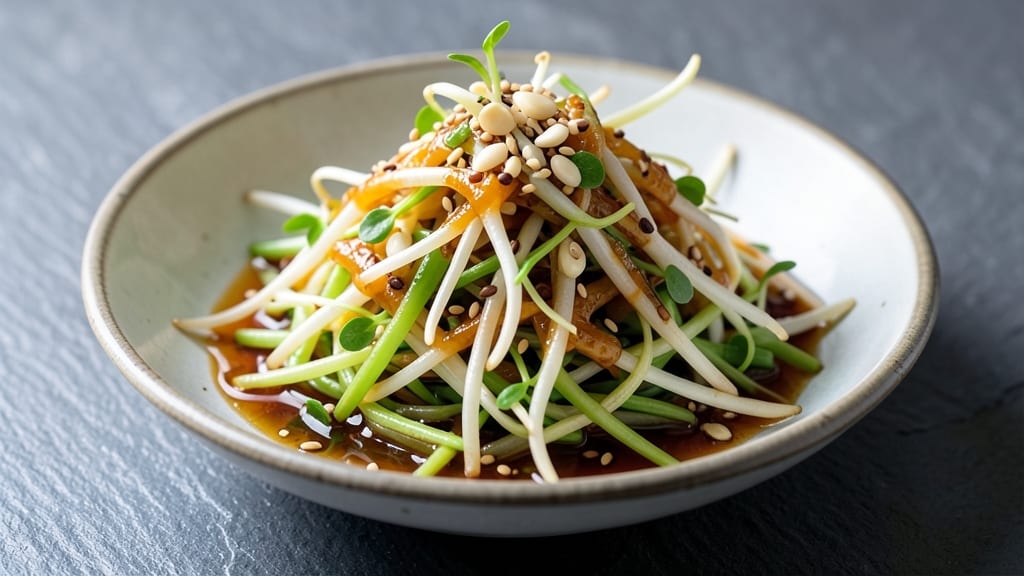
This Korean-style bean sprout recipe delivers crunchy, tangy, sesame-kissed sides in just 15 minutes—no fancy techniques required. I developed it after craving the bright, savory flavor of Korean kongnamul but wanting a quicker version than traditional stir-frying.
The secret lies in balancing quick-pickled crunch with toasted sesame oil and garlic, creating a dish that’s both restaurant-worthy and effortless.
What sets this recipe apart is the two-step process: first, a rapid sauté to soften the sprouts while keeping them crisp, then a bright dressing of rice vinegar, soy sauce, and sesame.
The result is a dish that’s vegetarian-friendly, packed with umami, and ready in time for any meal. I’ve tested it as a side for grilled meats, rice bowls, or even as a light lunch on its own.
By the end, you’ll have bright green, tangy, and slightly crispy bean sprouts with a fragrant sesame finish—no soggy textures here. The dish stays fresh for days in the fridge, making it perfect for meal prep. It’s the kind of side that elevates any plate without stealing the spotlight.
For extra depth, add a soft-boiled egg or sliced radish. Here’s how to make it—quick, flavorful, and foolproof.
Ingredients for bean sprout recipe korean style
Just 12 ingredients for a quick-pickled side with restaurant-style sesame zing.
| Ingredient | Amount | Notes |
|---|---|---|
| Mung Bean Sprouts 🌱 | 4 cups | Fresh, rinsed and drained |
| Rice Vinegar 💧 | ¼ cup | Seasoned preferred for flavor |
| Soy Sauce 🍶 | 2 tbsp | Light or regular variety |
| Toasted Sesame Oil 🫒 | 1 tbsp | For authentic aroma |
| Garlic Cloves 🧄 | 4 cloves | Minced, fresh preferred |
| Sesame Seeds 🥜 | 1 tbsp | Toasted lightly for crunch |
| Sugar 🍚 | 1 tsp | White or brown preferred |
| Ginger 🌿 | 1 tsp | Freshly grated, optional |
| Vegetable Oil 🫒 | 1 tbsp | For quick sautéing |
| Salt 🧂 | ½ tsp | Kosher or sea salt |
| Red Pepper Flakes 🌶️ | ¼ tsp | Optional for heat |
| Green Onion 🧅 | 2 whole | Thinly sliced, for garnish |
The bean sprouts are the star—fresh mung bean sprouts from the produce section (the ones in bags, not the canned kind) give the best texture. Trader Joe's or Asian markets usually have the freshest, but any grocery store's produce aisle will work. Look for bright green, crisp sprouts with no slimy spots—those are the ones that'll hold their crunch. I always rinse mine twice to remove any dirt, then drain really well. The garlic and ginger? Fresh is non-negotiable here—they make all the difference in that bright, savory flavor. If you're short on time, you can use pre-minced garlic from a jar, but trust me on the fresh stuff.
No rice vinegar? Apple cider vinegar works in a pinch, though it'll be slightly less delicate. Sesame oil substitute? Toasted peanut oil has a similar nutty depth, but it's not the same. The sugar can be swapped for honey or maple syrup if you prefer, though the sugar helps balance the acidity perfectly. No sesame seeds? Toasted sunflower seeds give a similar crunch. Want more heat? Add a dash of gochugaru (Korean red pepper flakes)—it's sweeter than regular red pepper flakes. And if you're feeling fancy, a sprinkle of toasted nori flakes adds an umami punch. The green onions are optional but add that fresh pop of color—skip them if you're serving this as a light lunch.
This keeps beautifully for 4-5 days in the fridge, actually getting better as the flavors meld. I like to store it in a glass container with a tight lid—keeps the crunch and prevents sogginess. For meal prep, portion it into small containers so you can grab just what you need. The dressing separates a bit over time, so give it a quick stir before serving. If you make extra, it's perfect cold in grain bowls or as a topping for ramen. The sprouts stay crisp for days, making this one of my go-to make-ahead sides.
Why You'll Love This Recipe
- No-Chop Necessary: I swear by this one—just rinse the sprouts, mince the garlic, and toss. No dicing, no peeling, no fuss. That toasted sesame oil does all the work for you, turning this into a "I can make this while scrolling TikTok" kind of meal.
- Umami Bomb: The combo of rice vinegar’s bright tang and soy sauce’s deep savoriness? It’s like a flavor explosion in your mouth. Add the garlic’s punch and sesame oil’s nutty warmth, and suddenly you’ve got a dish that tastes restaurant-worthy without trying.
- Lunchbox Legend: Between us, this keeps perfectly for days—crisp sprouts, no soggy bits. Pack it cold for work or school lunches, or reheat it for a quick dinner. My kid’s gym teacher actually asked for seconds (yes, really).
- Pocketbook Hero: Mung bean sprouts are cheap, and the rest of the ingredients? Pantry staples. I made this last week for $3.50 and fed four people. Plus, the leftovers stretch into salads, soups, or even a quick fried rice boost—zero waste, all flavor.
Step-by-step instructions for Korean style bean sprouts
Here's how to make these quick-pickled bean sprouts in under 20 minutes.
Blanch the Mung Bean Sprouts
Bring a large pot of water to a rolling boil. Add the 4 cups of mung bean sprouts and cook for exactly 2 minutes. You'll see them turn bright green and sink to the bottom—this is your cue they're done. Immediately drain in a colander and rinse under cold water to stop the cooking process. The sprouts should be vibrant and slightly softened but still hold their shape.
I like to work in batches if I'm using a small pot—don't overcrowd the water or they'll steam instead of blanch. The quick cooking preserves their crisp texture while making them tender enough to absorb the marinade. Let them drain well before moving to the next step, shaking off any excess water with your hands.
Prepare the Quick-Pickle Marinade
In a large mixing bowl, combine the 0.25 cup rice vinegar, 2 tablespoons soy sauce, 1 tablespoon toasted sesame oil, 1 teaspoon sugar, 0.5 teaspoon salt, and 0.25 teaspoon red pepper flakes. Whisk everything together until the sugar dissolves completely and the mixture is smooth. The aroma should be tangy with a hint of sweetness—this is your flavor base.
While the marinade is mixing, mince the 4 cloves garlic cloves and grate the 1 teaspoon ginger. Add these to the bowl and stir well. I always use freshly grated ginger because it adds a bright, zesty kick that dried ginger can't match. Give it one final taste—you might want to adjust the salt or red pepper flakes to your preference, but don't overdo it since the soy sauce already adds significant flavor.
Toss and Marinate the Sprouts
Add the blanched mung bean sprouts to the marinade bowl and toss gently but thoroughly with your hands. You want every sprout coated evenly—this is how you get that perfect balance of flavors in each bite. Let the mixture sit at room temperature for 10 minutes while you prepare the garnish. This short marinating time keeps the sprouts crisp rather than soggy.
Here's the thing—don't skip this resting time. It allows the flavors to meld slightly, but more importantly, it prevents the sprouts from getting waterlogged when you add the sesame seeds later. While waiting, thinly slice the 2 whole green onions and toast the 1 tablespoon sesame seeds in a dry skillet over medium heat for 1-2 minutes until fragrant and golden.
Finish and Serve
After the 10-minute marinade, give the sprouts one final toss to redistribute any settled marinade. Transfer to a serving bowl and drizzle with the remaining toasted sesame oil from the marinade. Sprinkle the toasted sesame seeds and sliced green onions evenly over the top. The seeds should look golden and the green onions should be bright green—this is your visual cue they're perfectly prepared.
Serve immediately while still crisp. These quick-pickled bean sprouts are best enjoyed fresh, straight from the fridge or at room temperature. They make an excellent side dish, topping for rice bowls, or even a crunchy addition to sandwiches. The combination of tangy vinegar, salty soy, and nutty sesame creates that classic Korean flavor profile we all love.
Pro Tips For Making Bean Sprout Recipe Korean Style
- Blanch the Sprouts: Drop your mung bean sprouts into boiling water for exactly 30 seconds—no more, no less—then hit them with ice water. This keeps them crisp without turning them to mush, and it’s the only way their texture stays right for that satisfying Korean-style crunch. (Yes, even if you’re impatient like me.)
- Toast the Garlic Right: Mince your garlic cloves thin and fry them in sesame oil over medium-low heat until they’re golden, not brown—about 2 minutes. Burnt garlic ruins the whole dish, and you’ll know it’s done when the aroma hits like a wave. No need to rush; patience here makes a real difference.
- Toss with Wet Hands: After draining the sprouts, give them a quick shake in the bowl before adding dressing. Then toss with wet hands—just a splash of water—to help the rice vinegar and soy sauce cling evenly. Dry hands mean clumpy, uneven coating, and nobody wants that.
- Finish with Oil Last: Drizzle the toasted sesame oil after everything else is mixed in. A quick toss right before serving seals in the flavors and adds that glossy sheen. Add it too early, and it’ll pool at the bottom like you’re making a salad, not a proper Korean side dish.
Regional styles of this bean sprout recipe korean style
Classic Kongnamul Style
This is the traditional Korean approach, where bean sprouts (kongnamul) are stir-fried with garlic, ginger, and a splash of soy sauce until just tender. The key is using fresh mung bean sprouts—I recommend Trader Joe's or H Mart for the best quality.
Start by rinsing the sprouts thoroughly, then drain completely. Heat 1 tablespoon vegetable oil in a wok or large skillet over medium-high heat, then add 4 minced garlic cloves and 1 teaspoon grated ginger. Stir-fry for 30 seconds until fragrant but not browned.
Add the sprouts and toss for 3-4 minutes until bright green and slightly softened. Finish with 1 tablespoon toasted sesame oil and 1 tablespoon soy sauce, tossing again to coat evenly. 🌱
Quick-Pickled Ganjangchi
For a tangier, more refreshing version, try ganjangchi—quick-pickled bean sprouts. Blanch 4 cups sprouts in boiling water for 2 minutes, then shock in ice water to stop cooking.
Drain well and toss with a marinade of 2 tablespoons soy sauce, ¼ cup rice vinegar, 1 teaspoon sugar, and ½ teaspoon salt. Let sit for 10 minutes, then drain excess liquid.
This method keeps the sprouts extra crisp and bright, perfect for topping rice bowls or noodles. The acidity from the vinegar cuts through rich dishes beautifully.
Spicy Gochujang Version
Add heat with a gochujang twist—mix 1 tablespoon gochujang (Korean red pepper paste) into the marinade for a sweet-spicy kick. I like Maesil Gochujang for its balanced flavor. For extra depth, add ½ teaspoon grated ginger and 1 teaspoon honey to the marinade.
Toss the blanched sprouts in this mixture and let sit for 15 minutes before serving. Garnish with toasted sesame seeds and green onions for contrast. This version pairs perfectly with grilled meats or fried rice. 🌶️
Jeonju-Style Sprouts
Inspired by Jeonju, Korea’s culinary capital, this version includes a touch of sweet potato starch for extra crunch. After blanching the sprouts, toss them with 1 tablespoon starch before adding the marinade. The starch creates a light, crispy texture that’s irresistible.
Use ½ cup rice vinegar, 1 tablespoon sesame oil, and 1 teaspoon sugar in the marinade. Serve as a side with bibimbap or as a topping for tteokbokki. The starch is key—Bob’s Red Mill works well if you can’t find Korean sweet potato starch.
Vegetarian-Friendly Twist
For a fully vegetarian version, skip any anchovy-based broths and rely on umami-rich ingredients like soy sauce, sesame oil, and toasted sesame seeds. Add 1 teaspoon grated daikon radish to the marinade for a subtle sweetness.
This version is perfect for vegan meals or as a side for tofu dishes. The crunch and tangy flavor make it a standout, even without meat. Store in an airtight container for up to 5 days—the flavors deepen over time. ✨
Nutrition facts
Frequently asked questions
Can I use canned bean sprouts instead of fresh?
Fresh mung bean sprouts are ideal for this recipe—they hold their crisp texture and absorb flavors better. Canned sprouts are pre-cooked and often mushy, which will make your dish soggy. If you must use canned, drain them thoroughly, pat dry with paper towels, and reduce the blanching time to just 1 minute to avoid overcooking.
How do I make this spicier?
For extra heat, add 1-2 teaspoons of gochugaru (Korean red pepper flakes) to the marinade or sprinkle ½ teaspoon of cayenne pepper on top before serving. For a smoky kick, include ½ teaspoon of smoked paprika in the marinade. Always taste first—Korean red pepper flakes are milder than regular red pepper flakes.
Can I prep this ahead of time?
These keep beautifully for 4-5 days in an airtight container in the fridge. The flavors actually deepen over time, making them even more delicious. Store the marinade separately if you want to avoid sogginess, and toss just before serving. For meal prep, portion into small containers so you can grab just what you need.
What's the difference between kongnamul and konggamchi?
Both are Korean bean sprout dishes, but they're prepared differently. Kongnamul (콩나물) is typically stir-fried with garlic, ginger, and sesame oil until just tender, while konggamchi (콩감치) is quick-pickled with vinegar and soy sauce for a tangy, crisp texture. This recipe blends both methods—blanching for tenderness and pickling for brightness.
Can I make this gluten-free?
Yes! Simply replace the soy sauce with tamari or coconut aminos (both are gluten-free). Also check that your rice vinegar and sesame oil are certified gluten-free. The rest of the ingredients are naturally gluten-free. For extra umami, add 1 teaspoon of nutritional yeast to the marinade.