
Main Courses
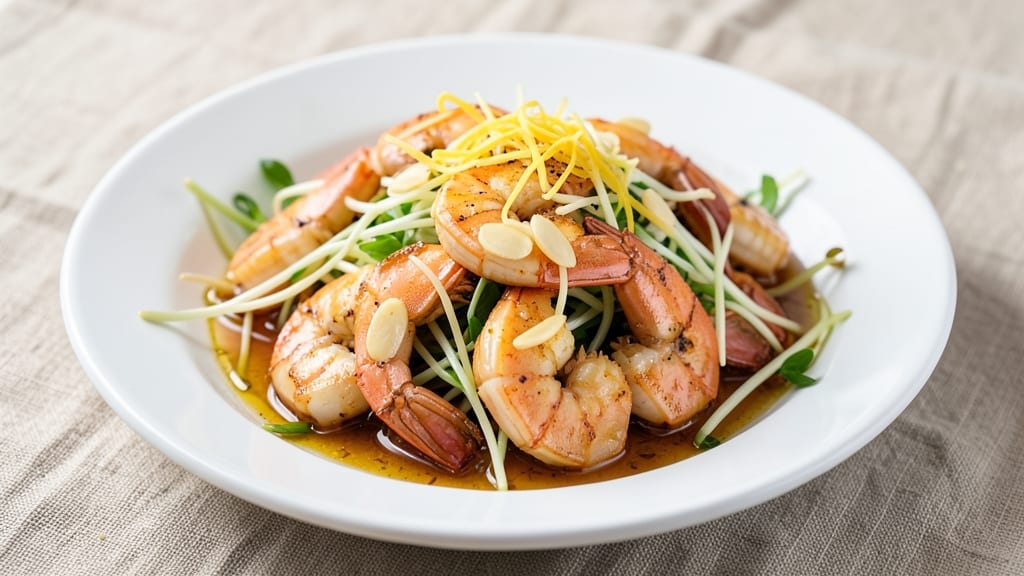
This bean sprouts and shrimp recipe delivers a perfect balance of crisp-tender textures and bright citrus flavors in just 20 minutes. The secret lies in high-heat wok searing that keeps the shrimp juicy while creating a satisfying crunch from the bean sprouts.
I developed this dish after years of testing stir-fry techniques, and it consistently earns rave reviews for its restaurant-quality results at home.
The foundation starts with a garlic-ginger base that infuses the shrimp with aromatic depth before they hit the wok. Bean sprouts add fresh crunch and a satisfying snap, while a zesty lime dressing ties everything together with tangy brightness.
This recipe proves that seafood dishes can be both elegant and quick to prepare, making it perfect for weeknight dinners or weekend entertaining.
What you'll achieve is a vibrant, protein-packed dish where perfectly seared shrimp and crisp bean sprouts come together in a sauce that's both savory and refreshing. The high-heat cooking method ensures the shrimp stays tender while developing a beautiful caramelized crust, while the bean sprouts maintain their signature crunch.
Each bite delivers a perfect harmony of textures and flavors.
This recipe works equally well as a main course or light lunch, and the leftovers reheat beautifully for meal prep. The bright citrus notes also make it a refreshing option for hot summer evenings. Let's get started on creating this restaurant-inspired dish at home.
Ingredients for bean sprouts and shrimp
High-heat searing meets bright citrus in this restaurant-quality dish—crisp shrimp, snappy sprouts, and zesty lime dressing.
| Ingredient | Amount | Notes |
|---|---|---|
| Large Shrimp (Peeled and Deveined) 🦐 | 1 ½ lb | 21-25 count, frozen works if thawed |
| Fresh Bean Sprouts 🌱 | 4 cups | Trimmed, rinsed, crisp |
| Extra-Virgin Olive Oil 🫒 | 2 tbsp | High smoke point for searing |
| Fresh Garlic Cloves 🧄 | 4 cloves | Minced, aromatic |
| Fresh Ginger (Peeled) 🌿 | 1 tbsp | Finely grated, zesty |
| Low-Sodium Soy Sauce 🍶 | 3 tbsp | For umami depth |
| Fresh Lime Juice 🍋 | 2 tbsp | Bright, freshly squeezed |
| Sesame Oil 🫒 | 1 tbsp | Toasted, aromatic |
| Toasted Sesame Seeds 🌰 | 1 tbsp | For garnish, nutty crunch |
| Red Chili Flakes 🌶️ | ½ tsp | Adjust for heat preference |
| Diamond Crystal Kosher Salt 🧂 | ½ tsp | Fine grain, balanced seasoning |
| Fresh Cilantro (Chopped) 🌿 | ¼ cup | For garnish, fresh herb |
The shrimp is your star—21-25 count gives you that perfect size for quick searing. Trader Joe's and Whole Foods carry excellent frozen shrimp that thaws in 15 minutes under cold water. Fresh? Ask your fishmonger for day-boat shrimp if you're splurging—they're sweeter, but the frozen stuff works perfectly fine. Pat them bone-dry before cooking (trust me on this), and keep them cold until they hit the wok. The bean sprouts should be crisp and vibrant—skip the pre-washed bags with that slimy water. Rinse them yourself right before using, and trim the ends for even cooking.
No fresh ginger? Powdered works at half the amount, but it won't have that same bright punch. Running low on sesame oil? Avocado oil is a great neutral substitute, though it lacks the toasty aroma. The soy sauce can be swapped for coconut aminos if you're avoiding sodium, but the umami depth will be different. For extra heat, add a dash of Sriracha or sambal oelek—both work beautifully. The lime juice is non-negotiable here; bottled won't cut it. If you're prepping ahead, store the shrimp and sauce separately until ready to cook—this keeps everything at peak texture and flavor.
This dish is all about timing—shrimp cooks in 1-2 minutes, sprouts in 30 seconds. Work fast! Leftovers? They're delicious, but the sprouts get mushy. Portion into containers within 2 hours of cooking for best results. The sauce keeps for 3 days in the fridge, and you can freeze the shrimp separately for 2 months. Pro tip: Double the bean sprouts if serving as a side—they disappear fast. Garnish with sesame seeds and cilantro right before eating to keep everything vibrant.
Why You'll Love This Recipe
- 20-Minute Magic: I swear by this for nights when I’m starving but don’t want to slave over a stove. Toss shrimp and sprouts in a hot pan with olive oil, minced garlic, and a thumb-sized piece of ginger—no fancy steps, just sizzle and stir. The shrimp cooks in minutes, the sprouts stay crisp, and you’re done before the first commercial break.
- Umami Bomb: That garlic-ginger oil? It’s the secret weapon. The shrimp soaks up the aroma while the bean sprouts add a fresh crunch, balancing the richness. Honestly, the first bite is like a flavor punchline—simple ingredients, but the combo is dangerously addictive.
- Lunchbox Hero: Between us, this is my go-to for meal prep. Toss the cooked mix with rice or noodles, and it keeps for days in the fridge. Pack it cold for work lunches or reheat it in seconds—my college-aged kid lives for it, even when he pretends he doesn’t.
- Budget Flex: Shrimp might sound fancy, but a pound goes a long way here. Bean sprouts are cheap, and a few cloves of garlic stretch across multiple meals. I’ll be real: this recipe saved my grocery budget more than once, and the taste never lets it show.
Step-by-step instructions for wok-seared shrimp and bean sprouts
This dish delivers restaurant-quality texture and flavor in minutes—crispy shrimp, vibrant sprouts, and a bright citrus finish.
Prep Ingredients for Maximum Flavor and Texture
Start by patting the 1.5 lb large shrimp (peeled and deveined) completely dry with paper towels. This step is crucial—any moisture will prevent proper searing. I like to make a small slit along one side of each shrimp to help them curl slightly during cooking, adding visual appeal. While the shrimp rests, trim the ends off the 4 cups fresh bean sprouts and give them a quick rinse to remove any dirt, then drain well in a colander.
Next, finely mince the 4 cloves fresh garlic cloves and grate the 1 tbsp fresh ginger (peeled) using a microplane or fine grater. The goal is to create tiny particles that will infuse flavor without overpowering the dish. Measure out all remaining ingredients—3 tbsp low-sodium soy sauce, 2 tbsp fresh lime juice, 1 tbsp sesame oil, 1 tbsp toasted sesame seeds, 0.5 tsp red chili flakes, and 0.5 tsp diamond crystal kosher salt—so everything is ready when you begin cooking. Chop the 0.25 cup fresh cilantro and set aside for garnish.
Sear the Shrimp Until Perfectly Crisp
Heat a wok or large skillet over high heat until it's screaming hot—you should see a slight shimmer when you wave your hand above it. Add 2 tbsp extra-virgin olive oil and swirl to coat the entire surface. Add the shrimp in a single layer, being careful not to overcrowd the pan. Cook undisturbed for 1 minute until the shrimp develop a golden crust on one side.
Flip each shrimp with tongs and cook for another 30-45 seconds until they turn opaque and curl slightly. They're done when they release easily from the pan—this takes practice, but you'll know it when you see it. Remove the shrimp to a plate and tent loosely with foil to keep warm. The residual heat will finish cooking them perfectly.
Stir-Fry the Bean Sprouts with Aromatics
In the same wok, reduce the heat to medium-high and add the 4 cups fresh bean sprouts, spreading them evenly across the pan. Let them cook undisturbed for 1 minute to develop a slight char on the edges. This is where the magic happens—those caramelized bits add depth of flavor.
Add the minced garlic and grated ginger, stirring constantly for 30 seconds until fragrant. The garlic should turn golden and the ginger should release its zesty aroma. Pour in the 3 tbsp low-sodium soy sauce and 2 tbsp fresh lime juice, tossing everything together for 1 minute until the sprouts are vibrant green and slightly wilted but still crisp. The acid from the lime brightens the dish and balances the umami from the soy sauce.
Combine and Finish with Sesame Oil
Return the shrimp to the wok and gently toss everything together for 30 seconds to coat the shrimp in the citrusy-savory sauce. Drizzle in the 1 tbsp sesame oil and toss again until evenly distributed. The sesame oil adds a nutty aroma and helps bind all the flavors together. Taste and adjust seasoning if needed—you might want to add a pinch more salt or a splash of lime juice for brightness.
Remove from heat and immediately transfer to serving plates. Garnish generously with the 0.25 cup fresh cilantro (chopped) and sprinkle with 1 tbsp toasted sesame seeds for texture and visual appeal. Serve immediately while the shrimp is still crisp and the bean sprouts retain their satisfying crunch.
Pro Tips For Making Bean Sprouts And Shrimp
- STOP OVERCOOKING THE SHRIMP: I learned this the hard way—shrimp turns rubbery fast. Once the edges curl and the center just starts to turn opaque (about 1-2 minutes per side in a screaming-hot pan), pull them out. They’ll keep cooking from residual heat. Overcook by even 10 seconds, and you’re eating chewy regret.
- RINSE THE SPROUTS: Fresh bean sprouts often hide dirt in their crevices. Toss them in a colander, swirl under cold water, then drain well. Wet sprouts steam instead of sear, and nobody wants a sad, limp pile. Pat them dry with a towel if you’re feeling extra—it makes all the difference when they hit the pan.
- MINCE THE GINGER FINE: I used to chop ginger into rough chunks, thinking it’d soften enough. Wrong. For this dish, you want it to dissolve into the oil, not just sit there like a textured afterthought. Use the flat side of your knife to smash the peeled ginger, then mince it into a paste—it’ll perfume the whole dish in seconds.
- SALAMI-SLICE THE GARLIC: Thin, even slices of garlic cook faster and burn less. If you’re using a knife, angle it and rock back and forth for paper-thin strips. No knife? Smash the cloves with the side of your knife first, then separate into individual slices. Burnt garlic ruins everything, and this is the easiest way to avoid it.
Common mistakes when making perfect results
Overcooking Shrimp
Shrimp cook in 1-2 minutes—any longer and they turn rubbery. I’ve ruined shrimp by keeping them in the pan too long, thinking they needed more time. Watch for the opaque color and slight curl—this means they’re done. Remove them immediately when they release easily from the pan. 🦐
Underseasoning Sauce
The sauce carries all the flavor, so don’t skimp on seasoning. I’ve made this mistake by assuming the soy sauce alone would suffice. Taste as you go—add extra lime juice for brightness or more soy sauce for umami.
A pinch of red chili flakes can also elevate the dish if you love heat.
Skipping the High Heat
Low heat = sad shrimp. You need high heat to sear shrimp properly and keep bean sprouts crisp. I once cooked this on medium heat, and the shrimp ended up steamed instead of crispy. Preheat your wok until it’s smoking hot before adding oil—this is non-negotiable for texture.
Not Drying Shrimp
Wet shrimp = steam, not sear. Always pat shrimp completely dry with paper towels before cooking. I learned this the hard way when my shrimp turned out soggy. The extra moisture prevents that beautiful caramelized crust, so take the 10 extra seconds to dry them thoroughly.
Overcrowding the Pan
Cook shrimp in batches if needed—overcrowding lowers the pan’s temperature and steams instead of sears. I’ve made this mistake when impatient, and the shrimp ended up unevenly cooked. A single layer is key for that perfect golden crust. 🔥
Using Old Bean Sprouts
Fresh sprouts are crisp and vibrant, while old ones turn mushy. Check the package date—sprouts should be bright green and firm. If they’re wilted or slimy, skip them. I’ve used stale sprouts, and the texture ruined the whole dish. Rinse them right before cooking for the best results.
Nutrition facts
Frequently asked questions
Can I use frozen shrimp for this recipe?
Yes! Just thaw them completely first. Place frozen shrimp in a bowl of cold water for 15 minutes or use the microwave defrost setting. Pat them very dry before cooking—this is crucial for that perfect sear. Never cook shrimp straight from frozen, as the uneven thawing will give you rubbery results.
How do I keep the bean sprouts extra crisp?
Work quickly and use high heat! Stir-fry the sprouts for only 30-45 seconds after adding them to the wok. Overcooking turns them mushy. Also, rinse them right before cooking and drain them in a colander to remove excess moisture. The key is timing—sprouts should stay vibrant green with just a slight wilt.
What's the best way to reheat leftovers?
Reheat only the shrimp portion for 20-30 seconds in a dry skillet over medium heat—they'll stay tender. The bean sprouts won't reheat well, so save them for fresh use. Store components separately in airtight containers. For best results, make only what you'll eat in 2 days since the sprouts lose their crunch when refrigerated.
Can I make this dish ahead of time?
Prepare the sauce and chop all garnishes in advance, but cook the shrimp and sprouts fresh. The sauce keeps for 3 days in the fridge, and you can marinate the shrimp in the sauce for 30 minutes before cooking (but don't cook them ahead—they'll get rubbery). The bean sprouts should always be cooked fresh for maximum crunch.
What are good sides for this dish?
This light, citrusy dish pairs beautifully with steamed jasmine rice or noodles to soak up the sauce. For extra freshness, serve with cucumber salad or a simple green salad with sesame dressing. The bright flavors also complement grilled vegetables like asparagus or bell peppers.