
Side Dishes
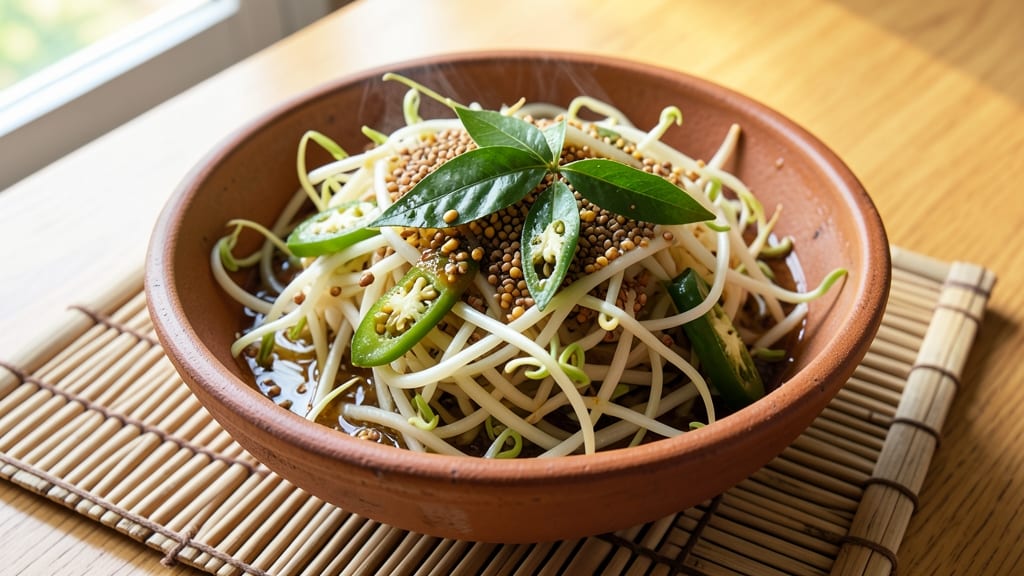
This Indian-style bean sprouts recipe transforms simple sprouts into a vibrant, tangy-tender side dish that steals every meal. The secret lies in the tempering (tadka)—sautéed mustard seeds, curry leaves, and spices that bloom into aromatic magic—paired with a tamarind kiss that balances crispness with depth.
I developed this after discovering how a few key techniques could elevate sprouts from bland to bold, perfect for pairing with roti or rice.
The recipe begins with blanching sprouts to lock in crisp-tender texture, then tosses them in a zesty tamarind-spice mix that cuts through the earthiness. Traditional Indian spices like cumin, coriander, and a pinch of asafoetida (hing) add layers of warmth without overpowering.
The dish is vegetarian by nature but easily accommodates paneer or yogurt for added protein, making it versatile for any meal.
What you’ll end up with is a vibrant green dish bursting with texture—crisp edges, tender sprouts, and a tangy-spiced coating that clings to every bite.
The aroma alone will have everyone reaching for seconds, while the bright flavors make it a standout side for curries, biryanis, or even as a standalone appetizer. Ready in 20 minutes, it’s the perfect balance of quick and restaurant-worthy.
For extra depth, finish with a sprinkle of fresh cilantro and a squeeze of lemon—trust me, this final touch elevates the dish to another level. Whether you’re serving a family dinner or prepping for a gathering, this recipe delivers authentic Indian flavors without the fuss. Let’s get cooking!
Ingredients for bean sprouts recipe indian style
Fresh sprouts meet aromatic spices for a vibrant, tangy side dish that’s quick and restaurant-worthy.
| Ingredient | Amount | Notes |
|---|---|---|
| Fresh Bean Sprouts 🌱 | 4 cups | Trimmed, rinsed thoroughly |
| Yellow Mustard Seeds 🌶️ | 1 tbsp | For authentic tadka flavor |
| Curry Leaves 🌿 | ¼ cup | Fresh, whole leaves preferred |
| Green Chilies 🌶️ | 2 whole | Slit lengthwise, adjust heat |
| Asafoetida (Hing) 🌿 | ⅛ tsp | Pinch for umami depth |
| Ground Cumin 🌶️ | ½ tsp | Toasted for aromatic punch |
| Ground Coriander 🌿 | ½ tsp | Freshly ground preferred |
| Tamarind Paste 🍋 | 1 ½ tbsp | Adjust for tanginess |
| Fresh Cilantro 🌿 | ¼ cup | Chopped, for garnish |
| Lemon Juice 🍋 | 1 tbsp | Freshly squeezed |
| Olive Oil 🫒 | 2 tbsp | For sautéing |
| Salt 🧂 | ½ tsp | Adjust to taste |
| Turmeric Powder 🌶️ | ¼ tsp | For vibrant color |
| Ginger Garlic Paste 🧄 | 1 tbsp | Homemade or store-bought |
The mustard seeds and curry leaves are non-negotiable for that authentic tadka flavor. Whole curry leaves are best—frozen works in a pinch, but fresh from an Indian grocery store (like Patel Brothers or Patel Brothers online) gives the deepest aroma. If you can’t find fresh, dried curry powder at half the amount is a decent swap, though it won’t bloom the same way. For the tamarind paste, Mamee brand is my go-to—it’s consistent and blocks of tamarind pulp work too, just steeped in hot water. The bean sprouts should be crisp-tender after blanching, so trim any wilted ends before using. If your sprouts are older, soak them in cold water for 10 minutes first to revive them.
No fresh curry leaves? Dried curry powder at half the amount works, but the flavor won’t be the same—think of it as a backup plan. Short on tamarind? Lime juice plus a pinch of sugar mimics the tang, though it’s not identical. The green chilies can be swapped for red if that’s what’s on hand, but green has a brighter, fresher bite. Asafoetida (hing) is the secret weapon here—if you’ve never used it, start with a tiny pinch and taste as you go. It’s available at Indian markets or online, and a little goes a long way. For the ginger garlic paste, homemade is ideal (just blend fresh ginger and garlic with water), but store-bought works in a pinch—just check the ingredients for additives.
Blanched sprouts keep for 2 days in the fridge if stored in an airtight container with a paper towel to absorb moisture. The spice mix, once combined, stays potent for 2 weeks in a sealed jar. Double the batch and freeze half—perfect for quick weeknight sides. To reheat, just toss with a splash of water and a pinch of salt over low heat. The lemon juice and cilantro should always be added fresh at the end—they’re what brightens the dish and make it feel restaurant-quality. If prepping ahead, store the cooked sprouts without the garnish and add it right before serving.
Why You'll Love This Recipe
- No-Fuss Pantry Staples: I swear by this recipe because it uses ingredients I already have—no last-minute grocery runs. Bean sprouts, mustard seeds, and curry leaves? Those are my go-to crunchy, flavor-packed basics that turn into something magical with just a splash of oil and a pinch of hing.
- Tangy Heat in Minutes: That first sizzle of mustard seeds and green chilies? Instant flavor explosion. The hing deepens the aroma while the curry leaves add a citrusy punch—it’s the kind of taste that makes me reach for seconds without even thinking.
- Lunchbox Hero: Between us, this is my secret weapon for packed lunches. Keeps well for two days in the fridge, stays crisp when reheated (or cold, no judgment), and my kids actually eat it—no sad, uneaten salads here.
- Budget Crunch Fighter: Honestly, this recipe costs me pennies per serving. Fresh sprouts are cheap, spices last forever, and I can stretch one batch into three meals. It’s the kind of dish that makes me feel like I’m feeding my family gourmet without breaking the bank.
Step-by-step instructions for Indian-style bean sprouts
Here's how to achieve that perfect balance of crisp-tender sprouts with bold South Indian flavors.
Prepare the Tadka Base
Heat the 2 tablespoons olive oil in a large, heavy-bottomed skillet over medium heat. Add the 1 tablespoon yellow mustard seeds and let them sizzle for 30 seconds until they pop and turn golden. This is your signal to add the 0.25 cup curry leaves and the 2 whole green chilies (slit lengthwise).
Cook for another 30 seconds until the curry leaves darken slightly and the chilies soften. Here's where it gets aromatic - immediately add the 0.125 teaspoon asafoetida (hing). The skillet will fill with a pungent, umami-rich aroma that's unmistakably Indian. Stir constantly for 10 seconds to distribute this flavor bomb evenly.
Toast the Spices and Add Turmeric
Quickly add the 0.5 teaspoon ground cumin and 0.5 teaspoon ground coriander, stirring for 20 seconds until the spices release their fragrance. The cumin should darken slightly and the coriander will take on a toasty aroma. Reduce heat to medium-low and add the 0.25 teaspoon turmeric powder, stirring for 10 seconds to bloom its vibrant color.
This is the moment that matters: the spices should be hot enough to toast but not burn. If they start smoking, immediately reduce heat to low. The goal is to develop those deep, complex flavors without bitterness. You'll know you've done it right when the skillet smells like a bustling Indian street market.
Cook the Ginger Garlic and Tamarind
Add the 1 tablespoon ginger garlic paste and cook for 1 minute until the raw aroma disappears and you're left with a sweet, aromatic base. Here's the thing - don't rush this step. The paste needs time to cook down and meld with the spices. You'll see the oil separate slightly from the paste, which is perfect.
Next, add the 1.5 tablespoons tamarind paste and stir for 30 seconds until it dissolves completely. The mixture should take on a glossy, slightly sticky consistency. If you notice any lumps, add 1 tablespoon warm water to help it incorporate smoothly. The tamarind will give your sprouts that signature tangy kick that balances the earthy spices.
Add and Cook the Bean Sprouts
Increase heat to medium-high and add the 4 cups fresh bean sprouts, tossing gently to coat them evenly in the spice mixture. Cook for 4-5 minutes, stirring every 30 seconds, until the sprouts turn a vibrant green and develop a slight crispness. You're aiming for tender-crisp texture - they should be cooked through but still hold their shape when squeezed gently.
This is where you'll need to pay close attention. The sprouts cook quickly, and you don't want them to turn mushy. If you notice any sprouts starting to soften too much, reduce heat to medium and continue cooking for another 30 seconds. The perfect batch should have a satisfying crunch while still being completely tender.
Finish with Lemon and Cilantro
Remove the skillet from heat and stir in the 1 tablespoon lemon juice and 0.5 teaspoon salt. The acidity will brighten all the flavors and cut through the richness of the spices. Let the mixture sit for 1 minute to allow the lemon to fully integrate. Finally, fold in the 0.25 cup fresh cilantro, reserving a small handful for garnish.
Taste and adjust the seasoning if needed - you might want to add a pinch more salt or a splash of lemon juice to achieve the perfect balance. Serve immediately while the sprouts are still crisp-tender, garnished with the reserved cilantro. The contrast of temperatures will make each bite even more satisfying.
Pro Tips For Making Bean Sprouts Recipe Indian Style
- Sauté Mustard Seeds Fast: Toss them in on medium-high heat—not high enough to burn, but hot enough to pop in 10-15 seconds. I used to let them simmer, and they’d turn bitter. Crank the flame right after adding oil, then drop it down once they start jumping.
- Rinse Sprouts Twice: Give those sprouts a cold water rinse, then drain and repeat. The first wash removes dirt; the second chases away any lingering grit that’ll make your dish taste gritty. Trust me, your teeth will notice the difference.
- Crush Hing First: Grind the asafoetida into a fine powder before adding it to the oil. Whole grains burn easily and leave a weird, bitter aftertaste. A quick pulse in a mortar or spice grinder makes all the difference—your dish will smell like a proper South Indian kitchen.
- Toss Sprouts Dry: Drain the sprouts thoroughly, then pat them dry with a clean towel. Wet sprouts steam instead of sizzle, and you’ll end up with a sad, soggy pile. A quick shake in a colander first saves you from the towel step later.
Perfect pairings for this bean sprouts recipe indian style
South Indian Staples
Pair these bean sprouts with dosa or idli for a classic South Indian breakfast combo. The crisp-tender sprouts cut through the soft, fluffy texture of dosa, while their tangy-spiced flavor complements the fermented notes of idli.
I love serving them with coconut chutney on the side—the cool creaminess balances the heat from the green chilies. 🌱
North Indian Complements
For a North Indian twist, serve alongside roti or naan. The sprouts' vibrant flavors stand up to rich curries like dal makhani or butter chicken, adding a fresh, crunchy contrast.
A dollop of raita (yogurt with cucumber or boiled potatoes) keeps the meal light and refreshing. I often add grilled paneer to make it heartier.
Tangy Beverage Pairings
Cool down the spice with mango lassi—the sweet-tart yogurt drink cuts through the tangy tamarind and earthy spices beautifully. For something sharper, try nimbu pani (Indian lemonade) with a pinch of salt and roasted cumin powder.
Even a sparkling lime soda works if you want a fizzy contrast to the sprouts' texture. 🍹
Protein Boosters
Turn this into a full meal by adding grilled chicken or tofu for extra protein. The sprouts' tangy-spiced profile pairs perfectly with smoky grilled meats or crispy tofu. I also love tossing in crumbled paneer during the last minute of cooking—it soaks up the flavors and adds a creamy texture.
For vegans, skip the ghee and use olive oil instead.
Global Fusion Twists
Get creative with global pairings! Serve with sushi rice and miso soup for an Asian fusion bowl, or alongside garlic bread and balsamic glaze for an Italian-inspired meal. The sprouts' tangy-spiced kick works surprisingly well with quesadillas—just add some shredded cheese and salsa for a Tex-Mex twist. 🌎
Garnish Upgrades
Elevate the dish with toasted coconut flakes for crunch, crispy fried onions for sweetness, or seeds like sesame or pumpkin for extra texture. A drizzle of chili oil adds heat, while pickled onions bring a bright, tangy contrast.
I like finishing with lemon zest for an extra citrusy punch that makes the flavors pop. ✨
Nutrition facts
Frequently asked questions
Can I use dried bean sprouts instead of fresh?
Fresh bean sprouts are ideal for this recipe because they hold their crisp-tender texture best. If you must use dried sprouts, soak them in warm water for 4-6 hours (or overnight) until they're plump and tender. Drain well and pat dry before cooking. They won't have the same snap as fresh, but they'll still work in a pinch.
What if I don't have tamarind paste?
No problem! Mix 1 tablespoon lemon juice with ½ teaspoon sugar to mimic tamarind's tangy-sweet balance. For deeper flavor, add ¼ teaspoon amchur (dry mango powder)**strong> if available. The dish will still be bright and flavorful, just with a slightly different profile.
Can I make this recipe vegan?
Simply replace the olive oil with vegan oil (like coconut or sunflower) and omit any ghee. The recipe already uses plant-based ingredients, so no other substitutions are needed. The tangy-spiced flavors shine just as well without dairy.
How do I prevent the sprouts from turning mushy?
Keep heat at medium-high and stir frequently during cooking. The sprouts should cook for only 4-5 minutes total. If they start softening too quickly, reduce heat to medium and cook for 1-2 minutes less. Always use fresh, firm sprouts—older sprouts break down faster.
Can I make this ahead of time?
For best texture, serve immediately after cooking. However, you can prep the spice mixture (tadka) up to 2 days ahead and store in an airtight container. Reheat gently before adding the sprouts. The finished dish keeps for 1-2 hours at room temperature, but texture will soften over time.