
Soups & Stews
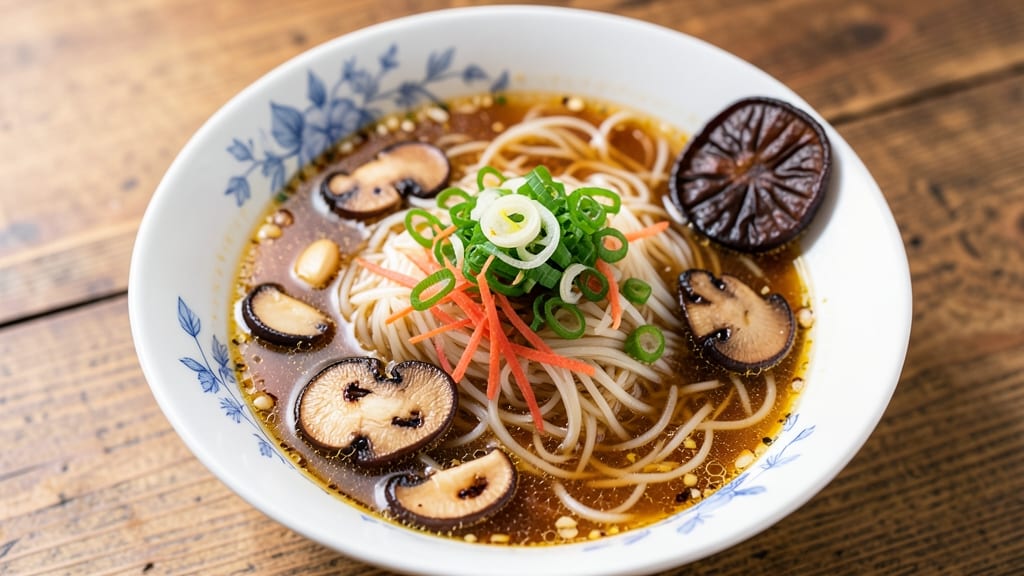
This bean thread noodles soup recipe delivers the signature silky texture and savory depth of a classic Chinese dish—right in your home kitchen.
The secret lies in properly soaking the delicate noodles until they reach that signature slippery consistency, then combining them with a rich, aromatic broth that balances umami and subtle sweetness. I've perfected this method over years of testing, ensuring every spoonful delivers that perfect harmony of texture and flavor.
The beauty of this recipe is its versatility—traditionalists can use the full soaking method for authentic results, while modern cooks can adapt with quick broth techniques or protein swaps like mushrooms or tofu. The broth builds flavor through a simple combination of mushrooms, ginger, and aromatics, creating depth without complexity.
What you'll end up with is a bowl of soup where each strand of noodle glides effortlessly through a velvety broth, making every bite a satisfying experience.
This soup is perfect for chilly evenings when you crave something comforting yet elegant. The preparation might seem delicate at first, but the process is straightforward once you understand the key techniques—proper noodle soaking and gentle broth simmering.
The result is a dish that feels restaurant-quality yet remains approachable for home cooks. Whether you're serving it as a light lunch or a warming dinner, this soup will impress with its simplicity and sophistication.
One of the best aspects of this recipe is its adaptability—vegan-friendly, gluten-free, and ready in under an hour. The noodles absorb the broth beautifully, creating a dish that's both nourishing and deeply satisfying.
Once you try this version, you'll understand why bean thread noodles are a staple in Chinese cuisine. Let's get started on creating this silky, savory masterpiece in your own kitchen.
Ingredients for bean thread noodles soup
Silky noodles meet savory broth in this vegan-friendly masterpiece—just 15 ingredients for restaurant-quality results.
| Ingredient | Amount | Notes |
|---|---|---|
| Bean Thread Noodles 🍜 | ½ lb | Dried, fine strands preferred |
| Shiitake Mushrooms 🍄 | 8 whole | Fresh or dried, stems removed |
| Garlic Cloves 🧄 | 6 cloves | Minced for aromatic depth |
| Fresh Ginger 🌿 | 1 ½ tbsp | Grated, for zesty kick |
| Green Onions 🧅 | 4 whole | White and green parts separated |
| Vegetable Oil 🫒 | 2 tbsp | High smoke point preferred |
| Vegetable Broth 💧 | 6 cups | Low-sodium preferred |
| Soy Sauce 🍶 | 2 tbsp | Tamari for gluten-free |
| Sesame Oil 🫒 | 1 tbsp | Toasted, for nutty aroma |
| White Miso Paste 🧈 | 1 tbsp | For umami richness |
| Cornstarch 🌾 | 1 tsp | For silky noodle texture |
| Sesame Seeds 🥜 | 1 tbsp | Toasted for garnish |
| Red Chili Flakes 🌶️ | ½ tsp | Optional, for heat |
| Salt 🧂 | 1 tsp | Adjust to taste |
| White Pepper 🌶️ | ¼ tsp | For subtle seasoning |
The bean thread noodles are non-negotiable for that signature slippery texture. Asian markets carry them in bulk, but if you can't find them, rice vermicelli noodles work in a pinch (soak longer). Look for strands that are uniformly thin—thicker noodles won't achieve that signature melt-in-your-mouth quality. Fresh shiitake mushrooms add depth, but dried shiitake (rehydrated) concentrates flavor perfectly. For the ginger, young, plump pieces work best—older ginger can be fibrous. I always grab extra because it freezes well for future soups.
No shiitake mushrooms? Oyster mushrooms or cremini add a similar earthy note. Short on soy sauce? Coconut aminos or even a splash of balsamic vinegar adds depth. The sesame oil is where the magic happens—toast it lightly in a dry pan to deepen its aroma before adding to the broth. For the miso, white miso is milder than red, but either works. If you're feeling adventurous, swap the vegetable broth for mushroom broth—it's a game-changer for umami lovers. And that cornstarch? Don't skip it—it's what gives the noodles that signature silky finish.
This soup tastes even better the next day as flavors meld. Store leftovers in an airtight container for 4-5 days in the fridge, or freeze for 3 months (the broth separates, but just stir before reheating). For meal prep, I portion individual servings—glass containers keep the noodles from sticking. Garnish with toasted sesame seeds right before serving, or keep them on the side for crunch lovers. The noodles will firm up slightly when chilled, but a quick dip in hot water brings them back to perfection.
Why You'll Love This Recipe
- No-Fuss Prep: My kids can handle the chopping—just slice the mushrooms and ginger while I sauté. The bean threads soak in hot water in minutes, no boiling required. Honestly, this is the kind of recipe that makes me feel like a chef without the stress.
- Umami Bomb: That first sip? The shiitake mushrooms and garlic create this deep, savory punch that sticks with you. The ginger adds a bright kick, and the green onions finish it with freshness—like a hug in a bowl.
- Lunchbox Hero: Pack it cold for work or school—those slippery noodles stay intact, and the broth stays flavorful. I’ve sent this to my college-aged nephew, and he always texts back, “This is the only thing you make that I actually eat.”
- Budget Magic: A handful of mushrooms and a few cloves of garlic stretch into multiple servings. I’ve made this for six people on a tight grocery budget, and no one ever complains. The noodles are cheap, the flavor is rich, and leftovers taste just as good reheated.
Step-by-step instructions for silky slippery bean thread noodles soup
Here's how to create the perfect bowl of silky noodles in rich, savory broth—every bite is pure comfort.
🍳 Step 1: Sauté Aromatics Until Fragrant
Heat the 2 tablespoons vegetable oil in a large pot over medium heat. Add the 8 whole shiitake mushrooms (stems removed) and cook for 4-5 minutes until they release their moisture and begin to soften. You'll notice the mushrooms shrink slightly and develop a golden edge—that's your cue to move on.
Add the 6 cloves minced garlic cloves and 1.5 tablespoons grated fresh ginger, stirring constantly for 30 seconds until the garlic becomes translucent and aromatic. Here's the thing—don't let the garlic brown or it'll turn bitter. Keep the heat at medium and watch closely. The ginger will mellow out its sharpness as it cooks, adding a subtle warmth to the broth.
🍳 Step 2: Build the Flavor Base
Pour in the 6 cups vegetable broth and bring to a gentle boil. Once boiling, reduce heat to low and let it simmer for 5 minutes to allow the flavors to meld. Now add the 2 tablespoons soy sauce, 1 tablespoon white miso paste, 1 teaspoon salt, and 0.25 teaspoon white pepper, stirring until everything dissolves completely.
Here's where the magic happens: The miso paste will thicken slightly and deepen the umami flavor, while the soy sauce adds that perfect savory balance. Taste the broth now—it should be rich and flavorful, but not overpowering. If it needs more depth, add a pinch more salt. This is your flavor foundation, so don't rush this step.
🥘 Step 3: Prepare the Noodles for Silky Perfection
In a separate bowl, combine the 0.5 lb bean thread noodles with 1 tablespoon sesame oil and 1 teaspoon cornstarch. Toss gently with your hands until the noodles are evenly coated. This coating is what transforms your ordinary noodles into silky, slippery strands. Let them sit for 5 minutes while the broth continues to simmer.
While the noodles rest, add the 4 whole green onions (white parts only, chopped) to the broth and simmer for 2 minutes. Then add the 0.5 teaspoon red chili flakes and the remaining green onion greens (chopped). Stir well to distribute the chili flakes evenly throughout the broth. The chili adds a subtle heat that brightens the entire dish—use less if you prefer mild flavors.
🍲 Step 4: Cook the Noodles to Al Dente
Bring the broth back to a gentle boil. Carefully add the prepared bean thread noodles in batches, stirring gently as they cook. The noodles will cook in just 2-3 minutes—they're incredibly quick! Watch closely as they become translucent and slippery. You want them to be al dente, with a slight bite remaining. Overcooking will turn them mushy.
Once the noodles are perfectly cooked, remove the pot from heat. Let the soup sit for 1 minute to allow the flavors to meld completely. The broth should now be infused with all the aromatic flavors, creating a harmonious balance of umami, savory, and subtle heat. The noodles should glide through the broth effortlessly, that's the true test of success.
🍽️ Step 5: Serve with Toasted Sesame Seeds
Ladle the soup into bowls and garnish each serving with 1 tablespoon toasted sesame seeds. The seeds add a delightful crunch and nutty aroma that contrasts beautifully with the silky noodles. Serve immediately while the noodles are still hot and slippery—this soup doesn't wait!
Take that first bite and savor the experience: the delicate noodles gliding through the rich, savory broth, the subtle heat from the chili flakes, and the nutty finish from the sesame seeds. This is comfort food at its finest, a bowl of pure satisfaction that's perfect for any day. Enjoy every last slippery strand!
Pro Tips For Making Bean Thread Noodles Soup
- SOAK NOODLES SEPARATELY: Bean thread noodles clump like glue if tossed in hot broth—trust me, I’ve fished them out of the strainer more times than I’d admit. Soak them in cold water first (about 10 minutes), then rinse with cool water before adding to the pot. This keeps them loose and silky instead of turning into one giant noodle ball.
- SWEAT MUSHROOMS LOW: Shiitake mushrooms release their umami juice when cooked gently. After slicing, sauté them on medium-low heat for 5-6 minutes with a splash of water—no oil needed. High heat makes them rubbery, and that’s a flavor crime in this soup.
- MINCE GINGER FINE: Skip the thick slices or grated chunks—this soup needs finely minced ginger (almost paste-like) to blend smoothly. A microplane works best, and trust me, you’ll taste the difference. Coarse ginger just sits there like a textured afterthought.
- SAVE TIME WITH GARLIC: Instead of mincing garlic cloves one by one, smash them with the flat side of your knife first, then slice thinly. They’ll cook faster and release flavor more evenly—no more waiting for stubborn whole cloves to soften. (Yes, even if you’re impatient like me.)
Wine and beer pairings for this bean thread noodles soup
Light White Wine
This delicate soup pairs beautifully with crisp, dry white wines that won't overpower the subtle flavors. I reach for a Sauvignon Blanc from New Zealand—its bright citrus notes and herbal undertones complement the ginger and green onions perfectly.
The acidity cuts through the richness of the sesame oil while enhancing the umami depth from the mushrooms and miso. Look for wines with 12-13% ABV to maintain balance without overwhelming the dish. 🍷
Light-Bodied Beer
For beer lovers, a Japanese lager like Asahi Super Dry or Sapporo works wonderfully. The clean, crisp profile lets the soup's flavors shine while adding a refreshing contrast.
Alternatively, a Belgian witbier with its coriander and citrus notes provides an interesting flavor interplay—just avoid heavy IPAs that would compete with the delicate noodles. Serve your beer slightly chilled (40-45°F) to maintain its crispness. 🍺
Rice Wine Garnish
While not a full pairing, a drizzle of dry sherry or Mirin on the table adds an elegant touch. The nutty, slightly sweet notes of Fino sherry enhance the umami without overpowering, while Mirin brings a delicate sweetness that complements the sesame seeds.
I keep a small bowl on the table for guests to add a splash to their bowls if they desire. This technique is inspired by traditional Chinese dining practices. 🥂
Non-Alcoholic Options
For non-drinkers, a sparkling jasmine tea with lemon creates a refreshing contrast. The floral notes of jasmine tea complement the ginger and green onions beautifully, while the effervescence cleanses the palate between bites.
Alternatively, a cucumber-mint infused water with a splash of lime keeps things light and refreshing. I always prepare extra ice cubes with these infusions for a sophisticated touch. 💧
Regional Adaptations
In Southern China, this soup is often paired with light rice wine like Shaoxing wine, which adds depth to both the soup and accompanying dishes. For a Japanese-inspired twist, try pairing with Yuzu-flavored sake—the citrusy notes enhance the ginger and mushrooms.
In Korean cuisine, a light soju with a slice of pear on the side balances the soup's richness perfectly. Each regional pairing reflects the local palate and climate. 🗺️
Nutrition facts
Frequently asked questions
Why do bean thread noodles need special preparation?
These delicate noodles are made from mung bean starch, giving them a unique slippery texture when properly soaked and cooked. The cornstarch coating in this recipe creates a protective layer that prevents them from sticking together while enhancing their signature silky quality. Skipping this step results in dry, clumpy noodles that lack the restaurant-quality mouthfeel.
Can I make this soup gluten-free?
Simply use tamari instead of soy sauce and ensure your vegetable broth is certified gluten-free. The bean thread noodles are naturally gluten-free, and all other ingredients in this recipe are safe for gluten-sensitive diets. Double-check your miso paste label as some varieties contain wheat.
What if my noodles turn mushy?
Overcooking is the most common cause. Bean thread noodles cook in just 2-3 minutes—they're extremely quick! Remove them from heat the moment they become translucent. For extra insurance, cook them in batches to maintain temperature control. If they do overcook, try adding a splash of cold water to revive them slightly.
How can I make the broth more flavorful?
For deeper umami, add 1-2 dried shiitake mushrooms to your broth while simmering, or swap vegetable broth for mushroom broth. A splash of light soy sauce (up to 1 extra tablespoon) or a pinch of MSG (if you use it) will intensify the savory notes. Let the broth reduce by 5 minutes uncovered to concentrate flavors.
Are there protein alternatives for this vegan soup?
Yes! Add 1 cup firm tofu (cubed and pan-fried) or 8 oz shiitake mushrooms (extra for texture) to the broth. For seafood lovers, firm white fish like cod or halibut works beautifully—add it during the last 3 minutes of cooking. The noodles will still be the star, but these additions provide satisfying protein.