
Beverages
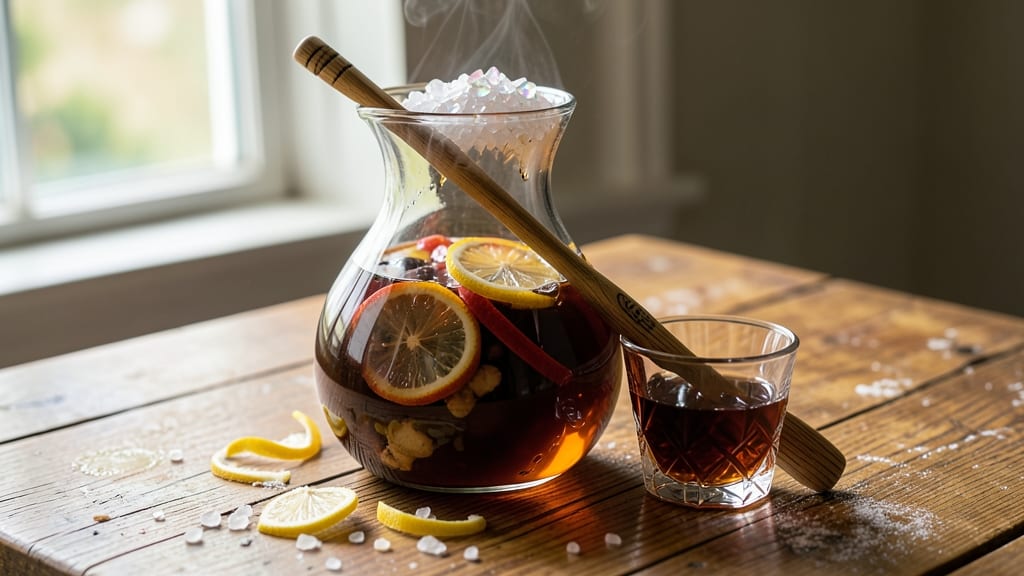
This fermented bean wine recipe transforms humble legumes into a complex, tangy beverage with surprising depth—think effervescent depth like kombucha meets the earthy richness of miso. The process may sound intimidating, but mastering the soak, ferment, and age stages yields a drink that’s both traditional and refreshingly modern.
I’ve refined this method over years to ensure safety and consistency, whether you’re replicating Korean kongnamu or creating your own signature blend.
The beauty of bean wine lies in its simplicity: just beans, water, and time. You’ll start with a sterile soak to prepare the beans, then move through controlled fermentation stages where natural enzymes convert starches into alcohol and carbonation.
The key is patience—each week of aging develops more complexity, from bright tanginess to subtle umami notes. This isn’t just a drink; it’s a project that rewards experimentation with flavors like ginger, citrus, or even a touch of honey.
What you’ll end up with is a cloudy, effervescent beverage with layers of flavor—think crisp apple cider meets fermented soy sauce. The bubbles come from natural carbonation during fermentation, while the depth comes from prolonged aging.
It’s the kind of drink that pairs perfectly with spicy dishes or sips beautifully on its own. Safety is critical, so we’ll cover sterilization and monitoring alcohol levels to ensure a smooth, reliable process.
Perfect for sipping, gifting, or even using as a marinade base, this bean wine adapts to your taste. Whether you’re drawn to traditional methods or want to experiment with modern twists, the result is a beverage that’s uniquely yours. Let’s get started on creating something extraordinary from simple ingredients.
Ingredients for bean wine
Simple ingredients transform into a complex fermented drink with layers of umami and effervescence.
| Ingredient | Amount | Notes |
|---|---|---|
| Dried Black Soybeans 🌱 | 1 cup | Organic preferred for fermentation |
| Filtered Water 💧 | 4 cups | Non-chlorinated for fermentation |
| Raw Organic Sugar 🍬 | ½ cup | Feeds fermentation microbes |
| Fresh Ginger Root 🧡 | ½ inch | OR 1 tbsp freshly grated |
| Organic Lemon Peel 🍋 | 1 tbsp | Dried, finely chopped |
| Sea Salt 🧂 | ½ tsp | Non-iodized for fermentation |
| Raw Honey 🍯 | 1 tbsp | Optional for sweetness |
| Dried Citrus Peel 🍊 | 1 tsp | Orange or tangerine |
| Chlorine Bleach 🧽 | ½ tsp | Food-grade, for sterilization |
| Dried Star Anise 🌿 | 2 whole | Optional aromatic |
| Dried Juniper Berries 🌲 | 2 whole | Optional piney flavor |
| Coconut Water 🥥 | ¼ cup | For fermentation starter |
The black soybeans are the foundation—organic from Asian markets or bulk bins work best for fermentation. Look for whole, undamaged beans; rinse them before soaking. The ginger and citrus peel add complexity, so fresh ginger root (peeled and sliced) trumps powdered versions. For sterilization, food-grade bleach is non-negotiable—it kills unwanted microbes. If you're feeling adventurous, add the star anise and juniper berries for a Korean-inspired twist. These spices steep beautifully during fermentation.
No organic soybeans? Black-eyed peas or lentils work in a pinch, though flavor will differ. Short on ginger? Cardamom pods add warmth. The coconut water starter can be swapped for a small amount of store-bought kombucha**—just ensure it's unpasteurized. For sweetness, agave or maple syrup replaces honey 1:1. The bleach sterilization step is critical—rinse thoroughly after use. If you're concerned about chlorine, let your tap water sit out for 24 hours before using. The sugar and salt balance fermentation; don't adjust unless you're experienced with brewing.
Store unopened ingredients in airtight containers—beans in the fridge, spices in a cool pantry. Once mixed, the fermentation blend keeps for 3 months refrigerated—but it's best fresh. For aging, use sterilized glass jars with airlocks to prevent contamination. The final product bubbles naturally; if you want more fizz, transfer to a sealed bottle and let it sit at room temperature for 24 hours before chilling. Freeze extras in ice cube trays** for single servings.
Why You'll Love This Recipe
- Just Four Ingredients: I swear, this recipe is one of those rare ones where the ingredient list is shorter than the grocery bag you’d normally haul home. Soak the dried black soybeans overnight, toss in ginger and lemon peel for depth, and sweeten with raw sugar—no fancy techniques, just patience and a pot.
- Earthy-Sweet Magic: That first sip? It’s like warm, spiced tea meets a cozy hug. The ginger and lemon peel brighten the deep, nutty richness of the soybeans, while the raw sugar keeps it from tasting medicinal. Honestly, it’s the kind of flavor that makes you want to pour a second glass before dinner even starts.
- Gift-Worthy in Minutes: Between us, this is the perfect homemade gift—elegant, thoughtful, and way cheaper than store-bought liqueurs. Package a bottle with a ribbon, and suddenly you’ve got a hostess favorite that’s still in your budget. (Yes, even on a Tuesday night.)
- Shelf-Stable Treasure: Once fermented, this stuff lasts months in the fridge, making it my go-to for last-minute gatherings or when I forget to meal prep. A splash in cocktails, a sip neat, or even a glaze for roasted meats—it’s the ultimate pantry MVP that never goes to waste.
Step-by-step instructions for fermenting bean wine
Transform humble dried soybeans into a complex, effervescent wine with layers of spice and citrus.
Sterilize Equipment and Prepare the Base
Start by thoroughly cleaning all glassware and utensils with hot, soapy water, then rinse and sanitize by soaking them in a solution of 1 teaspoon food-grade chlorine bleach dissolved in 1 quart of water for 5 minutes. This critical step prevents unwanted microbial contamination during fermentation. Rinse everything well with filtered water afterward to remove any bleach residue.
In a large, non-reactive pot, combine the 1 cup dried black soybeans with the 4 cups filtered water. Bring to a boil over medium-high heat, then immediately reduce to a gentle simmer and cook for 2 hours, stirring occasionally to prevent sticking. The beans will soften significantly and release their starchy content into the liquid, creating a thick, cloudy base. This step builds the foundation for fermentation and flavor development.
Infuse and Sweeten the Fermenting Mixture
While the beans simmer, prepare the aromatic components by crushing the 2 whole dried star anise and 2 whole dried juniper berries lightly with a mortar and pestle to release their essential oils. Add these to the pot along with the 0.5 inch fresh ginger root (peeled and sliced if using the fresh version), 1 tbsp organic lemon peel, 1 tsp dried citrus peel, and 0.5 tsp sea salt. Stir well to combine.
Remove the pot from heat and let the mixture cool to room temperature (about 70°F). Once cooled, whisk in the 0.5 cup raw organic sugar and 1 tbsp raw honey until fully dissolved. This sweetener provides essential nutrients for the yeast to convert into alcohol and carbonation. For the starter culture, add the 0.25 cup coconut water—its natural enzymes will kickstart fermentation. The mixture should smell vibrantly of citrus, ginger, and subtle pine notes from the juniper.
Ferment and Develop Complexity
Transfer the cooled mixture to a clean, airtight glass container, leaving about 2 inches of headspace to prevent overflow as gases build. Cover the container loosely with a cloth or fermentation lid to allow carbon dioxide to escape while keeping contaminants out. Store in a dark, warm place (around 75°F) for 7 days, stirring gently once daily to redistribute yeast and prevent a skin from forming.
After 7 days, you’ll notice bubbles forming and a slight effervescence when the container is shaken. This indicates active fermentation. Taste a small amount—it should be tangy, slightly sweet, and developing a complex aroma. If the flavor is too harsh or the fermentation feels too vigorous, transfer the mixture to a secondary container to slow it down. Continue fermenting for an additional 10-14 days, tasting periodically until the alcohol content reaches your desired strength (typically 8-12% ABV for a light, fizzy wine).
Bottle and Age for Depth
Once fermentation slows and the wine reaches your preferred flavor profile, carefully siphon it into sanitized glass bottles, leaving about 1 inch of headspace to allow for future carbonation. Seal the bottles with airtight lids and store them in a cool, dark place for at least 3 months to age. During this time, the flavors will mellow, and the wine will develop a refined balance of sweetness, acidity, and spice.
After aging, the wine should have a golden hue, a lively effervescence, and a flavor profile that harmonizes the earthy soybeans with bright citrus, warm ginger, and subtle piney juniper notes. Serve chilled in small glasses to appreciate its complex layers. This bean wine pairs beautifully with spicy dishes, rich desserts, or even as a refreshing aperitif on its own.
Pro Tips For Making Bean Wine
- SOAK BEANS OVERNIGHT: Dried black soybeans need at least 12 hours in filtered water to soften properly—don’t cut corners. I learned this the hard way when my first batch turned out mushy and uneven; the skins just wouldn’t break down right.
- PEEL LEMON THINLY: Use a vegetable peeler for the lemon—thin, even strips infuse flavor without bitterness. Thick slices sit like soggy rafts, and nobody wants that in their fermented drink.
- SIMMER GINGER LOW AND SLOW: Crushed ginger burns faster than you’d think. Keep the heat at a bare simmer (just small bubbles) for 20 minutes—any hotter and it turns into bitter mush.
- STRAIN THROUGH CLEAN CHEESECLOTH: Skip the coffee filter—it clogs and leaves residue. Fold cheesecloth into a double layer, squeeze every last drop, and let it drain for 10 minutes. Your wine will be crystal clear.
Regional styles of this bean wine
Korean Kongnamu
In Korea, bean wine is known as kongnamu, a traditional fermented beverage made primarily with black soybeans and rice. The process is similar but often includes brown rice (about ½ cup) cooked alongside the beans to create a milder, slightly sweeter profile.
Koreans traditionally ferment this mixture in earthenware pots for 2-3 weeks, then age it for months. The result is a cloudy, fizzy drink with a delicate balance of sweetness and umami.
For an authentic twist, replace the juniper berries with 1 tsp toasted sesame seeds and add 1 tbsp rice wine (mirin) during fermentation. 🌿
Chinese Doujiang
Doujiang, or fermented soybean paste wine, is a staple in Chinese cuisine, particularly in Sichuan and Hunan provinces. Unlike the effervescent Korean style, Chinese doujiang is thicker and often used as both a drink and a condiment.
Start with 1 cup fermented black soybeans (douchi) instead of dried beans, and add 1 tbsp fermented chili bean paste—this adds heat and depth. Ferment for 10-14 days in a warm spot, then strain and age for 2 months in a clay jar.
The final product has a rich, almost syrupy texture with a spicy, funky aroma. Serve it chilled or at room temperature with steamed dumplings.
Japanese Amazake-Style
For a lighter, sweeter variation inspired by Japanese amazake, replace half the soybeans with ½ cup cooked rice (like short-grain sushi rice). Add 1 tbsp kuzu (arrowroot powder) to thicken the mixture slightly and include 1 tsp grated yuzu peel for citrus brightness.
Ferment for only 5-7 days to keep the alcohol level low (around 4-6% ABV). This version is less tangy and more dessert-like, perfect for sipping with matcha sweets or as a base for cocktails. The texture is smooth and slightly viscous, almost like a fermented rice milk.
Vietnamese Đậu Phộng Rượu
In Vietnam, bean wine often incorporates peanuts for added richness. Soak ½ cup roasted peanuts alongside the soybeans, then ferment with 1 tsp cinnamon sticks and 1 star anise pod. The peanuts add a creamy, nutty depth that balances the tanginess.
Ferment for 10 days in a warm, humid environment (like a kitchen counter in summer). The result is a slightly thicker, more aromatic wine with a toasty note. Serve it over ice with a sprinkle of crushed peanuts for garnish. This style pairs beautifully with pho or grilled meats.
Modern Fusion Twist
For a contemporary take, blend Korean and Western influences by adding ½ cup apple cider to the fermenting mixture and including 1 tsp vanilla bean seeds. This creates a hybrid wine with apple-like crispness and vanilla sweetness, almost like a sparkling cider-meets-miso drink.
Ferment for 7-10 days, then age for 1 month. The result is a refreshing, slightly effervescent wine with a bright, fruity edge. It’s perfect for brunch or as a non-alcoholic base (skip the coconut water starter) when mixed with sparkling water. 🍏
Nutrition facts
Frequently asked questions
How long does it take to make fermented bean wine?
The entire process takes about 6-8 weeks, including 2 hours of initial cooking, 7-14 days of active fermentation, and at least 3 months of aging. Patience is key—rushing the aging reduces flavor complexity.
Can I use any type of bean for this recipe?
Black soybeans are ideal for their natural fermentation properties, but you can experiment with black-eyed peas, lentils, or mung beans. Each will yield different flavors—soybeans give earthy depth, while mung beans create a lighter, sweeter profile. Always soak beans thoroughly before cooking.
What if my bean wine doesn't bubble?
Lack of bubbles usually means fermentation stalled. Check your temperature—it should stay between 70-75°F. Add 1 tbsp more sugar or 0.25 cup coconut water to feed yeast, then cover loosely and wait 3-5 more days. If nothing happens after a week, start fresh with a new batch.
How do I know when my bean wine is ready to bottle?
Your wine is ready when bubbles slow, the flavor balances sweetness and tang, and the alcohol content reaches 8-12%. Taste daily after 14 days—it should be pleasantly fizzy with no harshness. If it tastes too sharp, ferment longer; if too sweet, add a splash of water before bottling.
Can I make this without alcohol?
Yes! Skip the coconut water starter and reduce fermentation time to 3-5 days at cooler temps (65°F). Add 1 tbsp apple cider vinegar at bottling for tang. The result will be a probiotic-rich, lightly fizzy drink with 0% alcohol. Store refrigerated and consume within 2 weeks.