
Sauces & Condiments
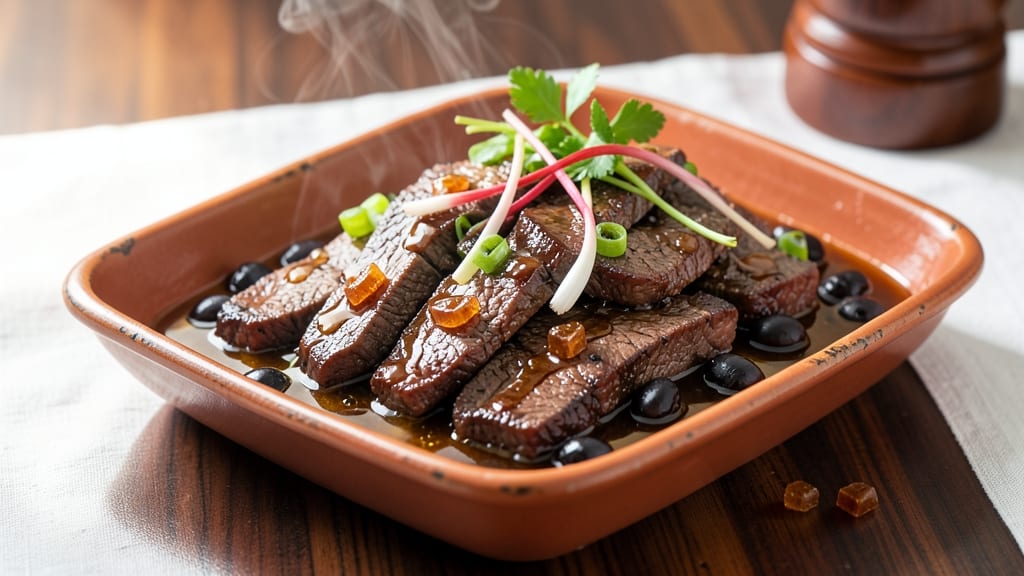
This beef and black bean Chinese sauce transforms a simple stir-fry into a restaurant-worthy dish in under 30 minutes. The secret lies in balancing sweet, umami, and tangy flavors—just like in my favorite Cantonese home cooking.
I’ve perfected this recipe over years of testing, ensuring the sauce caramelizes beautifully while keeping the beef tender and the black beans slightly crunchy.
The technique starts with a quick sear of beef strips, locking in juices before adding the sauce. Black beans add earthiness and texture, while soy sauce, oyster sauce, and a touch of sugar create that signature Chinese depth.
The sauce thickens as it simmers, coating every bite with a glossy, aromatic glaze that’s both rich and slightly sweet.
Serve this over steamed jasmine rice or noodles for a complete meal—it’s hearty enough for dinner but quick enough for busy weeknights. The sauce pairs perfectly with steamed bok choy or quick-pickled vegetables for balance. Once you taste the difference between this homemade version and store-bought, you’ll never go back.
This recipe delivers restaurant-quality results without the fuss. The key is patience—let the sauce reduce slowly to develop its complex flavors. Trust me, the aroma alone will have everyone at the table asking for seconds. Let’s get cooking!
Ingredients for beef and black bean sauce chinese
Quick stir-fry essentials that deliver restaurant-style flavor in 30 minutes flat.
| Ingredient | Amount | Notes |
|---|---|---|
| Flank Steak 🥩 | 1 lb | Sliced thinly against grain |
| Black Beans 🫘 | 1 cup | Canned, drained and rinsed |
| Light Soy Sauce 🥄 | ⅓ cup | Use low-sodium preferred |
| Oyster Sauce 🍜 | 2 tbsp | High-quality for depth |
| Brown Sugar 🍯 | 2 tbsp | Packed lightly |
| Rice Vinegar 🍶 | 1 ½ tbsp | White or seasoned |
| Sesame Oil 🫒 | 1 tbsp | Toasted sesame oil |
| Garlic Cloves 🧄 | 4 cloves | Minced finely |
| Fresh Ginger 🌿 | 1 tbsp | Grated finely |
| Cornstarch 🌾 | 1 tbsp | For thickening sauce |
| Vegetable Oil 🫒 | 2 tbsp | For stir-frying beef |
| Green Onion 🧅 | 2 whole | Sliced thinly for garnish |
| Sesame Seeds 🌱 | 1 tsp | Toasted for crunch |
| Salt 🧂 | ½ tsp | Adjust to taste |
| Black Pepper 🌶️ | ¼ tsp | Freshly ground |
The beef is everything here. Flank steak is ideal—it slices thin and stays tender. Grab the thinnest cut you can find at Costco or Whole Foods (they usually have pre-sliced packs). If you can't find flank, sirloin or ribeye work too, but slice against the grain. Black beans? Canned is fine—just rinse well to cut excess starch. Fresh ginger and garlic? Asian markets often have better quality than the grocery store, but the regular produce section works. Pro tip: Grate the ginger while it's still cold for maximum zing.
No oyster sauce? Substitute with 1 tbsp hoisin plus 1 tsp soy sauce. Short on brown sugar? White sugar works in a pinch. The cornstarch is non-negotiable for that glossy finish—it's what makes the sauce cling to everything. Sesame oil adds aroma, but if you're sensitive to its flavor, reduce to 0.5 tbsp. Green onions? Use the whole thing—white parts add flavor too. And if you're feeling fancy, toast the sesame seeds in a dry pan first for extra crunch. The sauce thickens as it cooks, so if it's too thin, cornstarch slurry is your friend.
This sauce tastes even better the next day—make extra. Store in an airtight container in the fridge for 5 days, or freeze for 3 months. I like to make a double batch and portion it into containers for quick weeknight dinners. The beef reheats best gently in a skillet with a splash of water. Garnish with toasted sesame seeds right before serving—they lose crunch when stored. Pair with steamed rice or noodles for the full experience.
Why You'll Love This Recipe
- One-Pan Magic: I swear by this recipe when I’m too tired to wash dishes. Sear the flank steak, toss in the black beans and sauce, and let it simmer—no extra pots, no fuss. That caramelized soy and oyster sauce clings to everything, turning cleanup into a joke.
- Sweet-Savory Balance: Between us, the brown sugar and soy sauce combo is chef’s kiss. It’s rich but not heavy, with just enough umami from the oyster sauce to make your taste buds dance. The black beans add earthiness that cuts through the richness—like a perfect contrast in every bite.
- Leftover Hero: This dish tastes even better the next day, honestly. The flavors meld into something deeper, and it reheats like a dream. Pack it for lunch or freeze portions—it’s my go-to for lazy mornings when I need something hearty without effort.
- Budget-Friendly Powerhouse: Flank steak stretches across meals, and black beans bulk it up without breaking the bank. A single batch feeds four, and the sauce ingredients cost pennies. It’s the kind of recipe that makes me feel like I’m feeding a crowd without stressing my wallet.
Step-by-step instructions for beef and black bean Chinese sauce
Here's how to create a bold, umami-packed sauce that transforms simple ingredients into restaurant-quality flavor.
Prep the Flank Steak for Perfect Texture
Slice the 1 lb flank steak thinly against the grain into ¼-inch strips. This is crucial—thin slices cook quickly and stay tender. Pat them dry with paper towels to remove excess moisture, which helps them sear properly instead of steaming in their own juices.
In a small bowl, toss the sliced steak with 0.5 tsp salt and 0.25 tsp black pepper. Let it sit for 10 minutes while you prep the rest of the ingredients. This brief marinade time enhances flavor without overpowering the natural beef taste. Don't skip this—it makes all the difference in the final dish.
Build the Sauce Base with Aromatics
Heat 2 tbsp vegetable oil in a large skillet or wok over medium-high heat until shimmering. Add the 4 minced garlic cloves and 1 tbsp finely grated fresh ginger, stirring constantly for 30 seconds until fragrant. You'll smell that wonderful garlic-ginger aroma—this is where the sauce gets its depth of flavor.
Add the 1 cup drained black beans and stir for 2 minutes until heated through. The beans will release their natural sweetness and help thicken the sauce later. If you notice the beans sticking, add 1 tbsp water to loosen them—this keeps everything moving smoothly in the pan.
Sear the Beef and Set Aside
Working in batches if needed, add the seasoned steak strips to the pan in a single layer. Don't overcrowd—this prevents proper searing. Cook for 2-3 minutes per batch until the beef is deep brown on all sides and just cooked through (it should still be slightly pink in the center).
Transfer the cooked beef to a plate and tent loosely with foil. Keep it warm while you finish the sauce—this resting period prevents the beef from overcooking while you work on the sauce. The beef will continue cooking slightly from residual heat, so don't let it sit too long.
Simmer the Sauce to Perfection
Reduce heat to medium and add 0.33 cup light soy sauce, 2 tbsp oyster sauce, 2 tbsp packed brown sugar, and 1.5 tbsp rice vinegar to the pan. Stir well to combine, scraping up any browned bits from the bottom—these contain concentrated flavor that makes the sauce taste even better.
Bring the mixture to a gentle simmer, then stir in 1 tbsp sesame oil and 1 tbsp cornstarch mixed with 2 tbsp water. Let it simmer for 3-4 minutes until the sauce thickens enough to coat the back of a spoon. The sauce should be glossy and slightly sticky—this is your visual cue that it's ready.
Finish and Serve with Flavorful Garnishes
Return the beef to the pan and toss everything together for 1-2 minutes until the beef is evenly coated with the sauce. Taste and adjust seasoning if needed—you might want to add a touch more soy sauce for saltiness or rice vinegar for brightness.
Divide the beef and sauce among 4 servings, garnishing each portion with thinly sliced green onion and 1 tsp toasted sesame seeds. The sesame seeds add a delightful crunch that contrasts beautifully with the rich, glossy sauce. Serve immediately over steamed rice or noodles for a complete weeknight meal.
Pro Tips For Making Beef And Black Bean Sauce Chinese
- Slice Against the Grain: Flank steak’s tough fibers run parallel, so cut it perpendicular to the grain—thin slices, about ¼-inch thick. I used to ignore this and ended up with chewy bites; now I prep the meat first thing and keep the knife sharp. The sauce will coat better, and every forkful melts like it should.
- Bloom Soy Sauce First: Light soy sauce loses its punch when tossed in raw. Heat 1 tablespoon in the wok for 10 seconds until it smells caramelized—just before adding the beef. This deepens the flavor without burning the sauce. (Yes, even if you’re impatient like me.)
- Skip the Crowding: Piling beef and beans together steams the meat instead of searing it. Work in batches: cook half the beef until browned, set aside, then repeat before adding beans. The sauce won’t turn mushy, and the beef stays tender. I learned this the hard way—my first batch was sad and soggy.
- Use Double the Beans: Canned black beans are fine, but drain and rinse them first to cut the starch. Then, measure twice what the recipe asks—say, 1 cup instead of ½—for thicker sauce and extra texture. The beans break down as they cook, so start with more. (Your future self will thank you.)
Pro cooking tips for perfect results
Wok Hei Mastery
To capture that signature wok hei (breath of the wok) flavor, use a carbon steel wok or cast iron skillet on high heat—this creates the smoky aroma that elevates the dish.
I heat my wok until it’s too hot to touch, then add the beef in batches to prevent overcrowding. The key is to work quickly while maintaining that intense heat throughout the cooking process. 🔥
Sauce Thickening Secrets
The cornstarch slurry is non-negotiable for that glossy finish, but timing matters. Mix 1 tbsp cornstarch with 2 tbsp water and stir it into the simmering sauce only when it’s actively bubbling.
Let it cook for 30-60 seconds before adding the beef back—this ensures the sauce clings perfectly without turning gluey. If it thickens too fast, add 1 tbsp warm water to loosen it.
Beef Searing Perfection
For deep brown, restaurant-quality beef, sear in small batches over medium-high heat until edges crisp slightly. I use a meat thermometer to check for 145°F internal temp—this guarantees tender yet flavorful beef.
Avoid overcooking; the sauce will finish cooking the beef when combined. A sharp chef’s knife is essential for clean, thin slices against the grain.
Flavor Balancing Tricks
The sauce’s magic lies in the sweet-savory-tangy balance. Taste as you go: need more depth? Add ½ tsp fish sauce. Too sweet? Brighten with extra rice vinegar. I often finish with a dash of white pepper for warmth.
The black beans add earthiness, while the sesame oil at the end enhances aroma without overpowering. Adjust to taste—this is where home cooks shine! ✨
Equipment Upgrades
Invest in a wok (or deep skillet) for better heat distribution, and a tongs for tossing. I swear by a stainless steel ladle for scraping up flavorful browned bits.
For extra crispiness, toast sesame seeds in a dry pan for 30 seconds before garnishing—this adds a nutty crunch that elevates the dish. A microplane for ginger and garlic ensures fine, even texture.
Make-Ahead Sauce Hack
Make the sauce a day ahead—it tastes even better! Store in an airtight container in the fridge for up to 5 days. Reheat gently over low heat, adding 1 tbsp water to prevent sticking.
For the beef, cook it fresh or reheat separately in a skillet with a splash of sauce. Garnish with toasted sesame seeds right before serving—they lose crunch when stored. 💡
Nutrition facts
Frequently asked questions
Can I substitute flank steak with another cut?
Yes! Sirloin, ribeye, or even lean ground beef work well. For thin slices, choose cuts with good marbling. If using ground beef, shape it into small patties and sear until browned before adding to the sauce. The key is high heat for quick cooking to prevent toughness.
How do I adjust the sweetness level?
The brown sugar provides natural sweetness, but you can modify it easily. For less sweetness, reduce to 1 tbsp and add ½ tsp extra rice vinegar for balance. For more caramelized flavor, increase to 3 tbsp sugar and simmer the sauce 1 extra minute to deepen the color.
What's the best way to reheat leftovers?
Reheat gently in a skillet over medium-low heat with 1 tbsp water to prevent drying. For the sauce alone, warm in a pot until bubbling, then adjust thickness with cornstarch slurry if needed. Never microwave—it makes the sauce watery and beef rubbery. Garnish with fresh sesame seeds right before serving.
Can I make this sauce spicy?
Add ½ tsp chili flakes or 1 tbsp chili garlic sauce when building the sauce base. For heat control, stir in 1 tsp gochujang (Korean chili paste) with the soy sauces. The black beans will help balance the spice, but taste as you go—you can always add more!
What sides pair best with this dish?
This rich sauce pairs perfectly with steamed jasmine rice or egg noodles to soak up the flavor. For balance, add quick-pickled cucumbers or steamed bok choy. The acidity cuts through the sauce's richness, while the vegetables add freshness. Serve with wonton wrappers for a quick dumpling variation!