
Main Courses
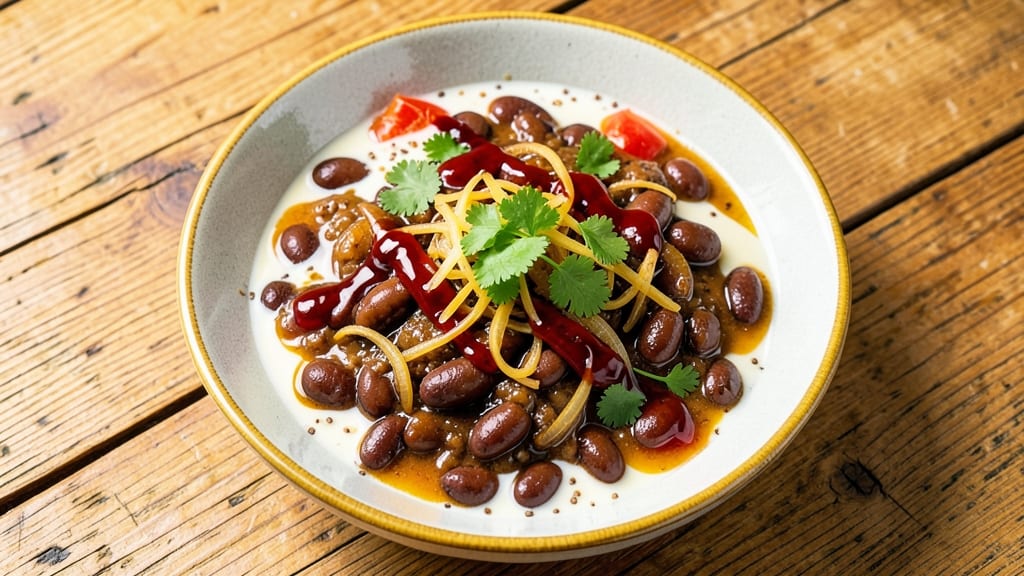
This Indian black bean curry recipe delivers bold, aromatic flavors in a single pot, blending whole spices, tomatoes, and coconut milk into a rich, comforting dish.
The key lies in blooming spices in hot oil—a technique that unlocks their full potential—while black beans absorb the complex flavors of ginger, garlic, and turmeric. I perfected this recipe after years of adapting traditional curries to plant-based ingredients, ensuring every spoonful is hearty and satisfying.
The beauty of this curry is its versatility—it works as a standalone meal or pairs beautifully with basmati rice or warm naan. The coconut milk adds a velvety texture, while fresh cilantro and a squeeze of lemon brighten the dish at the end.
No special equipment is needed; just a pot, patience, and a willingness to let the spices work their magic during the slow simmer.
What makes this curry special is how it balances depth and simplicity. The spices—cumin, coriander, and cardamom—create layers of warmth, while the tomatoes provide a tangy backbone.
Black beans hold their shape beautifully, soaking up the flavors without turning mushy. The result is a dish that’s restaurant-quality but built with easy-to-find ingredients.
Serve it with crusty bread for dipping or alongside roasted vegetables for a complete meal. The leftovers reheat just as well, making this a perfect recipe for busy weeknights or meal prep. Let’s get cooking!
Ingredients for black bean curry recipe indian
Pantry staples meet aromatic spices for a hearty, plant-based curry that's restaurant-quality simple.
| Ingredient | Amount | Notes |
|---|---|---|
| Black Beans 🫘 | 1 ½ cups | Drained and rinsed, canned or cooked |
| Coconut Milk 🥥 | 1 can (13.5 oz) | Full-fat for creaminess |
| Tomatoes 🍅 | 2 medium | Ripe, diced (or 1 cup canned crushed) |
| Yellow Onion 🧅 | 1 whole | Diced, medium size |
| Garlic Cloves 🧄 | 4 cloves | Minced, fresh preferred |
| Fresh Ginger 🌿 | 1 ½ tbsp | Grated, peeled (about 1-inch piece) |
| Cumin Seeds 🌶️ | 1 tbsp | Whole seeds, toasted |
| Ground Coriander 🌿 | 1 tbsp | Freshly ground preferred |
| Turmeric Powder 🌶️ | 1 tsp | Bright yellow color |
| Garam Masala 🌶️ | 1 tsp | Store-bought blend works |
| Vegetable Oil 🫒 | 2 tbsp | Neutral flavor preferred |
| Salt 🧂 | ¾ tsp | Adjust to taste |
| Fresh Cilantro 🌿 | ¼ cup | Chopped, for garnish |
| Lemon Juice 🍋 | 1 tbsp | Freshly squeezed |
The spices are where this curry shines. Cumin seeds need to be toasted in the oil first—they release their full nutty aroma when bloomed. Penzeys Spices or bulk bins at Whole Foods are great for quality whole spices, but any grocery store's cumin will work. Fresh ginger and garlic are non-negotiable here—they bring that bright, zesty kick that canned versions miss. I always grab extra ginger because it keeps for weeks in the freezer if wrapped tightly. The garam masala is the secret weapon; don't skip it—it's what gives that authentic Indian warmth at the end.
No fresh ginger? Powdered works at half the amount, but it won't have the same punch. Running low on coconut milk? Light coconut milk plus 2 tbsp coconut cream mimics the richness. The black beans should be drained and rinsed thoroughly—any leftover sodium will make the curry taste bland. For tomatoes, I prefer fresh diced over canned for better texture, but San Marzano crushed tomatoes are a great shortcut. The cilantro is purely for garnish—skip it if you're not a fan, but the lemon juice is essential for that bright finish.
This curry tastes even better the next day as the flavors meld. Store in an airtight container in the fridge for up to 5 days, or freeze portions for 3 months. I like to portion it into meal prep containers with a scoop of rice—just reheat everything together. The spices mellow slightly when reheated, so I always add a pinch of garam masala and a splash of water when warming leftovers. Double the batch if you're feeding a crowd—it's that good.
Why You'll Love This Recipe
- No-Fuss Pantry Staples: I swear by this one—no last-minute grocery runs. Black beans, coconut milk, and a few spices I already have? That’s it. The canned tomatoes and onion soften into a rich base without fuss, and the garlic cloves? Just three, minced while I sip tea. Honestly, it’s the kind of recipe that makes me feel like a home cook, not a chef.
- Creamy-Spicy Magic: Between us, the coconut milk and black beans create this perfect balance—creamy but not heavy, with just enough heat from the spices to linger. The tomatoes add that tangy depth, and when the garlic starts to caramelize? That’s when the whole kitchen smells like a little Indian restaurant. I’ll be real: it’s the kind of flavor that makes me pause mid-bite.
- Leftover Hero: This curry tastes better the next day—yes, really. The flavors meld into something richer, and it reheats like a dream. I’ve taken it to potlucks (it’s a crowd-pleaser), packed it for work (microwave-friendly), and even frozen portions for lazy Sundays. No sad, watery leftovers here—just hearty, satisfying bites.
- Budget-Friendly Feast: A single can of beans and a carton of coconut milk stretch this into four servings without breaking the bank. The onion and garlic are cheap staples, and the tomatoes? Often on sale. I’ve made this for under $10 and fed my whole family—plus, the leftovers stretch even further. It’s my go-to when I need to eat well without overspending.
Step-by-step instructions for Indian black bean curry
Here's the method for building rich, aromatic flavors layer by layer.
Toast the Spices for Maximum Flavor
Heat the 2 tablespoons vegetable oil in a heavy-bottomed pot over medium heat. Add the 1 tablespoon cumin seeds and toast them for 30-45 seconds until they begin to sizzle and release their nutty aroma. This step is crucial—it deepens the flavor profile of your curry by awakening the spices' essential oils.
Once the cumin seeds darken slightly and pop like tiny firecrackers, immediately add the 1 tablespoon ground coriander and 1 teaspoon turmeric powder. Stir continuously for 20-30 seconds until the spices are fragrant and the raw, earthy smell gives way to a warm, inviting scent. Remove the pot from heat briefly if the spices start to darken too quickly—you want them toasted, not burned.
Sauté Aromatics Until Fragrant
Return the pot to medium heat and add the 1 whole yellow onion, diced into even ¼-inch pieces. Cook for 5-6 minutes until the onions soften and turn translucent at the edges. This foundational step ensures your curry develops a sweet, caramelized depth that balances the spices.
Add the 4 cloves garlic cloves, minced, and the 1.5 tablespoons fresh ginger, grated. Cook for another 1-2 minutes until the garlic becomes golden and the ginger loses its raw bite. The mixture should smell like a spice market—bright, complex, and inviting. If the garlic starts to brown too quickly, reduce the heat slightly to prevent bitterness.
Build the Tomato Base
Add the 2 medium tomatoes, diced into ¼-inch pieces, along with the 0.75 teaspoon salt. Stir well to combine with the aromatics. Cook for 8-10 minutes over medium-low heat, stirring occasionally, until the tomatoes break down into a thick, jam-like consistency. This reduction process intensifies their natural sweetness and forms the flavor backbone of your curry.
Here's the thing—don't rush this step. You'll know it's ready when the mixture darkens slightly and clings to the bottom of the pot. The tomatoes should be mostly dissolved, leaving behind a rich, concentrated base that carries the spices and aromatics forward. If the mixture sticks, add 1-2 tablespoons water to help it release.
Simmer with Coconut Milk and Black Beans
Pour in the 1 can (13.5 oz) coconut milk, stirring to incorporate it fully into the tomato base. Bring the mixture to a gentle simmer over medium heat, then add the 1.5 cups black beans (drained and rinsed) and 1 teaspoon garam masala. Stir well to distribute everything evenly.
Reduce the heat to low and let the curry simmer uncovered for 15-20 minutes, stirring occasionally. You're looking for the flavors to meld together—let the coconut milk's creaminess blend with the spices and beans until the curry thickens slightly and the beans are heated through. The curry should coat the back of a spoon with a velvety texture, not be watery.
Finish and Serve with Fresh Herbs
Remove the pot from heat and stir in the 1 tablespoon lemon juice. This final touch brightens the curry, cutting through the richness of the coconut milk and adding a refreshing contrast. Taste and adjust the seasoning if needed—you may want to add a pinch more salt or a sprinkle of garam masala to deepen the flavor.
Garnish with the 0.25 cup fresh cilantro, chopped, just before serving. The herbs add a fresh, vibrant finish that elevates the dish. Serve immediately with steamed basmati rice or warm naan bread to soak up every last bit of that aromatic, spiced sauce. The curry should be creamy yet balanced, with a perfect harmony of sweet, spicy, and tangy notes.
Pro Tips For Making Black Bean Curry Recipe Indian
- SOAK THE BEANS: Black beans expand a lot—I learned this the hard way when my curry turned into a watery soup. Soak them overnight (or at least 4 hours), then rinse well before cooking. This keeps the texture firm and prevents the curry from becoming too thin when the coconut milk gets absorbed.
- SAUTÉ ONIONS LOW AND SLOW: I used to rush the onions and end up with burnt bits floating in the curry. Instead, cook them on medium-low heat for 10-12 minutes until deep golden, not brown. This builds the base flavor without bitterness—your future self will notice the difference.
- ADD COCONUT MILK LAST: Pouring coconut milk too early dilutes the spices and makes the curry bland. Wait until the onions, garlic, and tomatoes have softened and darkened slightly before stirring it in. This ensures the spices bloom properly and the milk gets infused with flavor instead of sitting in a mild broth.
- SALT THE BEANS AFTER COOKING: Adding salt to beans while they soak or boil makes them tough. Instead, season them after they’re tender in the curry—this keeps them creamy and prevents the coconut milk from curdling. A pinch of salt at the end also balances the dish without overpowering.
Storing and reheating your black bean curry recipe indian
Fridge Storage Tips
Let your curry cool to room temperature for no more than 2 hours before storing—this prevents bacterial growth. Transfer to an airtight container (I love Glasslock containers for their snug fit) and refrigerate for up to 5 days.
The flavors actually deepen overnight as the spices meld further, making it taste even richer the next day. 🌱
Freezer Prep
For longer storage, portion the curry into quart-sized freezer bags or airtight containers, leaving 1-inch headspace for expansion. Seal tightly and freeze for up to 3 months. When ready to eat, thaw overnight in the fridge or reheat directly from frozen—just add 2 tablespoons water to prevent drying out.
Reheating Like a Pro
My go-to method is stovetop reheating: transfer curry to a pot and heat over medium-low heat for 10-12 minutes, stirring occasionally. Add 1-2 tablespoons water or coconut milk if it thickens too much.
For microwave reheating, cover with a damp paper towel and heat in 1-minute intervals on 70% power until steaming hot.
Reviving Leftovers
If your curry tastes a bit flat after reheating, don't worry! Sprinkle in ¼ teaspoon garam masala and a squeeze of lemon juice to brighten the flavors. I also like adding 1 tablespoon fresh cilantro or a pinch of red chili flakes for extra zing.
The curry's texture might thicken slightly, so stir in a splash of water if needed.
Meal Prep Strategy
Double the batch and store half for later—this curry reheats beautifully! I prep 2 servings at a time in glass containers, keeping one for the fridge and one for the freezer.
When ready to eat, simply reheat and serve with freshly cooked rice. The spices stay vibrant, and the coconut milk keeps it creamy every time. ✨
Nutrition facts
Frequently asked questions
Can I substitute black beans with another type of bean?
Kidney beans or chickpeas work beautifully—just adjust cooking times. Kidney beans need 10-12 minutes of simmering, while chickpeas (drained) are ready in 8-10 minutes. For extra protein, add ½ cup cooked tofu with the beans. The texture will be slightly different but still delicious.
How can I make this curry spicier?
Add ½ teaspoon cayenne pepper or 1 teaspoon Kashmiri red chili powder when toasting the spices. For heat that lingers, stir in 1 tablespoon finely chopped green chili with the aromatics. Always taste first—you can adjust later, but you can't remove excess spice!
What's the best way to serve this curry?
Pair it with steamed basmati rice or garlic naan for the full experience. For a complete meal, add a side of cucumber raita (yogurt with cucumber and mint) or roasted cauliflower. The coconut richness balances perfectly with cooling elements like yogurt or fresh herbs.
Can I make this curry in an Instant Pot?
Yes! Sauté the spices and aromatics as directed, then add all ingredients except lemon juice. Seal the lid and cook on High Pressure for 8 minutes. Quick-release the pressure, stir in lemon juice, and let it thicken for 5 minutes off heat. The Instant Pot version cooks faster but may need 1-2 tablespoons water to adjust consistency.
Why did my curry turn out too thin?
This usually happens if you didn't reduce the tomatoes enough or added too much coconut milk. Next time, simmer the tomato base 2-3 minutes longer until it thickens, or stir in 1 tablespoon cornstarch mixed with water to bind it. For extra richness, reduce the coconut milk to ½ cup and add the remaining ½ cup at the end.