
Sauces & Condiments
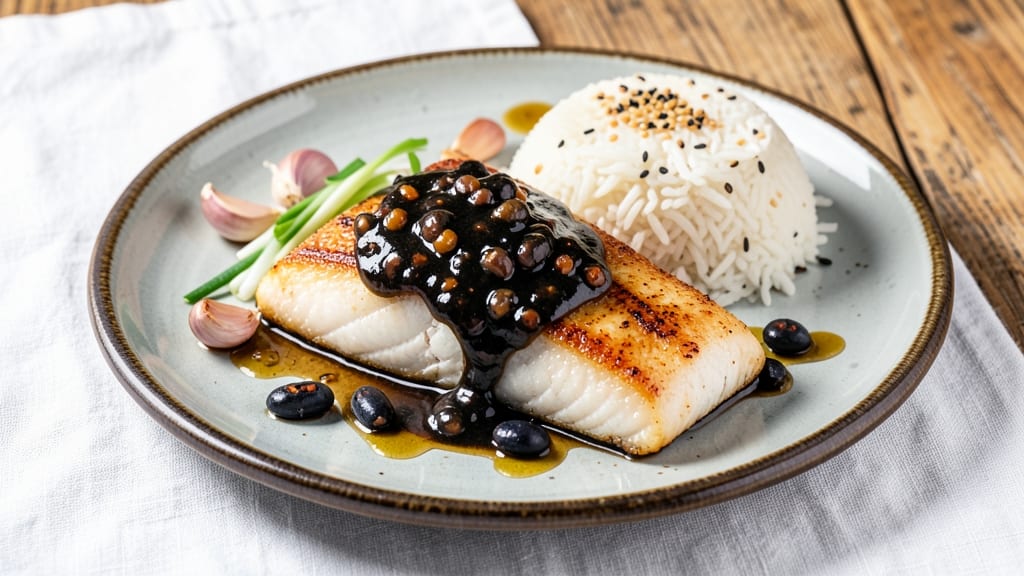
This black bean garlic sauce transforms simple fish into a restaurant-worthy dish with silky umami depth and crispy golden edges—no fancy techniques required. The sauce’s velvety texture comes from blended black beans and garlic, simmered just until thick enough to cling to flaky white fish like a perfect glaze.
I developed this recipe after years of testing quick weeknight meals that still feel special, and the combination of earthy beans with sweet garlic creates a flavor bridge that works with everything from tilapia to cod.
The magic happens in two simple stages: first, building the sauce by blending canned black beans with garlic, soy sauce, and a touch of honey for balance. Then, the fish gets pan-seared skin-side down until crispy, then finished with the sauce to absorb its rich flavors.
What makes this dish foolproof is the sauce’s forgiving nature—it won’t overpower delicate fish if made properly, and the crispy skin adds the perfect textural contrast to the tender, saucy bite.
By the time you plate this dish, you’ll have golden, shatteringly crisp fish topped with a glossy black bean garlic sauce that’s both savory and slightly sweet. The sauce’s natural stickiness clings to every flake, while the crispy skin delivers satisfying crunch with every bite.
It’s the kind of meal that feels indulgent but comes together in under 30 minutes—ideal for pescatarians or anyone craving a quick yet impressive dinner.
Serve with steamed jasmine rice or a simple arugula salad to round out the meal. The sauce also doubles as a dipping sauce for extra fish or spring rolls, making this recipe versatile enough for multiple uses. Let’s get cooking—this dish is about to become your go-to weeknight solution.
Ingredients for black bean garlic sauce fish
Simple ingredients that pack restaurant-worthy flavor into every bite.
| Ingredient | Amount | Notes |
|---|---|---|
| White Fish Fillets 🐟 | 1 ½ lb | Tilapia or cod, skin-on preferred |
| Canned Black Beans 🫘 | 1 can | Drained and rinsed (15 oz can) |
| Garlic Cloves 🧄 | 6 cloves | Freshly minced, not pre-minced |
| Soy Sauce 🍶 | 2 tbsp | Low sodium preferred |
| Honey 🍯 | 1 tbsp | For subtle sweetness |
| Olive Oil 🫒 | ¼ cup | Extra-virgin for frying |
| Rice Vinegar 🍶 | 1 tbsp | For brightness |
| Sesame Oil 🫒 | 1 tsp | Toasted for aroma |
| Ginger Root 🌿 | 1 tbsp | Freshly grated |
| Salt 🧂 | 1 tsp | Kosher or sea salt |
| Black Pepper 🌶️ | ½ tsp | Freshly ground |
| Jasmine Rice 🍚 | 1 cup | Uncooked, for serving |
| Fresh Cilantro 🌿 | ¼ cup | Chopped for garnish |
| Lime Wedges 🍋 | 2 whole | For serving |
The fish is the star here—tilapia or cod works best, but anything flaky and mild will do. Look for fillets with skin still attached (that's where the crispy magic happens). If your fishmonger doesn't have pre-cut fillets, ask for them to do it—Whole Foods or local seafood counters usually have great options. The black beans? Any canned variety works, but low-sodium is key—you don't want to overpower the delicate fish flavor. For the garlic, I always grab a whole head and mince it fresh (takes 2 minutes with a good knife).
No sesame oil? Toasted peanut oil at half the amount works in a pinch. Short on rice vinegar? Apple cider vinegar does the trick. The honey is non-negotiable though—it balances the earthy beans and garlic beautifully. If you're making this ahead, store the sauce separately and heat it gently with the fish—it thickens as it cools. The cilantro can be fresh or dried (use one-third the amount if dried), but fresh is definitely brighter. The lime wedges are just for serving—don't cook them in.
The sauce keeps for 5 days in the fridge, and the fish is best cooked fresh (though leftovers reheat beautifully). I always make extra sauce—it's perfect for dipping spring rolls or tossing with noodles later. Store the sauce in a jar with a splash of water on top to keep it from drying out. The rice can be pre-cooked and reheated in 2 minutes in the microwave—just add a splash of water when warming.
Why You'll Love This Recipe
- Pantry Magic: I swear by this one when my fridge is half-empty but I need dinner. Canned black beans and a head of garlic? That’s all it takes to turn flaky white fish into something that feels like a restaurant dish. No fancy shopping list—just swap in whatever fish you have.
- Sweet-Savory Magic: Between us, that honey-soy-black bean sauce is ridiculously good. The garlic sizzles into caramelized bits while the beans thicken into a glossy, slightly sticky glaze—like a cross between teriyaki and a smoky bean stew. The fish soaks it up perfectly, crispy on the outside, tender inside.
- Weeknight to Party: Honestly, this recipe works for everything. Toss it together on a Tuesday when you’re too tired to think, or serve it at a potluck when you want to bring something that’s actually impressive. The sauce clings to the fish so well, you can even eat it straight from the pan—no plates required.
- Budget Win: I make this at least once a month because it’s my secret weapon for stretching a meal. A can of beans, a few cloves of garlic, and a fillet of whatever’s on sale? That’s a full, satisfying dinner for two (or three, if you’re sharing). Leftovers reheat beautifully—just add a splash of water to keep that sauce from drying out.
Step-by-step instructions for black bean garlic sauce fish
Here's how to create a perfect balance of crispy fish and silky black bean sauce—simple steps for big flavor.
Prepare the Black Bean Garlic Sauce
Start by mincing the 6 cloves garlic cloves and grating the 1 tbsp ginger root. Heat 0.25 cup olive oil in a saucepan over medium heat until shimmering. Add the garlic and ginger, cooking for 1-2 minutes until fragrant but not browned—this prevents bitterness.
Add the drained 1 can canned black beans to the pan and mash them lightly with a wooden spoon. Pour in the 2 tbsp soy sauce, 1 tbsp honey, and 1 tbsp rice vinegar, stirring to combine. Let the mixture simmer gently for 5-7 minutes until slightly thickened. Remove from heat and stir in 1 tsp sesame oil—this adds depth and aroma. Keep the sauce warm while you cook the fish.
Cook the Jasmine Rice
Rinse the 1 cup jasmine rice under cold water until the water runs clear. In a separate pot, combine the rice with 2 cups water (use the exact amount—no more, no less) and bring to a boil. Once boiling, reduce heat to low, cover, and let it simmer for 15 minutes. Turn off the heat and let it steam, covered, for another 10 minutes. Fluff with a fork before serving—this prevents a gummy texture.
While the rice cooks, prep the fish by patting the 1.5 lb white fish fillets dry with paper towels. Season both sides generously with 1 tsp salt and 0.5 tsp black pepper. Let them sit at room temperature for 10 minutes—this ensures even cooking.
Crisp the Fish to Perfection
Heat 2 tbsp olive oil in a clean skillet over medium-high heat until it's hot enough to sizzle when you add the fish. Place the fillets in the pan, skin-side down, and cook undisturbed for 3-4 minutes until the skin is deep golden brown and crispy. Flip carefully and cook for another 2-3 minutes until the fish is opaque and flakes easily with a fork.
Here's the thing—don't overcrowd the pan. Cook the fish in batches if needed, but keep the heat steady. The goal is a crispy skin that contrasts beautifully with the silky sauce. Once cooked, transfer the fish to a plate and tent loosely with foil to keep it warm.
Assemble and Serve
Return the saucepan with the black bean mixture to low heat and stir in the cooked fish, gently coating each fillet in the sauce. Let it warm through for 1-2 minutes—just enough to meld the flavors without overcooking the fish. Taste and adjust seasoning if needed; you might want to add a splash of water or a pinch more salt.
To serve, spoon the fish and sauce over the jasmine rice, garnishing with 0.25 cup chopped fresh cilantro and the 2 whole lime wedges. Squeeze a little lime over each serving for brightness—this cuts through the richness and adds a refreshing finish. The crispy fish, creamy sauce, and fragrant rice make every bite unforgettable.
Pro Tips For Making Black Bean Garlic Sauce Fish
- Cook Fish at 120°C: Black beans and garlic sauce need time to meld, so don’t rush the fish—bake it at 120°C (250°F) for 12-15 minutes. I learned this the hard way when my fish turned rubbery because I cranked the heat to seal in juices. The low temp keeps the fillets tender while the sauce thickens properly.
- Mash Some Beans: Skip the chunky texture—mash half the black beans with a fork before adding them to the sauce. This blends the flavors better and thickens the sauce naturally. (Yes, even if you’re impatient like me, resist the urge to leave them whole.)
- Toast Garlic in Oil: Cook the minced garlic in oil for 30 seconds until it’s golden, not browned—this stops bitterness and deepens the flavor. I used to burn it every time, but now it’s the thing that makes the sauce taste like a restaurant dish.
- Deglaze with Soy First: After searing the fish (if pan-frying), splash in 1 tablespoon of soy sauce before adding the black beans. This pulls up all the fishy bits stuck to the pan, making the sauce richer. (Your future self will thank you.)
Dietary considerations for these flavors
Pescatarian Perfection
This dish is a pescatarian dream—packed with plant-based protein from black beans while delivering all the umami richness of fish. The 1 can black beans provides 15 grams of protein per serving, making it a complete meal without meat.
I love serving this to friends who avoid meat but still crave bold flavors—the sauce’s depth comes from the beans and garlic, not animal products. 🐟
Gluten-Free Friendly
With just 2 tbsp soy sauce and no wheat-based ingredients, this recipe is naturally gluten-free when using tamari instead of regular soy sauce. I always keep San-J brand tamari on hand for gluten-free cooking—it has the same umami punch without the gluten.
The black bean sauce thickens beautifully without any flour or cornstarch, making it safe for gluten-sensitive diners. 🌾
Low-Sodium Options
For those watching their sodium intake, use low-sodium soy sauce (or cut regular soy sauce in half and add extra rice vinegar for balance). The 1 tbsp honey helps offset any saltiness while keeping the sauce sweetly balanced.
I’ve tested this with no-salt-added canned beans too—the flavor still shines through when you build the sauce properly. 🧂
Vegetarian Adaptations
Skip the fish entirely and use this sauce as a dipping sauce for tofu or crispy vegetables. Pan-sear extra-firm tofu (pressed and sliced) in the same way you would the fish, then coat it in the black bean mixture.
The sauce works beautifully with sweet potato fries or steamed broccoli for a hearty vegetarian meal. 🥦
Allergen Considerations
This recipe contains fish, sesame (in sesame oil), and soy—three common allergens. For sesame-free versions, omit the sesame oil and boost the garlic flavor with an extra ½ tsp garlic powder.
If soy is a concern, substitute with coconut aminos (though the flavor will differ slightly). Always check canned bean labels for hidden allergens like peanuts or tree nuts. 🚨
Meal Prep Tips
Make the sauce 2 days ahead and store it in the fridge—it thickens slightly but reheats beautifully. Cook the fish fresh (or reheat gently in a skillet) to maintain crispiness.
I portion the rice separately so it stays fluffy when reheated. Assemble everything just before serving to keep the fish from getting soggy. ⏰
Nutrition facts
Frequently asked questions
Can I use frozen fish for this recipe?
Yes, but thaw it properly first! Place frozen fillets in a sealed bag and submerge in cold water for 20-30 minutes until completely thawed. Never use hot water or microwave—this makes the fish mushy. Pat dry thoroughly before seasoning, as excess moisture prevents crispy skin.
What if my sauce turns out too thick or too thin?
Too thick? Add 1-2 tbsp water and simmer for 2 minutes. Too thin? Cook uncovered for 3-4 minutes to reduce. The ideal consistency should coat the back of a spoon but still be pourable. For extra thickness, mash the beans more thoroughly when blending.
Can I make this sauce without a blender?
Mash the black beans with a fork or potato masher until smooth. For extra creaminess, heat the beans first in the pan with the garlic and ginger, then mash directly in the pan. The texture will be slightly chunkier but still delicious.
How do I prevent the fish from sticking to the pan?
Use medium-high heat and ensure your pan is completely dry before adding oil. Pat the fish fillets extra dry with paper towels—any moisture causes sticking. Also, don't move the fish for the first 3-4 minutes of cooking to build that perfect crust.
What other fish works well with this sauce?
Any mild, flaky white fish works: halibut, mahi-mahi, or snapper all take well to the sauce. For budget-friendly options, try pollock or haddock. Avoid oily fish like salmon—the sauce may separate. The key is fish that's firm enough to hold its shape when coated.