
Sauces & Condiments
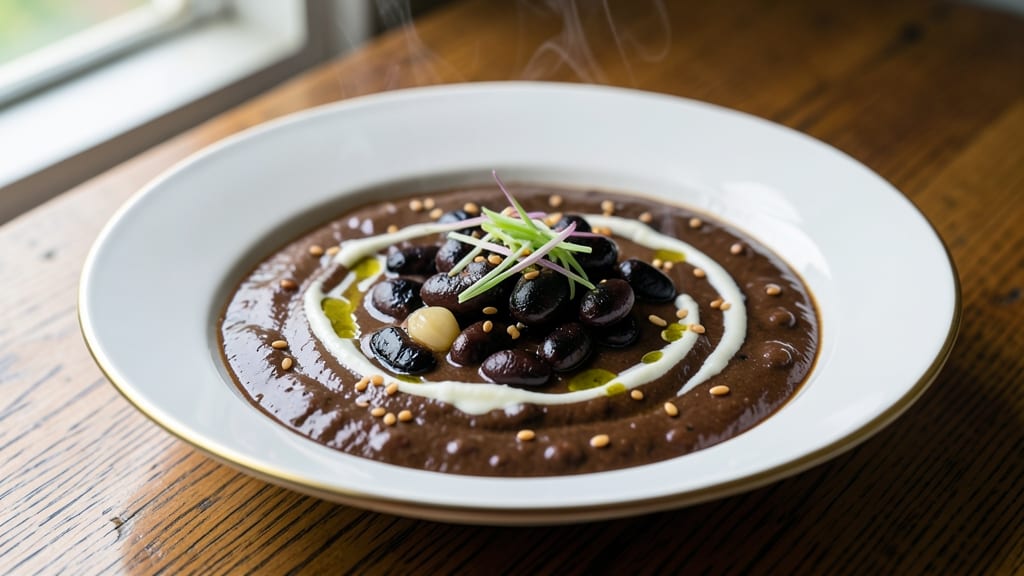
This vegetarian black bean garlic sauce transforms simple meals into restaurant-worthy dishes with just five ingredients and 15 minutes of prep. 🌟 The secret lies in blending black beans with aromatic garlic, creating a velvety, umami-rich sauce that clings perfectly to noodles, tofu, or stir-fried vegetables.
Unlike store-bought versions, this recipe delivers deep, complex flavor without artificial additives—just pure, plant-based goodness.
The base starts with canned black beans, which blend into a smooth, creamy texture while providing natural thickness and protein. Garlic and soy sauce (or tamari for gluten-free) form the flavor backbone, while sesame oil adds nutty warmth.
For extra depth, a touch of miso or nutritional yeast boosts umami without overpowering the delicate balance. The sauce simmers gently to meld flavors, resulting in a glossy, drizzle-worthy consistency.
What makes this sauce exceptional is its versatility—it elevates everything from quick weeknight stir-fries to hearty grain bowls. The garlic-infused richness cuts through heat, making it ideal for spicy dishes, while its natural sweetness balances savory components.
Best of all, it keeps well in the fridge for up to a week or freezes for a month, so you’ll always have a flavorful shortcut on hand.
Perfect for meal prep or spontaneous cooking, this sauce requires no special equipment—just a blender and a saucepan. Let’s dive into the simple steps that turn humble ingredients into a pantry staple you’ll reach for again and again.
Ingredients for black bean garlic sauce recipe vegetarian
Five pantry staples transform into a restaurant-quality sauce that enhances any vegetarian dish effortlessly.
| Ingredient | Amount | Notes |
|---|---|---|
| Canned Black Beans 🫘 | 1 ½ cups | Drained and rinsed thoroughly |
| Garlic Cloves 🧄 | 6 whole | Peeled and lightly crushed |
| Soy Sauce 🥢 | ¼ cup | Tamari for gluten-free option |
| Sesame Oil 🫒 | 1 tbsp | Toasted sesame oil preferred |
| White Miso Paste 🍶 | 1 tbsp | For umami depth (optional) |
| Extra-Virgin Olive Oil 🫒 | ½ tbsp | For smooth blending |
| Water 💧 | ½ cup | For adjusting consistency |
| Lemon Juice 🍋 | 1 tbsp | Freshly squeezed for brightness |
| Nutritional Yeast 🧀 | 1 tbsp | For cheesy umami flavor |
| Red Pepper Flakes 🌶️ | ½ tsp | Adjust to taste for heat |
The black beans are the foundation—opt for low-sodium canned beans to control salt levels, or rinse thoroughly if using regular brands. Garlic quality matters here: fresh, firm cloves with no sprouting yield the best flavor. For the soy sauce, Kikkoman or San-J are reliable choices, while Tamari from San-J is ideal for gluten-free diets. Sesame oil should be toasted (check the label)—it adds nutty depth that regular sesame oil lacks. If miso isn't available, white soy sauce can substitute at double the amount, though it won't replicate the same umami complexity.
No miso? White soy sauce or coconut aminos work in a pinch, though the umami depth will be milder. Substitute sesame oil with avocado oil if unavailable, though it lacks the toasted aroma. For extra creaminess, blend in 1/4 cup silken tofu with the beans. The nutritional yeast is non-negotiable for that cheesy, savory kick—Bob's Red Mill or Bragg are top-tier brands. Red pepper flakes can be omitted entirely for a mild sauce, or gochujang (Korean chili paste) adds a smoky depth if you're feeling adventurous.
This sauce thickens as it cools, so add water gradually if it's too stiff. Store in an airtight container in the fridge for up to 7 days, or freeze in ice cube trays for single-serving portions that last 3 months. The flavor actually improves overnight as the garlic and miso meld. For meal prep, double the batch—it pairs perfectly with tofu stir-fries, grain bowls, or as a drizzle over roasted vegetables. Always stir before using, as ingredients may separate slightly.
Why You'll Love This Recipe
- Five-Ingredient Magic: I swear by this combo—just beans, garlic, soy, miso, and sesame oil. No fancy prep, no hidden steps, and the pantry version is always there when I’ve got nothing else.
- Umami Bomb: That miso paste? It’s the secret weapon. One spoonful turns simple beans into something rich, savory, and ridiculously satisfying—like a hug in sauce form, but better.
- Weeknight Workhorse: Toss it over rice, stir into noodles, or slather it on toast. I’ve used it for lazy dinners, potlucks, and even as a quick dip. Honestly, it’s my go-to when I don’t want to think.
- Budget Meal Upgrade: Canned beans and a jar of miso stretch this sauce into multiple meals without breaking the bank. Make a double batch, freeze half, and thank me later when you’re eating well for days.
Step-by-step instructions for black bean garlic sauce
Here's how to craft a rich, umami-packed sauce that elevates any dish.
🍳 Step 1: Toast Garlic and Build the Base
Heat a small skillet over medium-low heat and add the 6 whole garlic cloves. Toast them for 2-3 minutes until they're golden and fragrant, stirring constantly to prevent burning. This step develops deep flavor that forms the sauce's foundation.
Transfer the toasted garlic to a blender or food processor. Add the 1.5 cups drained black beans and pulse until smooth. You want a silky texture without any visible chunks—this ensures a velvety sauce. If your blender struggles, add 2 tablespoons of water to help with blending.
👨🍳 Step 2: Blend Wet Ingredients for Depth
Return the blender to your workstation and add the 0.25 cup soy sauce, 1 tbsp white miso paste, 1 tbsp nutritional yeast, 1 tbsp lemon juice, and 0.5 tsp red pepper flakes. The miso and nutritional yeast contribute layers of umami while the lemon brightens the earthy flavors. Blend until completely smooth, scraping down the sides as needed.
Add the 0.5 tbsp extra-virgin olive oil and 1 tbsp sesame oil next. These oils add richness and help emulsify the sauce. Pulse just until combined—you don't want to break down the oils' delicate aromas. The sauce should now have a thick, paste-like consistency with vibrant color.
🥘 Step 3: Thin and Adjust Consistency
With the blender running on low speed, gradually add the 0.5 cup water until you reach your desired consistency. For stir-fries, aim for a medium-thin sauce that coats the back of a spoon. For bowls or dipping, you might prefer it slightly thicker. Taste as you go and adjust with additional water or a splash of soy sauce if needed.
Here's the thing—this sauce develops better when rested. Transfer it to a saucepan and let it simmer gently over low heat for 5-7 minutes. This allows the flavors to meld and the sauce to thicken slightly from the heat. The aroma should be intoxicating—nutty from the miso, garlicky, with a subtle tang from the lemon.
⏰ Step 4: Finish and Store Properly
Remove the sauce from heat and let it cool slightly. Give it one final taste and adjust seasoning if needed—perhaps a pinch more red pepper flakes for heat or a squeeze of lemon for brightness. The sauce should be balanced: salty from the soy and miso, garlicky, with umami depth and a touch of spice.
For immediate use, let it sit at room temperature for 10 minutes to thicken further. For storage, transfer to an airtight container and refrigerate for up to 5 days. When reheating, warm gently over low heat and stir occasionally to prevent skin formation. This sauce keeps beautifully and only gets better with time as the flavors mature.
Pro Tips For Making Black Bean Garlic Sauce Recipe Vegetarian
- Crush Garlic Properly: I learned this the hard way—mincing garlic too finely makes it disappear into the sauce. Instead, smash the cloves with the flat side of your knife first, then slice into thin slivers. This way, it caramelizes beautifully and adds texture instead of just flavor.
- Drain and Rinse Beans: Canned black beans are packed in saltwater, which can make your sauce taste bland. Drain them, then rinse under cold water to remove excess sodium. Trust me, your sauce will taste fresher and more vibrant—no need to compensate with extra soy sauce.
- Low and Slow for Miso: White miso paste burns faster than you think. Once you add it, reduce the heat to medium-low and stir constantly for at least 2 minutes. This lets the umami develop without turning the sauce into a charred mess—your taste buds will notice the difference.
- Toast Sesame Oil Last: Add sesame oil in the final 30 seconds of cooking, off the heat if possible. It’s delicate stuff—high heat turns it bitter, and you’ll be left with a dish that tastes like burnt nuts instead of nutty aroma. A splash at the end keeps it bright and aromatic.
Pro cooking tips for black bean garlic sauce recipe vegetarian
Garlic Toasting Mastery
The secret to deep garlic flavor starts with proper toasting—don’t skip this step! Use 6 whole cloves (not minced) in a dry skillet over medium-low heat for 2-3 minutes, stirring constantly. You want them golden brown, not burned (which turns bitter).
I use a nonstick skillet to prevent sticking—Mauviel M’Cook is my go-to. Toasting develops sweet, nutty notes that transform the sauce from good to extraordinary. 🧄
Blending Like a Pro
For a silky texture, blend the black beans first until completely smooth—no chunks allowed! I recommend a high-speed blender like the Ninja BN601 for best results. If your sauce is too thick, add water 1 tablespoon at a time while blending.
The key is low and slow when adding liquids—high speed can create air bubbles. For extra creaminess, blend in ¼ cup silken tofu with the beans if needed.
Umami Layering
The magic happens with miso and nutritional yeast—these are your umami powerhouses. Use white miso paste (like Hokkaido brand) for a cleaner flavor, and Bob’s Red Mill nutritional yeast for that cheesy depth. Add them after blending the beans so they disperse evenly.
If you’re short on miso, substitute with 1 tbsp white soy sauce (though it won’t be as rich). Taste as you go—this is where the sauce’s complexity builds. ✨
Consistency Control
This sauce thickens as it cools, so adjust while warm. For stir-fries, aim for a medium-thin consistency (like heavy cream). For bowls or dipping, make it slightly thicker. If it’s too stiff, add water 1 tsp at a time.
Pro tip: Simmer the sauce for 5-7 minutes after blending—this lets flavors meld and thickens it naturally. Stir occasionally to prevent sticking.
Flavor Balancing
Taste your sauce before storing—it should hit all these notes: salty (soy/miso), garlicky, umami (nutritional yeast), and bright (lemon). If it’s too salty, add a splash of water or lemon juice.
Too bland? A pinch of red pepper flakes or extra soy sauce fixes it. I like to finish with a drizzle of toasted sesame oil before serving—it adds a luxurious aroma. 💫
Storage Secrets
Store in an airtight glass container (like Le Parfait) in the fridge for up to 7 days—the flavors deepen overnight! For freezing, portion into ice cube trays, then transfer to a bag.
Thaw in the fridge overnight. When reheating, warm gently over low heat, stirring often to prevent separation. The sauce thickens when cold, so thin with water if needed before using. 🧊
Nutrition facts
Frequently asked questions
Can I make this sauce without a blender?
Mash the black beans with a fork or potato masher until smooth, then whisk in all ingredients gradually. For extra creaminess, blend the beans first in a food processor before mixing. The texture will be slightly thicker but still delicious—perfect for drizzling over bowls or tofu.
How can I adjust the spice level?
Start with ½ teaspoon red pepper flakes for mild heat, or reduce to ¼ teaspoon for a completely mild sauce. For more kick, add ½ teaspoon gochujang (Korean chili paste) or a dash of hot sauce. Always taste as you go—you can't overdo the spice, but you can't fix it once it's too mild!
What are the best ways to use this sauce?
This versatile sauce works as a drizzle for tofu stir-fries, a base for ramen or grain bowls, or a dip for veggie spring rolls. Try it on roasted sweet potatoes or as a marinade for tempeh. For extra richness, drizzle over steamed jasmine rice with scallions. The possibilities are endless!
Why does my sauce separate when reheating?
This happens when oils and water separate during storage. Stir vigorously to recombine, then warm over low heat while stirring constantly. For prevention, store in a glass jar and let it cool completely before refrigerating. If separation persists, blend briefly to re-emulsify. A splash of water or soy sauce can help restore consistency.
Can I make this sauce vegan?
Yes! Simply replace nutritional yeast with 1 extra tablespoon of miso paste or 1 teaspoon of vegan Worcestershire sauce for umami depth. Ensure your soy sauce is tamari for gluten-free needs. The sauce remains fully plant-based while keeping all its rich, garlicky flavor.