
Sauces & Condiments
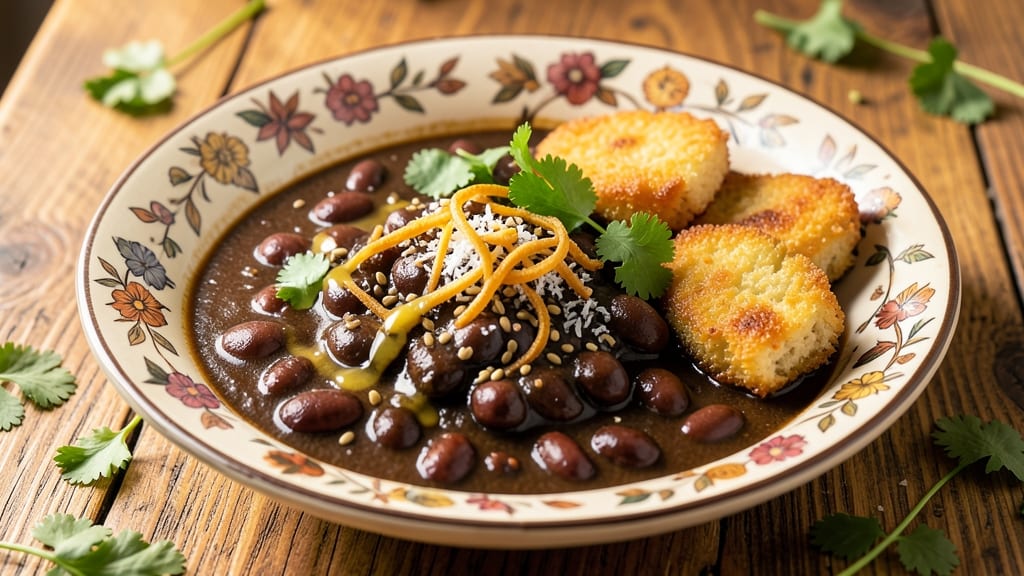
This spiced cumin and lime black bean gravy transforms simple ingredients into a velvety, aromatic spread that elevates every Indian meal. The secret lies in slow-cooked spices and tangy lime, creating a sauce that's rich yet light—perfect for drizzling over dosas, idlis, or even as a dip.
I developed this recipe after years of perfecting the balance between earthy cumin and bright citrus, ensuring every spoonful delivers depth without heaviness.
The beauty of this gravy is its versatility—it works as a condiment, a sauce for vegetables, or even a base for soups. Black beans provide natural thickness and protein, while toasted cumin, coriander, and turmeric infuse warmth.
Fresh ginger and garlic add layers of complexity, and the lime zest at the end brightens the entire dish. It’s vegetarian, dairy-free, and ready in under 30 minutes, making it ideal for weeknight dinners or special occasions.
What makes this gravy truly special is its smooth, velvety texture—no lumps, no bitterness, just pure, aromatic flavor. The slow simmer allows spices to bloom fully, while the black beans break down just enough to create a luxurious consistency.
Serve it warm alongside your favorite Indian dishes, or store it in the fridge for up to 5 days—it only gets better as flavors meld over time.
Whether you're a home cook looking to add depth to your meals or a seasoned chef refining your sauce repertoire, this black bean gravy delivers restaurant-quality results with minimal effort.
The key is patience—letting the spices infuse and the beans soften gradually. Trust the process, and you’ll have a condiment that turns ordinary meals into something extraordinary.
Ingredients for black bean gravy recipe indian
Spices, beans, and citrus come together for this aromatic, velvety Indian-inspired spread.
| Ingredient | Amount | Notes |
|---|---|---|
| Black Beans 🫘 | 1 ½ cups | Drained and rinsed, cooked or canned |
| Extra-Virgin Olive Oil 🫒 | ¼ cup | For sautéing spices |
| Ground Cumin 🌿 | 2 tsp | Toasted for deeper flavor |
| Ground Coriander 🌿 | 1 ½ tsp | Freshly ground preferred |
| Turmeric Powder 🌶️ | ½ tsp | For vibrant color |
| Fresh Ginger 🧄 | 1 tbsp | Grated finely (about 1 small piece) |
| Garlic Cloves 🧄 | 3 cloves | Minced finely |
| Lime Zest 🍋 | 1 tbsp | From 1 large lime |
| Vegetable Broth 💧 | 1 ½ cups | Low-sodium preferred |
| Coconut Milk 🥥 | ¼ cup | Full-fat for creaminess |
| Salt 🧂 | ½ tsp | Adjust to taste |
| Black Pepper 🌶️ | ¼ tsp | Freshly ground |
The spices are the soul of this gravy. Toast your cumin and coriander in olive oil for 30 seconds—that quick step makes all the difference. I grab mine from Penzeys or the bulk bins at Whole Foods for maximum freshness. Fresh ginger and garlic? Always better than powdered, but if you're in a pinch, powdered works (use half the amount). The black beans should be canned for convenience, but if you're cooking from dry, soak overnight for the creamiest texture. For the lime zest, grab a Microplane—it's a game-changer for getting those fine, bright strands.
No cumin? Cumin seeds toasted and ground work perfectly. Short on coconut milk? Greek yogurt or cashew cream adds richness without overpowering. The vegetable broth can be swapped for water, but low-sodium is key—you don't want to over-salt later. If you're making this ahead, the lime zest can be added fresh at the end to keep it bright. For extra depth, add a pinch of asafoetida (hing) when sautéing the spices—it's a classic Indian trick for umami. And if you're feeling adventurous, a dash of cayenne at the end adds a subtle kick.
This gravy tastes even better the next day as flavors meld. Store in an airtight container in the fridge for up to 5 days, or freeze for 3 months. I like to portion it into small jars—perfect for drizzling over meals throughout the week. If it thickens too much, just stir in a splash of water or broth. And trust me, the extra 10 minutes of simmering makes it silky smooth—don't rush it!
Why You'll Love This Recipe
- No-Sweat Simplicity: I swear by this recipe when I’m too tired to think—just toast the cumin and coriander in olive oil until it smells like a spice market, then toss in the beans and simmer. No chopping, no fuss, just a pot stirring while I sip my tea.
- Earthy Depth: That turmeric? It’s the secret weapon—gives it a golden hue and warmth that cuts through the richness of the beans. Honestly, the first time I made it, I thought, "Why didn’t I do this sooner?"
- Weeknight Hero: Slather it over roti, stir it into rice, or spoon it onto toast—it’s my go-to when I need something hearty but fast. Even my picky-eater husband asks for seconds, and that’s saying something.
- Budget Magic: A can of beans, a few spices, and olive oil—this feeds four for under $5. Between us, I’ve made this for potlucks, lazy Sundays, and even packed it for work. Zero waste, all flavor.
Step-by-step instructions for black bean gravy
This velvety Indian-inspired gravy comes together in minutes with bold spices and bright citrus notes.
Toast the Spices for Maximum Flavor
Heat the 0.25 cup extra-virgin olive oil in a medium saucepan over medium heat. Add the 2 tsp ground cumin and 1.5 tsp ground coriander, stirring constantly for 1 minute until the spices release their aroma and begin to sizzle gently. This toasting step unlocks deeper, nuttier flavors—don't skip it.
Next, add the 0.5 tsp turmeric powder and stir for 30 seconds until fully incorporated. The spices should smell warm and earthy. Watch carefully—they'll darken slightly as they toast, but they shouldn't burn. If they start smoking, reduce the heat immediately and let them cool for a minute before proceeding.
Sauté Ginger and Garlic Until Fragrant
Add the 1 tbsp finely grated fresh ginger and 3 minced garlic cloves to the pan. Cook for 2-3 minutes over medium heat, stirring frequently, until the mixture becomes golden and fragrant. You'll know it's ready when the raw garlic smell disappears and gives way to a sweet, toasty aroma.
Here's the thing—ginger and garlic burn quickly, so keep a close eye on them. If they start to darken too much, reduce the heat slightly. The goal is to soften them without letting them turn bitter. This step builds the aromatic base for your gravy, so take your time.
Simmer the Gravy with Beans and Broth
Pour in the 1.5 cups drained and rinsed black beans and 1.5 cups vegetable broth. Stir well to combine, then bring the mixture to a gentle boil over medium-high heat. Once boiling, reduce the heat to low and let it simmer uncovered for 10-12 minutes, stirring occasionally.
During this time, the beans will soften slightly and release their starches, which will thicken the gravy naturally. You'll see the mixture reduce slightly and develop a rich, earthy aroma. If the gravy becomes too thick before the 10 minutes are up, add 1-2 tablespoons of water to loosen it to your desired consistency.
Finish with Coconut Milk and Citrus Brightness
Stir in the 0.25 cup coconut milk, 1 tbsp lime zest, 0.5 tsp salt, and 0.25 tsp black pepper. Simmer for an additional 3-4 minutes until the gravy is smooth and well combined. The coconut milk will add creaminess while the lime zest introduces a bright, tangy contrast to the earthy spices.
Taste and adjust the seasoning if needed—you may want to add a pinch more salt or a squeeze of lime juice for extra brightness. The gravy should be thick enough to coat the back of a spoon but still pour smoothly. If it's too thin, simmer uncovered for another minute or two to reduce it slightly.
Serve Warm with Your Favorite Accompaniments
Transfer the gravy to a serving bowl and let it sit for 2-3 minutes to allow the flavors to meld. This resting time ensures the spices fully infuse and the gravy reaches its ideal texture. Serve warm over steamed rice, with crusty bread, or alongside grilled meats for a hearty meal.
The gravy should be rich, velvety, and packed with layers of flavor—earthy cumin and coriander, warm ginger and garlic, a hint of turmeric's golden color, and the bright citrus finish from the lime zest. Each spoonful should deliver a perfect balance of spice, creaminess, and freshness.
Pro Tips For Making Black Bean Gravy Recipe Indian
- Sauté the Spices Low & Slow: I learned this the hard way—blasting cumin and coriander on high heat turns them bitter faster than you can say "burnt spices." Keep the flame at medium-low until you smell that earthy aroma, then just raise it to medium to toast them. You’re not frying onions here; you’re waking up the spices.
- Soak Beans Overnight (Yes, Even Canned): I know, I know—canned beans save time. But if you’re using dried, give them a 12-hour soak in warm water with a pinch of turmeric (that’s right, use your turmeric). It cuts cooking time by half and keeps the gravy from turning gluey. And if you’re in a rush? Rinse canned beans thoroughly—the starchy water thickens gravy like a cheap thickener.
- Bloom Spices in Oil First: Skip the "toss everything in at once" approach. Heat the olive oil until shimmering, then add cumin and coriander alone for 30 seconds—just until they stop sizzling. This locks in their flavor before the beans join the party. Trust me, your gravy won’t taste like "spice dust" if you do this step.
- Simmer, Don’t Boil: Black beans release starch like crazy when they boil, and that’s how you end up with a pasty, unappetizing mess. Keep the heat at a gentle simmer—tiny bubbles, occasional swirls—after adding the beans. If it’s roaring, you’re doing it wrong. Patience here makes the difference between a smooth gravy and one that clumps like mashed potatoes.
Regional styles of these flavors
South Indian Style
In South India, this gravy transforms into a tangy coconut-cumin dip called avial when blended with yogurt and grated coconut. The key difference? Add ½ cup unsweetened coconut flakes and ½ cup plain yogurt at the end, then blend until silky.
Serve chilled with steamed rice and sambar—the yogurt cools the spices while coconut adds natural sweetness. I like using Thai Kitchen coconut milk for extra creaminess.
Punjabi-Inspired Twist
For a richer, creamier version, swap coconut milk for ½ cup heavy cream> and add 1 tsp garam masala> at the end. This Punjabi-style gravy pairs perfectly with makki ki roti (corn flatbread) or dal makhani.
The garam masala adds warmth, while cream makes it luxurious. I often finish with a sprinkle of fresh cilantro> for brightness.
Goan Fusion Gravy
Goa’s love for seafood shines here! Stir in ½ cup chopped fresh cilantro> and 1 tsp Goan vinegar> (or lime juice) at the end, then top with toasted coconut flakes>. This version works beautifully with Goan fish curry or as a dip for pao bread.
The vinegar adds a subtle tang that balances the beans’ earthiness. For extra depth, add ½ tsp fennel seeds> when toasting the spices.
Karnataka-Style Spiced Gravy
In Karnataka, this gravy is often tempered with mustard seeds for a bold kick. After simmering the beans, heat 1 tsp mustard seeds> in 1 tbsp oil> until they pop, then pour into the gravy along with ½ tsp asafoetida (hing)>.
This adds a smoky, nutty depth. Serve with bisi bele bath (mixed lentil rice) for a hearty meal. The mustard seeds give it a signature South Indian crunch.
Kerala-Style Coconut Gravy
Kerala’s version is all about grated coconut and curry leaves. After simmering the beans, stir in ½ cup freshly grated coconut> and 4-5 curry leaves>, then simmer for 2 more minutes. The curry leaves add a floral aroma, while coconut makes it ultra-creamy.
This gravy is a staple with appam (rice hoppers) or dosai. I love using Organic India curry leaves> for the best flavor.
Modern Fusion Adaptation
For a contemporary twist, blend the gravy until smooth and drizzle over crispy chickpea fries or naan. Add a pinch of smoked paprika> for depth and serve with a side of mango chutney.
This fusion style works as a dip or sauce for Indian street food**. The smoky paprika adds a modern touch while keeping the gravy’s traditional roots.
Nutrition facts
Frequently asked questions
Can I make this black bean gravy without coconut milk?
For a dairy-free version, replace the coconut milk with ½ cup Greek yogurt or ¼ cup cashew cream. Both add creaminess while keeping the gravy rich and velvety. If you prefer a thinner consistency, use ¼ cup water or vegetable broth instead—just simmer longer to thicken naturally. The key is balancing the texture while preserving the aromatic spice base.
How do I adjust the spice level for kids or sensitive palates?
Start by reducing the cumin to 1 tsp and omitting the black pepper. For extra mildness, skip the cayenne if adding it, and use ½ tsp turmeric instead of ½ tsp to keep the flavor gentle. The lime zest adds natural brightness without heat, so it’s a great way to keep the dish flavorful while being kid-friendly. Always taste as you go!
Can I use other beans instead of black beans?
Yes! For a similar texture, try kidney beans or chickpeas (drained and rinsed). If using chickpeas, reduce the broth to 1 cup since they hold more moisture. For a nuttier flavor, white beans work well too. Just adjust the simmering time—kidney beans may need 5-7 minutes while chickpeas can handle the full 10-12 minutes. The gravy’s consistency will vary slightly, so taste and adjust with water or broth as needed.
Why did my gravy turn out too thick?
This usually happens when beans release too much starch or the liquid reduces too quickly. To fix it, stir in 1-2 tablespoons of water or broth and simmer for 1-2 minutes to loosen the texture. For prevention, simmer uncovered and stir occasionally to avoid sticking. If the gravy is still too thick after adding liquid, blend it briefly with 2-3 tablespoons of water until smooth. The ideal consistency should coat the back of a spoon but still pour easily.
Can I make this gravy in a slow cooker or Instant Pot?
Both work great! For a slow cooker, sauté the spices and ginger/garlic in a pan first, then transfer everything to the pot and cook on Low for 2-3 hours or High for 1 hour, stirring occasionally. For an Instant Pot, sauté the spices in "Sauté" mode, then add all ingredients, secure the lid, and cook on High Pressure for 5 minutes. Release the pressure naturally, then stir in the coconut milk and lime zest. The slow cooker version may need extra broth to prevent thickening.