
Salads
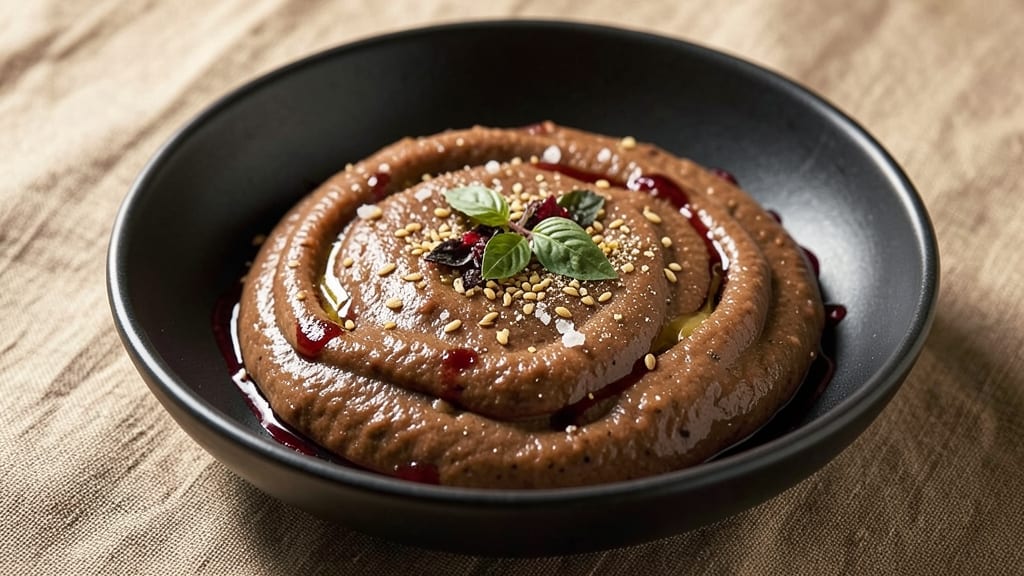
This black bean pasta dough recipe transforms humble ingredients into chewy, nutty noodles that rival traditional pasta—without a single grain of gluten. The secret lies in blending cooked black beans with aquafaba and flaxseed, creating a dough that’s both sturdy and tender.
I developed this recipe after years of experimenting with plant-based pasta, and it’s finally the one that delivers restaurant-quality texture at home.
The beauty of this dough is its versatility—it cooks in minutes and holds its shape beautifully, whether tossed with marinara, stir-fried with vegetables, or baked into lasagna.
What makes it special is the nutty depth from black beans and the chewy, al dente bite that comes from proper resting and rolling. Unlike store-bought gluten-free pasta, this dough stays firm even after cooking, making it perfect for hearty meals.
By the time you’re done, you’ll have a batch of gluten-free, plant-based noodles that are rich in protein and fiber, yet surprisingly light. The dough is simple to make—just blend, knead, and roll—but the results are anything but basic.
It’s the kind of recipe that proves homemade can outshine packaged, every time.
Serve with your favorite sauces or pair it with roasted vegetables for a complete, satisfying meal. The possibilities are endless, and the texture is guaranteed to impress. Let’s get started on this game-changing pasta dough!
Ingredients for black bean pasta dough
Eight plant-powered ingredients create chewy, nutty noodles that outshine traditional pasta.
| Ingredient | Amount | Notes |
|---|---|---|
| Cooked Black Beans 🫘 | 2 cups | Canned, drained and rinsed |
| Aquafaba 💧 | ½ cup | From chickpea brine |
| Ground Flaxseed 🌾 | ¼ cup | Freshly ground preferred |
| Extra-Virgin Olive Oil 🫒 | ¼ cup | High quality, fruity |
| Nutritional Yeast 🧀 | ¼ cup | For cheesy flavor |
| Garlic Cloves 🧄 | 3 cloves | Freshly minced |
| Salt 🧂 | 1 tsp | Diamond Crystal preferred |
| Black Pepper 🌶️ | ½ tsp | Freshly ground |
| Dried Basil 🌿 | 1 tbsp | Or 1 tbsp fresh chopped |
| Semolina Flour 🌾 | ½ cup | For dusting and rolling |
| Water 💧 | ¼ cup | As needed for kneading |
| Lemon Juice 🍋 | 1 tbsp | Freshly squeezed |
The black beans are the star—cannellini or pinto work best for that creamy texture. Trader Joe's has the best canned options, but any no-salt-added brand is fine. Freshly ground flaxseed makes all the difference (the nutritional yeast from Bob's Red Mill adds that umami kick). For the aquafaba, save the brine from your canned chickpeas—it’s liquid gold here. Garlic should be freshly minced for that aromatic punch, and don’t skip the lemon juice—it brightens everything up.
No aquafaba? 1 tbsp cornstarch mixed with 3 tbsp water works in a pinch. Short on flaxseed? Chia seeds at double the amount (so 0.5 cup chia for 0.25 cup flax). The semolina flour is key for rolling—regular all-purpose won’t cut it—but if you’re out, a light dusting of rice flour will do. Want extra chew? Add 1 tbsp vital wheat gluten (even though it’s gluten-free, it mimics the elasticity). The dough should be firm but pliable—add water 1 tbsp at a time if it’s too dry.
This dough is a game-changer for meal prep. Wrap tightly in plastic and refrigerate for up to 5 days—it actually improves overnight. For longer storage, freeze rolled dough between parchment paper for 3 months. Cooks in just 2-3 minutes—perfect for quick weeknight dinners. Toss with marinara, stir-fry with veggies, or bake into lasagna. The possibilities are endless, and it reheats beautifully.
Why You'll Love This Recipe
- No Pantry Panic: I keep a can of black beans and a carton of aquafaba on hand just for this—no last-minute grocery runs, no stress. The flaxseed and nutritional yeast are my secret stash in the spice drawer, so I’m always ready when cravings hit.
- Umami-Packed Pasta: That blend of black beans and nutritional yeast? It’s like a cheesy, savory hug in every bite. The aquafaba adds a subtle richness that makes it taste way more indulgent than it actually is—trust me, my picky eaters don’t even miss the dairy.
- Weeknight to Party Fix: Same dough, endless uses. Toss it with garlic and chili flakes for a quick weeknight dinner, or roll it thin and bake into crispy chips for game day. It’s my go-to when I need something impressive but don’t want to slave over it.
- Budget Meets Protein: A single can of beans stretches into multiple meals, and the flaxseed adds fiber and omega-3s without breaking the bank. I make a big batch on Sundays, portion it out, and freeze what I won’t use—no wasted ingredients, just pure efficiency.
Step-by-step instructions for black bean pasta dough
This dough comes together like a dream—creamy, nutty, and packed with plant-based goodness.
Blend the Base Ingredients Until Silky
In a high-powered food processor, combine the 2 cups cooked black beans, 0.5 cup aquafaba, 0.25 cup ground flaxseed, 0.25 cup extra-virgin olive oil, 0.25 cup nutritional yeast, 3 cloves minced garlic, 1 tsp salt, 0.5 tsp black pepper, and 1 tbsp dried basil. Process on high until completely smooth—about 3-4 minutes. You're looking for a thick, creamy paste with no visible bean chunks.
Here's the thing—this blending step is non-negotiable. The texture of your pasta depends entirely on how smooth this base becomes. If it's still grainy, keep processing until it reaches that velvety consistency. The aquafaba acts as the binder here, so don't skip it—it's what gives the dough its elasticity.
Incorporate the Semolina Flour and Water
With the processor running, gradually add the 0.5 cup semolina flour through the feed tube while drizzling in the 0.25 cup water. Process for another 1-2 minutes until the dough comes together into a soft, pliable ball that pulls away from the sides of the bowl. It should be slightly tacky but not sticky.
If the dough feels too dry, add 1 teaspoon water at a time until it reaches the right consistency. Too wet? Sprinkle in 1 tablespoon semolina flour and pulse. The goal is dough that's easy to handle but not crumbly. I like to do a quick stretch test—take a small piece and gently pull it. If it resists and doesn't tear, you're golden.
Knead and Rest the Dough
Transfer the dough to a clean surface lightly dusted with semolina flour. Knead gently for 2-3 minutes, just until smooth. The dough should be soft but not sticky—if it sticks, dust with more semolina as needed. Shape it into a ball, wrap tightly in plastic wrap, and let it rest at room temperature for 30 minutes. This resting period relaxes the gluten-free proteins and makes rolling easier.
Don't skip this rest—it's what transforms your dough from workable to perfect. While it rests, I like to prep my rolling surface with a generous dusting of semolina. This prevents sticking and gives those beautiful textured noodles their signature finish. The dough should feel slightly firmer after resting, making it much easier to handle.
Roll and Cut the Pasta
After resting, divide the dough into 4 equal portions (about 1 cup each). Working with one portion at a time, roll it out between two sheets of parchment paper to about ⅛-inch thickness. Use a pasta machine set to the widest setting and roll through 2-3 times, folding and rerolling as needed. For hand-rolled pasta, use a rolling pin to achieve even thickness.
Cut the rolled dough into your preferred pasta shape—tagliatelle, fettuccine, or even pappardelle. If using a pasta machine, adjust the cutter to your desired width. For hand-cutting, use a sharp knife or pasta cutter. Immediately dust both sides with semolina flour to prevent sticking. The dough should feel cool to the touch and cut cleanly without tearing.
Cook and Enjoy Immediately
Bring a large pot of well-salted water to a rolling boil. Cook the pasta for 2-3 minutes, stirring occasionally, until it floats to the surface and is tender. Drain immediately and toss with a splash of 1 tbsp lemon juice to brighten the flavors. Serve with your favorite plant-based sauce or a simple garlic olive oil dressing.
This pasta cooks faster than traditional wheat pasta—don't overcook it or it'll turn mushy. The lemon juice at the end cuts through the richness of the beans and adds a nice freshness. The texture should be al dente with a slight bite, not soft. And here's the best part—every bite delivers that nutty, earthy flavor from the black beans and flaxseed, with none of the heaviness of regular pasta.
Pro Tips For Making Black Bean Pasta Dough
- BLEND BEANS COLD: I learned this the hard way—warm black beans release starch like a flood, turning your dough into a sticky mess. Pop them straight from the fridge into the blender with the other ingredients, and you’ll avoid that gummy nightmare.
- WHISK AQUAFABA FIRST: Sounds weird, but it works: beat the aquafaba until it forms stiff peaks before mixing it with the beans. This lightens the dough and prevents a dense, heavy texture—like adding air to a cake batter, but for pasta.
- MEASURE FLAXSEED PRECISELY: Too much ground flaxseed makes the dough dry and crumbly; too little and it won’t hold together. Weigh it out (about 3 tablespoons for 1 cup beans) instead of eyeballing it—your future self will thank you when the dough doesn’t fall apart mid-rolling.
- REST THE DOUGH 30 MINUTES: Skip this when you’re impatient like me, but the dough will be easier to handle and less likely to tear. Cover it tightly and let it sit—this lets the flaxseed bind properly and relaxes the bean fibers for a smoother texture.
Serving suggestions for this black bean pasta dough
Sauce Pairings
This nutty, plant-based pasta shines with bold, bright sauces that complement its earthy flavor. My go-to is a creamy cashew alfredo—blend 1 cup soaked cashews, ½ cup nutritional yeast, ½ cup unsweetened almond milk, 2 tbsp lemon juice, and 1 clove garlic until silky.
Toss with the pasta and fresh basil for a restaurant-worthy dish. 🌿
For a lighter option, try a garlic-tomato sauce with San Marzano tomatoes, 3 minced garlic cloves, 1 tbsp balsamic vinegar, and a pinch of red pepper flakes. Simmer for 10 minutes to let the flavors meld. The acidity cuts through the richness of the black beans beautifully.
Protein Additions
Boost the meal with roasted chickpeas—toss 1 cup cooked chickpeas with 1 tbsp olive oil, ½ tsp smoked paprika, and ¼ tsp salt, then roast at 400°F for 20 minutes.
Their crispy texture contrasts perfectly with the tender pasta. For a creamy option, stir in ½ cup crumbled tofu sautéed with 1 tsp turmeric and 1 tsp soy sauce.
Love Italian flavors? Add sautéed mushrooms—cook 1 cup sliced cremini mushrooms with 2 tbsp olive oil, 2 minced garlic cloves, and 1 tbsp fresh thyme until golden. The umami depth elevates the dish without overpowering the black bean base.
Garnish Ideas
Fresh herbs are a game-changer. Toss the pasta with 2 tbsp chopped parsley or 1 tbsp fresh basil right before serving. For a pop of color and crunch, add ¼ cup toasted pine nuts or ½ cup shredded kale sautéed with garlic. The contrast in textures makes every bite exciting.
Don’t forget acidic finishes—a drizzle of chili oil or a squeeze of lemon wedges brightens the dish. I also love sprinkling crumbled vegan parmesan (made from cashews, nutritional yeast, and garlic) for that cheesy touch without dairy.
Meal Prep Serving
This pasta reheats beautifully for meal prep. Store cooked portions in an airtight container with a splash of water or olive oil to prevent drying. Reheat in a skillet with 1 tbsp water over medium heat for 2-3 minutes, stirring constantly.
For cold salads, toss with avocado slices, cherry tomatoes, and a lime-cilantro dressing. The flavors hold up surprisingly well!
For a one-pot wonder, cook the pasta directly in the sauce. Simmer 2 cups marinara with 1 cup vegetable broth, add the cooked pasta, and let it absorb the flavors for 5 minutes.
Top with fresh herbs and serve family-style. It’s the ultimate lazy dinner that still feels special. 🍝
Nutrition facts
Frequently asked questions
Can I make this dough without a food processor?
Yes, but it'll require extra effort! Mash the black beans thoroughly with a potato masher or fork until completely smooth, then mix all ingredients by hand in a large bowl. You may need to add 1-2 extra tablespoons of aquafaba to help bind the dough properly. The texture won't be as refined, but it'll still work for rustic pasta shapes.
Why does my dough feel too sticky or crumbly?
Sticky dough usually means you need 1-2 tablespoons more semolina flour, while crumbly dough needs 1 teaspoon more water. The key is balance—your dough should be soft but not sticky, and hold together when gently pressed. If using a food processor, pulse in flour gradually while running the machine to avoid over-drying.
How do I store leftover dough or cooked pasta?
For uncooked dough: Wrap tightly in plastic wrap and refrigerate for up to 5 days or freeze for 3 months. For cooked pasta: Store in an airtight container with a splash of water or olive oil to prevent drying. Reheat in a skillet with 1 tbsp water over medium heat for 2-3 minutes, stirring constantly.
Can I make this dough gluten-free?
This recipe is already gluten-free (thanks to the black beans and semolina). For extra insurance, use certified gluten-free semolina or rice flour instead. The dough maintains its chewy texture without gluten—it's all thanks to the aquafaba and flaxseed acting as natural binders.
What's the best way to test if the pasta is cooked?
Taste a small piece after 2 minutes of cooking—it should be tender but still slightly firm with a bite. The pasta should float to the surface when fully done. Unlike wheat pasta, black bean pasta cooks faster (typically 2-3 minutes total), so don't overcook or it'll turn mushy. Drain immediately and toss with lemon juice to brighten flavors.