
Main Courses
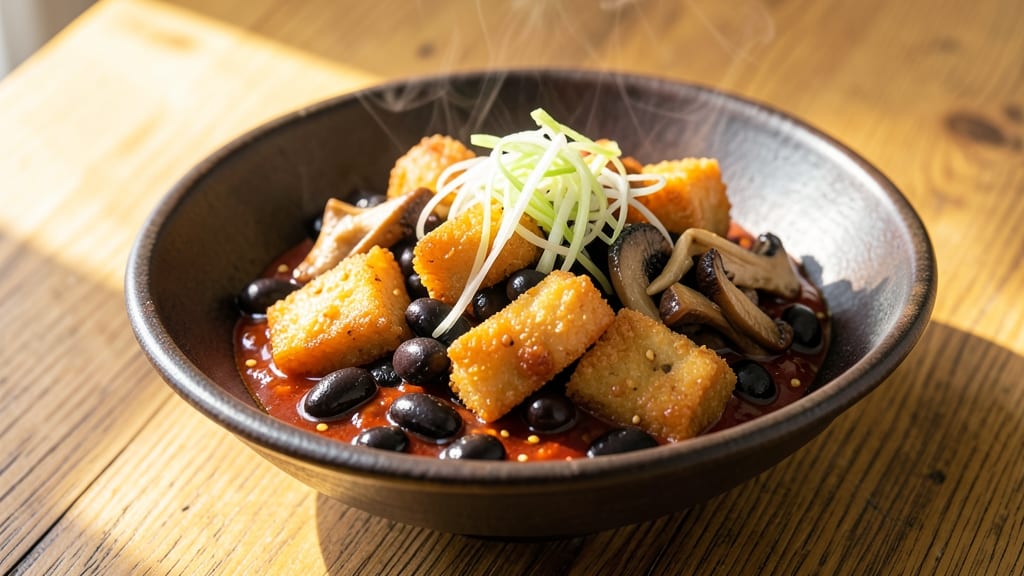
This black bean tteokbokki recipe reimagines Korea’s iconic spicy rice cakes with a plant-based twist that delivers all the umami depth and fiery kick you crave. The secret lies in black beans—packed with protein and earthy richness—they replace traditional fish cake while keeping the dish hearty and satisfying. I’ve perfected this version over countless batches, balancing heat, sweetness, and fermented funk without a single animal product.
What sets this apart is the broth: a savory base built with mushrooms and vegan fish sauce, simmered until deeply flavorful. The rice cakes (or chewy alternatives like mochi rice cakes) absorb the spicy-sweet sauce perfectly, while black beans add texture and substance.
You’ll achieve that signature tteokbokki tang—fermented, bold, and impossible to resist—without compromising on flavor or authenticity.
The result is a dish that’s restaurant-quality at home, with crispy edges on the rice cakes, tender black beans, and a sauce that’s both spicy and subtly sweet. It’s the kind of meal that disappears faster than you can say “gochujang,” leaving everyone asking for seconds.
The best part? Every bite is packed with umami, thanks to the black beans and fermented chili paste working together in harmony.
Customize the heat with gochugaru (Korean chili flakes) or add a splash of rice vinegar for brightness. This recipe proves plant-based comfort food can be just as bold and satisfying as the original. Let’s get cooking!
Ingredients for black bean tteokbokki
Black beans and fermented chili paste create this restaurant-quality vegan tteokbokki with bold umami and perfect spice balance.
| Ingredient | Amount | Notes |
|---|---|---|
| Black Beans 🫘 | 1 ½ cups | Cooked, drained and rinsed |
| Tteokbokki Rice Cakes 🍚 | 14 oz | Traditional or mochi-style |
| Shiitake Mushrooms 🍄 | 8 oz | Sliced, fresh or rehydrated |
| Gochujang 🌶️ | ⅓ cup | Korean fermented chili paste |
| Vegan Fish Sauce 🍶 | 2 tbsp | Like Red Boat or Three Crabs |
| Soy Sauce 🥢 | 2 tbsp | Kosher or tamari for gluten-free |
| Sesame Oil 🫒 | 1 tbsp | Toasted for aroma |
| Rice Vinegar 🍶 | 2 tbsp | White or seasoned |
| Gochugaru 🌶️ | 1 tbsp | Korean chili flakes |
| Garlic Cloves 🧄 | 4 cloves | Minced for depth |
| Green Onions 🧅 | 4 whole | Sliced, for garnish |
| Sesame Seeds 🌾 | 1 tbsp | Toasted for crunch |
| Vegetable Oil 🫒 | 2 tbsp | For frying rice cakes |
| Sugar 🍯 | 2 tbsp | White or brown |
| Salt 🧂 | 1 tsp | Kosher or sea salt |
The black beans are the heart of this dish—they bring that deep, earthy umami that replaces fish cake while keeping the dish hearty. Canned beans work fine, but if you can find dried, soak overnight for better texture. For the rice cakes, traditional tteokbokki from Korean markets have the perfect chewy bite, but mochi-style rice cakes (like those at Asian grocery stores) hold up beautifully too. The shiitake mushrooms? Fresh is ideal, but rehydrated dried mushrooms work in a pinch—just make sure they're sliced thin for quick cooking. Look for plump, firm shiitake with intact stems at the store, and avoid any with slimy caps.
No gochujang? Mix 1 tbsp sriracha with 1 tbsp soy sauce and 1 tsp maple syrup as a quick substitute, though it won't have the same fermented depth. Vegan fish sauce can be tricky to find—check the Asian aisle or order online from brands like Red Boat. The sesame oil is non-negotiable for that nutty aroma, but if you're avoiding sesame allergies, toasted peanut oil works surprisingly well. For extra heat, add extra gochugaru or a dash of cayenne. The green onions and sesame seeds are purely for garnish, but don't skip them—they add freshness and crunch that cuts through the richness.
This sauce gets better with time, so make a double batch if you're feeding a crowd. Store leftovers in an airtight container in the fridge for up to 5 days, though the rice cakes will get softer over time. For freezing, portion the sauce without the rice cakes—it keeps for 3 months. Reheat gently on the stove, adding a splash of water to loosen the sauce. The rice cakes? Best eaten fresh, but you can reheat them in a dry pan for a few minutes to restore some crispiness.
Why You'll Love This Recipe
- One-Pot Magic: I swear by this recipe when I’m too tired to wash dishes. The black beans and mushrooms soften right in the same pan as the rice cakes, so you’re left with one sheet to scrub—no chopping boards or extra bowls in sight.
- Umami Bomb: That combo of gochujang and vegan fish sauce? It’s like a flavor explosion in your mouth. The mushrooms add this deep, earthy richness, while the beans keep it hearty—no bland moments here.
- Lunchbox Hero: Between us, this reheats like a dream. Pack it in containers for work or school lunches, and it stays warm and delicious. My kids actually eat their veggies when they’re hidden in this spicy, chewy goodness.
- Budget Stretch: I make this twice a month because it’s cheap but feels fancy. Black beans and mushrooms are pantry staples, and a little gochujang goes a long way. Plus, leftovers taste even better the next day—if there are any left.
Step-by-step instructions for black bean tteokbokki
Here's how to transform simple ingredients into a bold, umami-rich dish with perfect texture and heat balance.
Prepare the Black Bean Base and Aromatics
In a medium saucepan, combine the 1.5 cups cooked black beans with 2 tablespoons sugar, 2 tablespoons soy sauce, and 2 tablespoons rice vinegar. Bring to a gentle simmer over medium heat and cook for 5-7 minutes until the mixture thickens slightly and the flavors meld. You'll notice the beans soften further and release their natural sweetness.
While the beans cook, heat 2 tablespoons vegetable oil in a separate skillet over medium-high heat. Add the 4 minced garlic cloves and cook for 30 seconds until fragrant—just enough to wake up their flavor without burning. Immediately transfer the garlic to a small bowl and set aside. This quick cooking preserves their sweetness and prevents bitterness.
Build the Spicy-Savory Sauce
Return the skillet to the stove and add the 8 ounces sliced shiitake mushrooms. Cook for 4-5 minutes until they release their moisture and develop golden edges. The mushrooms should soften but maintain some texture—this adds depth to the dish.
Reduce heat to medium-low and stir in the 0.33 cup gochujang, 2 tablespoons vegan fish sauce, and 1 tablespoon gochugaru. Let the mixture simmer for 2-3 minutes until it thickens into a glossy, vibrant sauce. The color should deepen to a rich reddish-brown, and you'll smell that perfect balance of spicy, smoky, and funky aromas. This is where the umami magic happens.
Fry the Rice Cakes for Perfect Texture
In a clean skillet over medium heat, add the 14 ounces tteokbokki rice cakes in a single layer. Let them sit undisturbed for 2-3 minutes until the bottoms develop golden-brown spots. This initial searing creates that satisfying crispy exterior while keeping the centers tender.
Flip the rice cakes carefully and cook for another 2-3 minutes until both sides are evenly browned. Remove them from the skillet and set aside. The rice cakes should be firm enough to hold their shape but still pliable—this ensures they'll absorb the sauce beautifully without turning mushy.
Combine Everything for Maximum Flavor
Return the black bean mixture to the skillet with the mushroom sauce. Bring to a gentle simmer and add the fried rice cakes. Toss everything together for 2-3 minutes until the rice cakes are evenly coated and heated through. The sauce should cling to each piece, creating that irresistible glossy finish.
Remove from heat and stir in the 1 tablespoon sesame oil and 1 teaspoon salt. Taste and adjust seasoning—you might need a touch more salt to balance the spicy-sweet flavors. The dish should sing with both heat and umami, with the black beans adding their earthy depth.
Finish and Serve with Crunchy Garnishes
Transfer the tteokbokki to serving bowls and let it rest for 2 minutes—this allows the flavors to settle and the rice cakes to absorb any remaining sauce. Garnish with the 4 sliced green onions and 1 tablespoon toasted sesame seeds just before serving.
The green onions add a fresh contrast to the rich, spicy base, while the sesame seeds provide a nutty crunch that cuts through the heat. Serve immediately with steamed rice or crusty bread to soak up every last drop of that incredible sauce—this dish is all about the bold, balanced flavors coming together in perfect harmony.
Pro Tips For Making Black Bean Tteokbokki
- SOAK THE RICE CAKES: I learned this the hard way—dry rice cakes taste like cardboard. Toss them in hot water for 10 minutes first, then drain well. They’ll absorb the sauce better and stay chewy, not mushy. (Yes, even if you’re impatient like me.)
- SAUTÉ MUSHROOMS FIRST: Start with shiitake mushrooms in a dry pan for 3-4 minutes until they release their moisture and develop a slight char. This builds flavor before the sauce hits, so you’re not just masking bland mushrooms later. Skip this, and your dish tastes like a watery stew.
- CONTROL THE GOCHUJANG HEating: Stir gochujang into the sauce after the black beans and vegan fish sauce are simmering, not at the start. If you add it too early, the heat will cook off the spice and make the sauce bitter. A quick toss at the end keeps that bright, tangy kick intact.
- USE BLACK BEANS FROM A CAN: Drain and rinse canned black beans, but don’t skip the rinse—it cuts the gummy residue that makes the sauce cling like glue. If you’re using dried, soak them overnight and parboil for 10 minutes first; they’ll hold up better in the long simmer. (Your future self will thank you.)
Serving suggestions for leftovers
Steamed Rice Pairing
This dish practically begs for a bowl of steamed jasmine rice—its mild, slightly floral notes perfectly complement the bold flavors of the black bean tteokbokki. I like to serve it in individual bowls with the tteokbokki spooned over the rice, creating a visually striking contrast.
For extra flair, drizzle a little sesame oil over the rice before serving. 🍚
Crusty Bread Sides
A warm baguette or Korean banana bread makes an excellent side to soak up the spicy-sauce. I recommend toasting the bread first to enhance its crunch, then cutting it into thick slices.
The bread’s hearty texture balances the dish’s chewy rice cakes beautifully. For a vegan option, use a sourdough loaf from your local bakery.
Pickled Vegetable Contrast
Add a refreshing quick-pickled cucumber or radish to cut through the richness. Thinly slice ½ cucumber and 2 radishes, then toss with 2 tbsp rice vinegar, 1 tsp sugar, and a pinch of salt.
Let it sit for 10 minutes before serving. The tangy crunch creates a perfect palate cleanser between bites. 🥒
Kimchi Boost
For an extra umami punch, serve a small side of store-bought or homemade kimchi. The fermented spice mirrors the tteokbokki’s depth while adding a probiotic boost. I like to spoon 1-2 tbsp alongside each serving—it’s like a mini flavor bomb that elevates the whole meal.
Look for less spicy varieties if you’re sensitive to heat.
Protein Additions
If you want to round out the meal, add crispy tofu or marinated tempeh on the side. Pan-fry ½ block extra-firm tofu in 1 tbsp oil until golden, then toss with 1 tbsp soy sauce and ½ tsp garlic powder.
The protein adds substance without overpowering the dish’s star ingredients. 🍳
Drink Pairings
Cool down with a sparkling yuja tea or soy milk latte—both complement the dish’s spicy-sweet profile. For something stronger, a light lager like Asahi or a dry Riesling balances the heat beautifully. Avoid heavy beers or sweet wines, as they’ll clash with the fermented flavors. 🍺
Nutrition facts
Frequently asked questions
Can I use canned black beans instead of dried?
Canned black beans work perfectly and save time. Just drain and rinse them well to remove excess sodium. For best texture, lightly mash about half the beans with a fork before adding them to the sauce—this helps create a thicker, more cohesive stew. Dried beans will give a slightly firmer bite but require overnight soaking.
How do I adjust the spice level?
The gochujang and gochugaru provide the heat, so start with the 1 tbsp gochugaru listed and taste before adding more. For extra kick, stir in ½ tsp red pepper flakes or a dash of gochugaru paste. If it's too spicy, balance it with 1 tsp more sugar or a splash of rice vinegar to mellow the heat while keeping the umami intact.
What if I can't find tteokbokki rice cakes?
No problem! Use chewy mochi rice cakes (like those for mochi ice cream) or even thick-cut sweet potato noodles for a similar texture. For a gluten-free option, try rice crackers or toasted lotus root slices. If using sweet potato noodles, reduce the cooking time by 2 minutes since they soften faster than traditional rice cakes.
Can I make this ahead of time?
Yes, but with a few tweaks. Prepare the sauce (without rice cakes) up to 3 days ahead and store it in an airtight container. Reheat gently, then fry the rice cakes fresh before tossing. For the full dish, refrigerate for up to 2 days—the flavors deepen overnight, but the rice cakes may soften slightly. Re-crisp them in a dry pan for 1-2 minutes before serving.
Why does my sauce look too thin?
Sauce thinning usually happens if the black beans release too much liquid or the mushrooms weren't cooked long enough. Simmer uncovered for 3-5 extra minutes to reduce the liquid, or stir in 1 tsp cornstarch mixed with 1 tbsp water to thicken it instantly. For extra richness, add 1 tbsp more gochujang or a splash of vegan fish sauce to restore depth.