
Soups & Stews
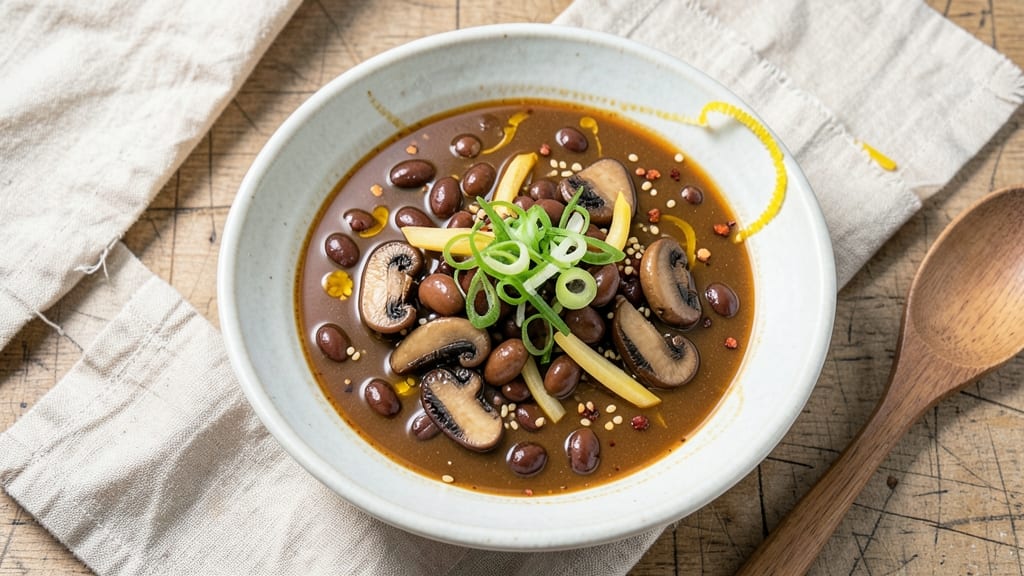
This black soybean soup recipe delivers earthy umami richness with a silky texture that feels luxurious yet simple to make. The secret lies in slow simmering dried black soybeans until they soften into creamy perfection—no blending required.
I developed this version after discovering how traditional East Asian techniques transform humble ingredients into something deeply satisfying.
The beauty of this soup is its versatility—it works as a light meal on its own or pairs beautifully with steamed rice and quick-pickled vegetables. The black soybeans provide plant-based protein and fiber, while aromatic ginger and scallions add bright, fresh contrast to the deep umami flavor.
Most recipes skip the proper simmering time, but that's where the magic happens.
What you'll end up with is a velvety, comforting broth with tender soybeans that practically melt in your mouth. The aroma alone—warm, nutty, and slightly sweet—will have everyone at the table asking for seconds.
This isn't just soup; it's a nutritional powerhouse that tastes like a restaurant-quality bowl made in your own kitchen.
The best part? It gets better with time. The flavors deepen as it sits, making it perfect for meal prep. Serve it hot with a sprinkle of sesame seeds and a dash of chili oil for extra depth. Here's how to make it—foolproof and restaurant-worthy without the fuss.
Ingredients for black soybean soup
Earthy soybeans meet aromatic mushrooms and ginger for a velvety, umami-rich bowl that feels indulgent yet simple.
| Ingredient | Amount | Notes |
|---|---|---|
| Dried Black Soybeans 🌱 | 1 cup | Soaked overnight, drained |
| Dried Shiitake Mushrooms 🍄 | 4 whole | Rehydrated in hot water |
| Fresh Ginger Root 🧄 | 2 tbsp | Finely minced, aromatic |
| Green Onions 🧅 | 3 whole | White and green parts separated |
| Sesame Oil 🫒 | 1 tbsp | Toasted for aroma |
| Low-Sodium Soy Sauce 🥢 | 2 tbsp | For umami depth |
| Vegetable Broth 💧 | 4 cups | Homemade or high-quality |
| Sesame Seeds 🌾 | 1 tbsp | Toasted for garnish |
| Chili Oil 🌶️ | 1 tbsp | Optional, for heat |
| Garlic Cloves 🧄 | 3 cloves | Minced for depth |
| Dried Porcini Mushrooms 🍄 | 2 tbsp | Crumbled, for earthiness |
| White Miso Paste 🍶 | 1 tbsp | Dissolved in warm broth |
| Sea Salt 🧂 | 1 tsp | Diamond Crystal preferred |
| Black Peppercorns 🌶️ | ¼ tsp | Freshly cracked |
The black soybeans are non-negotiable—they deliver that deep, nutty flavor and silky texture. Look for them in Asian grocery stores or well-stocked health food sections like Whole Foods. Soak them overnight (at least 8 hours) to soften properly—this is where the magic happens. If you can't find black soybeans, adzuki beans are a decent backup, though the flavor won't be identical. The dried shiitake mushrooms add another layer of umami; San Jo brand is my go-to, but any high-quality dried shiitake will work. Rehydrate them in hot water for 20 minutes before adding to the pot—they'll shrink dramatically, so don't stress about the size difference.
No sesame oil? Toasted peanut oil works in a pinch, though it has a different flavor profile. Running short on miso? White miso is essential here—red miso will overpower the delicate flavors, but a splash of rice vinegar can mimic some of its funk. Fresh ginger is ideal, but if you're using powdered, reduce the amount by half. The green onions should be bright and crisp—if they're wilted, skip the green parts and use only the whites. For extra depth, toast the sesame seeds in a dry pan for 30 seconds before adding them to the soup—they'll release their nutty aroma instantly.
This soup tastes even better the next day as the flavors meld together. Store it in an airtight container in the fridge for up to 5 days—the texture will remain silky, though the broth may thicken slightly. For longer storage, freeze it in 1-cup portions for up to 3 months. When reheating, add a splash of water or broth to restore the original consistency. The miso and soy sauce will caramelize slightly over time, deepening the umami notes—this is actually a good thing. If you're making a big batch, double the ingredients and freeze half for lazy weeknights.
Why You'll Love This Recipe
- No-Soak Required: I’ll admit, I used to dread soaking beans—but these dried black soybeans? Just rinse and simmer. They soften in under an hour while you handle everything else, no overnight prep needed.
- Umami Bomb: That first sip of shiitake and black soybean broth? It’s like a warm hug for your taste buds. The mushrooms add deep earthiness, while the soybeans bring a nutty richness—no fancy ingredients, just pure flavor.
- Meal Prep MVP: Make a big batch on Sunday, and you’ve got lunch or dinner covered for days. The flavors actually get better as it sits, and reheating takes two minutes. My freezer’s always stocked with this—it’s my go-to for lazy nights.
- Budget Magic: A single bag of dried black soybeans stretches into weeks of soup, and shiitake mushrooms last forever if you store them right. Honestly, this recipe keeps my grocery bill lower than takeout—and tastes way better.
Step-by-step instructions for earthy umami black soybean soup
Here's how to transform simple ingredients into a velvety, complex soup with depth of flavor.
Prepare the Base Ingredients for Maximum Flavor
Begin by soaking the 1 cup dried black soybeans in plenty of cold water overnight. This ensures they soften completely and absorb the broth's flavors. Drain them thoroughly before using—any lingering water will dilute your soup.
Rehydrate the 4 whole dried shiitake mushrooms by soaking them in hot water for 20 minutes. This jumpstarts their flavor extraction. While they soak, crumble the 2 tablespoons dried porcini mushrooms into small pieces—their earthy notes will form the soup's foundation. Finely mince the 2 tablespoons fresh ginger root and 3 cloves garlic for aromatic punch.
Build the Umami-Rich Broth
In a large pot, combine the 4 cups vegetable broth with the dissolved 1 tablespoon white miso paste (mix it with a splash of warm broth first to prevent clumping). Add the drained black soybeans, rehydrated shiitake mushrooms, and crumbled porcini. Bring to a gentle simmer over medium heat and cook for 45 minutes, partially covered.
Here's the thing—this initial simmering period is where the magic happens. The soybeans will begin breaking down, releasing their nutty sweetness while the mushrooms infuse the broth with their deep, woodsy character. Stir occasionally to prevent sticking, and watch for a gradual thickening of the liquid.
Develop the Flavor Layers
After 45 minutes, stir in the minced ginger, garlic, and 2 tablespoons low-sodium soy sauce. Add the 1 teaspoon sea salt and 0.25 teaspoon freshly cracked black peppercorns—these will balance the soup's richness. Let it simmer uncovered for another 15 minutes until the soybeans are tender but still hold their shape.
This is where the soup transforms from simple broth to complex flavor profile. The soy sauce adds umami depth while the salt and pepper create the perfect seasoning balance. Taste frequently during this stage—you're aiming for a harmonious blend where no single ingredient dominates.
Finish with Aromatics and Texture
Remove the pot from heat and stir in the 1 tablespoon toasted sesame oil and 1 tablespoon chili oil (if using). The sesame oil adds nutty warmth while the chili oil introduces subtle heat. Gently fold in the separated white parts of the 3 green onions for freshness.
For the final touch, ladle the soup into bowls and garnish each serving with 1 tablespoon toasted sesame seeds and the remaining green onion tops. The contrast between the silky soup and crunchy garnishes elevates the dish. Serve immediately while the flavors are at their peak.
Pro Tips For Making Black Soybean Soup
- SOAK BEANS OVERNIGHT: I learned this the hard way—rushing black soybeans in hot water leaves them tough and mealy. Soak them in cold water for 8–12 hours (yes, even if you’re impatient like me) to soften them properly. The longer they soak, the creamier the soup will be—no one wants to chew on dried beans in their broth.
- SCRUB MUSHROOMS VIGOROUSLY: Dried shiitake mushrooms hide dirt in their folds, and skipping a good scrub means gritty soup. Fill a bowl with cold water, swirl them around for 30 seconds, then rinse under running water. This isn’t the prettiest method, but it’s the tastiest—trust the process.
- LOW AND SLOW FOR FLAVOR: After burning three batches, I finally figured out black soybean soup needs a gentle simmer, not a rolling boil. Once the beans and mushrooms are added, keep the heat at a low simmer (just bubbles breaking the surface) for at least 1.5 hours. Rushing it makes the beans bitter—your future self will thank you.
- GINGER SLICES THINLY: Sounds weird, but it works: slice ginger into paper-thin pieces (almost translucent) instead of thick chunks. This way, it infuses the soup evenly without overpowering it. Toss the slices out after cooking—no one wants to bite into a chewy ginger surprise.
Troubleshooting this recipe
Soybeans Too Hard
The most common issue is under-soaking the black soybeans. They need at least 8 hours of soaking, but I often soak mine overnight (12+ hours) for perfect tenderness.
If your beans feel firm after simmering, extend the cooking time by 15-20 minutes on low heat with ½ cup extra broth. The key is patience—rushing this step ruins the silky texture. 💫
Broth Too Thin
This usually happens when you skip the proper simmering time or use too much liquid. After the initial 45-minute simmer, uncover the pot and let the broth reduce naturally over 10-15 minutes on medium heat.
For extra thickness, mash 2-3 soybeans with a spoon to release starches. If it's still too thin, simmer uncovered until it reaches your desired consistency—just watch closely to avoid burning.
Mushroom Bits Too Large
Dried shiitake mushrooms can be stubbornly tough if not handled properly. Before adding them to the pot, tear them into ¼-inch pieces after rehydrating. For even more tenderness, simmer them separately in ½ cup broth for 10 minutes before adding to the main pot.
The porcini should be crumbled finely—they're the secret to that earthy depth without chewy bits. 🍄
Flavor Too Mild
If your soup tastes bland, it's likely from insufficient umami development. Boost the flavor by adding 1 extra tablespoon soy sauce or ½ teaspoon white miso paste during the final 15 minutes of simmering.
For a quick fix, stir in 1 teaspoon fish sauce (vegan option: soy sauce + ½ tsp dried seaweed) off the heat. The mushrooms and soybeans need time to infuse—don't rush the simmering process.
Burnt Onions or Ginger
This happens when you add fresh aromatics too early or cook at too high heat. Always add minced ginger and garlic during the final 15 minutes of simmering, not at the start.
For extra protection, sauté them in ½ tablespoon sesame oil for 30 seconds before adding to the pot. Keep the heat at medium-low when incorporating fresh ingredients to prevent burning. 🧄
Grainy Texture
A grainy texture usually means the soybeans weren't softened enough before cooking. If this happens, blend ½ cup of the soup (including some soybeans) until smooth, then stir it back into the pot. For prevention, always soak your beans thoroughly and simmer gently.
The miso paste can also contribute to graininess if not dissolved properly—always mix it with warm broth first to create a smooth paste before adding to the pot.
Nutrition facts
Frequently asked questions
Can I substitute black soybeans with regular soybeans or adzuki beans?
While you can use adzuki beans as a backup, they won't provide the same deep, nutty flavor or silky texture. Regular soybeans are too large and won't soften properly in this recipe. For best results, stick with black soybeans—they're the secret to that luxurious mouthfeel and earthy richness. If you absolutely must substitute, try black-eyed peas (soaked for 4 hours) for a slightly different but still delicious result.
How do I know when the black soybeans are fully cooked?
They should be tender enough to crush between your fingers but still hold their shape. After 45 minutes of simmering, test one—if it's still firm, cook for another 10-15 minutes with ½ cup extra broth. Overcooking can make them mushy, so aim for that perfect balance between soft and slightly resistant. The beans should feel velvety, not pasty.
Can I make this soup without miso paste?
Yes, but you'll miss that deep umami layer. For a substitute, mix 1 tablespoon soy sauce with ½ teaspoon white vinegar and ¼ teaspoon sugar to mimic miso's complexity. Alternatively, add 1 teaspoon dried kombu seaweed during simmering for natural umami. The soup will still be delicious, but the flavor profile will be slightly different without miso's fermented depth.
How long can I store leftovers, and how do I reheat them?
Store in an airtight container in the fridge for up to 5 days—the flavors actually improve as they sit! For reheating, gently warm on the stove over low heat and add 1-2 tablespoons water or broth to restore the silky texture. Never microwave, as it can make the soybeans rubbery. If freezing, portion into 1-cup servings for up to 3 months—thaw overnight in the fridge before reheating.
What are the best sides to serve with this soup?
This rich, earthy soup pairs beautifully with light, fresh elements. Try steamed jasmine rice to soak up the broth, or quick-pickled cucumbers for tangy contrast. For extra protein, add tofu or edamame to your bowl. The crispness of steamed bok choy or a simple miso-glazed eggplant also complements the deep flavors perfectly. For a complete meal, include a small side salad with sesame dressing to balance the richness.