
Side Dishes
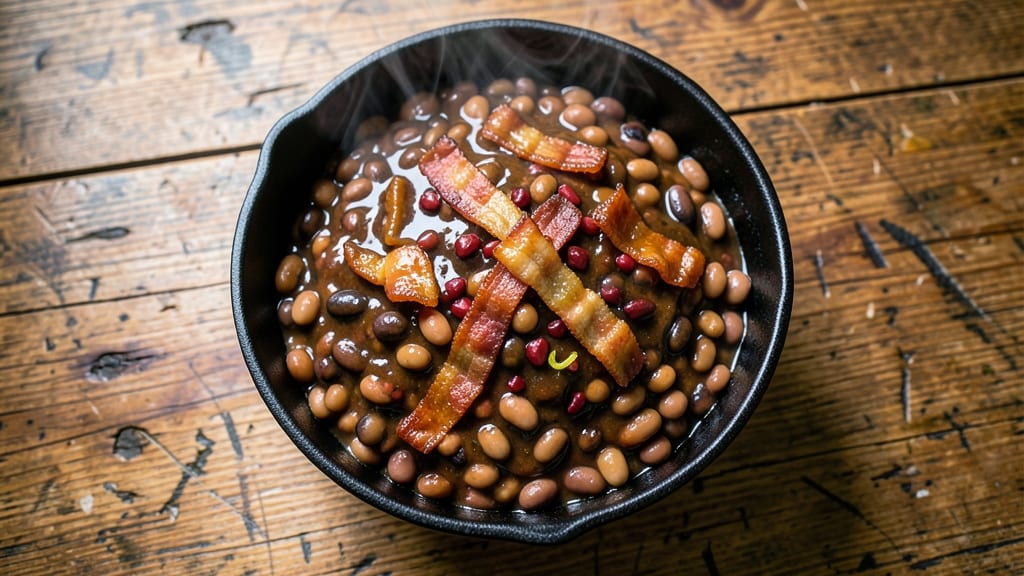
This Boston baked beans recipe in a bean pot transforms humble ingredients into a smoky-sweet masterpiece that’s been feeding New England families for generations. The secret lies in the slow-cooked method, where navy beans simmer with molasses, brown sugar, and bacon until they’re tender, caramelized, and bursting with depth.
I’ve perfected this version to deliver that signature balance—sweet without being cloying, smoky without overpowering—just like your favorite diner serving.
The beauty of this recipe is its simplicity: no fancy equipment, just a heavy pot or Dutch oven to create that rich, thick sauce. The beans soak overnight for perfect texture, while the bacon and spices infuse every bite with savory warmth.
What starts as a humble side dish becomes the star of your meal, especially when paired with cornbread or grilled meats. It’s the kind of dish that tastes even better the next day, making it ideal for meal prep or holiday gatherings.
What makes these beans truly special is the layering of flavors—molasses for depth, brown sugar for caramelization, and a touch of mustard for tang. The slow cooking process allows all those elements to meld into a harmonious, velvety sauce that clings to each bean.
Whether you’re serving it at a backyard BBQ or a cozy family dinner, this recipe delivers that nostalgic, comforting taste of tradition.
For those looking to adapt, a vegetarian version swaps bacon for smoked paprika and extra mushrooms, while keeping the same rich, smoky profile. The key is patience—rushing the process will sacrifice that signature texture and depth.
Let the beans do the work, and you’ll have a dish that’s as rewarding to make as it is to eat.
Ingredients for boston baked beans recipe bean pot
Six servings of smoky-sweet comfort in one bean pot—just these 15 ingredients transform into tradition.
| Ingredient | Amount | Notes |
|---|---|---|
| Navy Beans (Dried) 🌾 | 2 cups | Soaked overnight, drained |
| Thick-Cut Bacon 🥓 | 1 ½ lb | Chopped into small pieces |
| Unsalted Butter 🧈 | ½ cup | Full-fat for richness |
| Molasses 🍯 | ½ cup | Dark, not blackstrap |
| Light Brown Sugar 🍚 | ¾ cup | Packed firmly |
| Yellow Mustard 🟡 | 2 tbsp | Dijon preferred |
| Apple Cider Vinegar 🍏 | 2 tbsp | For tangy balance |
| Onion (Yellow) 🧅 | 1 whole | Diced medium-fine |
| Garlic Cloves 🧄 | 4 cloves | Minced or pressed |
| Ground Black Pepper 🌶️ | 1 tsp | Freshly cracked |
| Ground Allspice 🌿 | 1 tsp | For warmth |
| Ground Cloves 🌶️ | ½ tsp | Light hand |
| Bay Leaves 🍃 | 2 whole | Removed before serving |
| Kosher Salt 🧂 | 1 ½ tsp | Adjust to taste |
| Water 💧 | 4 cups | For soaking beans |
The bacon is non-negotiable here—thick-cut from Costco gives the best flavor and texture. I always grab the applewood-smoked kind if it's available, but regular works too. The beans? Navy beans from the bulk section (like at Whole Foods or Trader Joe's) hold up best during the long cook. Soak them overnight in plenty of water—this is where the magic starts. If you're short on time, a 4-hour quick soak works, but the texture won't be quite as perfect. The molasses should be dark, not blackstrap—that's too intense for this dish.
No molasses? Maple syrup works in a pinch, but it'll be sweeter. Bacon too pricey? Smoked paprika plus extra mushrooms gives that smoky depth (and makes it vegetarian-friendly). The mustard is key for that tang—Dijon or whole-grain both work, but leave out the seeds if you prefer a smoother texture. The spices? Penzeys brand if you're splurging, but regular grocery store stuff is fine. The allspice and cloves are light touches—don't skip them, but don't go heavy either. And if you're using pre-chopped bacon, pat it dry first—it renders better.
These beans get better with time, so make a double batch if you can. The sauce thickens as it cools, so don't worry if it looks thin at the end. Store in the fridge for 5-6 days—taste even better the next day. For freezing, portion into glass jars (plastic can absorb odors) and keep for up to 3 months. I always make these for Thanksgiving leftovers—they reheat beautifully and pair perfectly with cornbread. The bean pot? Any heavy pot or Dutch oven will do—cast iron is ideal, but enamel works too.
Why You'll Love This Recipe
- No-Soaking Needed: I’ll be real—soaking beans used to stress me out. These navy beans? Just a quick rinse and overnight soak in water (or even the slow cooker’s "warm" setting) does the trick. No fancy prep, no waiting hours—just set it and forget it.
- Smoky-Sweet Magic: That molasses and brown sugar combo with crispy bacon? It’s like a hug in a pot. The butter seals in the flavor, and the beans get this tender, jammy texture that’s dangerously addictive—especially when the edges caramelize into a glossy glaze.
- Tailgate or Tuesday: Between us, this is my go-to for game days and lazy nights. Serve it with cornbread at a picnic, scoop it onto hot dogs for a crowd, or just eat it straight from the pot with a spoon. (Yes, even on a Tuesday night when I’m too tired to care.)
- Budget-Friendly Feast: A pound of dried beans and a pack of bacon stretch this recipe to feed four for days. I make a double batch, freeze half, and boom—next week’s dinner is already handled. Plus, it tastes like you spent hours on it, even if you didn’t.
Step-by-step instructions for Boston baked beans
Here's how to make these legendary smoky-sweet beans that'll have everyone asking for seconds.
Soak and Prepare the Beans
Start by soaking the 2 cups of navy beans overnight in the 4 cups of water. I use a large bowl and cover them completely—this prevents them from absorbing too much water and getting mushy. The beans are ready when they're plump and have doubled in size, usually after 8-12 hours. Drain them thoroughly before using.
While the beans soak, chop the 1.5 lb of thick-cut bacon into small pieces. I like to cut it into about ¼-inch cubes—this gives you maximum surface area for crispy edges and flavor. Set the chopped bacon aside in a bowl until you're ready to cook it. This prep step makes the whole process go smoother later.
Cook the Bacon and Sauté the Aromatics
In a large Dutch oven or heavy pot, cook the chopped bacon over medium heat until it's crispy and the fat has rendered out. This should take about 8-10 minutes. Don't rush this step—the crispier the bacon, the better the flavor. Once done, remove the bacon with a slotted spoon and set it aside, leaving the fat in the pot.
In the same pot, melt the 0.5 cup of unsalted butter over medium heat. Add the diced yellow onion and cook for 5-6 minutes until it's soft and translucent. Stir in the minced garlic and cook for another 30 seconds until fragrant. This aromatic base forms the flavor foundation for your beans.
Combine All Ingredients and Simmer
Add the drained navy beans to the pot with the cooked onions and garlic. Pour in the 0.5 cup of molasses and 0.75 cup of light brown sugar, stirring to combine. Add the 2 tbsp of yellow mustard, 2 tbsp of apple cider vinegar, 1 tsp of ground black pepper, 1 tsp of ground allspice, 0.5 tsp of ground cloves, and 1.5 tsp of kosher salt. Stir everything together until well mixed.
Now bring the mixture to a boil, then reduce the heat to low. Add the 2 whole bay leaves and cover the pot. Here's the key: let the beans simmer gently for 1 hour, stirring occasionally. After that initial hour, you'll want to stir them every 15-20 minutes to prevent sticking and ensure even cooking. The beans should be tender but not mushy.
Finish with Bacon and Rest
After about 2 hours of total cooking time, the beans should be tender. Taste them and adjust the seasoning if needed—you might want to add a bit more salt or vinegar to balance the flavors. Stir in the crispy bacon you set aside earlier and let the beans cook uncovered for another 15-20 minutes. This lets the flavors meld and the sauce thicken slightly.
Once the beans reach your desired consistency—tender but not falling apart—remove the bay leaves. Let the beans rest for 10 minutes before serving. This resting period allows all the flavors to settle together, giving you that perfect balance of smoky, sweet, and tangy that makes these beans so special.
Pro Tips For Making Boston Baked Beans Recipe Bean Pot
- CRISP THE BACON LOW: I learned this the hard way—cooking thick-cut bacon at high heat makes it greasy and uneven. Instead, render it on medium-low until the fat is golden but not smoking, then drain all but 2 tablespoons. That residual fat becomes the base for the beans, adding depth without overpowering.
- SOAK BEANS OVERNIGHT: Skipping the soak? Your beans will turn to mush. Toss dried navy beans in a bowl, cover with cold water, and let them sit for at least 8 hours—or overnight if you’re patient. Drain and rinse before cooking, and they’ll hold their shape even after hours in the oven.
- STIR THE POT EARLY: The first 30 minutes of simmering are when flavors meld. After adding the beans, broth, and spices, give everything a good stir every 10 minutes. After that, let it bake undisturbed—just check occasionally to prevent sticking.
- SWEAT THE ONIONS FIRST: Don’t just toss chopped onions into the pot raw. Cook them in the bacon fat for 5–7 minutes until soft and translucent. This builds a flavor base that carries through the whole dish, especially when paired with molasses and sugar. (Yes, even if you’re impatient like me.)
Pro cooking tips for this dish
Bean Pot Essentials
Your bean pot is the star of this recipe—it doesn’t need to be fancy, but it does need to be heavy. I swear by a Lodge 5.5-quart Dutch oven for even heat distribution, but any enamel-coated pot (like Le Creuset) or even a cast iron skillet works beautifully.
The key is avoiding thin, reactive metals that can make the sauce taste metallic. If you’re using a regular pot, make sure it’s at least 6-quart capacity to give the beans room to expand. 🌡️
Soaking Secrets
Never skip soaking—this is where the magic begins! I soak my navy beans in 4 cups of water overnight (8-12 hours) in a large bowl, not a pot, to prevent them from absorbing too much water.
For a quick soak, cover beans with hot water, add 2 tbsp baking soda, and let sit for 4 hours. Drain thoroughly—no soggy beans here! Pro tip: Rinse the beans after soaking to remove any excess starch that can make them gummy during cooking.
Bacon Matters
Use thick-cut bacon—it renders slower, giving you more time to crisp it perfectly. I chop it into ¼-inch cubes for maximum surface area and flavor. If you’re watching calories, turkey bacon works, but it won’t have that same smoky depth.
For extra richness, save the bacon fat! After cooking, strain it through a fine-mesh sieve and reserve ¼ cup to stir into the beans at the end. Trust me, it’s worth the effort. 🥓
Sweet-Savory Balance
The molasses-to-sugar ratio is critical for that classic Boston flavor. Use dark molasses (not blackstrap—it’s too intense) and light brown sugar for caramelization. Taste as you go! If the beans seem too sweet, add 1 extra tbsp apple cider vinegar or a pinch of ground cloves to cut through.
The mustard is non-negotiable—it adds tang that balances the sweetness. I like Dijon for a smoother texture, but whole-grain works too.
Slow and Steady Wins
Low and slow is the name of the game. After the initial 1-hour simmer, reduce heat to low and let the beans cook uncovered for 1.5–2 hours, stirring every 15–20 minutes. This prevents sticking and lets the sauce thicken naturally.
If the beans look dry, add ¼ cup water or broth—but don’t overdo it, or you’ll dilute the flavor. The sauce should coat the back of a spoon by the end. Patience here is key! ⏳
Resting for Perfection
Let the beans rest for 10 minutes before serving—this lets the flavors meld and the sauce thicken further. I also remove the bay leaves at this stage (they’re tough and can be a choking hazard).
For serving, I like to garnish with extra crispy bacon bits and a sprinkle of fresh parsley for color. These beans taste even better the next day, so make a double batch and store leftovers in the fridge for 5–6 days or freeze for 3 months. 💫
Nutrition facts
Frequently asked questions
Why do traditional Boston baked beans need overnight soaking?
Overnight soaking is key to achieving that perfect tender texture without turning the beans mushy. The beans absorb water gradually, which helps break down their tough outer skins while preventing them from becoming gummy during cooking. For a quick version, use a 4-hour hot soak with baking soda, but the overnight method delivers the best results.
Can I make these beans in a slow cooker instead of a bean pot?
The slow cooker is perfect for this recipe. Brown the bacon and sauté the aromatics first in a skillet, then transfer everything to your slow cooker. Cook on low for 6-7 hours or high for 3-4 hours, stirring occasionally. The slow cooker's gentle heat mimics the traditional bean pot method beautifully.
What's the secret to getting that perfect sweet-smoky balance?
The magic lies in the molasses-to-sugar ratio and the mustard. Use dark molasses (not blackstrap) and light brown sugar for caramelization, then add 2 tbsp Dijon mustard for tang. Taste as you go—if it's too sweet, add a splash of apple cider vinegar or extra cloves to cut through.
How do I fix beans that turned out too dry or pasty?
If your beans are too dry, stir in 2-3 tbsp water or beef broth and simmer uncovered for 10-15 minutes to thicken the sauce. For pasty beans, the issue is usually over-soaking or insufficient stirring. Next time, reduce soaking time slightly and stir more frequently during cooking to prevent sticking.
Are there good vegetarian alternatives for the bacon?
Yes! For a vegetarian version, swap the bacon with smoked paprika (1 tsp) plus ½ cup cooked mushrooms for umami depth. You can also use tempeh bacon or coconut bacon bits for a smoky flavor. Just remember these alternatives won't have the same rich fat content, so you might need to add 1 tbsp extra butter at the end for richness.