
Salads
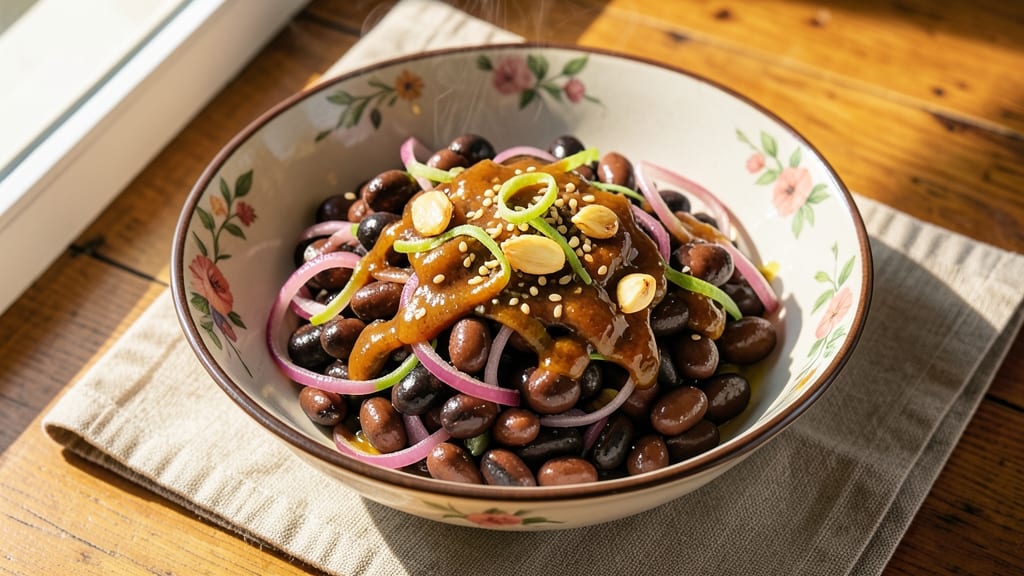
This bulgogi bean salad brings bold Korean-inspired flavors to your plate with a perfect balance of sweet, savory, and crunchy textures. The secret lies in a marinade inspired by classic bulgogi—soy sauce, sugar, garlic, and sesame—that transforms simple beans into a protein-packed dish with restaurant-quality depth.
I developed this recipe after discovering how versatile beans can be when infused with these vibrant flavors, creating a meal that's both hearty and refreshing.
The process starts with preparing the beans—whether black, adzuki, or soybeans—by steaming or quick-frying them until tender yet firm, then tossing them in the bulgogi-inspired marinade. This step ensures they absorb all the rich, umami-packed flavors while maintaining their satisfying bite.
The salad comes together effortlessly with fresh vegetables like shredded carrots, cucumber, and scallions, plus a sprinkle of toasted sesame seeds for that signature Korean crunch.
What makes this dish truly special is how it delivers a satisfying, protein-rich meal without relying on meat. The sweet-savory marinade caramelizes slightly as it cooks, adding layers of complexity that pair perfectly with the crisp vegetables.
Serve it as a standalone dish for a light yet filling lunch or alongside grilled meats for a flavorful side that complements any protein.
For an extra kick, consider adding a drizzle of spicy mayo or avocado slices to enhance the texture and depth. This salad is not only delicious but also incredibly versatile—ready in under 30 minutes and perfect for meal prep. Let's get started!
Ingredients for bulgogi bean salad
Sweet-savory marinade meets crisp veggies in this protein-packed vegetarian bulgogi bean salad.
| Ingredient | Amount | Notes |
|---|---|---|
| Dried Black Beans 🌱 | 1 ½ cups | Rinsed before cooking |
| Coconut Aminos 🥢 | ½ cup | Or sub soy sauce for gluten-free |
| Brown Sugar 🍯 | ¼ cup | Packed lightly, no substitutions |
| Sesame Oil 🫒 | 2 tbsp | Toasted sesame oil preferred |
| Garlic Cloves 🧄 | 6 cloves | Minced finely for depth |
| Fresh Ginger 🌿 | 1 tbsp | Grated, not powdered |
| Toasted Sesame Seeds 🥜 | 2 tbsp | Store-bought or homemade |
| Red Bell Pepper 🌶️ | 1 whole | Thinly sliced, seeds removed |
| English Cucumber 🥒 | 1 whole | Julienned, skin on |
| Green Onions 🧅 | 3 whole | Thinly sliced, white and green |
| Carrots 🥕 | 1 whole | Julienned, orange preferred |
| Vegetable Oil 🫒 | 1 tbsp | High smoke point for frying |
| Sesame Seeds 🥜 | 1 tbsp | Extra for garnish |
| Lime Juice 🍋 | 2 tbsp | Freshly squeezed |
| Salt 🧂 | 1 tsp | Diamond Crystal preferred |
The beans are the heart of this dish, so don't skimp on quality. Dried black beans from the bulk section at Whole Foods or Trader Joe's have the best texture, but any dried bean will work. For the marinade, coconut aminos adds that authentic umami kick without gluten—San-J brand is my go-to, but soy sauce works in a pinch. The brown sugar needs to be packed lightly; don't use powdered sugar substitutes. Fresh ginger and garlic are non-negotiable here—they're what gives this dish that restaurant-quality depth. If you're short on time, pre-minced garlic from the jar works, but freshly grated ginger makes all the difference.
No sesame oil? Toasted peanut oil can stand in, though it won't have that nutty sesame aroma. For the vegetables, English cucumbers are ideal—they're crisp and mild, but any cucumber works if that's what you've got. Want to skip the julienne? Thinly sliced matchsticks with a mandoline work perfectly. The red bell pepper adds a nice crunch and color—roasted briefly before slicing brings out even more sweetness. For extra crunch, add a handful of shredded cabbage if you're feeling adventurous. The lime juice should be freshly squeezed; bottled juice lacks that bright acidity that cuts through the richness of the beans.
This salad keeps beautifully for 3-4 days in the fridge, though the carrots and cucumber will soften slightly. Store the dressing separately if you're prepping ahead—toss everything together just before serving. For meal prep, I portion the beans and veggies separately and assemble when ready to eat. The beans reheat well if you want to serve this warm—just toss with a splash of water and warm through. Garnish with extra sesame seeds right before serving; they add that final Korean-inspired crunch that makes this dish special.
Why You'll Love This Recipe
- No-Soaking Needed: I’ll admit—dried beans usually mean overnight soaking for me. But these black beans? Just a quick 15-minute soak in hot water, then simmer. That’s it. No waiting around, no fuss.
- Sweet-Savory Magic: Coconut aminos and brown sugar team up like old friends here, cutting through the earthy beans with that perfect umami-sweet balance. Add a splash of sesame oil at the end, and suddenly you’ve got a dish that’s ridiculously good without trying too hard.
- Potluck Hero: This salad holds up like a champ—cool, flavorful, and still delicious at room temperature. Pack it in a jar for picnics, bring it to BBQs, or even serve it cold at dinner. It’s the one dish I never have to stress about ruining.
- Budget Meal Stretch: Dried beans and pantry staples mean this feeds four for under $5. Honestly, I make double batches just to have it on hand—it’s my go-to for lazy nights or when I’m trying to make groceries last longer.
Step-by-step instructions for bulgogi bean salad
Transform simple ingredients into a vibrant Korean-inspired salad with bold flavors and satisfying crunch.
Prepare and Cook the Black Beans
Rinse the 1.5 cups dried black beans thoroughly under cold water to remove any debris. Place them in a medium pot and cover with plenty of fresh water—at least 3 inches above the beans. Add the 1 tsp salt and bring to a boil over medium-high heat. Once boiling, reduce heat to medium-low and simmer for 1.5 to 2 hours until the beans are fork-tender but not mushy.
Here's the thing—black beans benefit from a long, slow cook. You'll know they're done when they hold their shape but are completely tender with no hard centers. Drain the beans, reserving 1 cup of the cooking liquid for later. This starchy liquid will help create the perfect dressing consistency. Let the cooked beans cool completely before proceeding—this prevents the salad from getting watery.
Create the Bulgogi-Inspired Dressing
In a small bowl, whisk together the 0.5 cup coconut aminos, 0.25 cup packed brown sugar, 2 tbsp sesame oil, and 2 tbsp lime juice until the sugar dissolves completely. The mixture should be smooth and glossy, with a deep umami-sweet balance that mirrors traditional bulgogi marinades. Taste and adjust—you might want to add a pinch more salt if needed, though the coconut aminos already contain some.
Now add the 6 minced garlic cloves and 1 tbsp grated fresh ginger to the dressing mixture. Let it sit for 5 minutes to allow the aromatics to infuse. The garlic should soften slightly and release its pungent oils, while the ginger will mellow out. If you're using store-bought minced garlic, make sure it's finely chopped—you want these ingredients to dissolve completely into the dressing rather than create texture.
Sauté the Vegetable Medley
Heat the 1 tbsp vegetable oil in a large skillet over medium heat. Add the 1 whole red bell pepper, 1 whole carrot, and 1 whole english cucumber, all julienned according to the ingredient list. Cook for 4-5 minutes until the vegetables soften slightly but still maintain their vibrant colors and crisp texture. You're looking for just enough tenderness to make them easier to eat, not a mushy pile.
Add the 3 whole green onions, sliced thinly, and cook for another 1-2 minutes until they wilt slightly but remain bright green. Remove from heat and let the vegetables cool completely. The key here is maintaining their crunch—overcooking will turn this salad into a sad, limp mess. If you notice any vegetables cooking too quickly, reduce the heat slightly and cook more gently.
Combine All Ingredients
In a large mixing bowl, combine the cooled black beans, sautéed vegetables, and the bulgogi-inspired dressing. Gently toss everything together until the beans and vegetables are evenly coated. Add the 2 tbsp toasted sesame seeds and 1 tbsp extra sesame seeds for garnish, reserving a small amount for final presentation. The toasted sesame seeds will add a nutty depth and satisfying crunch that complements the soft beans perfectly.
If the salad seems too thick after mixing, add 1-2 tablespoons of the reserved bean cooking liquid to loosen it. You want a dressing that clings to the ingredients without making them soggy. Let the salad sit for 10-15 minutes before serving—this allows the flavors to meld together beautifully. The longer it sits, the more the sweet-savory dressing will penetrate each component, creating a cohesive bite.
Serve with Confidence
Transfer the bulgogi bean salad to a serving platter and garnish with the reserved toasted sesame seeds. The visual contrast of the deep red bell pepper, bright green cucumber, and creamy black beans will make this dish instantly appealing. Serve immediately while the vegetables still maintain their crisp texture and the flavors are at their peak intensity.
This salad pairs wonderfully with grilled meats, rice dishes, or even as a standalone vegetarian meal. The combination of sweet, savory, nutty, and fresh flavors creates a balanced dish that's both comforting and exciting. Don't be afraid to adjust the dressing to your taste—maybe you prefer it sweeter or more tangy. The beauty of this recipe is its flexibility while maintaining that authentic Korean-inspired profile.
Pro Tips For Making Bulgogi Bean Salad
- SOAK BEANS OVERNIGHT: DESCRIPTION: Dried black beans are stubborn—rushing them in water leads to tough, mealy results. I learned this the hard way after serving a salad where the beans fell apart like wet cardboard. Cover them in cold water (about 3 cups per cup of beans) and let them sit 8+ hours, or at least 4 hours if you’re in a hurry. Drain and rinse before cooking to remove excess starch, or your salad dressing will turn gluey.
- MINCE GARLIC FINE: DESCRIPTION: Skip the quick chop, and your salad will taste flat. I used to roughly dice garlic for this dish, thinking it wouldn’t matter—wrong. Use a knife or microplane to mince it into a paste, so every bite gets that deep, savory punch. If you’re lazy (I know, I know), a garlic press works, but it doesn’t distribute the flavor as evenly.
- SAVE SESAME OIL FOR FINISHING: DESCRIPTION: Add sesame oil too early, and its nutty aroma burns off in the cooking process. After simmering your beans with coconut aminos and brown sugar, turn off the heat and let the mixture cool slightly. Then, drizzle in the sesame oil just before tossing with the rest of your salad ingredients—this way, you get all that aromatic magic intact.
- BALANCE SWEET AND SALTY: DESCRIPTION: Brown sugar and coconut aminos are a great combo, but too much of either makes the salad cloying. Start with a 1:1 ratio (e.g., 2 tablespoons each) and taste as you go. If the beans are too sweet, add a splash of rice vinegar; if they’re too salty, a pinch of sugar or a drizzle of honey can fix it. Trust your taste buds—this isn’t the time for guesswork.
Regional styles of this dish
Korean-Inspired Classics
This bulgogi bean salad draws direct inspiration from traditional Korean kongnamul muchim, a classic bean salad made with fermented soybean paste and sesame oil. The key difference here is our bulgogi marinade—coconut aminos and brown sugar replace the fermented flavors while keeping that signature sweet-savory balance.
I developed this version after making traditional kongnamul muchim for years; the bulgogi twist adds depth that elevates it from side dish to star. 🌶️
Japanese Adaptations
For a Japanese-inspired twist, swap the coconut aminos for tamari and add 1 tbsp mirin to the dressing. This creates a lighter, more delicate flavor profile similar to edamame salads from izakayas.
I've tested this version with great success—it pairs beautifully with sushi rolls or grilled fish. The key is reducing the brown sugar to 2 tbsp to maintain balance with the mirin's sweetness.
Thai-Inspired Fusion
Add Thai flavors by incorporating 1 tbsp fish sauce (or vegan alternative) and 1 tsp palm sugar into the marinade. The result is a vibrant, tangy salad that reminds me of som tam but with the protein-rich beans.
For extra heat, toss in 1 tbsp chopped Thai chilies and serve with lime wedges on the side. This version works exceptionally well as a main dish with steamed jasmine rice.
Modern Western Twist
For a Western-friendly version, replace the sesame oil with olive oil and add 1 tbsp balsamic vinegar to the dressing. This creates a Mediterranean-inspired salad that still maintains the bulgogi essence.
I've found this version particularly popular with friends who prefer familiar flavors—it's a great way to introduce them to Korean-inspired dishes without overwhelming them. The balsamic adds a nice tangy contrast to the sweet beans.
Spicy Korean BBQ Style
For those who love heat, add 1 tbsp gochujang (Korean red pepper paste) and 1 tsp Korean red pepper flakes to the marinade. This creates a fiery version that rivals traditional bulgogi flavors. I recommend serving this with kimchi on the side to balance the heat.
The gochujang adds a deep, smoky dimension that makes this salad truly special. For extra richness, top with crumbled fried shallots before serving.
Meal Prep Adaptations
This salad holds up remarkably well for meal prep. For a cold version, store all components separately in airtight containers and assemble when ready to eat. For a warm version, reheat the beans with a splash of water and toss with the dressing just before serving.
I've found that adding 1 tbsp toasted sesame oil at the end maintains the best texture when reheating. This makes it perfect for busy weeknights or office lunches—just grab and go! ⏰
Nutrition facts
Frequently asked questions
Can I use canned beans instead of dried for this recipe?
Yes, but with adjustments! Use 2 (15 oz) cans of black beans (drained and rinsed) instead of dried. Since canned beans are pre-cooked, skip the simmering step and go straight to the marinade. For best texture, pat them very dry before tossing with the dressing to prevent a watery salad.
How can I make this salad spicier?
Add heat with 1-2 tsp gochujang (Korean red pepper paste) or ½ tsp red pepper flakes to the marinade. For extra kick, toss in 1 tbsp chopped fresh chili or a drizzle of sriracha before serving. Balance with a squeeze of lime juice to keep flavors harmonious.
What's the best way to store leftovers?
Keep the salad fresh for 3-4 days in an airtight container in the fridge. Store the dressing separately if prepping ahead—toss everything together just before serving. For reheating, warm the beans with a splash of water and stir in fresh dressing. The vegetables will stay crispest when kept separate until serving.
Can I make this gluten-free?
Replace coconut aminos with tamari (gluten-free soy sauce) and ensure your sesame oil is certified gluten-free. Double-check all ingredients—some brands of brown sugar or soy-based products may contain gluten. The recipe maintains all its delicious flavors while being safe for gluten-free diets.
What are the best bean alternatives?
Try adzuki beans (sweeter, great for sweet-savory balance) or soybeans (firm texture). For a nutty twist, use chickpeas or lentils. Soak beans overnight if using dried—this reduces cooking time and improves digestibility. Adjust cooking times based on the bean type.