
Side Dishes
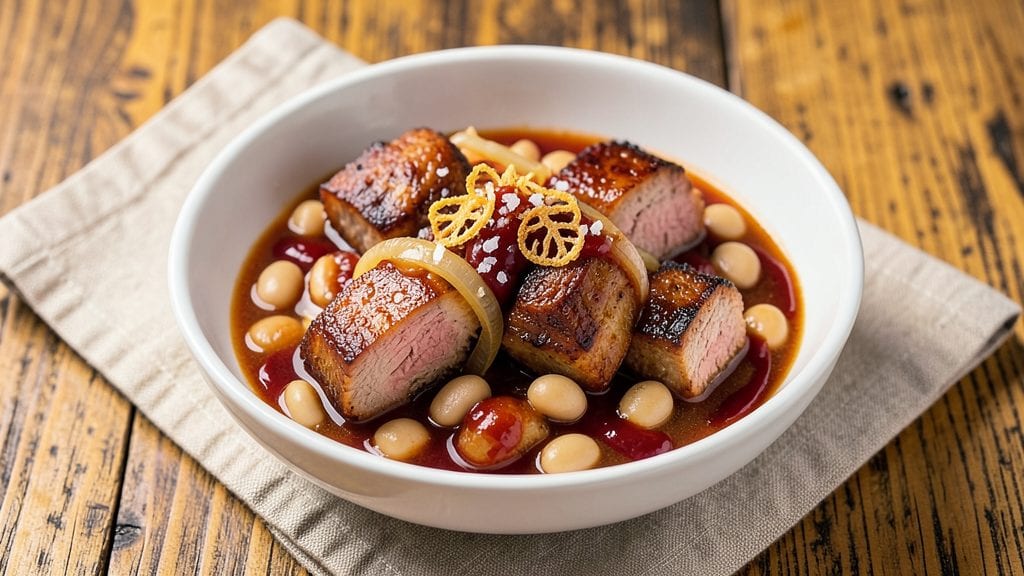
Crafting a Campbell’s pork and beans copycat recipe at home unlocks that same nostalgic, smoky-sweet flavor straight from the can. After years of perfecting this copycat version, I've cracked the code for the right balance of tender pork, creamy beans, and that signature tangy-sweet sauce.
The key lies in slow simmering and precise seasoning, ensuring every bite tastes just like childhood memories.
This recipe transforms simple ingredients into a restaurant-quality side dish that's surprisingly easy to make. You'll use pantry staples like canned beans, pork shoulder, and broth, but the magic happens in the seasoning blend and cooking method.
The pork becomes tender enough to shred, while the beans absorb all that smoky-sweet flavor without turning mushy. It's the kind of dish that pairs perfectly with grilled meats or stands alone as a hearty meal.
What you'll end up with is a pot of creamy, flavorful pork and beans that's rich, satisfying, and packed with that familiar taste. The sauce clings to every bean and pork piece, creating a dish that's both comforting and impressive.
This version even reheats beautifully, making it perfect for meal prep or leftovers. Let's get cooking—your taste buds will thank you.
Whether you're serving this as a side for a holiday feast or a quick weeknight dinner, this copycat recipe delivers consistent, can-like quality every time. The method is straightforward, but the results are undeniably better than anything store-bought.
Trust me, once you try this, you'll never reach for the can again.
Ingredients for campbell's pork and beans copycat
Pantry staples meet nostalgic comfort—just a few ingredients for that canned pork and beans taste.
| Ingredient | Amount | Notes |
|---|---|---|
| Pork Shoulder 🥩 | 1 ½ lb | Bone-in for flavor, cut into chunks |
| Great Northern Beans 🌾 | 2 cups | Dried or canned, drained if canned |
| Chicken Broth 💧 | 3 cups | Low-sodium preferred |
| Tomato Paste 🍅 | ¼ cup | Smooth, no sugar added |
| Brown Sugar 🍯 | 2 tbsp | Light or dark, packed |
| Apple Cider Vinegar 🍎 | 1 tbsp | For tangy brightness |
| Smoked Paprika 🌶️ | 1 tsp | Key for smoky flavor |
| Garlic Powder 🧄 | ½ tsp | Freshly ground preferred |
| Onion Powder 🧅 | ½ tsp | For depth of flavor |
| Ground Black Pepper 🌶️ | ¼ tsp | Freshly cracked |
| Salt 🧂 | 1 tsp | Adjust to taste |
| Bay Leaves 🍃 | 2 whole | Remove before serving |
| Butter 🧈 | 2 tbsp | Unsalted for control |
The pork shoulder is non-negotiable here. Bone-in gives the most flavor, and you'll find it at any grocery store's butcher counter or pre-cut in the meat section. If you're buying a whole shoulder, ask for it to be cut into 2-inch chunks—this speeds up cooking. For extra convenience, Costco or Walmart often sell pre-cut pork shoulder at great prices. The beans? Great Northern is traditional, but navy or pinto work too. If using dried, soak them overnight for best texture. Canned is fine in a pinch, just drain well.
No smoked paprika? Regular paprika plus a pinch of liquid smoke works in a bind. The apple cider vinegar adds that signature tang—substitute with white vinegar if needed, but it won't be quite as bright. For the tomato paste, Muir Glen or any good-quality jarred version is perfect. The brown sugar can be swapped for white, but it won't have that caramel depth. Want more richness? Add 1 tbsp of molasses with the sugar. And if you're short on time, pre-cooked bacon bits (about 2 tbsp) can replace some of the pork for a smokier flavor.
This dish tastes even better the next day as flavors meld. Store leftovers in the fridge for 4-5 days or freeze for 3 months—it reheats beautifully. For meal prep, portion into containers with a little extra broth to keep it moist. The sauce thickens as it cools, so add a splash of broth when reheating if it's too thick. And trust me, the first bite out of the pot is always the best—save some for fresh serving!
Why You'll Love This Recipe
- No-Fuss Dutch Oven Magic: I love that this recipe turns one pan into a game-changer—no chopping boards, no messy prep. Just toss those pork shoulder chunks in butter, let them brown, and boom, the hard work is done. The rest is just stirring and waiting, which is basically my idea of a lazy Sunday afternoon.
- Smoky-Sweet Perfection: That combo of tomato paste and smoked paprika? It’s the secret sauce that makes this taste like the canned version but way better. The brown sugar caramelizes into the broth, and the apple cider vinegar cuts through the richness—honestly, it’s the kind of dish where you’ll lick the spoon clean.
- Feeds a Crowd (or Your Weeknight): This recipe doubles easily, so I make a big batch on Sunday and it’s my go-to for lunches, quick dinners, or even filling out a picnic basket. My roommates don’t care if it’s "fancy"—they just want seconds, and that’s all that matters.
- Budget-Friendly Comfort: Pork shoulder is cheap, beans are cheap, and the ingredients last forever. I’ve made this on a $10 grocery haul, and it still tastes like I splurged. Plus, leftovers keep for weeks—freeze half and pull it out when you’re craving that same cozy flavor without the effort.
Step-by-step instructions for smoky-sweet pork and beans
Here's how to recreate that iconic canned flavor with rich, tender pork and perfectly seasoned beans.
Brown the Pork Shoulder for Deep Flavor
Cut the 1.5 lb pork shoulder into 1-inch chunks and pat them dry with paper towels. Heat a large Dutch oven over medium-high heat and add the 2 tbsp butter. Once the butter foams, add the pork in a single layer and let it brown undisturbed for 3-4 minutes until deeply golden.
This browning step creates the Maillard reaction, which builds that rich, caramelized flavor you find in canned versions. You'll know it's ready when the pork releases easily from the pan. Transfer the browned pork to a plate and set aside.
Build the Smoky-Sweet Base
In the same Dutch oven, reduce the heat to medium and add the 0.25 cup tomato paste, stirring to coat the bottom. Cook for 1 minute until it darkens slightly. Add the 2 tbsp brown sugar, 1 tbsp apple cider vinegar, 1 tsp smoked paprika, 0.5 tsp garlic powder, 0.5 tsp onion powder, 0.25 tsp ground black pepper, and 1 tsp salt. Stir vigorously for 30 seconds to combine all ingredients thoroughly.
The smoked paprika and tomato paste work together to create that signature canned-bean smokiness. Here's the thing—don't rush this step. The flavors need time to meld together before adding liquids. You'll see the mixture darken and smell deeply aromatic—that's when you know it's ready for the next ingredients.
Simmer the Beans and Pork
Add the 2 cups great northern beans (drained if canned) and 3 cups chicken broth to the Dutch oven. Stir well to incorporate all the spices into the liquid. Tuck the 2 whole bay leaves into the mixture and bring everything to a gentle boil over medium-high heat. Once boiling, reduce heat to low and cover partially with a lid.
Return the browned pork to the pot and add enough liquid to just cover everything. The pork will release more flavor as it simmers. Let it cook uncovered for 1 hour 15 minutes, stirring occasionally, until the pork is fork-tender and pulls apart easily. You'll notice the liquid reduces slightly—that's perfect for developing that thick, saucy consistency.
Finish with Perfect Texture
After the initial simmer, increase the heat to medium and cook uncovered for another 15-20 minutes until the sauce thickens to your desired consistency. Taste and adjust seasoning if needed—you might want a touch more salt or vinegar to match that canned-bean tang. Remove and discard the 2 whole bay leaves before serving.
This final reduction step mimics the evaporation process that happens in canned products, concentrating the flavors. The beans should be tender but still hold their shape, with a thick, glossy sauce clinging to every piece of pork. Real talk: the longer you let it simmer gently, the more the flavors meld together to create that authentic canned-bean taste.
Rest and Serve
Let the pork and beans rest for 10 minutes off the heat before serving. This resting period allows all the juices to redistribute, ensuring each bite is moist and flavorful. Serve warm with crusty bread or over rice to soak up that delicious smoky-sweet sauce.
The key to serving this dish properly is timing—it's best enjoyed fresh when the pork is still tender and the beans have absorbed all those wonderful flavors. If you're making this ahead, you can actually improve it by letting it sit overnight in the refrigerator and reheating gently before serving. The flavors deepen even more after resting!
Pro Tips For Making Campbell'S Pork And Beans Copycat
- Don’t Crowd the Pork: I learned this the hard way—when you pile those 1-inch pork chunks too close together, they steam instead of brown. Leave space between them, and let them sear undisturbed for those 3-4 minutes. That golden crust is the foundation of the canned-bean flavor, and skipping it means missing half the depth.
- Stir the Tomato Paste: After adding the 0.25 cup tomato paste, don’t just dump it in and walk away. Coat the Dutch oven’s bottom thoroughly—this caramelizes the paste and builds the smoky-sweet base. I used to rush this, and the sauce always tasted flat until I started stirring it until it darkens just a little.
- Taste Early, Adjust Late: After the 1 hour 15 minutes of simmering, the pork’s flavor is locked in, but the sauce might still feel weak. That’s when you add a splash more apple cider vinegar or a pinch of salt—not before, because the pork needs time to absorb the initial seasoning. Trust the process, even if it feels underseasoned midway.
- Use Dried Beans for Texture: Canned beans save time, but dried ones soak up the smoky-sweet sauce better, giving each bite that thick, glossy coating. If you’re short on time, at least drain and rinse the canned ones well—starchy water dilutes the flavors, and this dish isn’t forgiving about that.
Common mistakes when making your campbell's pork and beans copycat
Skipping the Brown Step
One of the biggest mistakes I see is skipping the essential browning step with the pork shoulder. The Maillard reaction that happens when pork browns in butter creates that deep, caramelized flavor that Campbell’s version relies on.
If you skip this, your dish will taste flat and lack that signature richness. Trust me, those 3-4 minutes of browning make all the difference—your pork will taste like it came from a restaurant kitchen, not just a can. 🔥
Rushing the Seasoning
Another common error is rushing through the seasoning step. When you add the tomato paste, brown sugar, and spices, you need to let them cook together for at least 30 seconds before adding liquids.
Skipping this means the flavors won’t meld properly, and your dish will taste underdeveloped. Stirring vigorously helps release the aromatics—don’t just dump everything in and walk away!
Overcrowding the Pot
Overcrowding your Dutch oven with too much pork at once leads to steaming instead of browning. Add the pork in a single layer so each piece gets that golden crust. If you pile it high, you’ll end up with soggy, undercooked pork instead of tender, flavorful chunks.
Patience here pays off—it’s worth taking the time to brown them properly. This is where a good Dutch oven really shines!
Ignoring the Simmer Time
The 1 hour 15 minutes simmer is critical for tenderizing the pork and developing the sauce. Many people reduce this time or cook too quickly, resulting in tough pork and a thin, watery sauce.
Low and slow is the key—this mimics the canning process where flavors have time to fully develop. If you’re in a hurry, you’ll sacrifice that creamy, saucy texture we all love.
Forgetting to Adjust Seasoning
Taste and adjust seasoning before serving—this is where many home cooks fall short. The apple cider vinegar adds tang, but some batches of chicken broth or pork might need extra salt.
Taste as you go, especially after the final reduction step. A well-seasoned pot of pork and beans should have a perfect balance of sweet, smoky, and tangy flavors. Don’t guess—taste!
Not Resting the Dish
Skipping the 10-minute rest after cooking is a missed opportunity. Letting the pork and beans rest allows juices to redistribute, ensuring every bite is moist and flavorful. Serving it immediately means you’ll get dry pork and beans that don’t hold their shape.
This little step makes all the difference in texture and taste—don’t skip it! ⏰
Nutrition facts
Frequently asked questions
Why does the recipe call for bone-in pork shoulder instead of pre-cooked pork?
The bone-in pork shoulder adds unmatched depth of flavor through the natural juices and collagen released during cooking. This mimics the rich taste of canned pork and beans, where the slow cooking process extracts all those savory compounds. The bones also contribute to a more authentic, restaurant-quality result that canned versions achieve through high-pressure processing. Trust me, the extra effort is worth it for that nostalgic taste!
Can I use a different type of bean in this recipe?
While Great Northern beans are traditional, you can substitute with navy or pinto beans for a slightly different texture. Just ensure they're drained well if using canned versions. Dried beans work too, but they need to be soaked overnight first. The key is to avoid beans that become mushy—you want that classic canned-bean bite!
How do I adjust the seasoning if my chicken broth is salty?
If your broth is high in sodium, reduce the 1 tsp salt by half or skip it entirely. Taste the broth before adding the beans and pork—you can always add more salt later. The apple cider vinegar helps balance flavors, so don't hesitate to use it liberally if needed. Remember, you can always add more seasoning, but you can't take it away!
What if I don't have smoked paprika?
Use regular paprika plus a pinch of liquid smoke for that smoky depth. The combination won't be identical, but it'll get you close to that signature canned-bean flavor. If you're in a real pinch, a dash of cayenne pepper can add some heat, though it won't replicate the smokiness. The key is to find a substitute that brings warmth to the dish!
Why does the recipe recommend resting the dish before serving?
Resting allows all the juices to redistribute throughout the pork and beans, ensuring every bite is moist and flavorful. Serving it immediately means you'll get dry pork and beans that don't hold their shape. This simple step makes all the difference in achieving that perfect, canned-bean texture you love—don't skip it!