
Side Dishes
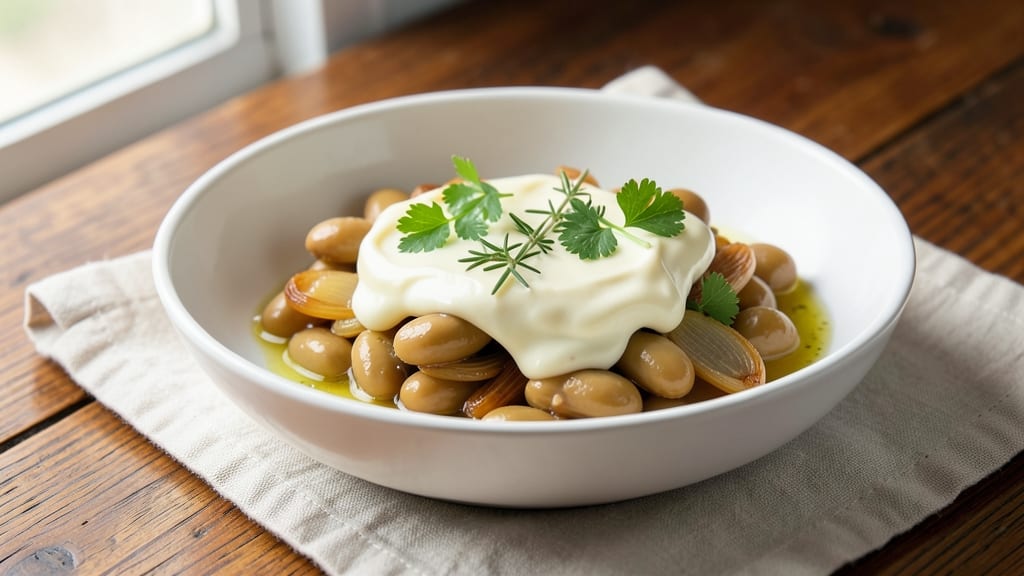
Transforming canned broad beans into a restaurant-worthy side dish takes just 15 minutes—no soaking, no peeling, and no fuss. These earthy, buttery beans pair perfectly with crisp vegetables or flaky bread, delivering a dish that’s both elegant and effortless.
I discovered this recipe while searching for a quick vegetarian option that still felt substantial, and it’s become a staple in my weekly meal rotation.
The secret lies in balancing their natural earthiness with bright herbs and rich butter, creating a dish that’s tender yet satisfying. You’ll start by sautéing shallots in butter until golden, then adding the drained broad beans to develop their flavor before finishing with fresh herbs and a squeeze of lemon.
The result? A dish that’s creamy, aromatic, and impossibly easy to prepare.
This recipe delivers plated perfection—whether served alongside grilled fish, roasted chicken, or as a standalone vegetarian main. The broad beans absorb the buttery, herby flavors beautifully, while the lemon adds a bright contrast that keeps every bite fresh.
It’s the kind of dish that transforms simple ingredients into something memorable.
Perfect for weeknight dinners, potlucks, or elegant gatherings, this recipe scales effortlessly. Once you try it, you’ll never reach for canned broad beans the same way again. Let’s get cooking!
Ingredients for canned broad beans
Just a few simple ingredients transform canned broad beans into a restaurant-worthy side dish.
| Ingredient | Amount | Notes |
|---|---|---|
| Canned Broad Beans 🌱 | 2 cups | Drained, rinsed, and patted dry |
| Unsalted Butter 🧈 | 4 tbsp | Cold, cubed for best flavor |
| Shallots 🧅 | 3 whole | Minced, about 0.25 cup |
| Fresh Thyme Leaves 🌿 | ¼ cup | Chopped, stems removed |
| Fresh Parsley Leaves 🌿 | ¼ cup | Chopped, for brightness |
| Lemon Juice 🍋 | 1 tbsp | Freshly squeezed |
| Extra-Virgin Olive Oil 🫒 | 1 tbsp | For finishing drizzle |
| Diamond Crystal Kosher Salt 🧂 | ½ tsp | Adjust to taste |
| Freshly Ground Black Pepper 🌶️ | ¼ tsp | Freshly cracked |
| Garlic Cloves 🧄 | 2 cloves | Minced, for depth |
| Heavy Cream 🥛 | ¼ cup | Optional, for extra creaminess |
| Crusty Bread 🍞 | 4 slices | For serving |
The broad beans are the star here—look for high-quality canned varieties like Mutti or La Valle at specialty stores or well-stocked grocery sections. Whole Foods and Trader Joe's usually carry them, and they’re worth the hunt. Freshness matters less with canned beans since they’re pre-cooked, but check the expiration date. The shallots should be firm and pale, not sprouting or soft. I like to use French shallots for their delicate sweetness, but regular shallots work fine too. The butter? Use European-style unsalted like Plugrá or Kerrygold—it melts beautifully and adds richness without overpowering.
No fresh thyme? Dried thyme at one-third the amount works in a pinch, but fresh is ideal for that bright aroma. Short on parsley? Fresh basil or cilantro adds a different but equally vibrant note. The heavy cream is optional—skip it if you prefer a lighter texture, but it rounds out the dish beautifully. For extra depth, toast the minced garlic in the butter for 30 seconds before adding the shallots. No lemon juice on hand? A splash of white wine vinegar or apple cider vinegar works too. The olive oil should be high-quality extra-virgin—something you’d drizzle over pasta. If you’re serving this as a vegetarian main, consider adding a sprinkle of nutritional yeast for a cheesy, umami boost.
This dish keeps well in the fridge for 3-4 days, though it’s best enjoyed fresh. Store it in an airtight container with a layer of olive oil on top to preserve the herbs’ color. Reheat gently in a skillet with a splash of water or broth to prevent drying out. The flavors actually deepen overnight, so leftovers are a bonus. For meal prep, portion into small containers and pair with roasted potatoes or grilled vegetables. If you make extra, freeze portions for up to 3 months—just thaw in the fridge overnight before reheating.
Why You'll Love This Recipe
- I’ll be real: this feels like a special occasion dish, but it costs me less than a takeout salad. The canned beans are cheap, the butter makes it feel indulgent, and the fresh herbs (even if you use dried in a pinch) elevate it without breaking the bank. It’s the kind of recipe that makes me feel fancy without spending a fortune.
- No-Pantry Hassle: I love that these canned broad beans mean I never have to worry about fresh produce spoiling mid-week. Just drain, rinse, and pat them dry—no peeling, no soaking—and they’re ready to transform into something luxurious with just a few minutes of sautéing.
- Buttery, Herby Bliss: That first bite? The crispy edges from the butter, the bright pop of lemon, and the earthy thyme and parsley? Chef’s kiss. The heavy cream (if you use it) makes it creamy without being heavy, and the garlic and shallots give it that restaurant-worthy depth that feels like a hug for your taste buds.
- Leftover Magic: Honestly, this is the kind of dish that gets better the next day. I’ll make a big batch on Sunday, and by Wednesday, I’m still reaching for seconds. The flavors meld even more, and it reheats beautifully—just pop it in the oven with a splash of water to keep it tender. Freezing works too, so you can have a ready-made meal anytime.
Step-by-step instructions for earthy, buttery broad beans
This method transforms simple canned broad beans into a restaurant-worthy dish in record time.
Sauté Shallots and Garlic Until Fragrant
Melt 4 tablespoons of the unsalted butter in a large skillet over medium heat. Add the 3 whole shallots and cook for 3-4 minutes, stirring occasionally, until they begin to soften and turn translucent. This is where the flavor foundation builds—don't rush it.
Add the 2 cloves garlic cloves and cook for another 30 seconds until the garlic releases its aroma. You'll know it's ready when the kitchen fills with that unmistakable garlic scent. Immediately remove the skillet from heat to prevent burning, then return it to medium-low heat for the next step.
Cook the Broad Beans Until Tender
Add the 2 cups drained canned broad beans to the skillet along with 0.5 teaspoon diamond crystal kosher salt and 0.25 teaspoon freshly ground black pepper. Stir gently to combine with the shallot mixture. Cook for 4-5 minutes, stirring occasionally, until the beans are heated through and begin to soften slightly.
The beans should be tender but still hold their shape—overcooking turns them mushy. You'll see them glisten slightly as they absorb the butter and aromatics.
Finish with Herbs and Lemon
Remove the skillet from heat and stir in the 0.25 cup fresh thyme leaves and 0.25 cup fresh parsley leaves. The herbs will release their bright, fresh flavors immediately. Add the 1 tablespoon lemon juice and toss everything together. The acidity brightens the dish and cuts through the richness of the butter.
Return the skillet to low heat and stir in the remaining 2 tablespoons unsalted butter (totaling 4 tbsp) and 0.25 cup heavy cream. Cook for just 1-2 minutes until the cream warms through and the mixture becomes silky. The beans should be coated in a glossy, herby butter sauce—this is what makes the dish sing.
Serve with Crusty Bread
Transfer the broad beans to a serving bowl and drizzle with the 1 tablespoon extra-virgin olive oil. Toss gently to distribute the oil evenly. The beans should look vibrant and inviting, with a glossy sheen from the olive oil.
Serve immediately with the 4 slices crusty bread on the side. The bread soaks up the buttery sauce beautifully, creating the perfect balance of textures. Each bite delivers tender beans, rich butter, and bright herbs—simple ingredients transformed into something extraordinary.
Pro Tips For Making Canned Broad Beans
- Remove Bean Skins First: DESCRIPTION: I learned this the hard way—canned broad beans often have tough skins that stay chewy no matter how long you cook them. Before draining, run the beans under cold water and gently rub them between your fingers to loosen the skins. They’ll slip off easily, leaving you with silky, buttery beans instead of a mouthful of texture.
- Don’t Skip the Cold Butter: DESCRIPTION: That first 2 tablespoons of unsalted butter should be cold and cubed, not melted into a pool. It coats the shallots like armor, building flavor layer by layer as it melts slowly. I used to melt it all at once, and the dish always tasted flat—like someone forgot to season it.
- Steam, Don’t Boil: DESCRIPTION: If your pan dries out before the beans are tender, add just 1 tablespoon water, cover, and let them steam for 1 minute. This keeps them from turning mushy while still softening them—unlike tossing in more butter or oil, which can make them greasy. It’s the difference between restaurant-quality and “I used canned beans” quality.
- Finish with Olive Oil: DESCRIPTION: That final drizzle of extra-virgin olive oil isn’t just for looks—it adds a bright, fresh finish that cuts through the richness of the butter. Toss it in right before serving, or the beans will absorb it and lose that vibrant sheen. Sounds weird, but it works: the dish looks and tastes like you spent hours on it.
Common mistakes when making great canned broad beans
Undercooking the Beans
If you pull the beans out too soon, they’ll taste bland and underdeveloped. The 4-5 minutes of cooking time is crucial—they need time to absorb the butter and shallot flavors.
I’ve seen beginners rush this step, thinking the beans are done when they’re just heated through. Undercooked beans won’t release their natural sweetness, so let them soften just slightly while maintaining their shape. 💡
Overcrowding the Pan
Adding all 2 cups of beans at once crowds the skillet and steams them instead of sautéing. This turns the dish into a mushy mess. Work in batches if needed, or use a larger skillet.
I prefer a 10-inch nonstick pan for this recipe—it gives the beans room to glisten and develop that perfect buttery sheen.
Skipping the Butter Toast
The 2 tablespoons of butter you melt first is your flavor base, but many skimp on toasting it until golden. This step caramelizes the butter slightly, adding depth. If you skip it, the dish will taste flat.
Let the butter melt slowly over medium heat until it foams and turns a pale golden color before adding the shallots.
Burning the Garlic
Garlic burns in 30 seconds if you’re not careful. The moment you smell that bitter, harsh aroma, you’ve overcooked it. Remove the skillet from heat immediately after adding the garlic, then return it to medium-low heat for the beans. Fresh garlic should smell sweet and pungent—never burnt. 🌶️
Ignoring the Lemon Balance
The 1 tablespoon lemon juice at the end is what ties the dish together, but some skip it or add it too early. The acidity brightens the richness of the butter and cuts through the earthiness of the beans.
If you add it too soon, the beans will release their starches and turn slimy. Always add it off the heat after the herbs are incorporated.
Overcooking with Heavy Cream
If you use the optional heavy cream, don’t let it boil or simmer. Just warm it through for 1-2 minutes on low heat. Boiling the cream will make the beans watery and the sauce separate.
Stir gently and remove the pan from heat as soon as it’s warmed—no need to cook it aggressively. The cream should just melt into the beans, not curdle them.
Nutrition facts
Frequently asked questions
Can I substitute dried broad beans for canned?
Dried broad beans require soaking overnight and longer cooking (at least 1 hour simmered), making them impractical for this quick recipe. Canned beans skip the prep entirely while delivering the same earthy flavor—perfect for busy weeknights. Stick with canned for the best results!
What if I don’t have fresh herbs?
No fresh thyme or parsley? Use dried herbs at ⅓ the amount (e.g., 1 teaspoon dried thyme instead of 0.25 cup fresh). For parsley, swap in cilantro or basil—just adjust to taste. The dish still turns out vibrant, just with a slightly different herbal note.
How do I prevent the beans from turning mushy?
Cook them for only 4-5 minutes over medium-low heat—any longer and they’ll break down. If the pan dries out, add 1 tablespoon water and cover for 1 minute to steam gently. The beans should soften just slightly while keeping their shape. Overcooking is the #1 culprit for mushiness!
Can I make this dish vegetarian?
This recipe is already vegetarian-friendly! The butter, herbs, and beans create a rich, satisfying dish without meat. For extra protein, add a sprinkle of nutritional yeast or serve with a side of grilled halloumi. The butter and lemon balance beautifully with any vegetarian pairing.
Why does my dish taste bland?
Most likely, you undercooked the beans or skipped the butter toasting step. Let the 2 tablespoons butter foam and turn golden before adding shallots, and cook the beans for the full 4-5 minutes. The acidity from lemon juice also brightens flavors—don’t skip it! Taste as you go and adjust salt/pepper.