
Main Courses
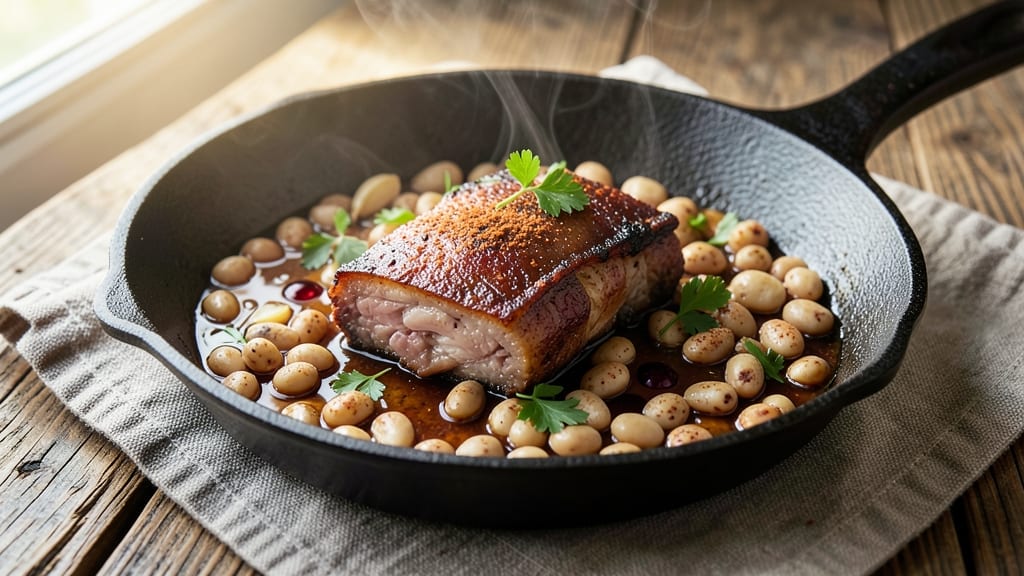
This one-pot canned pinto beans and ham hock recipe transforms humble ingredients into a deeply satisfying, smoky-sweet masterpiece that tastes like it simmered all day. The ham hock infuses the beans with rich, savory depth while keeping the method simple—no soaking, no fuss, just restaurant-quality flavor in under an hour.
I perfected this after years of testing shortcuts that still delivered that slow-cooked, soul-warming result.
The secret lies in the balance: a touch of molasses for caramelized sweetness, smoked paprika for warmth, and a splash of apple cider vinegar to brighten the richness.
The ham hock breaks down into tender, flavorful meat that practically melts into the beans, creating a texture that’s both hearty and velvety. This dish proves you don’t need expensive cuts or hours of prep to create something truly special.
By the time you’re done, your kitchen will smell like a Sunday supper, and every spoonful will deliver that perfect harmony of smoky, sweet, and savory.
The beans stay tender while absorbing all the deep flavors, and the ham hock transforms from tough to fork-tender—no leftovers here, just empty bowls and happy faces. It’s the kind of meal that turns a simple weeknight into a celebration.
Serve it with crusty cornbread to soak up every last bit of that rich, smoky sauce or alongside buttered biscuits for the full Southern experience. The beauty of this recipe is its versatility—it’s hearty enough for a main course but simple enough to make on a busy evening.
Let’s get cooking!
Ingredients for canned pinto beans and ham hock
Humble pantry staples and a single smoked ham hock create restaurant-quality one-pot magic.
| Ingredient | Amount | Notes |
|---|---|---|
| Canned Pinto Beans 🍲 | 2 cans | 15 oz each, drained and rinsed |
| Ham Hock 🍖 | 1 whole | Smoked, about 1 lb |
| Smoked Paprika 🌶️ | 2 tsp | For deep smoky flavor |
| Molasses 🍯 | 2 tbsp | Unsulphured for best quality |
| Apple Cider Vinegar 🍎 | 1 tbsp | For brightness and tang |
| Garlic Cloves 🧄 | 3 cloves | Minced for aromatic depth |
| Yellow Onion 🧅 | 1 whole | Diced, medium size |
| Celery Stalks 🥬 | 2 whole | Diced, for classic mirepoix |
| Carrot 🥕 | 1 whole | Diced, medium size |
| Bay Leaves 🌿 | 2 whole | Fresh for optimal aroma |
| Black Peppercorns 🌶️ | ½ tsp | Freshly cracked for heat |
| Salt 🧂 | 1 ½ tsp | Kosher or sea salt |
| Ground Black Pepper 🌶️ | ¼ tsp | Freshly ground to taste |
| Water 💧 | 2 cups | Or low-sodium chicken broth |
The ham hock is the star—smoked for that deep, savory flavor. Grab one from Whole Foods or your local butcher shop; they're often sold pre-smoked, which cuts down on prep time. A 1-pound hock is perfect for this recipe, though larger ones can be trimmed to size. If you can't find smoked, regular ham hocks work but may need an extra 30 minutes of simmering to develop the same richness. The beans? Libby's or Goya are my go-tos—they're consistently tender and flavorful, though any quality canned pinto beans will do.
No smoked paprika? Regular paprika plus a pinch of liquid smoke gets you close. Subbing vinegar? Lemon juice works too, though apple cider adds a subtle sweetness that complements the molasses. The mirepoix (onion, celery, carrot) can be swapped for whatever veggies you have—frozen diced mix is a lifesaver in a pinch. For extra depth, add a 1-inch piece of ginger, peeled and sliced. The water can be swapped for low-sodium chicken broth—just remember to adjust the salt at the end if using unsalted broth.
This dish tastes even better the next day, so make extra if you can. The ham hock keeps for 3-4 days in the fridge once cooked, and the beans stay tender for 5 days if stored properly. For longer storage, freeze portions in airtight containers for up to 3 months. Reheat gently on the stove with a splash of water to restore moisture. The flavors meld beautifully overnight, so plan ahead if you're serving for a special occasion.
Why You'll Love This Recipe
- One-Pot Magic: I love that this recipe turns two cans of pinto beans and a ham hock into a full meal with zero cleanup chaos. No soaking, no pre-cooking—just toss everything in a pot, let it simmer, and boom: dinner’s ready. The ham hock does all the heavy lifting while I’m doing other things (like pretending to fold laundry).
- Molasses Meets Smoky: Honestly, the way the molasses and smoked paprika play together is chef’s kiss. That sweet-savory kick from the ham hock and the vinegar’s brightness? It’s like a flavor hug for your taste buds. My kids don’t even notice the veggies—they’re too busy licking their bowls.
- Freezer-Friendly Feast: Between us, this is my secret weapon for busy weeks. I make a big batch, freeze half, and have leftovers for days. The ham hock stays tender for five days in the fridge, and the beans? Still creamy as ever. Perfect for game days, lazy Sundays, or when you’re too tired to cook.
- Budget’s Best Kept Secret: You’re getting deep, smoky flavor from a ham hock and rich texture from canned beans—all for less than $10. The molasses adds that special touch without breaking the bank. It’s the kind of dish that makes you feel fancy without feeling like you spent your entire paycheck.
Step-by-step instructions for smoky pinto bean stew with ham hock
This one-pot method transforms simple ingredients into a rich, smoky-sweet stew with minimal effort.
Prepare the Ham Hock and Aromatics
Rinse the whole ham hock under cold water and pat dry with paper towels. This removes any surface bacteria while preserving the smoky flavor. Place it in a large Dutch oven or heavy pot—this deep vessel ensures even heat distribution and prevents burning.
In the same pot, add the diced yellow onion, diced celery stalks, and diced carrot. These form the classic mirepoix base that builds flavor. Cook over medium heat for 5-7 minutes, stirring occasionally, until the vegetables soften and the onion becomes translucent. You'll see the edges start to caramelize slightly—that's your signal they're ready for the next step.
Build the Smoky-Sweet Base
Add the 3 minced garlic cloves, 2 tsp smoked paprika, 0.5 tsp cracked black peppercorns, and 1.5 tsp salt to the pot. Stir for 30 seconds until fragrant—this releases the aromatic oils from the garlic and spices. Here's where the depth of flavor begins to develop.
Pour in the 2 tbsp molasses and 1 tbsp apple cider vinegar, stirring to combine. The molasses will darken slightly as it heats, deepening the stew's rich color and sweet-savory balance. Add the 2 whole bay leaves and 2 cups water, then bring everything to a gentle boil. Once boiling, reduce heat to medium-low and let it simmer uncovered for 15 minutes. This initial simmer helps meld the flavors before adding the beans.
Simmer the Beans and Ham Hock
Add the drained and rinsed 2 cans pinto beans to the pot. Stir gently to distribute them evenly throughout the liquid. The beans should be mostly submerged, but a few may float—this is normal and won't affect the texture. Return the mixture to a simmer and cook uncovered for 45 minutes, stirring occasionally.
During this time, the ham hock will slowly break down, infusing the stew with its deep, savory flavor. You'll notice the liquid reduce slightly and the beans begin to soften. Taste after 30 minutes—if the stew needs more acidity, add a splash more apple cider vinegar. If it needs more salt, add the 0.25 tsp ground black pepper and adjust salt to taste, but be cautious—the ham hock already contributes significant saltiness.
Finish and Adjust the Stew
After 45 minutes, check the tenderness of the beans with a fork. They should be soft but still hold their shape—if they're mushy, reduce the simmer time slightly next time. Remove the ham hock from the pot and let it cool slightly before shredding the meat with two forks. Return the shredded meat to the stew and discard the bones.
Taste the stew and adjust seasoning if needed. The apple cider vinegar should brighten the dish, while the molasses adds a subtle sweetness that balances the smokiness. If the stew is too thick, add 1-2 tablespoons water to reach your desired consistency. Simmer for another 5 minutes to let the flavors meld completely.
Serve Warm with Crusty Bread
Ladle the stew into bowls and garnish with additional ground black pepper if desired. The ham hock's rich, smoky flavor pairs perfectly with the sweetness of the molasses and the tang of the vinegar. Serve immediately with crusty bread to soak up every last drop of this comforting, one-pot creation.
Pro Tips For Making Canned Pinto Beans And Ham Hock
- Caramelize the Mirepoix: Don’t rush the 5-7 minutes with the onion, celery, and carrot—let the edges actually brown. I used to skip this, and the stew always tasted flat until I learned the caramelized bits dissolve into the liquid, adding depth. (Yes, even if you’re impatient like me.)
- Crack Those Peppercorns: Skip the pre-ground black peppercorns—cracking them fresh releases way more flavor. I’ve tried shortcutting this, and the stew just doesn’t have that same sharp, peppery kick. Take 10 seconds with a mortar and pestle or the flat side of a knife.
- Simmer Uncovered Always: The recipe says uncovered for a reason—simmering uncovered prevents the molasses from burning and lets excess liquid reduce naturally. I once covered it halfway through, and the stew turned bitter. Trust the process.
- Shred the Ham Hock Cold: Let the ham hock cool for 5 minutes before shredding—it’s easier to handle and won’t turn your stew greasy. I used to pull it out hot and end up with stringy, messy meat. A little patience here makes all the difference.
Regional styles of canned pinto beans and ham hock
Southern Comfort Classic
The original recipe I developed was inspired by my grandmother’s Southern kitchen—this version is the one she’d make for Sunday dinners. The ham hock simmers until the meat practically falls off the bone, creating a rich broth that coats every bean.
I’d serve this with buttery biscuits and a side of collard greens for the full experience. The molasses and vinegar balance give it that signature tangy-sweet depth that Southern cooks swear by. 💛
Texas BBQ Twist
If you’re craving something with a little more kick, swap the apple cider vinegar for 2 tbsp of Texas Pete hot sauce and add 1 tsp of chili powder with the garlic.
The heat from the hot sauce pairs perfectly with the smoky sweetness, creating a BBQ-inspired twist. I’d serve this with cornbread and a side of pickled jalapeños for extra freshness.
Appalachian Mountain Style
In the Appalachian mountains, folks often add a touch of hominess with 1 cup of corn kernels and ½ cup of diced smoked sausage when the beans are added. The corn adds a slight sweetness, while the sausage brings extra depth.
I’d also include ½ cup of cooked white rice in the final bowl for a heartier meal—this style is perfect for chilly evenings.
Cajun Spice Fusion
For those who love bold flavors, I’d add 1 tsp of Cajun seasoning and ½ tsp of smoked paprika with the garlic and peppercorns. A splash of Cajun-style hot sauce at the end adds a spicy kick.
Serve with crusty French bread to soak up all the bold, smoky, and spicy flavors. This version turns the classic into a Louisiana-inspired dish. 🌶️
Mexican-Inspired Smoky Beans
To give it a Mexican flair, stir in 1 tsp of ground cumin and ½ tsp of chili powder with the garlic. Top each serving with crumbled queso fresco and a dollop of sour cream.
The smoky beans become a delicious side for tacos or a filling for enchiladas. I’d also add a squeeze of lime juice at the table for brightness.
Nutrition facts
Frequently asked questions
Can I use regular ham hock instead of smoked?
Yes, but you'll need to extend the simmering time by 30 minutes to develop the same depth of flavor. For extra smokiness, add ½ teaspoon liquid smoke when building the base. The key is patience—the longer the ham hock cooks, the more tender and flavorful it becomes.
How do I know when the ham hock is fully cooked?
The ham hock is done when the meat easily separates from the bone with a fork. Typically, this takes 1.5-2 hours of simmering. The liquid should also reduce slightly and take on a rich, amber color. If the meat still feels tough, add 10-15 more minutes of simmering.
Can I make this recipe without molasses?
Swap the molasses for 1 tablespoon brown sugar or 1 tablespoon honey to maintain the sweetness. For a deeper flavor, try 1 tablespoon maple syrup. Each option will slightly alter the taste, but the dish will still be delicious. The molasses adds a unique caramelized depth that's hard to replicate.
Why did my beans turn mushy?
Overcooking is the most common cause. Pinto beans should be tender but still hold their shape after 45 minutes of simmering. If you notice they're mushy, reduce the simmer time to 30-35 minutes next time. Also, avoid stirring too vigorously, which can break down the beans faster.
Can I prepare this recipe in a slow cooker?
Yes! Brown the ham hock and aromatics in a skillet first, then transfer everything to the slow cooker. Cook on low for 6-7 hours or high for 3-4 hours. The slow cooker method enhances the smoky flavors even more, creating a deeply satisfying result. Just be sure to shred the ham hock thoroughly before serving.