
Main Courses
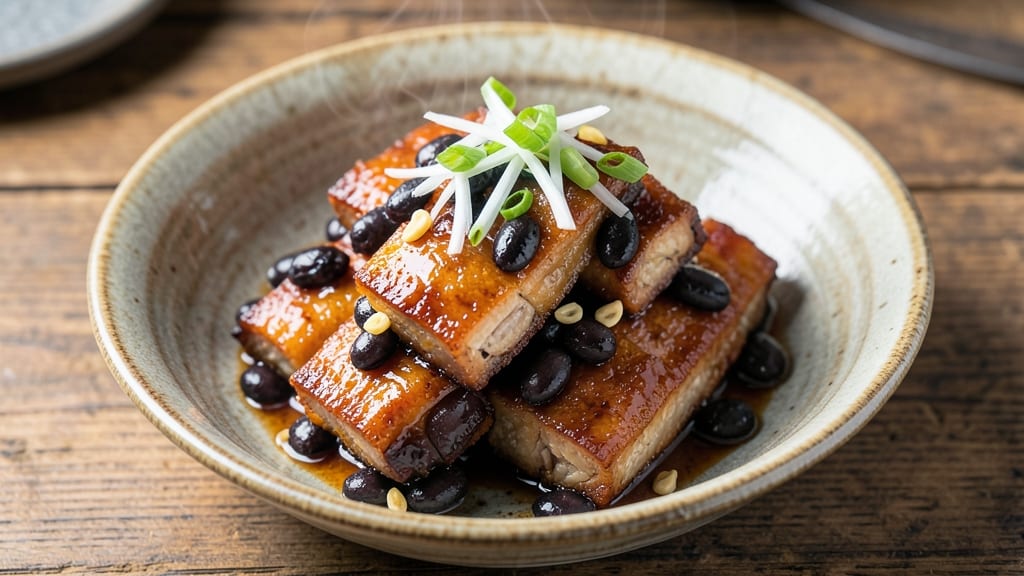
This Chinese steamed black bean spare ribs recipe delivers melt-in-your-mouth tenderness with a rich, umami-packed sauce that clings to every bite. The secret lies in a 45-minute steam that transforms tough ribs into silky perfection, all while preserving their natural flavor.
I perfected this method after years of experimenting with traditional Cantonese techniques—no shortcuts, just time and patience.
What sets these ribs apart is the black bean sauce, a deep, savory blend of fermented black beans, soy sauce, and aromatic spices that infuses the meat during steaming.
The ribs develop a glossy sheen and tender texture that’s impossible to resist, while the sauce reduces into a sticky, caramelized glaze. This is the kind of dish that turns a simple meal into a memorable experience.
The result is a plate of fall-off-the-bone ribs with a glossy, dark sauce that’s both salty and subtly sweet. Serve them with steamed bok choy, pickled vegetables, or a side of jasmine rice to balance the richness.
The aroma alone will have everyone gathering around the table—this is comfort food at its finest.
Whether you’re using a steamer basket, pressure cooker, or Instant Pot, the method remains the same: low and slow for maximum tenderness. The ribs stay juicy and flavorful, with no dry edges or tough spots. Once you try this technique, you’ll never cook ribs any other way.
Ingredients for chinese steamed black bean spare ribs
Pantry staples meet Cantonese tradition. A few aromatic spices and fermented beans transform simple ribs into restaurant-worthy bites.
| Ingredient | Amount | Notes |
|---|---|---|
| Spare Ribs 🍖 | 2 lb | Bone-in, cut into 2-inch pieces |
| Fermented Black Beans 🫘 | ½ cup | Rinsed and drained, Asian market preferred |
| Light Soy Sauce 🥫 | ⅓ cup | Kikkoman or Pearl River Bridge brand |
| Dark Soy Sauce 🥫 | ¼ cup | For depth and color |
| Shaoxing Wine 🍷 | ¼ cup | Dry, aromatic variety |
| Garlic Cloves 🧄 | 6 cloves | Minced, fresh preferred |
| Ginger Root 🌿 | 1 tbsp | Freshly grated |
| Green Onions 🧅 | 4 whole | White and green parts separated |
| Brown Sugar 🍬 | 2 tbsp | Light or dark, packed |
| Sesame Oil 🫒 | 1 tbsp | Toasted, for aroma |
| Star Anise 🌟 | 1 whole | Lightly crushed |
| Cinnamon Stick 🌿 | 1 whole | 2-inch piece |
| Water 💧 | 2 cups | For steaming |
| Cornstarch 🌾 | 1 tbsp | For sauce thickening |
| Vegetable Oil 🫒 | 1 tbsp | For searing ribs |
The ribs are the star, so bone-in, spare ribs with a good fat cap are non-negotiable. Look for Asian market cuts if possible—they're often more tender. I usually grab mine from H Mart or the butcher counter at Whole Foods and ask for them to be cut into 2-inch pieces. If you can't find fermented black beans at your local grocery, Asian markets carry them in jars or cans. The brand matters here—Lee Kum Kee or Golden Gate are my go-tos. These beans are the secret weapon, giving that deep, funky umami that defines this dish. Skip the shortcuts: no pre-marinated ribs or instant sauces here.
No Shaoxing wine? Dry sherry or even a splash of rice vinegar will work in a pinch, but the flavor won't be quite the same. Fresh ginger and garlic are ideal, but dried powdered versions at half the amount are fine if you're in a hurry. The star anise and cinnamon stick add complexity—don't skip them, but if you're out, a pinch of ground cinnamon is a decent stand-in. For the soy sauces, light soy sauce is for flavor, while dark soy sauce adds that signature glossy sheen. If you're using pre-cut ribs, pat them dry before searing—they'll crisp up better. And trust me, toasting the spices in the oil for 30 seconds before adding the ribs makes all the difference.
These ribs are all about the low-and-slow steam, so don't rush it. The sauce reduces beautifully over time, so if you're short on patience, reduce it separately on the stovetop after steaming. Store leftovers in the sauce—it keeps them moist and flavorful. 3-4 days in the fridge, or freeze for up to 3 months if you're planning ahead. The sauce freezes well too, so you can reheat and glaze the ribs later. Pro tip: Reheat gently in a covered pot with a splash of water to avoid drying them out. These ribs reheat almost as well as they taste fresh, so make extra.
Why You'll Love This Recipe
- Steam It, Forget It: I love that this dish practically cooks itself once it’s in the steamer. You toss the ribs with fermented black beans and aromatics, pour on that soy-wine sauce, and then just wait—no stirring, no babysitting. The star anise and cinnamon stick do all the work while you’re watching TV or waiting for the kids to finish their homework.
- Umami Bomb: The combination of dark soy sauce, shaoxing wine, and fermented black beans creates a sauce that’s ridiculously good—sweet, salty, and funky all at once. That final drizzle of toasted sesame oil? Chef’s kiss. It’s the kind of dish where one bite makes you go back for another without thinking.
- Leftover Powerhouse: These ribs taste even better the next day, and honestly, the sauce gets richer. I pack them for lunches, freeze portions for busy nights, and my roommates always beg for seconds. Plus, the ribs fall apart so nicely, they’re perfect for tacos or fried rice if you’re feeling creative.
- Budget-Friendly Feast: For under $15, you’re feeding a crowd with ribs that feel fancy but cost less than takeout. The fermented black beans and spices stretch the flavors far, and the ribs themselves are a steal—especially when you’re making a big batch to freeze. My secret weapon for hosting without breaking the bank.
Step-by-step instructions for Chinese steamed black bean spare ribs
Here's the method that delivers melt-in-your-mouth ribs with a silky black bean sauce every time.
Prepare the Ribs with Aromatics and Fermented Black Beans
In a large bowl, combine the 2 lb spare ribs, 0.5 cup fermented black beans, 6 cloves minced garlic cloves, 1 tbsp grated ginger root, and 4 whole green onions (white parts only, chopped). Mix thoroughly until the black beans coat the ribs evenly. This marinade not only infuses flavor but also helps tenderize the meat during the steaming process.
Transfer the marinated ribs to a heatproof dish that fits your steamer basket. The black beans will break down slightly during steaming, creating that signature velvety sauce. If your steamer has a rack, place it directly on the rack to ensure even heat circulation.
Build the Steaming Sauce with Spices and Soy Sauces
In a small saucepan, combine 0.33 cup light soy sauce, 0.25 cup dark soy sauce, 0.25 cup shaoxing wine, 2 tbsp brown sugar, 1 whole lightly crushed star anise, and 1 whole 2-inch cinnamon stick. Bring to a simmer over medium heat for 3-4 minutes until the sugar dissolves and the spices release their aroma. This aromatic base forms the flavor foundation for your ribs.
Carefully pour this sauce mixture over the marinated ribs in the steaming dish. The dark soy sauce will give your ribs that classic mahogany color while adding depth of flavor. The shaoxing wine and spices work together to create a complex, umami-rich profile that penetrates the meat during steaming.
Steam to Perfect Tenderness
Place the dish in your steamer and add 2 cups water to the steamer base. Bring the water to a gentle boil, then reduce to a steady simmer. Cover the steamer and steam the ribs for 1 hour 15 minutes until the meat is fork-tender and pulls away easily from the bone. The ribs should be steaming hot and the sauce should have thickened noticeably.
Here's the thing—don't peek during steaming. Every time you lift the lid, you release steam and extend the cooking time. The ribs will continue cooking from residual heat even after you remove them from the steamer, so it's better to slightly undercook them than oversteam.
Finish with Sesame Oil and Garnish
Remove the ribs from the steamer and let them rest for 5 minutes. Discard the star anise and cinnamon stick from the sauce. In a small bowl, mix 1 tbsp toasted sesame oil with the green onion tops (chopped). Drizzle this fragrant mixture over the finished ribs just before serving.
The sesame oil adds a nutty aroma that complements the rich umami flavors, while the green onions provide a fresh contrast. Serve immediately with steamed jasmine rice to soak up every bit of that silky black bean sauce.
Thicken the Sauce for Serving (Optional)
For an even thicker sauce, transfer the steaming liquid to a small saucepan. Whisk in 1 tbsp cornstarch mixed with 2 tablespoons water from the steamer. Bring to a gentle simmer over medium heat, stirring constantly until the sauce thickens to your desired consistency—about 2-3 minutes. This step ensures you don't miss a drop of that flavorful sauce.
Ladle the thickened sauce over the ribs before serving. The perfect Chinese steamed black bean spare ribs should have tender, slightly sticky meat that falls off the bone, coated in a glossy black bean sauce with just the right balance of sweet, salty, and umami flavors.
Pro Tips For Making Chinese Steamed Black Bean Spare Ribs
- Rinse Black Beans Thoroughly: I learned this the hard way—skipping the rinse leaves your sauce bitter and gritty. Use the 0.5 cup fermented black beans but give them a solid 30-second rinse under cold water before draining. The Asian market versions pack extra salt, and you don’t want that competing with the soy sauces.
- Simmer Spices Low and Slow: That 3-4 minute simmer for the star anise and cinnamon stick isn’t just flavor—it’s aroma extraction. Too high heat and you’ll burn the spices, turning your sauce bitter. Keep it at a bare simmer, like a whisper, and let those spices dance in the liquid.
- Don’t Crowd the Steamer: I used to stack ribs haphazardly, thinking more surface area meant faster cooking. Wrong. Pack them in a single layer with just enough space to let steam circulate—otherwise, the bottom ribs turn mushy while the top stay tough. Trust me, 2 lbs in one layer is doable.
- Toast Sesame Oil First: Sounds weird, but it works: heat that 1 tbsp sesame oil in a dry pan for 30 seconds until it smells nutty before mixing with green onions. Cold sesame oil just sits there—toasted, it blooms into that aromatic punch that makes the dish sing. (Yes, even if you’re impatient like me.)
Wine and beer pairings for these flavors
Fruity Red Wine Pairings
The rich, umami-packed flavors of these ribs pair beautifully with a dry, fruity red wine like Chinese Cabernet Sauvignon or Pinot Noir. The wine’s bright acidity and red fruit notes—think cherry and plum—cut through the sauce’s sweetness while complementing the ribs’ savory depth.
I recommend a 2020 Mouton Cadet or Napa Valley Cabernet for that perfect balance. The wine’s tannins also help cleanse your palate between bites. 🍷
Crisp White Wine Options
If you prefer white wine, rice wine (huangjiu) or a dry Riesling are excellent choices. The subtle sweetness of Riesling from Germany or Alsace harmonizes with the black bean sauce’s complexity.
For a local twist, Shaoxing wine (used in the recipe) can be sipped alongside—its nutty, slightly funky profile mirrors the dish’s depth. A chilled Sauvignon Blanc also works, but avoid heavy oaked whites. 🍇
Light Beer Complements
A light, crisp lager like Tsingtao or Asahi is refreshing with these ribs. The beer’s clean, slightly sweet finish balances the dish’s saltiness. For a craft beer lover, try a hazy IPA with citrus notes—it adds a bright contrast to the ribs’ richness.
Avoid dark, malty stouts or heavy porters that might overpower the delicate flavors. 🍺
Traditional Chinese Drink Pairing
For an authentic touch, serve jasmine tea or green tea alongside your ribs. The floral, grassy notes of Longjing tea or Bi Luo Chun cleanse the palate without competing.
I often brew a light oolong and sip it between bites—it’s surprisingly complementary to the ribs’ umami. Skip iced tea; room temperature enhances the flavors. ☕
Avoid Heavy or Sweet Pairings
Skip bold reds like Zinfandel or Syrah, and avoid sweet wines such as Port or Moscato. These can clash with the ribs’ savory-sweet balance. Even dark beers like stouts might overpower the dish’s delicate sauce. Stick to lighter, fruit-forward options for the best experience. 🚫
Nutrition facts
Frequently asked questions
Why do the ribs need to marinate with fermented black beans?
The fermented black beans aren't just for flavor—they help tenderize the ribs while steaming! The natural enzymes break down collagen, making the meat fall apart effortlessly. Plus, they create that signature silky sauce as they soften during cooking. Skipping this step means missing out on the dish's signature umami depth.
Can I use a pressure cooker instead of steaming?
Yes, but adjust the time! A pressure cooker will cook the ribs in 30-40 minutes on high pressure instead of 1 hour 15 minutes steaming. Add the sauce at the end to avoid overcooking the ribs. The texture will be similar, but the sauce may be slightly less reduced.
What if I don't have shaoxing wine?
Use dry sherry or rice wine in a pinch—just reduce the amount to 0.25 cup to maintain balance. The flavor won't be identical, but the ribs will still turn out delicious. For extra depth, add 1 teaspoon of fish sauce to compensate for the missing umami.
How do I prevent the sauce from being too watery?
Simmer the sauce separately after steaming! Transfer the leftover liquid to a pan, whisk in 1 tbsp cornstarch mixed with 2 tbsp water, and cook until thickened. This ensures every bite gets that glossy, sticky coating—no watery mess here!