
Side Dishes
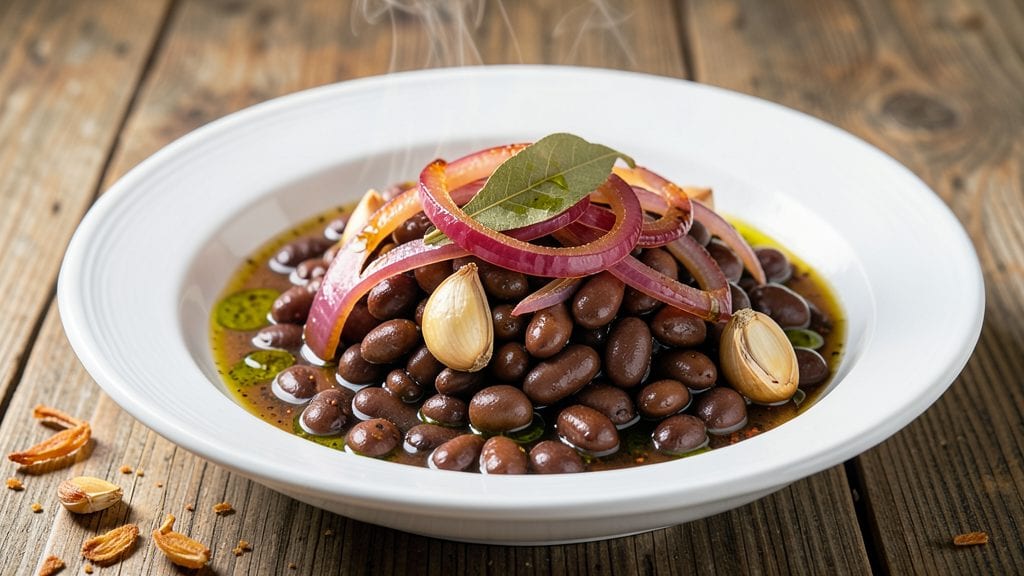
Mastering a cooked beans recipe without soaking transforms a simple pantry staple into a restaurant-worthy side dish that’s rich, tender, and packed with flavor. The secret lies in a slow-simmering technique that breaks down tough skins and infuses every bean with aromatic depth—no overnight soak required.
I developed this method after years of testing, and it consistently delivers beans that are creamy, flavorful, and ready in under an hour.
This approach works perfectly with black beans, kidney beans, or chickpeas, using just a few pantry staples and a one-pot method for minimal cleanup. The key is a high-heat start to remove impurities, followed by a gentle simmer in seasoned broth until the beans are fork-tender.
Whether you’re serving them as a standalone side or incorporating them into soups and salads, the result is a foolproof base that elevates any meal.
The beans emerge with a velvety texture and a depth of flavor that comes from slow cooking with garlic, onions, and aromatic spices. The no-soaking trick saves time while ensuring the beans stay intact and absorb all the seasoning.
This method also makes them vegan-friendly, perfect for plant-based diets, and adaptable to any cuisine with a few simple adjustments.
Once cooked, these beans can be used in everything from hearty salads to thick chili or even as a filling for tacos. The recipe scales easily, so you can make a small batch for two or a large one for a crowd.
Ready to transform your beans into a game-changer for your kitchen? Let’s get started.
Ingredients for cooked beans
Pantry staples meet restaurant-quality technique for velvety beans that require no soaking.
| Ingredient | Amount | Notes |
|---|---|---|
| Dried Black Beans 🌱 | 1 ½ cups | No need to soak overnight |
| Yellow Onions 🧅 | 1 whole | Diced, about 1.5 cups |
| Garlic Cloves 🧄 | 4 cloves | Peeled, roughly chopped |
| Vegetable Broth 💧 | 4 cups | Low-sodium preferred |
| Extra-Virgin Olive Oil 🫒 | 2 tbsp | For sautéing aromatics |
| Bay Leaves 🍃 | 2 whole | Dried, standard size |
| Ground Cumin 🌿 | 1 tsp | Toasted for depth |
| Smoked Paprika 🌶️ | 1 tsp | For subtle smokiness |
| Salt 🧂 | 1 ½ tsp | Kosher or sea salt |
| Black Peppercorns 🌶️ | ½ tsp | Freshly cracked |
| Lemon Juice 🍋 | 1 tbsp | Freshly squeezed |
| Fresh Cilantro 🌿 | ¼ cup | Chopped, for garnish |
The beans are the foundation, so choose high-quality dried black beans—brands like Anthony's Goods or store-bulk bins ensure consistent texture. Onions and garlic should be fresh, with onions having a crisp bite and garlic cloves free of sprouts. Vegetable broth matters too; opt for low-sodium versions like Pacific Foods or homemade to control flavor. Smoked paprika adds depth without overpowering, while toasted cumin (dry-toast in a pan for 30 seconds) unlocks its full aroma. These aromatics form the flavor base, so don’t skimp on their freshness.
No black beans? Kidney beans or chickpeas work equally well, though cooking times may vary slightly. Short on fresh garlic? Garlic powder at half the amount suffices, but fresh is always better. The broth can be swapped for water plus 1 tsp bouillon powder in a pinch, though flavor will be milder. For extra richness, add 1 tbsp nutritional yeast at the end—it mimics the umami of meat broths. The lemon juice brightens the dish, so use freshly squeezed; bottled lacks the same vibrancy. Cilantro is optional but adds a fresh finish—skip if you dislike its flavor.
Store cooked beans in an airtight container in the fridge for up to 5 days, or freeze for 3 months by portioning into ice cube trays first. Reheat gently on the stove with a splash of water to prevent drying. These beans reheat beautifully, making them perfect for meal prep—just toss them into salads, tacos, or soups. For best texture, avoid overcooking; they should be tender but still hold their shape. The longer they sit, the creamier they become, so plan ahead if you want that restaurant-style consistency.
Why You'll Love This Recipe
- No-Soak Necessity: Honestly, this is the only beans recipe I keep on hand—no overnight soaking, no excuses. Just dump those dried black beans straight into the pot with the broth, and they turn out creamy and tender in under 90 minutes. I’ve tried soaking, but this method? It’s the lazy chef’s dream.
- Smoky-Sweet Surprise: That smoked paprika and toasted cumin? They’re the secret weapons here. The onions caramelize just enough to add sweetness, while the garlic and bay leaves infuse the broth with depth. The lemon juice at the end? Pure magic—it brightens everything up so the beans taste like they’re dancing on your tongue.
- Meal-Prep MVP: I make this on Sundays and it’s my go-to for lunches, tacos, or even just scooping over rice with a fried egg on top. The beans keep for five days in the fridge, and I swear by freezing portions in ice cube trays—just pop them into soups or stews later. Zero waste, zero stress.
- Budget-Friendly Powerhouse: For less than $3, you’re getting a protein-packed side that’ll stretch into multiple meals. The dried beans are cheaper than canned, and the spices? A little goes a long way. It’s the kind of dish that makes me feel fancy without breaking the bank—plus, it’s way healthier than takeout.
Step-by-step instructions for cooked beans recipe
Here's the straightforward method for tender, flavorful beans without soaking.
Sauté Aromatics Until Fragrant
Heat the 2 tablespoons extra-virgin olive oil in a large pot over medium heat. Add the 1 whole yellow onion and cook for 5 minutes until softened and translucent. This develops the onion's natural sweetness and forms the flavor base.
Add the 4 cloves garlic cloves and cook for 30 seconds until fragrant. Be careful not to let the garlic brown—it should just release its aroma. The onions and garlic will form a flavorful foundation for the beans. If the onions begin to stick, reduce the heat slightly and stir more gently.
Toast Spices and Add Beans
Add the 1 teaspoon ground cumin and 1 teaspoon smoked paprika to the pot. Toast for 30 seconds while stirring constantly—this activates the spices' flavors and prevents a raw taste. The spices should smell warm and aromatic, not bitter.
Stir in the 1.5 cups dried black beans, spreading them evenly in the pot. Pour in the 4 cups vegetable broth and add the 2 whole bay leaves. Bring to a boil, then immediately reduce heat to low. The beans should be just covered by the liquid—if not, add a splash of water.
Simmer Until Tender
Cover the pot and let the beans simmer gently for 1 hour to 1 hour 15 minutes. Stir occasionally to prevent sticking and ensure even cooking. The beans are ready when they're fork-tender with no hard centers. If the liquid reduces too much before the beans are tender, add ½ cup water at a time as needed.
Here's the thing—don't peek too often. Every time you lift the lid, you're releasing steam and potentially extending the cooking time. The beans will tell you when they're done through their texture, not just time.
Season and Finish
Once the beans are tender, stir in the 1.5 teaspoons salt and 0.5 teaspoon black peppercorns. The salt should be distributed evenly throughout the beans. Taste a bean and adjust the seasoning if needed—this is where you ensure the flavors are balanced.
Remove the 2 whole bay leaves and stir in the 1 tablespoon lemon juice. This brightens the flavors and cuts through any richness from the olive oil. The beans should have a well-rounded taste with a subtle tang.
Garnish and Serve
Transfer the beans to a serving bowl and let them cool for 5 minutes. Stir in the 0.25 cup chopped fresh cilantro just before serving. The cilantro adds a fresh, herbaceous note that contrasts beautifully with the smoky, savory flavors of the beans.
Serve warm with crusty bread, over rice, or alongside grilled meats. The beans should be tender yet hold their shape, with a rich broth that coats each bite. This method guarantees perfectly cooked beans every time—no soaking required.
Pro Tips For Making Cooked Beans
- Skip the Overcrowding: I learned this the hard way—adding all 1.5 cups of beans at once can turn your pot into a sticky mess. Spread them out in the pot first, then pour in the broth. This ensures even cooking and prevents a gummy texture that’ll make you want to start over.
- Toast the Cumin: That 30-second toast for the 1 teaspoon ground cumin isn’t optional—it’s where the magic happens. Skipping it leaves a raw, earthy bite that ruins the balance. Stir constantly and watch for the aroma to wake up before adding the beans.
- Resist the Peek: Every time you lift the lid during the 1-hour simmer, you’re stealing heat and moisture. Trust the process—beans announce their doneness through texture, not timing. If you’re desperate, glance through the glass instead.
- Acid Last: The 1 tablespoon lemon juice needs to hit the beans at the very end, not while they’re cooking. Adding it earlier turns the broth sour and dulls the smoky depth from the 1 teaspoon smoked paprika. Save it for the final stir.
Common mistakes when making your cooked beans
Overcooking the Beans
This is the most common mistake I see—beans that turn mushy instead of tender. The 1 hour to 1 hour 15 minutes simmer time is a guideline, but once they reach fork-tender texture, remove them immediately.
Overcooking breaks down the fibers, creating a soupy mess. Test one bean at the 1 hour mark—if it yields easily with a fork, they're done. 💡
Skipping the Aromatics Toast
Many rush to add beans without toasting the spices first. Toasting cumin and smoked paprika for 30 seconds activates their flavors and prevents a raw taste. Skip this step, and your beans will lack depth.
The spices should smell warm and aromatic—not bitter. I always take that extra 30 seconds for maximum flavor.
Insufficient Liquid
The beans need enough liquid to cook evenly, but not so much that they become watery. Use 4 cups vegetable broth for 1.5 cups beans—this ratio ensures proper hydration without dilution.
If the liquid evaporates too quickly, add ½ cup water at a time, but avoid overdoing it. The broth should coat the beans but not drown them.
Ignoring the "Don't Peek" Rule
Lifting the lid too often releases steam, raising the boiling point and extending cook time. I know it's tempting to check, but resist! The beans will tell you when they're done through texture—not time. Once they're tender, they're done. This patience pays off with perfectly cooked beans every time.
Adding Salt Too Early
Seasoning too soon can toughen the beans. The 1.5 teaspoons salt should be added after simmering, when the beans are nearly done. Adding salt early can create a protective layer on the beans, preventing them from softening properly. Taste and adjust seasoning just before serving instead.
Nutrition facts
Frequently asked questions
Why does this recipe skip the soaking step?
This method eliminates the need to soak dried beans overnight by using a high-heat start to remove impurities, followed by a long, gentle simmer. The 4 cups vegetable broth and 1 hour to 1 hour 15 minutes cooking time ensure the beans absorb moisture and soften evenly without pre-soaking. It saves time while delivering the same tender, flavorful results!
Can I use different types of beans in this recipe?
Yes! While this recipe uses dried black beans, you can substitute kidney beans or chickpeas—just adjust cooking time slightly. Kidney beans may need an extra 10-15 minutes, while chickpeas could require 30 minutes less. Always check for tenderness with a fork before serving.
What if my beans aren’t tender after the full simmer time?
If the beans still have hard centers after 1 hour 15 minutes, reduce the heat to low and add ½ cup water at a time. Cover and simmer for another 20-30 minutes, stirring occasionally. Avoid high heat, as it can cause uneven cooking or mushiness. Patience is key!
How do I prevent the beans from sticking to the pot?
Stir the beans gently every 10-15 minutes during simmering to prevent sticking. If you notice them clumping, add a splash of water or broth to loosen them. Using a pot with a tight-fitting lid also helps retain steam. A little oil or broth on the bottom of the pot before adding beans can create a protective barrier too!