
Side Dishes
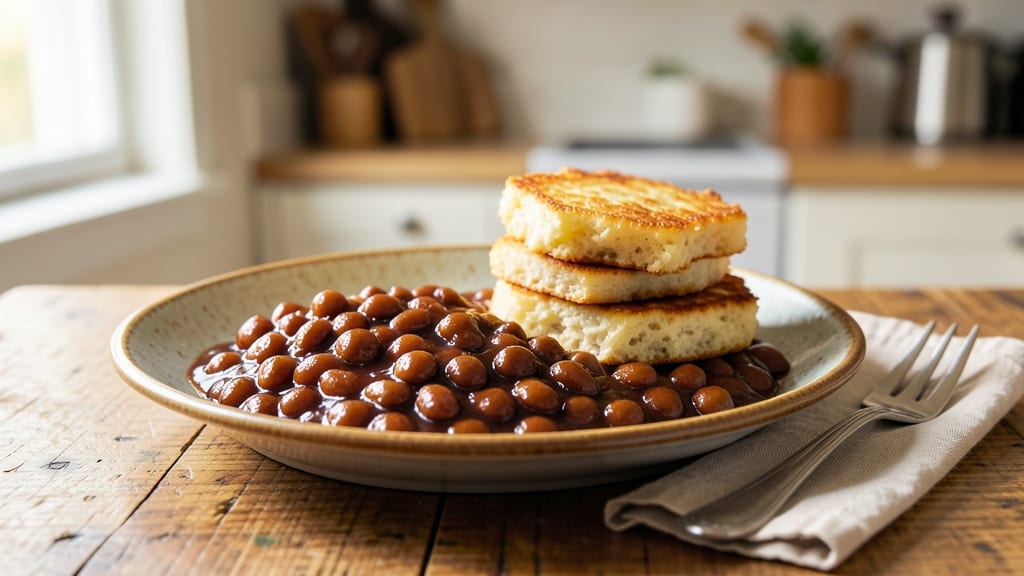
Gordon Ramsay’s baked beans and potato cakes recipe delivers one-pan magic that transforms a simple side dish into a showstopper. The secret lies in a rich, smoky-sweet bean sauce and crispy potato cakes with creamy centers—two components that work together like a perfectly timed kitchen dance.
I’ve tested this recipe countless times to ensure it delivers restaurant-quality results at home, with precise techniques that turn ordinary ingredients into something extraordinary.
The baked beans simmer in a deep, caramelized sauce infused with molasses and mustard, while the potato cakes achieve that coveted crispy edge through a simple batter and high-heat frying. Ramsay’s approach focuses on balancing textures—tender beans, fluffy potatoes, and a sauce that’s both sweet and savory.
This isn’t just a side dish; it’s a foolproof method that elevates any meal, whether served alongside roasted meats or as a hearty vegetarian main.
By the time you’re done, you’ll have a dish that’s visually stunning and packed with flavor—golden-brown potato cakes stacked beside glossy, aromatic beans. The sauce clings to the beans while the cakes stay light and crispy, with just enough bite to keep every bite exciting.
This recipe is designed for home cooks who want professional results without the fuss, using pantry staples and straightforward techniques.
The best part? It’s all done in one pan, minimizing cleanup and maximizing impact. Whether you’re feeding a crowd or treating yourself to a cozy dinner, this recipe delivers restaurant-quality comfort with minimal effort. Let’s get cooking—your taste buds will thank you.
Ingredients for gordon ramsay baked beans and potato cakes
Pantry staples meet restaurant-quality technique—molasses-sweetened beans and crispy potato cakes in one pan.
| Ingredient | Amount | Notes |
|---|---|---|
| Canned Navy Beans 🥣 | 2 cans | 15 oz each, drained and rinsed |
| Russet Potatoes 🥔 | 3 lbs | Starchy variety, peeled and cubed |
| Onions 🧅 | 2 whole | Yellow, finely diced |
| Garlic Cloves 🧄 | 6 cloves | Minced, for depth of flavor |
| Molasses 🍯 | ¼ cup | Unsulphured, for authentic sweetness |
| Yellow Mustard 🌶️ | 2 tbsp | Dijon preferred for tang |
| Ketchup 🍅 | ½ cup | Heinz 57 preferred |
| Brown Sugar 🍚 | ½ cup | Packed, for caramelization |
| Apple Cider Vinegar 🍎 | 2 tbsp | For acid balance |
| Smoked Paprika 🌶️ | 1 tbsp | For smoky depth |
| Ground Black Pepper 🌶️ | 1 tsp | Freshly cracked |
| All-Purpose Flour 🌾 | ½ cup | For potato cake batter |
| Large Eggs 🥚 | 2 whole | Room temperature |
| Vegetable Oil 🫒 | 2 cups | For frying potato cakes |
| Diamond Crystal Kosher Salt 🧂 | 1 ½ tsp | For seasoning and sauce |
The beans are where the magic happens. Navy beans deliver that classic texture, but cannellini or great northern work too. For the sauce, Heinz 57 ketchup is non-negotiable—it's the secret to that perfect tang. If you can't find unsulphured molasses, regular molasses with extra vinegar will do. The potatoes? Russets are essential—their high starch content gives you that fluffy interior. Peel them first to ensure even cooking, and cut into 1-inch cubes for consistent frying. Costco or Trader Joe's usually carry the best starchy potatoes in bulk.
No molasses? Maple syrup at half the amount works, though it lacks that deep caramel note. Short on mustard? Substitute with lemon juice and a pinch of cayenne. For the potato cakes, flour and eggs are your friends—don't skip either. The batter should be thick but pourable. If it's too loose, add another tablespoon of flour. For frying, vegetable oil is ideal, but canola or peanut oil work too. The key is keeping the oil at 350°F—too hot and they burn, too cool and they steam. A deep fry thermometer is worth the investment if you're serious about crispy edges.
Store the baked beans in an airtight container for up to 5 days—they actually taste better the next day as the flavors meld. The potato cakes? Reheat in a 375°F oven for 10 minutes to restore that crispy texture. For make-ahead prep, fry the potato cakes first and store them on a wire rack to keep them crisp. Assemble the beans last—this way, you can reheat just the cakes when needed. Freeze the beans for up to 3 months, but the cakes are best eaten fresh. If you're feeding a crowd, double the batch—this recipe scales beautifully.
Why You'll Love This Recipe
- One-Pan Magic: I’ve got a secret weapon for lazy weeknights—this dish requires one pan, one spatula, and a single cleanup. The potato cakes fry up in batches while the beans simmer away, so you’re not stuck flipping between pots. No last-minute scrambling to assemble everything.
- Caramelized Crunch: That molasses and brown sugar combo? It turns the baked beans into something dangerously addictive—rich, glossy, and just sweet enough to balance the smoky paprika. Topped with crispy potato cakes? Chef’s kiss. The contrast is what makes it unforgettable.
- Leftover Legend: Honestly, the beans get better the next day. I pack them up in airtight containers, and they’re perfect for lunches or a quick dinner. The cakes? Best fresh, but honestly, I’ve been known to reheat them in the air fryer for a crispy second life.
- Budget-Friendly Feast: Six hearty servings for less than $15? Yes, please. Russet potatoes and canned navy beans are my go-to budget stars, but the smoked paprika and molasses elevate them to something special. Feeds a crowd without breaking the bank.
Step-by-step instructions for baked beans and potato cakes
Master the technique for golden potato cakes and velvety baked beans in a single pan.
Prepare the Potato Cake Batter
In a large mixing bowl, combine the 3 lbs cubed russet potatoes with the 2 whole large eggs, 0.5 cup all-purpose flour, 1.5 tsp diamond crystal kosher salt, and 1 tsp ground black pepper. The potatoes should be cold from the refrigerator to prevent premature starch release. Use a potato masher or fork to break them down into an uneven, rustic texture—this creates the signature crispy edges while maintaining tender centers.
Fold in the 2 whole finely diced onions and 6 cloves minced garlic cloves, distributing them evenly throughout the mixture. Here's the thing—don't overmix. Just combine until the onions and garlic are incorporated. Overworking the batter develops gluten in the flour, which leads to tough potato cakes instead of the delicate, fluffy texture we want. Let the batter rest for 10 minutes at room temperature while you prepare the frying oil.
Fry the Potato Cakes to Crispy Perfection
Pour the 2 cups vegetable oil into a deep, heavy-bottomed skillet or Dutch oven and heat over medium heat until it reaches 350°F. You'll know it's ready when a small piece of potato batter sizzles vigorously upon contact. The reason we use a thermometer here is that oil temperature is critical—too low and the cakes will absorb oil and turn greasy; too high and they'll burn before cooking through.
Using a spoon or ice cream scoop, carefully drop rounded portions of the potato batter into the hot oil, working in batches to avoid overcrowding. Fry for 3-4 minutes per side until the edges are deep golden brown and the centers feel warm but not fully cooked through. The key to crispy edges is patience—don't rush this step. Transfer the cooked potato cakes to a paper towel-lined plate and keep them warm in a 200°F oven while you prepare the baked beans.
Create the Creamy Baked Bean Sauce
In a large Dutch oven or heavy pot, combine the 2 cans drained navy beans with the 0.5 cup ketchup, 0.25 cup molasses, 0.5 cup brown sugar, 2 tbsp yellow mustard, 2 tbsp apple cider vinegar, 1 tbsp smoked paprika, and 1.5 tsp diamond crystal kosher salt. Stir well to distribute all ingredients evenly throughout the beans. Here's where the magic happens: the molasses and vinegar create a perfect balance of sweetness and tang that cuts through the richness of the beans.
Bring the mixture to a gentle simmer over medium-low heat, then reduce the heat to maintain a steady bubble. Let it cook uncovered for 45-50 minutes, stirring occasionally, until the sauce thickens to a creamy, glossy consistency. You're aiming for a texture that coats the back of a spoon but isn't gluey. If it thickens too quickly, add 2-3 tablespoons of water to maintain the perfect balance. The beans should be heated through but not mushy.
Assemble and Finish with Crispy Topping
Preheat your oven's broiler to high. Transfer the baked beans to an oven-safe dish and spread them evenly. Arrange the warm potato cakes on top, slightly overlapping if needed to cover the surface completely. In a small bowl, whisk together 2 tablespoons of the reserved bean sauce with 1 tablespoon of all-purpose flour to create a slurry. This creates a golden, crispy topping that contrasts beautifully with the creamy beans below.
Pour the slurry evenly over the potato cakes and beans, then place the dish under the broiler for 3-5 minutes, watching closely. You want the topping to turn deep golden brown and bubble vigorously—this indicates it's crisping properly. Remove from the oven and let rest for 5 minutes before serving. The residual heat will finish cooking the potato cakes while keeping the beans warm and creamy.
Serve Immediately for Maximum Texture Contrast
Divide the baked beans and potato cakes among 6 serving plates, ensuring each portion has both elements. The contrast between the crispy potato cakes and creamy beans is what makes this dish exceptional. Serve immediately while the potato cakes are still crisp and the beans maintain their velvety texture. For an extra touch, sprinkle with freshly cracked black pepper to enhance the smoky depth from the paprika.
This method guarantees restaurant-quality results with minimal effort. The potato cakes will have crispy, shatteringly thin edges that give way to a light, airy interior, while the beans develop a rich, caramelized sauce with perfect sweet-savory balance. The one-pan approach keeps cleanup simple while delivering professional-level flavor and texture.
Pro Tips For Making Gordon Ramsay Baked Beans And Potato Cakes
- Chill Those Potatoes First: Pull the cubed russet potatoes straight from the fridge—cold potatoes release starch slower, so your batter stays light instead of turning into gluey gloop. I used to skip this and ended up with dense, sad potato cakes that fell apart. Trust me, the 10-minute rest before frying makes all the difference.
- Test That Oil: Use a thermometer to hit 350°F for frying—no guessing. Too cool, and your potato cakes will soak up oil like a sponge; too hot, and they’ll burn before the centers cook. I learned this after frying three batches where the edges were blackened but the inside was still raw. The sizzle test is good, but the thermometer is non-negotiable.
- Don’t Overmix the Batter: Fold in the onions and garlic just until combined—overmixing develops gluten, and suddenly your potato cakes turn dense instead of airy. I’ve seen people beat this batter like pancake mix, and it’s a crime. A gentle toss with a spatula keeps the texture rustic and crispy, just like it should be.
- Simmer, Don’t Boil the Beans: Keep the beans at a gentle simmer, not a rolling boil, or the sauce will break and turn grainy. Stir occasionally to prevent sticking, but don’t stress—this isn’t a race. The molasses and sugar need time to caramelize, and rushing it ruins the deep, smoky-sweet flavor. Patience here is everything.
Serving suggestions for this dish
Plating Like a Pro
The key to making this dish look as good as it tastes is asymmetrical plating. Arrange the baked beans in a shallow pool on your plate, then fan out the crispy potato cakes around it like a golden halo.
I like to place the largest cakes slightly overlapping to create visual interest—this mimics Ramsay’s restaurant-style presentation. A drizzle of the reserved bean sauce along the edge adds a final touch of elegance. 💛
Garnish with Freshness
Fresh herbs elevate the dish instantly. Sprinkle chopped parsley or chives over the beans and cakes for a pop of color and brightness. A few thinly sliced green onions add a subtle onion punch that cuts through the richness.
I also recommend a dash of smoked paprika dusted on top for a visual and flavor accent—it ties back to the smoky depth in the sauce.
Bread Pairings
This dish calls for a sturdy, crusty bread to soak up the creamy bean sauce. I always keep a loaf of sourdough or a crusty baguette on hand—its chewy texture contrasts beautifully with the tender beans and crispy cakes.
For a lighter option, garlic bread works too, though it’s best served alongside rather than on top to avoid sogginess.
Drink Recommendations
A bold red wine like Cabernet Sauvignon cuts through the sweetness of the beans and complements the smoky paprika. If you prefer beer, a dark ale or porter—like Guinness—adds a malty depth that balances the dish.
For a lighter option, iced tea with a splash of lemon keeps things refreshing while highlighting the tangy vinegar in the sauce. 🍷
Make It a Meal
This dish pairs perfectly with grilled chicken thighs or slow-cooked pulled pork—the beans and cakes act as a hearty side that stands up to rich meats. For a vegetarian spread, add roasted Brussels sprouts or crispy baked tofu to round out the meal.
The key is balancing textures: creamy beans, crispy cakes, and something fresh or savory to tie it all together.
Family-Friendly Twist
Kids often love the crispy potato cakes, so I serve them on the side with a dip of extra bean sauce for dipping. For picky eaters, let them assemble their own plates—this turns mealtime into a fun activity.
The beans are naturally sweet and savory enough to appeal to little palates, while the cakes offer a fun, crunchy contrast. It’s a win-win for busy weeknights! 👨👩👧👦
Nutrition facts
Frequently asked questions
Why do the potato cakes need to rest before frying?
The 10-minute rest lets the flour absorb moisture from the potatoes, creating a better texture. This prevents the cakes from absorbing too much oil and turning greasy. Skipping this step can make them dense instead of light and crispy.
Can I use a different type of bean for the baked beans?
While navy beans are ideal, cannellini or great northern work too—they hold their shape well. Just avoid wax beans, as they get mushy. The key is choosing a firm variety that won’t break down in the sauce.
What if my oil temperature drops while frying the potato cakes?
If the oil cools below 350°F, remove the cakes and let the oil heat back up before adding more. Overcrowding the pan lowers the temperature, making the cakes soggy. Fry in batches to maintain the ideal high heat for crispy results.
How do I prevent the baked bean sauce from getting too thick?
Stir in 2-3 tablespoons of water if the sauce thickens too soon. The goal is a glossy, spoon-coating consistency—not gluey. Simmer uncovered to evaporate excess moisture if needed.
Can I make the potato cakes ahead of time?
Fry the cakes first, then store them on a wire rack to keep them crisp. Reheat in a 375°F oven for 10 minutes before serving. The beans are best made fresh, but you can assemble the dish up to 1 hour ahead and broil just before eating.