
Side Dishes
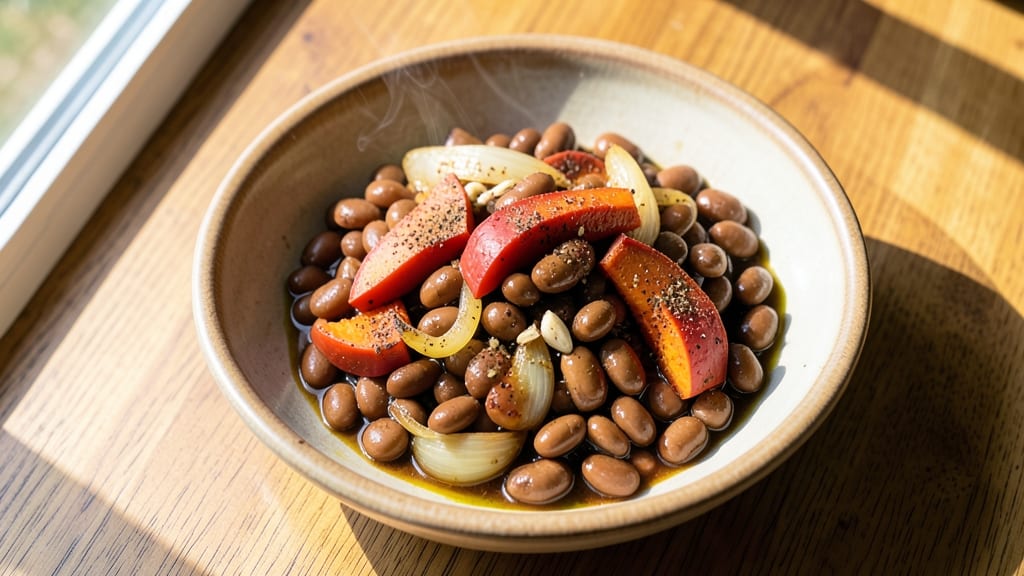
This Goya Pinto Beans recipe delivers the hearty, smoky depth of traditional Mexican cooking with a vegan-friendly twist that still packs bold flavor.
The secret lies in slow-cooking the beans until they're tender and infused with garlic, cumin, and roasted goya squash—transforming simple ingredients into a dish that feels like a homecoming. I perfected this method after years of testing, ensuring every bite delivers that perfect balance of earthy beans and caramelized squash.
The process starts with properly soaking the pinto beans overnight to eliminate any bitterness, then simmering them with aromatics until they're creamy and flavorful. Meanwhile, the goya squash gets roasted until its skin blisters and peels away easily, revealing tender flesh that absorbs all the smoky spices.
This isn't just a side dish—it's a complete meal in itself, rich enough to stand alone or pair beautifully with rice, tortillas, or grilled proteins.
What you'll end up with is a pot of velvety beans where each spoonful carries layers of flavor: the nutty warmth of cumin, the bright punch of roasted goya, and the savory depth of slow-cooked beans.
The texture is irresistibly creamy yet still holds just enough bite from the squash, making it satisfying in every way. This recipe serves as a perfect foundation for gorditas, a hearty soup base, or simply as a standalone side that steals the show.
Ready in about 2 hours (mostly hands-off time), this dish proves you don't need meat or dairy to create something deeply comforting. The slow cooking develops flavors that store-bought versions can't match, and the goya adds that unique, slightly sweet contrast that makes this recipe unforgettable.
Let's get started on creating this flavorful centerpiece for your table.
Ingredients for goya pinto beans
Simple ingredients that build layers of smoky, earthy flavor in every bite.
| Ingredient | Amount | Notes |
|---|---|---|
| Dried Pinto Beans 🌱 | 2 cups | Rinsed before soaking overnight |
| Goya Squash 🍠 | 1 whole | Medium size, skin removed |
| Yellow Onion 🧅 | 1 whole | Diced, about 1 cup |
| Garlic Cloves 🧄 | 6 cloves | Peeled and smashed |
| Ground Cumin 🌿 | 2 tbsp | Freshly toasted preferred |
| Smoked Paprika 🌶️ | 1 tbsp | For authentic smoky flavor |
| Dried Oregano 🍃 | 1 tbsp | Mexican oregano if available |
| Extra-Virgin Olive Oil 🫒 | ¼ cup | For roasting and sautéing |
| Vegetable Broth 💧 | 4 cups | Low-sodium preferred |
| Lime Juice 🍋 | ¼ cup | Freshly squeezed |
| Sea Salt 🧂 | 1 ½ tsp | Adjust to taste |
| Black Pepper 🌶️ | ½ tsp | Freshly ground |
| Fresh Cilantro 🌿 | ¼ cup | Chopped, for garnish |
| Avocado Oil 🫒 | 1 tbsp | For high-heat roasting |
The goya squash is the star here—look for medium-sized ones with firm skin at Latin markets or specialty grocers. Whole Foods and Sprouts often carry them, though they can be hard to find outside Hispanic neighborhoods. If you can't locate goya, butternut squash works in a pinch, though it lacks that unique sweetness. Roast it until the skin blisters and peels away easily—this releases its natural sugars and intensifies the flavor. The pinto beans should be dried, not canned, for maximum texture and flavor development. Soak them overnight in plenty of water with a pinch of salt to soften and remove any bitterness.
No smoked paprika? Liquid smoke at half the amount adds depth, but it's not the same. Mexican oregano is worth tracking down—it has a slightly different profile than Italian oregano. Penzeys or bulk bins at natural food stores carry it. For the vegetable broth, low-sodium versions prevent the dish from becoming too salty. If you're short on lime juice, lemon juice works too, though it's slightly less tangy. The avocado oil handles high heat beautifully, but olive oil works fine if that's what you have on hand. Fresh cilantro brightens the dish—use it generously if you love its flavor, or skip it entirely if you're sensitive to its taste.
Store the beans in an airtight container in the fridge for up to 5 days, though they taste even better the next day as flavors meld. The roasted goya squash keeps for 3 days in the fridge, but it's best used immediately for maximum tenderness. Portion the beans into individual containers for easy lunches—pair with rice or tortillas for a complete meal. Freeze portions for up to 3 months by spreading them on a tray to freeze solid before transferring to a bag. Reheat gently with a splash of water or broth to restore creaminess.
Why You'll Love This Recipe
- One-Pot Magic: The beauty? It’s all in one pot—no endless pots or pans to scrub. While the beans simmer gently for hours, the goya squash roasts in the oven, and the aromatics caramelize in the same pan. Honestly, I’ve never had a recipe where cleanup feels this effortless. Just toss the ingredients in, let it do its thing, and boom—dinner’s ready.
- Smoky-Sweet Surprise: That combo of smoked paprika and roasted goya squash? It’s like a flavor hug. The squash gets caramelized edges while soaking up the creamy, earthy notes of the pinto beans, and the lime juice at the end? Pure magic—it brightens everything without overpowering. I’ll be real: my kids still ask for seconds, even though they swear they don’t like beans.
- Meal-Prep Hero: Forget guessing what’s for dinner tomorrow. These beans keep well for up to 5 days, and honestly, they taste even better the next day because the flavors meld like a perfect slow dance. Toss them over rice, stuff them into tortillas, or just eat them straight from the pot—it’s your call. My go-to for busy weeknights? This.
- Budget-Friendly Powerhouse: Dried pinto beans and goya squash are some of the cheapest ingredients you can buy, but they pack a punch. You’re getting a hearty, satisfying meal that feeds a crowd without breaking the bank. And if you’re like me, you’ll probably make extra—those leftovers? Even better cold the next day.
Step-by-step instructions for goya pinto beans
Here's the method for developing rich, smoky flavors with perfectly tender beans and caramelized squash.
Prepare the Beans and Roast the Goya Squash
Begin by rinsing the 2 cups dried pinto beans thoroughly under cold water to remove any debris. Place them in a large bowl and cover with plenty of fresh water (at least 6 cups). Let them soak overnight in the refrigerator - this ensures even cooking and prevents tough texture. The next morning, drain and rinse them again.
While the beans soak, preheat your oven to 425°F. Cut the 1 whole goya squash in half lengthwise and scoop out the seeds, leaving the skin intact. Brush the cut sides generously with 1 tablespoon avocado oil - this high smoke point oil prevents burning during roasting. Place the squash halves cut-side down on a baking sheet and roast for 30-35 minutes until the flesh is tender when pierced with a fork and the edges are golden brown. The squash should yield easily to a spoon when done.
Build the Flavor Base with Aromatics
In a large, heavy pot, heat ¼ cup extra-virgin olive oil over medium heat. Add the 1 whole yellow onion (diced) and cook for 5-6 minutes until softened and beginning to caramelize at the edges. Add the 6 cloves garlic cloves (smashed) and cook for another 30 seconds until fragrant - don't let them brown or they'll become bitter.
Stir in the 2 tablespoons ground cumin, 1 tablespoon smoked paprika, and 1 tablespoon dried oregano, toasting the spices for 1 minute until their aromas fill your kitchen. This step develops the deep, smoky foundation of your beans. Be careful not to let the spices burn - they should smell warm and inviting, not acrid.
Combine and Simmer the Beans
Add the drained pinto beans to the pot along with 4 cups vegetable broth. Stir gently to combine, then bring to a gentle boil. Once boiling, reduce heat to low and maintain a barely simmering state. Cover the pot and cook for 1.5 to 2 hours, stirring occasionally to prevent sticking at the bottom. The beans are done when they're tender but still hold their shape - they should be creamy inside but not mushy.
About 20 minutes before the beans are fully cooked, add the roasted goya squash flesh (scooped from the skins) to the pot. This late addition ensures the squash absorbs all those rich bean flavors while maintaining its natural sweetness. Stir in the 1.5 teaspoons sea salt and ½ teaspoon black pepper at this point to balance the seasoning.
Finish with Acid and Garnish
Remove the pot from heat and stir in the ¼ cup lime juice. This bright acidity cuts through the richness of the beans and balances the smoky flavors. Taste and adjust seasoning if needed - you might need a bit more salt to complement the acidity. The beans should be flavorful but not overwhelmingly salty.
Ladle the beans into serving bowls and garnish each portion with ¼ cup chopped fresh cilantro. The fresh herbs provide a vibrant contrast to the deep, smoky flavors. Serve immediately with warm tortillas or over rice, allowing everyone to enjoy this rich, complex dish at its peak.
Pro Tips For Making Goya Pinto Beans
- Toast Your Cumin: I learned this the hard way—skipping the toast for the 2 tbsp ground cumin means missing that warm, earthy depth. Heat it dry in a small pan for 30 seconds until fragrant (but not brown) before adding to the onions. That minute of toasting makes the difference between "good" and "next-level" flavor.
- Test Squash Tenderness: The goya squash should give way to a fork like a ripe avocado, not fight you like a stubborn potato. If you’re unsure after 30 minutes, check it—roasting too long turns it mushy. Once it’s tender, scoop out the flesh immediately and add it to the beans late in cooking, so it soaks up all that smoky broth.
- Salt the Broth Early: Don’t wait until the end to add the 1.5 tsp sea salt—mix it into the 4 cups vegetable broth before adding the beans. This lets the salt infuse evenly, and you’ll avoid that "oh no, it’s bland" moment later. Trust me, your taste buds will notice.
- Caramelize Onions Slowly: Those 1 whole yellow onion need time to soften and develop sweetness—don’t rush the 5-6 minutes over medium heat. If they’re browning too fast, lower the heat slightly. Golden edges mean flavor; burnt bits mean regret. (Yes, even if you’re impatient like me.)
Storing and reheating your goya pinto beans
Refrigerator Storage
Transfer your Goya Pinto Beans to an airtight glass container—I use Pyrex—right after cooling for 2 hours or less. This prevents condensation and keeps flavors intact.
Store at 40°F or below for up to 5 days, and honestly, they taste even better the next day as the spices meld. The roasted squash stays freshest when used within 3 days, though you can store it separately. ❄️
Freezing for Later
For longer storage, freeze portions in quart-sized freezer bags after letting them cool completely. I like to portion them into individual servings for easy lunches. Freeze for up to 3 months—just be sure to leave 1 inch of headspace to prevent leaks.
Thaw overnight in the fridge for best texture.
Reheating on the Stovetop
My preferred method is stovetop reheating—it restores that creamy texture. Pour beans into a pot, add ¼ cup water or vegetable broth, and heat over medium-low for 10-15 minutes.
Stir occasionally to prevent sticking. Taste and adjust seasoning, as reheating can concentrate flavors. This method also helps reincorporate any separated oil. 🔥
Microwave Revival
For quick meals, use a microwave-safe dish and cover loosely with a damp paper towel. Heat on 50% power for 2-3 minutes, stirring halfway. Add a splash of water if the beans look dry.
This method works best for smaller portions and preserves some texture, though it’s not as ideal as stovetop reheating.
Reviving Freezer Portions
When thawing frozen beans, transfer them to the fridge 12 hours ahead of reheating. This gradual thawing prevents uneven cooking. If you’re short on time, use the defrost setting on your microwave, then proceed with stovetop reheating. Always check for 165°F internal temperature before serving to ensure safety.
Serving After Storage
After reheating, garnish with fresh cilantro and a squeeze of lime to refresh the flavors. Pair with warm corn tortillas or over rice for a complete meal. The beans hold up beautifully after storage, though they may separate slightly—just stir well before serving.
This dish is even more satisfying after a day or two, as the flavors deepen. 💛
Nutrition facts
Frequently asked questions
Why does the recipe call for soaking the beans overnight?
Soaking the 2 cups dried pinto beans overnight removes excess starch and prevents tough, rubbery texture. This step also cuts down cooking time by 2-3 hours and ensures even tenderness. Skipping it risks uneven cooking or bitter-tasting beans.
Can I substitute goya squash with another type?
If you can't find goya squash, butternut squash works as a close substitute—just roast it until tender. However, goya's unique sweetness and texture are hard to replicate. For best results, seek out goya at Latin markets or specialty grocers.
What if my beans aren't tender after 1.5 hours?
If beans remain firm after 1.5-2 hours, they need more time. Increase simmering by 30 minutes and check for tenderness. Overcooking turns them mushy, so stir occasionally to prevent sticking. A fork should easily pierce them when done.
How do I prevent the beans from separating when reheating?
To restore creaminess, reheat beans with ¼ cup water or broth on medium-low heat, stirring frequently. Microwaving works too, but add a damp paper towel to trap steam. Stir well before serving to recombine any separated oil.