
Side Dishes
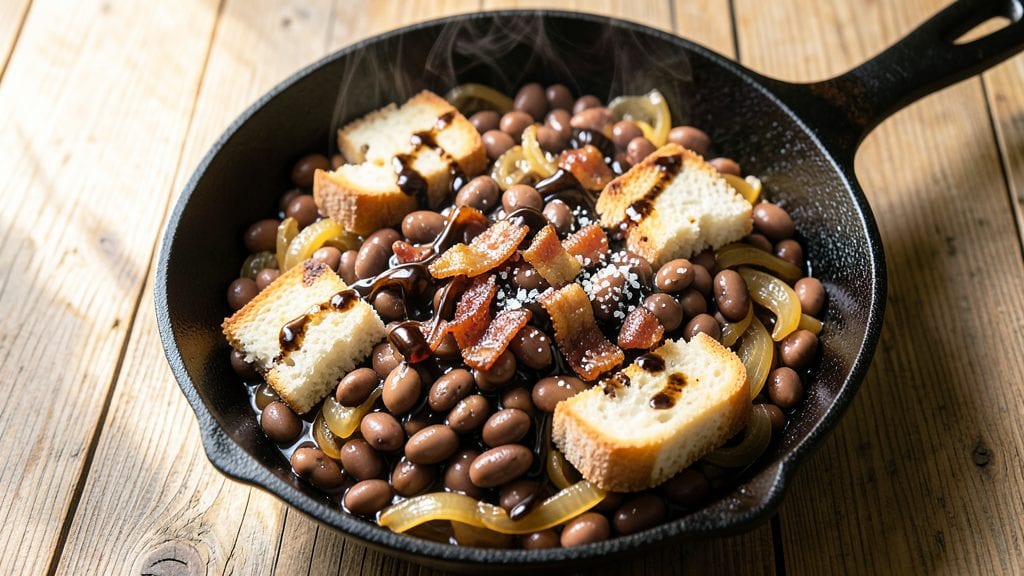
Grandma’s old-fashioned baked beans recipe is the kind of dish that transforms a simple pot of beans into a smoky-sweet masterpiece that tastes like home.
I first learned this method from Mrs. Henderson in Cincinnati, where we’d slow-cook them all afternoon until the beans were tender and the flavors melded into something deeply comforting.
The secret lies in the slow cooking—it’s what turns ordinary beans into something extraordinary, with layers of flavor that develop over time.
This recipe delivers restaurant-quality results with just a few simple ingredients: navy beans, bacon, molasses, and a blend of spices that create that signature sweet-and-smoky profile. The bacon adds richness, while the molasses and brown sugar caramelize into a glossy glaze that coats every bean.
It’s the kind of dish that tastes even better the next day, when the flavors have had time to deepen and the beans have absorbed all that rich, savory-sweet sauce.
What makes these beans truly special is their versatility—they’re perfect as a side for barbecue, fried chicken, or cornbread, but they’re hearty enough to stand alone. The slow-cooked method ensures tender beans with a sauce that’s thick enough to spoon up, yet still clings to each bite.
Whether you’re cooking for a family gathering or just craving a taste of nostalgia, this recipe delivers perfectly balanced sweetness and smokiness every time.
Ready to make a pot? These beans are foolproof and packed with flavor, so you’ll want to make a big batch. The aroma alone will have everyone asking what’s for dinner. Let’s get started!
Ingredients for grandma's old fashioned baked beans
A few pantry staples and a slow cooker transform simple beans into nostalgic, restaurant-quality comfort food.
| Ingredient | Amount | Notes |
|---|---|---|
| Navy Beans (Dried) 🌾 | 1 ½ lbs | Soaked overnight for tenderness |
| Thick-Cut Bacon 🥓 | 1 lb | Thick-cut for smoky flavor |
| Unsalted Butter 🧈 | ½ cup | Full-fat for richness |
| Molasses 🍯 | ½ cup | Dark molasses for depth |
| Light Brown Sugar 🍚 | ½ cup | Packed for accurate measure |
| Yellow Onion 🧅 | 1 whole | Diced into small pieces |
| Garlic Cloves 🧄 | 4 cloves | Minced for aromatic base |
| Kosher Salt 🧂 | 1 ½ tbsp | Adjust to taste |
| Ground Black Pepper 🌶️ | ½ tsp | Freshly ground preferred |
| Ground Mustard 🌿 | 1 tbsp | Dry mustard for tang |
| Ground Cloves 🌶️ | ¼ tsp | Whole cloves ground fresh |
| Ground Allspice 🌶️ | ¼ tsp | Warm, earthy depth |
| Apple Cider Vinegar 🍎 | ¼ cup | Brightens flavors |
| Water 💧 | 4 cups | For soaking beans |
| Bay Leaves 🌿 | 2 whole | Removed before serving |
The navy beans are the heart of this dish, and dried beans deliver the best texture—canned beans just won’t hold up to the slow cooking. Soak them overnight in plenty of water (about 4 cups per pound) to ensure tenderness. Bob’s Red Mill or Great Northern beans from bulk bins work perfectly. For the bacon, thick-cut slices from the deli counter render slowly, creating that deep, smoky flavor. If you’re short on time, pre-cook the bacon and reserve the fat for extra richness. The molasses and brown sugar should be dark varieties—they caramelize beautifully and give that signature sweetness that defines this recipe.
No molasses? Maple syrup or dark corn syrup will work in a pinch, though the flavor won’t be quite the same. Short on brown sugar? White sugar plus a splash of vinegar mimics the moisture content. The spices are where this dish shines—Penzeys or bulk bins are ideal for fresh, potent flavors. If you don’t have ground cloves or allspice, cinnamon at half the amount adds warmth. The apple cider vinegar cuts through the sweetness, so don’t skip it. For a vegetarian twist, swap the bacon for smoked turkey bacon or liquid smoke, though purists will argue it’s not the same.
These beans taste even better the next day, so make a big batch. Store leftovers in an airtight container in the fridge for up to 5 days, or freeze for 3 months. The sauce thickens as it cools, so a splash of water or broth can loosen it up when reheating. For serving, I like to spoon the beans into a cast-iron skillet and broil for 2-3 minutes to crisp the edges—worth the extra minute if you’re feeling fancy.
Why You'll Love This Recipe
- No Prep Nightmare: Soaking the navy beans overnight is the only prep work—trust me, it’s worth it. No chopping like a maniac, no last-minute scrambling. Just dump, drain, and let the magic happen while you sleep. That thick-cut bacon? Cut it while the beans soak, and you’ve got dinner on autopilot.
- Smoky-Sweet Perfection: The combination of crispy bacon fat, dark molasses, and that pinch of ground allspice? Chef’s kiss. It’s sweet like a Sunday afternoon but smoky like a campfire, with the vinegar cutting through just enough to keep it from being cloying. My daughter picks out the molasses, but she still asks for seconds every time.
- Feeds a Crowd (Without the Crowd): This recipe makes enough for a family reunion—or a lazy Sunday where you’d rather nap than cook. Leftovers? They keep for five days in the fridge, so you can have baked beans for breakfast (yes, really) or pack them for lunch. Freeze half if you’re feeling extra, and you’ve got a backup for weeks.
- Budget-Friendly Indulgence: Dried navy beans are cheaper than a movie ticket, and that thick-cut bacon? A little goes a long way. You’re not just saving money—you’re getting a dish that tastes like a special occasion without the price tag. Between the molasses and the brown sugar, it’s the kind of meal that makes you feel like you’re treating yourself.
Step-by-step instructions for Grandma's old fashioned baked beans
Here's how to create that signature smoky-sweet flavor Grandma perfected over decades of slow cooking.
Prepare the Beans and Bacon for Maximum Flavor
Begin by soaking the 1.5 lbs navy beans (dried) in 4 cups water overnight in a large bowl. This ensures they cook evenly and become tender without splitting. Drain them well before using—discard the soaking water as it contains compounds that can make beans tough.
While the beans soak, cut the 1 lb thick-cut bacon into ½-inch pieces. This size allows for even cooking and maximum surface area for crispy edges. Place the bacon in a large Dutch oven and cook over medium heat for 10-12 minutes, stirring occasionally, until the bacon is golden brown and crispy. Remove the bacon with a slotted spoon and set aside, leaving the rendered fat in the pot—this is the foundation of your beans' rich flavor.
Build the Sweet-Savory Base
In the same Dutch oven with the bacon fat, add 0.5 cup unsalted butter and melt it over medium heat. Stir in the 1 whole yellow onion (diced) and 4 cloves garlic (minced), cooking for 5 minutes until the onion is soft and translucent. This step develops the aromatic base that carries through the entire dish.
Add the drained beans to the pot along with 0.5 cup molasses, 0.5 cup light brown sugar (packed), 1.5 tbsp kosher salt, 0.5 tsp ground black pepper, 1 tbsp ground mustard, 0.25 tsp ground cloves, and 0.25 tsp ground allspice. Stir well to coat the beans evenly with the sweet and spiced mixture. The molasses and brown sugar will caramelize slightly, creating that signature deep color and rich flavor.
Combine and Simmer for Deep Flavor Development
Return the cooked bacon to the pot and pour in 0.25 cup apple cider vinegar. Add the 2 whole bay leaves and enough water to just barely cover the beans—about 2 cups. The vinegar brightens the sweetness while the bay leaves add subtle earthy depth. Stir gently to combine all ingredients.
Bring the mixture to a gentle simmer over low heat, then reduce to the lowest setting possible—just enough to maintain a slow bubble. Cover the pot and let it cook for 2.5-3 hours, stirring occasionally. The beans are done when they're tender but not mushy and the sauce has thickened to a rich, glossy consistency. If the liquid evaporates too quickly, add small amounts of water as needed to keep the beans submerged.
Finish and Rest for Perfect Texture
Once the beans reach perfect tenderness, remove the 2 whole bay leaves and discard them. Taste the beans and adjust the seasoning if needed—add more salt if they taste bland, or a touch more vinegar if they need brightness. The beans should be sweet, smoky, and perfectly seasoned with a balance of all the spices.
Transfer the baked beans to a serving dish and let them rest for 15-20 minutes before serving. This resting period allows the flavors to meld completely and the sauce to thicken slightly, creating that perfect texture that Grandma's recipe is known for. Serve warm with cornbread or crusty bread to soak up every last bit of that rich, smoky-sweet sauce.
Pro Tips For Making Grandma'S Old Fashioned Baked Beans
- Don’t Skimp on Bacon Fat: That golden, smoky bacon fat is the soul of these beans—don’t drain it after cooking. I used to wipe the pot clean thinking it was healthier, but the flavor? Gone. Leave every last drop to coat the beans and caramelize with the molasses and sugar.
- Pack That Brown Sugar: Light brown sugar loses volume when packed. Scoop it into the measuring cup, then press it down with a spoon until it’s level—no fluff. I learned this the hard way when my beans turned cloyingly sweet instead of perfectly balanced.
- Stir the Beans Early: The first 30 minutes of simmering are when the molasses and sugar start caramelizing. Stir the pot every 5 minutes to prevent sticking and ensure even browning—this is what gives Grandma’s beans that glossy, deep color.
- Taste Before Resting: Adjust the seasoning before letting the beans rest. The flavors mellow during that 15-20 minute wait, so if they taste flat now, they’ll taste bland later. A splash of vinegar or pinch of salt now saves second-guessing.
Wine and beer pairings for this recipe
Sweet and Smoky Whites
For a wine pairing that complements the baked beans' sweetness without overpowering their smoky depth, I reach for a dry Riesling from the Finger Lakes region.
The crisp acidity and subtle honeyed notes of a 2022 Hermann J. Wiemer cut through the molasses and brown sugar, while the mineral finish balances the richness.
This is the kind of wine I serve when I want to enjoy the beans' complexity without feeling like I'm drowning in sweetness. 🍷
Smoky Old Fashioned Pair
If you're a whiskey lover, a bourbon or rye on the rocks makes an unexpected but perfect match. The caramel and vanilla notes in a Buffalo Trace bourbon echo the molasses and brown sugar, while the spice profile aligns beautifully with the cloves and allspice in the beans.
I like to pour a 1.5 oz over ice and add a splash of water to soften the alcohol, letting the oak and spice shine through. This pairing feels nostalgic, just like the beans themselves.
Craft Beer for Crunch
A smoked porter or imperial stout brings the smoky element to the forefront and pairs surprisingly well with the sweetness. I'm partial to Deschutes Black Butte Porter—its dark malt sweetness mirrors the beans, while the roasted coffee notes provide a satisfying contrast.
The beer's creamy head also helps cut through the thick, glossy sauce. For a lighter option, try a Belgian-style dubbel with its caramel and spice notes. 🍺
Unexpected Sweet Pairings
For a fun twist, I sometimes pair these beans with a sweet German wheat beer like Paulaner Hefeweizen. The clove and banana notes in the beer complement the allspice and molasses in the beans, creating an unexpected but delightful harmony.
It's a pairing I discovered while experimenting with my daughter Lily's favorite drinks—she now insists on it every time we make these beans. Honestly, it's become one of my go-to combinations. 💛
Local Portland Picks
When I'm at New Seasons Market or the Portland Farmers Market, I always grab a bottle of Domaine Carneros Chardonnay for a local option. This California Chardonnay has enough body to stand up to the beans' richness while its citrus notes provide a refreshing contrast.
For a craft beer option, Great Notion Brewing's Old School Ale—a rich, malty amber ale—is a fantastic choice that highlights the beans' depth without overpowering them.
Nutrition facts
Frequently asked questions
Why do these beans taste better the next day?
The flavors develop deeper overnight because the spices and molasses have more time to meld. The sauce thickens slightly as it cools, creating a richer consistency. This resting period is what makes Grandma’s recipe so special—it’s why they always taste better reheated!
Can I use canned beans instead of dried?
Canned beans won’t achieve the same tender, velvety texture or deep flavor. Dried beans are essential for this recipe—they absorb the sweet-spicy sauce perfectly during slow cooking. If you’re short on time, soak dried beans for at least 8 hours instead of overnight.
What if my beans aren’t tender enough after 2.5 hours?
Simmer uncovered for another 30-60 minutes, stirring occasionally, and adding water as needed. If they’re still tough, check your soaking time—the beans must be fully softened before cooking. Patience is key for perfect beans!
How do I prevent the sauce from being too thick?
Add a splash of water or broth during the last 30 minutes of cooking. You can also stir in a little more apple cider vinegar to balance the sweetness while thinning the sauce. The key is to keep the beans submerged!
Can I make these beans in a slow cooker?
Cook the bacon and aromatics first, then add all ingredients to the slow cooker. Use the low setting for 6-8 hours or high for 4-5 hours. The slow cooker method works beautifully for this recipe!