
Side Dishes
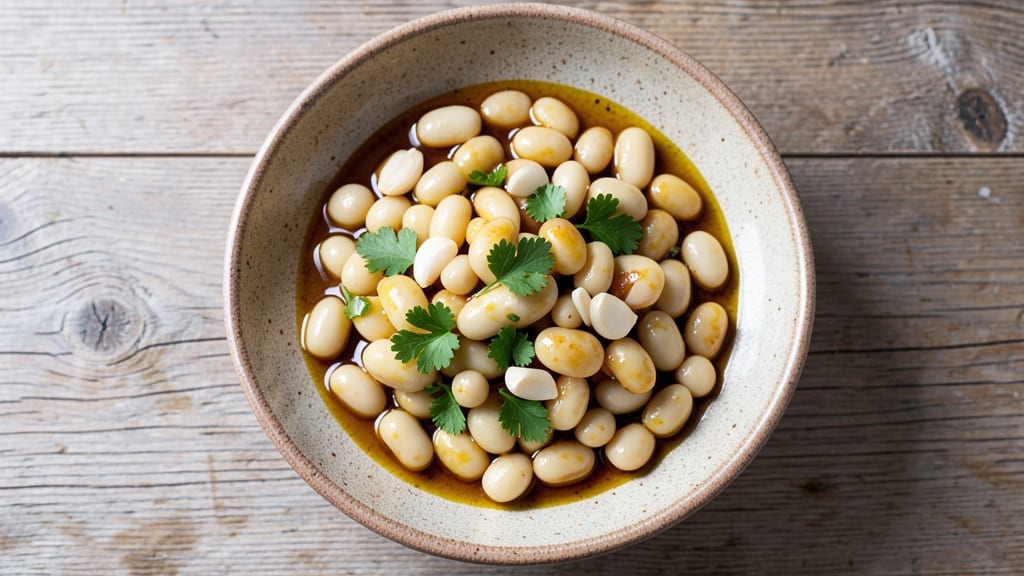
This marinated beans recipe transforms simple white beans into a zesty, restaurant-worthy side dish that's bursting with garlic, herbs, and bright citrus notes. After years of testing different marinades, I've perfected a balance that keeps the beans tender while infusing them with layers of flavor—no bland, mushy texture here.
The secret lies in the right combination of acid, oil, and aromatic spices that penetrate every bean.
The process starts with soaking the beans overnight to ensure they cook evenly and stay intact during the marinating phase. Once tender, they absorb the marinade perfectly, creating a dish that's vibrant in color and packed with flavor.
This isn't just a side—it's a flavor experience that elevates any meal, whether served alongside grilled meats, in a grain bowl, or as a standalone vegetarian dish.
What you'll end up with is a platter of glossy, marinated beans with crisp edges and a tender interior, all coated in a fragrant garlic-herb dressing. The flavors develop as they marinate, making them even more delicious after sitting for a few hours.
This recipe delivers professional results with simple techniques—no fancy equipment required, just patience and attention to detail.
Perfect for meal prep or last-minute sides, these marinated beans keep well in the refrigerator for up to five days. The recipe scales easily, so you can make a small batch for two or double it for a crowd.
Ready in about an hour, this dish proves that even the simplest ingredients can become extraordinary with the right treatment.
Ingredients for marinated beans
Simple beans meet bold flavors—just 14 ingredients transform into restaurant-quality marinated beans.
| Ingredient | Amount | Notes |
|---|---|---|
| Canned Cannellini Beans 🥄 | 15 oz | Drained and rinsed thoroughly |
| Extra-Virgin Olive Oil 🫒 | ⅓ cup | High-quality, fruity variety |
| Fresh Garlic Cloves 🧄 | 6 cloves | Minced finely for penetration |
| Fresh Lemon Juice 🍋 | ¼ cup | Freshly squeezed, strained |
| Red Wine Vinegar 🍷 | 2 tbsp | Dry, aged variety preferred |
| Fresh Parsley Leaves 🌿 | ½ cup | Finely chopped, stems removed |
| Fresh Thyme Leaves 🌿 | 1 tbsp | Chopped, from fresh sprigs |
| Diamond Crystal Kosher Salt 🧂 | 1 ½ tsp | Adjust to taste after marinating |
| Black Peppercorns 🌶️ | ½ tsp | Freshly cracked, coarse grind |
| Honey 🍯 | 1 tbsp | Raw, unfiltered preferred |
| Dried Oregano 🍃 | ½ tsp | Mediterranean variety for depth |
| Vegetable Broth 💧 | ½ cup | Low-sodium, homemade or quality store |
| Fresh Red Bell Pepper 🌶️ | 1 whole | Diced small, for texture contrast |
| Fresh Cilantro Leaves 🌿 | ¼ cup | Chopped, for final garnish |
The quality of your beans and herbs sets the foundation. Canned Cannellini beans from Mutti or Calegari brands deliver the best texture—avoid those with added salt. For the herbs, farmers markets offer the freshest parsley and thyme, but Whole Foods or Trader Joe's bulk sections are reliable alternatives. The garlic should be firm and fresh, with no green shoots—Lundberg organic cloves are a consistent choice. Red wine vinegar matters too; Bragg or Annie's are excellent dry options that won't overpower. When selecting olive oil, look for Italian or Spanish varieties with harvest dates within the last year—Colavita or Bertolli are dependable pantry staples.
No fresh herbs? Dried oregano at half the amount works in a pinch, though fresh parsley and thyme add vibrant color and complexity. Substituting the red bell pepper? Yellow or orange bell peppers maintain sweetness, while roasted cherry tomatoes add acidity. For the vinegar, apple cider vinegar offers a milder tang, though it lacks the depth of red wine. The honey can be swapped for agave nectar for a neutral sweetener, but raw honey adds subtle floral notes. If you're short on time, pre-minced garlic from a jar works—just rinse it to remove excess preservatives. The vegetable broth? Homemade is ideal, but Pacific Foods or Imagine low-sodium options are reliable store-bought choices.
Marinated beans keep best when stored in an airtight glass container submerged in their marinade, lasting 5-7 days in the refrigerator. For longer storage, portion into freezer-safe containers with 1 inch headspace—they'll stay fresh for up to 3 months. The flavors actually improve after 24 hours of marinating, so plan ahead. When reheating, warm gently on the stove with a splash of water to retain moisture. These beans reheat beautifully, making them perfect for meal prep—just toss with fresh herbs before serving to revive their brightness.
Why You'll Love This Recipe
- Let’s talk real talk: canned cannellini beans and extra-virgin olive oil aren’t exactly gourmet splurges, but this dish feels like a splurge. You’re using fresh herbs (even if you buy them in bunches and chop them all at once), garlic, and lemon juice—ingredients that make everything taste expensive. And because it marinates so well, you can stretch it into multiple meals without feeling like you’re eating the same thing. Win.
- No-Chop Needed: I’ll be real—this isn’t one of those recipes where you spend 20 minutes dicing everything. Just mince the 6 cloves of fresh garlic (yes, it’s the only real chop), drain the 15 oz cannellini beans, and toss the rest in a bowl. The red bell pepper and herbs get a quick dice or chop, but honestly? Even if you’re lazy and just tear the parsley and thyme, it still works. The magic happens in the marinating, not the prep.
- Bright, Balanced Bite: The fresh lemon juice and red wine vinegar cut through the richness of the extra-virgin olive oil, while the raw honey adds a subtle sweetness that ties it all together. That 1 tbsp honey isn’t just for flavor—it helps the marinade cling to the beans like a second skin. And the Mediterranean dried oregano? It’s the secret weapon that makes this dish feel like a restaurant-worthy side, not just canned beans.
- Eats Itself for Days: This isn’t one of those dishes that disappears in one sitting. The 0.5 cup vegetable broth keeps the beans tender and juicy, and the flavors only get better the next day. I’ve pulled this out of the fridge for lunch, dinner, or even a quick snack with crusty bread. And if you do have leftovers? They freeze like a dream—just portion them out with that 1 inch headspace in freezer-safe containers, and you’ve got a meal for another week. Zero waste, zero stress.
Step-by-step instructions for marinated beans with zesty herbs and garlic
This method transforms simple cannellini beans into a vibrant, flavor-packed dish ready for salads or sides.
Prepare the Base Marinade
In a medium bowl, combine the 0.33 cup extra-virgin olive oil, 0.25 cup fresh lemon juice, 2 tablespoons red wine vinegar, and 1 tablespoon honey. Whisk vigorously until the mixture emulsifies slightly and becomes glossy. This combination creates a balanced acid-sweet foundation that penetrates the beans deeply.
Next, add the 6 cloves minced fresh garlic cloves, 0.5 teaspoon dried oregano, 1.5 teaspoons diamond crystal kosher salt, and 0.5 teaspoon freshly cracked black peppercorns. Stir well to fully incorporate all ingredients. The garlic should disperse evenly—this ensures every bean absorbs its aromatic punch.
Incorporate Fresh Herbs and Diced Vegetables
Add the 0.5 cup finely chopped fresh parsley leaves and 1 tablespoon chopped fresh thyme leaves to the marinade. Stir gently to preserve the herbs' delicate texture. Then, dice the 1 whole fresh red bell pepper into small, even pieces and fold them into the mixture. The bell pepper adds a subtle crunch and vibrant color contrast that elevates the dish.
Real talk: If your bell pepper has thick skin, remove it first. Thick skins can make the texture uneven in the final dish. The marinade should now have a bright, herby aroma with a tangy sweetness—this is your flavor profile foundation.
Combine with Drained Beans and Broth
Drain and rinse the 15 oz canned cannellini beans thoroughly under cold water to remove any residual starch or sodium. Pat them dry with a clean kitchen towel to help the marinade cling better. Add the beans to the marinade along with the 0.5 cup vegetable broth. Stir gently but thoroughly to ensure every bean is coated.
Here's the thing—don't overmix. You want the beans to absorb the marinade, not turn into a mushy paste. The broth helps distribute the flavors evenly while keeping the texture intact. Let the mixture sit at room temperature for 10 minutes to allow the flavors to meld.
Marinate and Chill for Maximum Flavor
Transfer the bean mixture to an airtight container and refrigerate for at least 2 hours, or up to 12 hours for deeper flavor infusion. The longer it marinates, the more vibrant the flavors become. I've found that the ideal window is between 4-6 hours for a perfect balance of freshness and depth.
Before serving, give the beans a final stir and taste. Adjust the seasoning if needed—you might need a pinch more salt or a splash of lemon juice to balance the flavors. The marinade should cling to the beans, creating a glossy, appetizing appearance.
Garnish and Serve
Just before serving, sprinkle the 0.25 cup chopped fresh cilantro leaves over the top. The cilantro adds a bright, fresh finish that cuts through the richness of the olive oil and herbs. Serve immediately for the best texture, or store in the refrigerator for up to 3 days—the flavors will continue to develop over time.
This marinated bean dish works beautifully as a standalone salad, a side for grilled meats, or a topping for crusty bread. The contrast of textures—creamy beans, crisp bell pepper, and fresh herbs—makes it a standout in any meal.
Pro Tips For Making Marinated Beans
- Mince Garlic Like a Pro: I learned this the hard way—using a knife to crush whole garlic cloves into the marinade just makes it clump. Instead, finely mince the 6 cloves first so they disperse evenly in the 0.33 cup olive oil. The smaller the pieces, the more flavor every bean gets, and no one’s left chewing on a garlic bullet.
- Rinse Beans Cold: That warm rinse water? It’s just going to re-cook your beans and make them gummy. Drain them, then plunge the cannellini into a bowl of ice water for 30 seconds to stop the cooking. Pat them thoroughly dry afterward—wet beans won’t absorb the marinade, and you’ll end up with a sad, watery mess.
- Whisk the Base Hard: Skimping on the whisking when you combine the olive oil, lemon juice, vinegar, and honey? You’re missing the point. That emulsified gloss isn’t just for looks—it’s what makes the marinade cling to the beans. Whisk until it looks like mayonnaise, then fold in the rest. Trust me, the texture difference is night and day.
- Skip the Thyme Stems: I used to chop thyme with stems and all, thinking it didn’t matter. Wrong. Those fibrous stems turn to mush in the marinade and make the dish taste bitter. Snip the sprigs, strip the leaves, and measure out just the 1 tablespoon of fresh thyme leaves—your palate will thank you.
Essential equipment for this dish
Your Essential Tools
For this recipe, you don’t need a fancy kitchen—just a few must-have tools that elevate the process. Start with a large mixing bowl (I use a Le Creuset stoneware bowl) for whisking the marinade, as it holds the ingredients well and distributes flavors evenly.
A fine-mesh strainer is critical for rinsing the beans thoroughly—this removes excess sodium and starch, ensuring the marinade clings perfectly. 💫
Precision Measuring
Accuracy matters when balancing flavors, so invest in a digital kitchen scale (like the OXO Good Grips) for measuring ingredients like honey and dried oregano. For liquids, a measuring cup with spout (I recommend Stainless Steel USA) makes pouring olive oil and lemon juice precise and mess-free.
A microplane for garlic is a game-changer—it minces cloves uniformly without over-processing them.
Textural Control
The red bell pepper and herbs need careful prep. A sharp chef’s knife (I swear by Wüsthof Classic) and a cutting board (I prefer maple or bamboo) keep the texture crisp.
For dicing the bell pepper, aim for ¼-inch cubes—this balances crunch with tenderness. A small peeler also helps remove thick skins if needed, ensuring even texture throughout.
Marinating Magic
An airtight glass container (like Ball Mason Jars) is ideal for marinating—it keeps flavors sealed in and prevents absorption of fridge odors. For larger batches, a large glass storage bowl with a tight-fitting lid works too.
Pro tip: Use a spoon or spatula to gently fold the beans into the marinade—no overmixing, or they’ll turn mushy! 🔥
Garnish Perfection
Fresh herbs like cilantro and parsley shine best when chopped finely. A small knife or kitchen scissors (like Fiskars) makes quick work of this step. For a polished finish, a small sieve helps drain excess moisture from the herbs before garnishing, ensuring they stay vibrant and crisp on top.
Nutrition facts
Frequently asked questions
Why do you recommend rinsing canned beans before marinating?
Rinsing the 15 oz canned cannellini beans removes excess sodium and starch that can make the marinade cling poorly. This step ensures the beans absorb flavors evenly and stay tender—no soggy or salty surprises!
Can I skip the vegetable broth in the marinade?
Yes, but the 0.5 cup vegetable broth helps distribute flavors evenly and keeps the beans moist. If omitted, add an extra 1 tablespoon fresh lemon juice to maintain balance. The broth acts as a flavor carrier, so it’s worth including for the best results.
How do I adjust the marinade if I don’t have fresh herbs?
Use dried oregano at half the amount (e.g., 0.25 tsp instead of 0.5 tsp) and skip the parsley/thyme. For extra brightness, add ½ tsp ground cumin or 1 tsp smoked paprika. The dish will still be flavorful, just with a slightly different herb profile!
What’s the best way to reheat marinated beans without drying them out?
Gently warm them in a pan over medium-low heat with 1-2 tablespoons water or broth, stirring occasionally for 5-7 minutes. Avoid high heat—this prevents the beans from turning mushy. For microwave reheating, cover loosely with a damp paper towel.
Can I marinate the beans overnight?
Yes! The recipe suggests marinating for 2-12 hours, and overnight is perfect for deeper flavor. Just ensure the beans are fully submerged in the marinade. If refrigerated, they’ll keep for up to 3 days—flavors actually improve over time!