
Side Dishes
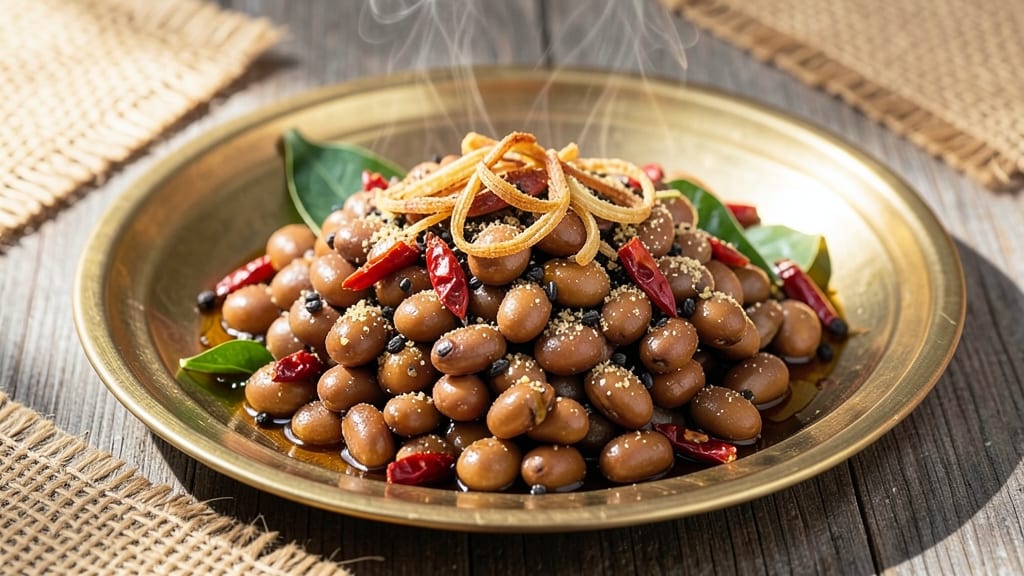
This moth beans recipe transforms humble black gram into a protein-packed side that delivers bold South Indian flavors in just 30 minutes—perfect for vegans and health-conscious cooks. The key lies in proper soaking and tempering spices, which unlocks their nutty, earthy essence while keeping them tender.
I developed this method after discovering how often moth beans were overlooked in favor of more familiar legumes, despite their impressive protein content and versatility.
The process begins with overnight soaking to soften the beans, followed by a quick pressure cook that preserves their shape and texture. What sets this recipe apart is the aromatic tempering—mustard seeds, curry leaves, and dried red chilies sizzle in hot oil until they release their full flavor profile.
This simple technique elevates the dish from ordinary to extraordinary, creating a spice bomb that pairs beautifully with rice or roti.
By the time you serve this dish, you'll have a vibrant, protein-rich side with a perfect balance of textures—tender beans, crisp spices, and a subtle tang from tamarind. The aroma alone will draw everyone to the table, and the nutritional benefits make it a standout for meal planning.
This recipe proves that simple ingredients can deliver restaurant-quality results with minimal effort.
Serve alongside steamed rice or as part of a full South Indian thali for an authentic experience. The leftovers reheat well, making it ideal for meal prep. Here's how to make it perfectly every time.
Ingredients for moth beans
Just a handful of spices and tender black gram. Everything you need for bold South Indian flavor.
| Ingredient | Amount | Notes |
|---|---|---|
| Moth Beans (Black Gram) 🌱 | 1 ½ cups | Dry, rinsed thoroughly |
| Mustard Seeds 🌿 | 1 tbsp | Whole, light brown preferred |
| Curry Leaves 🌿 | ¼ cup | Fresh, stems removed |
| Dried Red Chilies 🌶️ | 4 whole | Kashmiri or bird's eye |
| Asafoetida (Hing) 🧂 | ⅛ tsp | Pinch for authentic flavor |
| Coconut Oil 🫒 | ½ cup | Unrefined for best flavor |
| Tamarind Paste 🍋 | 1 tbsp | Fresh or quality bottled |
| Turmeric Powder 🌿 | ½ tsp | Freshly ground preferred |
| Cumin Seeds 🌿 | ½ tsp | Toasted for deeper flavor |
| Salt 🧂 | 1 tsp | Adjust to taste |
| Fresh Coriander Leaves 🌿 | ¼ cup | Chopped for garnish |
| Water 💧 | 3 cups | For pressure cooking |
The moth beans are the star here. Look for whole, unbroken beans—they cook more evenly and stay intact. Soak them overnight in plenty of water (at least 4 cups) to soften them properly. Indian grocery stores or specialty health food shops carry them, but you can also find them online if your local market doesn't stock them. The key is to avoid any beans that look shriveled or discolored—freshness matters for texture. For the spices, Whole Foods or Penzeys Spices offer high-quality whole spices that make all the difference in the tempering step.
No mustard seeds? Substitute with 1 tsp mustard oil for a similar punch, though the flavor will be slightly different. Fresh curry leaves are ideal, but dried curry leaves at half the amount work in a pinch (though they lack the same aromatic depth). The tamarind paste can be tricky to find—look for the small jars at Indian markets or use 1 tbsp lemon juice + 1 tsp sugar as a substitute. The dried red chilies should be whole and plump; if they're brittle, they've lost their heat. For the oil, coconut oil gives that authentic South Indian flavor, but any neutral oil like vegetable or canola will work if you're in a hurry.
The beans keep well for 4-5 days in the fridge if stored in an airtight container with a splash of water. For longer storage, they freeze beautifully for up to 3 months—just thaw overnight in the fridge before reheating. The tempering spices lose their potency after 2 weeks, so store them in a cool, dark place in a sealed jar. This dish reheats beautifully—just add a splash of water to prevent drying out. The flavors actually deepen after the first night, making it perfect for meal prep.
Why You'll Love This Recipe
- One-Pot Magic: Honestly, this is the kind of dish where you’re basically doing one thing the whole time—cooking. Pressure cook the moth beans, toss in the spices, simmer, and done. No chopping mountains of veggies or juggling multiple pans. The cumin seeds and dried red chilies release their aroma in the same pan where you’ll finish the beans, so cleanup is a breeze. I’ve made it while watching TV, and still had time to set the table.
- Umami Bomb: That pinch of asafoetida (hing) and tamarind paste? Game-changer. The hing gives it that deep, savory pull you can’t get from anything else, while the tamarind keeps it from tasting flat. Add the coconut oil and toasted spices, and suddenly you’ve got a dish that’s rich but not heavy, tangy but not sour—just perfectly balanced. My picky eaters won’t even complain.
- Meal-Prep Hero: This is the kind of thing I make on Sundays and forget about until Wednesday. Store it in the fridge with a splash of water, and it’ll stay tender for days. Freeze portions too—just thaw overnight and reheat. Perfect for busy weeknights when you want protein without the fuss. Even my daughter (who hates beans) asks for seconds because it’s so flavorful.
- Budget-Friendly Powerhouse: Moth beans are dirt cheap, and this recipe stretches them into a meal that feels special. A half cup of coconut oil and a handful of spices turn simple beans into something restaurant-worthy. I’ve made it on $5 worth of ingredients and still felt like I splurged. Plus, the leftovers? Even better the second time around.
Step-by-step instructions for moth beans recipe
Here's the method for transforming simple ingredients into a flavorful, protein-rich dish.
Pressure Cook the Moth Beans
Rinse the 1.5 cups moth beans (black gram) thoroughly under cold water until the water runs clear. This removes any dust or impurities that could affect flavor. Transfer them to a pressure cooker along with the 3 cups water. I like to add a pinch of salt at this stage to help soften the beans faster.
Place the cooker on medium heat and allow it to come to full pressure. Once pressurized, cook for 15 minutes on medium-high heat. You'll know it's done when the pressure releases naturally and the beans are tender but not mushy. If they feel slightly firm, cook for an additional 3-5 minutes—overcooking turns them mealy.
The key here is timing. Undercooked beans will be tough, while overcooked beans lose their texture. Test one bean by breaking it open—it should be soft inside with a slight bite to the edge. Drain any excess water after cooking, reserving about ½ cup of the 3 cups water for later use if needed.
Prepare the Spice Base
Heat 0.5 cup coconut oil in a heavy-bottomed pan over medium heat. Add the 0.5 tsp cumin seeds and 1 tbsp mustard seeds and let them sizzle for 30 seconds until they release their aroma. Here's where it gets fragrant—add the 4 whole dried red chilies and 0.25 cup curry leaves and cook for 1 minute until the leaves turn crisp and the chilies darken slightly.
Next, add the 0.125 tsp asafoetida (hing) and let it bloom for 10 seconds. The hing adds a unique umami depth that's essential for authentic flavor. Stir in the 0.5 tsp turmeric powder and cook for another 30 seconds, watching for the oil to turn a vibrant yellow—this indicates the spices are properly toasted and ready to infuse the beans.
Combine and Simmer
Add the cooked moth beans to the spice base and mix well to coat evenly. Pour in 1 tbsp tamarind paste and stir until fully incorporated. The tamarind adds a tangy balance that cuts through the richness of the coconut oil. Add the 1 tsp salt and adjust to taste—this is where you can fine-tune the seasoning based on your preference.
Bring the mixture to a gentle simmer over medium-low heat. Let it cook uncovered for 8-10 minutes, stirring occasionally, until the liquid reduces slightly and the beans absorb the flavors. You're looking for a consistency where the beans are coated in a glossy, spiced sauce but not swimming in excess liquid. This step develops the depth of flavor—don't rush it.
Finish and Garnish
Once the beans reach the desired consistency, remove the pan from heat. Stir in the 0.25 cup chopped fresh coriander leaves and let them wilt slightly in the residual heat. This adds a fresh, bright contrast to the rich, spiced beans. The coriander should be visible throughout the dish, adding both color and a subtle citrus note.
Taste and adjust seasoning if needed. The dish should be well-balanced with heat from the chilies, tang from the tamarind, and earthiness from the spices. Serve immediately while hot, garnished with an additional sprinkle of coriander if desired. This protein-packed dish pairs beautifully with steamed rice or flatbreads, making it a complete meal.
Pro Tips For Making Moth Beans
- Test the Beans: After 15 minutes of pressure cooking, break open one moth bean—it should split easily with a soft center and a slight resistance at the edges. I’ve learned this the hard way: undercooked beans taste like chewing on a rubber band, while overcooked ones turn to mush. If they’re still firm after 15 minutes, add 3 more minutes, but don’t go beyond—you’ll regret the texture.
- Toast Cumin Properly: Those 0.5 tsp cumin seeds need 30 seconds of sizzling until they’re golden and smell like a spice market. I used to rush this, and the flavor was always flat. If you’re impatient like me, set a timer—it’s the difference between good and really good. The same goes for the curry leaves: wait until they darken and crisp, or you’ll miss their aromatic punch.
- Bloom the Hing: That 0.125 tsp asafoetida (hing) is non-negotiable for the umami kick, but you’ve got to let it bloom for those 10 seconds. Skip it, and your dish will taste like it’s missing something—like a ghost of flavor. Stir it in after the cumin and chilies, then walk away for a quick count. Trust me, your taste buds will notice.
- Simmer Low and Slow: The 8-10 minutes of uncovered simmering isn’t just about reducing liquid—it’s where the tamarind and turmeric meld into the beans. I’ve burned this step by cranking the heat, and the result was a bitter, uneven mess. Keep it at a gentle bubble, stir occasionally, and let the flavors marry. Patience here makes the dish sing.
Common mistakes when making perfect results
Skipping the Soak
One of the most common mistakes I see is skipping the overnight soak for moth beans. These little powerhouses need at least 8 hours (or even better, an overnight soak) to soften properly. Without soaking, they'll remain tough and chewy, no matter how long you pressure cook them.
I always soak my beans in 4 cups of water with a pinch of salt—the salt helps break down the skins faster. If you're in a hurry, try a quick 2-hour soak with warm water, but the texture won't be as perfect. 💧
Overcooking the Beans
Pressure cooking moth beans is a science, and 15 minutes is the sweet spot for most cookers. Any longer, and you'll end up with mushy, mealy beans that lose their integrity.
I test for doneness by breaking open a bean—it should be soft inside with a slight bite to the edge. If they're still hard after 15 minutes, add 2-3 more minutes and check again. Overcooking is the fastest way to turn a tender dish into a sad, soggy mess.
Skipping the Spice Bloom
The tempering step is where the magic happens, and skipping it is a huge mistake. When you add asafoetida (hing) directly to the beans, it loses its umami punch. Always let it bloom in hot oil for 10 seconds before adding the beans.
This releases its full flavor potential. I also can't stress enough how important it is to toast the cumin seeds and curry leaves until they're fragrant—this is what gives the dish its aromatic depth. 🌿
Inconsistent Heat
Medium-low heat is key during the simmering phase, but many people either burn the spices or let the beans stew too long. I keep the heat consistent to develop the flavors without overcooking. If your stove runs hot, reduce the heat slightly—you want a gentle simmer, not a rolling boil.
The beans should absorb the spices without turning into a paste. Watching the heat is just as important as watching the time.
Rushing the Tamarind
Tamarind paste is the secret to balancing the dish's richness, but adding it too early or too late ruins the flavor. I wait until the beans are added to the spice base before incorporating the 1 tbsp tamarind paste.
This ensures the tangy notes meld perfectly with the coconut oil and spices. Adding it too early can make the dish taste sour and unbalanced, while adding it too late won’t let the flavors integrate properly.
Nutrition facts
Frequently asked questions
Why do moth beans need to be soaked before cooking?
Soaking moth beans for at least 8 hours (or overnight) softens their tough skins and ensures even cooking. Without soaking, they’ll remain hard and chewy, no matter how long you pressure cook them. I always use 4 cups of water with a pinch of salt—the salt helps break down the skins faster for tender results.
Can I substitute any ingredients if I don’t have them?
Yes! Skip mustard seeds and use 1 tsp mustard oil for a similar flavor. If you can’t find fresh curry leaves, use ½ cup dried curry leaves. For tamarind paste, mix 1 tbsp lemon juice + 1 tsp sugar as a substitute. The dish still turns out delicious!
How do I know when the moth beans are fully cooked?
After 15 minutes of pressure cooking, test one bean by breaking it open—it should be soft inside with a slight bite to the edge. If they’re still firm, cook for 2-3 more minutes. Overcooking turns them mushy, so keep an eye on the clock!
What’s the best way to store leftover moth beans?
Store cooked beans in an airtight container with a splash of water—they keep well for 4-5 days in the fridge. For longer storage, freeze them for up to 3 months. Just thaw overnight in the fridge before reheating. The flavors even deepen after the first night!