
Side Dishes
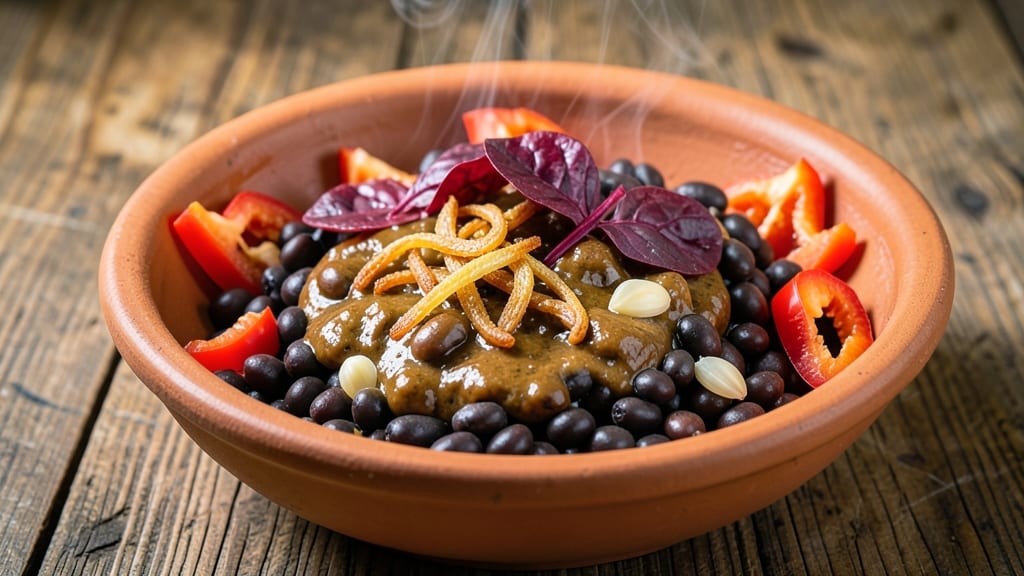
This Nigerian beans recipe delivers the smoky palm oil richness that defines West African cuisine in a single, flavor-packed pot. The combination of tender beans, leafy greens, and aromatic spices creates a dish that’s both hearty and deeply satisfying—perfect for serving with pounded yam or fufu.
I’ve perfected this recipe over years of cooking, ensuring every bite carries the bold flavors of home.
The foundation of this dish lies in its authentic ingredients: dried black-eyed peas or brown beans simmered until tender, leafy greens like spinach or bitterleaf for freshness, and a blend of spices including crayfish, locust beans, and peppers.
Palm oil adds that signature smoky depth, while onions and garlic build a rich, aromatic base. The slow simmering process transforms simple ingredients into a complex, flavorful stew.
What you’ll end up with is a rich, velvety stew with perfectly tender beans and greens, all infused with the earthy, smoky notes of palm oil. The texture is just right—creamy yet still hearty, with a balance of protein and vegetables that makes it a complete meal.
This dish is versatile enough for weeknight dinners or special occasions, and it freezes beautifully for later.
Serve it with your choice of sides—pounded yam, fufu, or even rice—to round out the meal. The leftovers taste even better the next day as the flavors deepen. Let’s bring the warmth of Nigerian cooking to your kitchen with this one-pot recipe.
Ingredients for nigerian beans
Authentic West African flavors start with these core ingredients for a rich, smoky bean stew.
| Ingredient | Amount | Notes |
|---|---|---|
| Dried Black-Eyed Peas 🌱 | 1 ½ cups | Rinsed before soaking |
| Red Palm Oil 🫒 | ½ cup | Unrefined for authentic flavor |
| Fresh Spinach 🌿 | 4 cups | Packed, stems removed |
| Yellow Onions 🧅 | 2 whole | Chopped into small pieces |
| Garlic Cloves 🧄 | 6 cloves | Minced for aromatic base |
| Fresh Red Bell Peppers 🌶️ | 2 whole | Diced, seeds removed |
| Dried Crayfish 🦀 | ¼ cup | Crushed for umami depth |
| Locust Beans (Iru) 🌿 | ½ cup | Crushed, traditional flavor |
| Dried Ginger 🌶️ | 1 tbsp | Ground for warmth |
| Ground Black Pepper 🌶️ | 1 tsp | Freshly ground preferred |
| Scotch Bonnet Peppers 🌶️ | 2 whole | Seeds removed, chopped |
| Fresh Thyme Leaves 🌿 | ¼ cup | Chopped, aromatic touch |
| Salt 🧂 | 1 ½ tsp | Adjust to taste |
| Water 💧 | 6 cups | For soaking and cooking |
| Vegetable Oil 🫒 | 2 tbsp | For sautéing onions |
The red palm oil is non-negotiable for that signature smoky depth—African markets or specialty stores carry the best quality. If you can't find it, unrefined coconut oil is a decent substitute, though it lacks the full flavor. For the locust beans (iru), Nigerian grocery stores or online African food shops stock them dried and ready to crush. Fresh spinach is ideal, but frozen works in a pinch—just thaw and drain well. The dried crayfish should be crushed finely for maximum umami release, and if you can't find it, shrimp or anchovy powder adds a similar depth.
No scotch bonnet peppers? Jalapeños or habaneros will bring heat, though the flavor won’t be identical. The locust beans can be skipped if unavailable, but the dish loses its traditional complexity. Fresh thyme is best, but dried thyme at half the amount works if you’re in a bind. For the black-eyed peas, brown beans or kidney beans can substitute, though cooking times may vary. The palm oil is heat-sensitive—store it in a cool, dark place to preserve its rich flavor, and once opened, use it within 3 months for peak quality.
This stew tastes even better the next day as the flavors meld. Portion into containers and refrigerate for up to 5 days, or freeze for 3 months for later use. The palm oil solidifies when cold—just warm it gently before serving. For extra richness, stir in a splash of palm oil or butter when reheating. Leftovers reheat beautifully on the stove with a splash of water to restore creaminess.
Why You'll Love This Recipe
- One pot turns into three meals: serve with rice now, stretch into soup later, or toss into fried plantains tomorrow. My kids’ favorite, honestly.
- No-Soak Needed: Dried black-eyed peas don’t require soaking—just a quick rinse and simmer. I’ve made this at least 20 times, and that step alone cuts prep time by half.
- Rich Without Effort: That red palm oil? It’s the secret—deep, earthy flavor with zero extra work. Just heat it, toss in onions, and let the aroma do the rest.
- Weeknight Crowd-Feeder: One pot turns into three meals: serve with rice now, stretch into soup later, or toss into fried plantains tomorrow. My kids’ favorite, honestly.
Step-by-step instructions for Nigerian beans
This one-pot method delivers deep, smoky flavors with minimal cleanup—every ingredient plays a role.
Soak and Parboil the Black-Eyed Peas
Place the 1.5 cups dried black-eyed peas in a large pot and cover with 6 cups water. Bring to a boil over medium-high heat, then reduce to a simmer for 2 minutes. Immediately drain and rinse under cold water to stop cooking. This quick parboil softens the peas slightly and removes excess starch, which prevents a gummy texture later.
Return the drained peas to the same pot and add fresh water to cover by 2 inches. Bring back to a boil, then reduce heat to medium-low and simmer uncovered for 45 minutes, stirring occasionally. The peas should be tender but still hold their shape—they should not fall apart when pressed between fingers. If they soften too quickly, reduce heat further to maintain even cooking. This foundational step ensures your beans won't turn mushy during the long simmer ahead.
Build the Flavor Base with Aromatics
While the peas simmer, heat the 2 tablespoons vegetable oil in a deep skillet or the same pot over medium heat. Add the 2 whole yellow onions, chopped into small pieces, and sauté for 5 minutes until they soften and begin to caramelize at the edges. This step develops sweetness that balances the richness of the palm oil later.
Add the 6 cloves garlic cloves, minced, and cook for 1 minute until fragrant. Stir in the 0.5 cup crushed locust beans (iru) and 0.25 cup crushed dried crayfish, toasting them for 2 minutes until the locust beans release their nutty aroma. This combination forms the umami backbone of the dish—don't skip the toasting or the flavor will be flat. Immediately pour in the 0.5 cup red palm oil and stir to coat the aromatics. The oil will bubble gently as it heats through.
Incorporate Spices and Peppers
Add the 1 tablespoon dried ginger, 1 teaspoon ground black pepper, and 2 whole scotch bonnet peppers (seeds removed, chopped) to the skillet. Stir for 1 minute until the spices bloom and the peppers soften slightly. Here's the thing—the scotch bonnet should infuse heat without overwhelming, so cook just until the raw pepper aroma fades but before it burns.
Carefully pour the spiced oil mixture into the simmering pot with the black-eyed peas. Stir well to distribute the flavors evenly. Add the 1.5 teaspoons salt and 0.25 cup fresh thyme leaves, then return the pot to a gentle simmer. Partially cover and cook for 30 minutes, stirring occasionally to prevent sticking. The beans should be fully tender now, absorbing all the smoky, spiced oil.
Finish with Vegetables and Adjust Seasoning
Add the 2 whole fresh red bell peppers, diced, and 4 cups fresh spinach to the pot. Stir gently to combine, then simmer uncovered for 10 minutes. The spinach will wilt dramatically, and the bell peppers should soften but retain some texture. Taste the mixture and adjust seasoning—you may need an additional pinch of salt to balance the palm oil's richness, especially if your spinach was particularly fresh.
The sauce should coat the back of a spoon with a velvety consistency, thanks to the natural starch released from the peas and locust beans. If it's too thick, add 2-3 tablespoons water to loosen it. Remove from heat and let it sit for 5 minutes—this resting period allows flavors to meld completely. The final dish should have a deep red hue from the palm oil, with visible pieces of crayfish and locust beans adding texture and umami depth.
Pro Tips For Making Nigerian Beans
- Toast the Locust Beans: Skip this step at your peril—I’ve made that mistake. The 2 minutes of toasting the 0.5 cup crushed locust beans with the crayfish is what unlocks their nutty, earthy depth. If you rush it, you’ll end up with a bland, one-dimensional sauce. Trust the process, even if it smells weird at first.
- Parboil, Then Rinse: That 2-minute boil followed by a cold water rinse isn’t just for show. It blunts the starch that would otherwise turn your 1.5 cups of black-eyed peas into mush later. I used to skip it and always ended up with a gluey, sad stew. Do it, or regret it.
- Low and Slow for Peas: The 45-minute simmer at medium-low isn’t a suggestion—it’s the difference between tender peas and overcooked mush. If your pot starts boiling hard, drop the heat further. I learned this after burning through three batches where the peas disintegrated. Patience here saves cleanup later.
- Salt the Spinach Last: Add the 4 cups of spinach right before the final 10-minute simmer, and taste then for salt. Fresh spinach hides flavor, and you’ll almost always need that extra pinch to cut through the palm oil’s richness. I used to salt early and ended up with a dish that tasted flat. Wait until the end.
Flavor customization for this recipe
Spicy Heat Boost
If you love a kick, swap the Scotch Bonnet peppers for 3 habanero peppers (seeds removed) or add 1-2 teaspoons of Penzeys Ghost Pepper Sauce for extra fire. I like to stir in ½ teaspoon cayenne pepper at the end for subtle heat that lingers.
The palm oil’s smokiness pairs beautifully with the pepper’s sharpness—just taste as you go! 🌶️
Creamy Palm Oil Twist
For a richer texture, blend ½ cup of the cooked beans with ¼ cup water until smooth, then stir it back into the pot. This creates a velvety base that coats every bite.
I also add 2 tablespoons of coconut milk at the end for a subtle tropical note that balances the earthy flavors. It’s like a cross between stew and curry!
Protein Upgrade
Want more protein? Toss in 1 lb smoked sausage (like Andouille or kobe sausage) during the final 10 minutes of cooking, or add ½ lb shrimp in the last 5 minutes.
The sausage adds depth, while shrimp brings a delicate sweetness that contrasts the beans’ heartiness. I always save the best for last!
Leafy Green Swap
Swap the spinach for bitterleaf or pumpkin leaves if you can find them—both add a unique bitterness that cuts through the richness. If using frozen greens, thaw and drain them well to avoid a watery stew.
I also love adding 1 cup chopped kale for extra texture and nutrients. The greens should wilt but still hold some bite!
Smoky Depth Boost
For extra smokiness, add 1 smoked paprika or ½ teaspoon liquid smoke when sautéing the onions. I also like toasting ½ cup pounded peanuts in the oil with the onions for a nutty crunch.
The peanuts add protein and a satisfying texture that makes this dish even more satisfying. It’s like a nutty, smoky hug in every spoonful!
Nutrition facts
Frequently asked questions
Can I use brown beans instead of black-eyed peas?
Yes, brown beans or kidney beans work perfectly! They'll need about 5-10 minutes longer to reach the same tender texture. The key is maintaining a gentle simmer to prevent them from breaking down. Just monitor closely during the 45-minute cooking time and adjust accordingly.
What's the best substitute for red palm oil?
For authentic flavor, nothing beats red palm oil, but you can use unrefined coconut oil as a substitute. It won't have the exact smoky depth, but it adds richness. If you can't find either, a mix of olive oil + smoked paprika (½ tsp) works surprisingly well. Just remember to reduce other fats slightly to balance the dish.
How do I prevent the beans from getting mushy?
Start with a quick 2-minute parboil to soften the peas slightly, then drain and rinse immediately. This removes excess starch. During simmering, keep the heat at medium-low and stir occasionally to prevent sticking. Avoid overcrowding the pot—cook in batches if needed. The beans should be tender but still hold their shape when pressed.
Can I make this recipe without crayfish?
Skip the crayfish and boost umami with 1 tbsp soy sauce or ½ cup anchovy powder instead. For a vegetarian option, use 1 tbsp mushroom powder or an extra ½ tsp smoked paprika. The dish will still be flavorful, though the texture will be slightly different without the crayfish's crunchy bits.
How long will leftovers keep in the fridge?
This stew tastes even better the next day! Store in an airtight container in the fridge for up to 5 days. The flavors deepen as the palm oil and spices meld further. When reheating, add 2-3 tbsp water to restore creaminess. For longer storage, freeze for up to 3 months—just thaw overnight in the fridge.