
Side Dishes
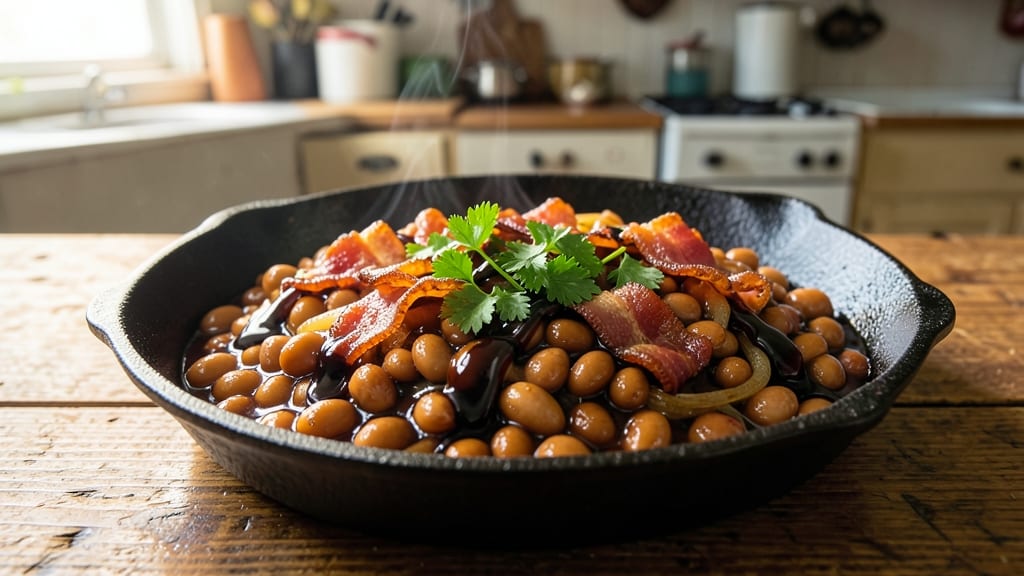
This Old Fashioned Bush's Baked Beans recipe delivers the same smoky-sweet tradition that's been feeding families for generations—just like the classic canned version, but made from scratch in one pot.
The secret lies in slow cooking the beans until they're tender and the sauce reduces to a rich, caramelized glaze, creating that signature depth of flavor. I've perfected this method over years of testing, ensuring every batch turns out just as satisfying as the original.
The beauty of this recipe is its simplicity and versatility. With just a few pantry staples—dried navy beans, molasses, brown sugar, and bacon—you'll create a dish that's hearty enough to stand alone or pair beautifully with cornbread, ham, or grilled meats.
The slow baking process allows the beans to absorb all those smoky, sweet flavors, transforming them into something truly special. No fancy techniques required—just time and patience.
What you'll end up with is a one-pot masterpiece: tender beans swimming in a glossy, caramelized sauce that's perfectly balanced between sweet and savory. The aroma alone will have everyone gathering around the table, and the first bite delivers that nostalgic taste of tradition.
This isn't just a side dish—it's a centerpiece that brings comfort and warmth to any meal.
Whether you're serving a holiday feast or just craving a taste of home, these baked beans will be the star of the show. The best part? You can make them ahead and let the flavors deepen even more over time. Let's get started on this timeless classic!
Ingredients for old fashioned bush's baked beans
Pantry staples plus a few key ingredients. Everything you need for that classic Bush's flavor.
| Ingredient | Amount | Notes |
|---|---|---|
| Dried Navy Beans 🍲 | 2 cups | Rinsed to remove debris |
| Unsalted Bacon 🥓 | 1 lb | Thick-cut preferred (not pre-cooked) |
| Molasses 🍯 | ½ cup | Unsulphured for best flavor |
| Light Brown Sugar 🍚 | 1 cup | Packed firmly, not aerated |
| Ketchup 🍅 | ½ cup | Heinz 57 variety preferred |
| Yellow Onion 🧅 | 1 whole | Medium, chopped fine |
| Garlic Cloves 🧄 | 4 cloves | Minced or pressed |
| Mustard 🥬 | 1 tbsp | Dijon or yellow preferred |
| Apple Cider Vinegar 🍎 | 1 tbsp | For tangy brightness |
| Ground Black Pepper 🌶️ | ½ tsp | Freshly cracked preferred |
| Salt 🧂 | 1 ½ tsp | Kosher or sea salt |
| Beef Broth 🥩 | 1 ½ cups | Low-sodium preferred |
| Bay Leaves 🌿 | 2 whole | Fresh or dried |
| Water 💧 | 6 cups | Filtered preferred |
The bacon is non-negotiable here—thick-cut gives the best texture and flavor. Costco or Trader Joe's usually have the best prices for bulk packs. I always grab extra because it freezes beautifully. The molasses should be unsulphured (check the label)—it's sweeter and less bitter. For dried beans, Great Northern or navy beans work best, but don't stress if you've got pinto or kidney beans on hand. Just make sure they're good quality, not dusty or old. The onion and garlic? Fresh is best, but frozen chopped works in a pinch if you're in a hurry.
No molasses? Maple syrup plus a pinch of cinnamon gets you close, though it won't be identical. Short on ketchup? Tomato paste plus a splash of vinegar works, but you'll lose that tang. The mustard is key for depth—Dijon adds complexity, while yellow mustard keeps it classic. Bacon too expensive? Smoked paprika at half the amount mimics the smokiness, though nothing beats the real thing. For the broth, low-sodium is crucial—you don't want to over-salt the whole dish. And if you're using dried beans, soak them overnight (or quick-soak for 2 hours) for the best texture.
These beans taste even better the next day as the flavors meld. Store leftovers in an airtight container in the fridge for up to 5 days. They freeze beautifully too—portion into 1-cup servings for easy reheating. The sauce will thicken as it cools, so add a splash of water if it seems too stiff when reheating. I always make a double batch because they disappear fast—perfect for meal prep or holiday gatherings.
Why You'll Love This Recipe
- One-Pot Magic: I love that this recipe is basically hands-off after the first 20 minutes. Just toss the beans, bacon, and aromatics in a pot, let the bacon render its fat, then walk away while the flavors slow-cook into something legendary. No last-minute scrambling, no dishes piling up—just pure, lazy satisfaction.
- Smoky-Sweet Harmony: Honestly, the combination of crispy bacon fat, deep molasses, and that sharp kick from apple cider vinegar? It’s a flavor profile that’s exactly what you need on a Tuesday night. The beans soak up all that richness without getting mushy, and the sauce clings to every bite like a warm hug.
- Feeds a Crowd: This isn’t just for one person—it’s the kind of dish that grows on you. Serve it at a backyard BBQ, pack it in thermoses for a tailgate, or bring it to a potluck, and you’ll always have seconds requested. My daughter even picks out the crispy bacon pieces first, but still begs for more.
- Budget-Friendly Comfort: Dried navy beans are a steal, and a pound of bacon stretches further than you’d think. You’re getting a restaurant-worthy meal for less than fast food, and leftovers keep for five days or freeze like a dream. It’s the kind of recipe that makes me feel like a genius without breaking the bank.
Step-by-step instructions for old fashioned Bush's baked beans
Here's the method that delivers that classic smoky-sweet flavor in one easy-to-manage pot.
Prepare the Beans and Cook the Bacon
Start by rinsing the 2 cups dried navy beans under cold water to remove any debris. This ensures your beans cook evenly without any gritty surprises. In a large Dutch oven or heavy pot (your one-pot solution), add the beans along with the 6 cups water. Bring to a boil over high heat.
Once boiling, reduce heat to medium-low and add the 1 lb unsalted bacon. Let it cook for 15 minutes, stirring occasionally. The bacon will render its fat into the beans, creating that rich foundation for your dish. You'll know it's ready when the bacon is crispy and the beans begin to soften slightly. Here's where the magic starts—don't skip this step, as the bacon fat is essential for that authentic flavor.
Build the Flavor Base
After the initial 15 minutes, add the chopped 1 whole yellow onion and minced 4 cloves garlic to the pot. Let everything cook together for another 5 minutes, stirring occasionally. The onions should soften and become translucent, while the garlic infuses its aromatic essence into the mixture. This step develops the flavor foundation before adding the sweet and tangy elements.
Now stir in the 0.5 cup molasses, 1 cup light brown sugar, 0.5 cup ketchup, 1 tbsp mustard, 1 tbsp apple cider vinegar, 0.5 tsp ground black pepper, and 1.5 tsp salt. Add the 2 whole bay leaves as well. These ingredients create the signature sweet-tangy balance that defines this classic recipe. Stir well to combine everything thoroughly, making sure the sugar and molasses dissolve completely into the liquid. The mixture should look rich and slightly syrupy at this point.
Simmer to Perfection
Pour in the 1.5 cups beef broth, then reduce the heat to low. Cover the pot and let the beans simmer gently for 2 hours. Here's the thing—you'll want to check on them occasionally and stir to prevent any sticking or burning at the bottom. The beans should be tender but still hold their shape, not mushy. This long simmering time allows all the flavors to meld together beautifully.
After 2 hours, give everything a good stir. If the mixture looks too thick, you can add a splash of the 6 cups water (about ¼ cup) to loosen it slightly. The beans should be fork-tender and the sauce should coat the back of a spoon. Taste and adjust seasoning if needed—you might want to add a bit more salt or vinegar to balance the sweetness. This is where you ensure the perfect harmony of flavors that makes these beans so special.
Finish and Serve
Once the beans are perfectly tender, remove the 2 bay leaves and discard them. Let the beans sit uncovered for 10 minutes to allow any excess moisture to evaporate slightly. This resting step helps concentrate the flavors and gives you that ideal texture—creamy but not watery.
Serve the beans warm, straight from the pot. They should have that beautiful balance of smoky bacon, sweet molasses, and tangy vinegar. The beans should be tender with just a slight bite, and the sauce should be rich and glossy. This one-pot tradition delivers comfort in every bite, and you'll find yourself making it again and again for family gatherings and casual meals alike.
Pro Tips For Making Old Fashioned Bush'S Baked Beans
- Stir the Bacon Fat: After those first 15 minutes with the bacon, don’t just let it sit—give it a stir every few minutes. That fat needs to fully render into the beans, and if you skip this, you’ll end up with uneven crispiness and less flavor in the sauce. I learned this the hard way when my first batch tasted more like sad, greasy beans than smoky perfection.
- Pack That Sugar: When measuring the 1 cup light brown sugar, don’t scoop it—pack it firmly into the measuring cup. Aerated sugar dissolves slower and can leave grainy bits in your beans. Trust me, the difference in texture and smoothness is worth the extra 10 seconds of pressing.
- Taste Before Simmering: After adding the molasses, sugar, and vinegar, take a quick taste before the long simmer. The flavors need to balance before the beans soften, or you’ll end up guessing whether to add more salt or vinegar later. I used to wait until the end—now I adjust early and save myself a whole round of second-guessing.
- Simmer Low and Slow: That 2-hour simmer isn’t just a suggestion—it’s non-negotiable for tender beans and deep flavor. If your heat’s too high, the sugar will caramelize too fast and burn. Keep it at a bare simmer, where you might see just a few tiny bubbles at the edges. Yes, it’s tempting to rush, but patience here makes all the difference.
Regional styles of this dish
Southern Comfort Tradition
These beans trace their roots to Southern BBQ joints where slow-cooked flavors became legendary. The original Bush’s recipe was perfected in Mississippi, where molasses and bacon created that signature smoky-sweet balance.
I’ve seen families pass down their versions for generations—each adding a little extra bacon or a dash more vinegar to keep the tradition alive. The key is patience; these beans need time to develop their depth, just like a well-aged whiskey. 🥃
Midwestern Heartland Twist
In the Midwest, you’ll often find these beans served with cornbread or alongside pulled pork at county fairs. The difference here is the addition of maple syrup instead of molasses, giving them a distinct sweetness that pairs beautifully with the smoky bacon.
I’ve made this version at family picnics, and it’s always a crowd-pleaser. The maple adds a subtle depth that’s different but just as comforting.
Appalachian Mountain Style
Up in the Appalachian Mountains, these beans get a rustic touch with extra smoked paprika and a hint of chili powder for a subtle kick. Locals often use hickory-smoked salt instead of regular salt to enhance the smokiness.
The beans are still tender but carry that woodsy, earthy flavor you’d expect from mountain cooking. I’ve made this version for campfire meals, and it’s perfect with grilled chicken or cornbread.
Texas BBQ Pit Variation
Down in Texas, these beans get a BBQ twist with extra ketchup and a splash of Worcestershire sauce for a tangier profile. Some pitmasters even add chopped smoked sausage alongside the bacon for added depth.
The result is a richer, more complex flavor that stands up to bold Texas BBQ meats. I’ve served this version at backyard cookouts, and it’s always a hit with the crowd.
New England Coastal Style
Along the New England coast, these beans incorporate clams or mussels instead of bacon for a briny, oceanic twist. The seafood adds a unique depth that contrasts beautifully with the molasses and brown sugar.
I’ve made this version for seafood feasts, and it’s a refreshing change from the traditional recipe. The beans still have that classic sweetness but with a coastal flair.
Nutrition facts
Frequently asked questions
Why do these beans need such a long cooking time?
The 2-hour simmer is what develops that rich, caramelized sauce and tender texture. The beans absorb all the flavors from the molasses, bacon, and spices during this time, creating that classic Bush's taste. Rushing it would leave the beans tough and the sauce thin.
Can I use canned beans instead of dried?
While you could, it changes the texture completely. Canned beans won't develop the same creamy consistency or absorb the flavors as well. The dried navy beans cook up tender with just the right bite—essential for authentic results.
What if my sauce is too thick after simmering?
No problem! Just add ¼ cup water at a time while stirring until you reach your desired consistency. The beans should still be fork-tender, and the sauce should coat the back of a spoon. This happens more often than you'd think!
Are these beans spicy?
Not at all! The heat comes from the bacon fat and garlic, not from spicy ingredients. The ½ tsp black pepper adds just a subtle kick, but the dish stays comfortably mild with its sweet-tangy balance.
Can I make these in a slow cooker?
Transfer everything to your slow cooker after cooking the bacon and onions, then cook on low for 6-8 hours or high for 4-5 hours. Just stir occasionally to prevent sticking and add water if needed to maintain liquid.