
Side Dishes
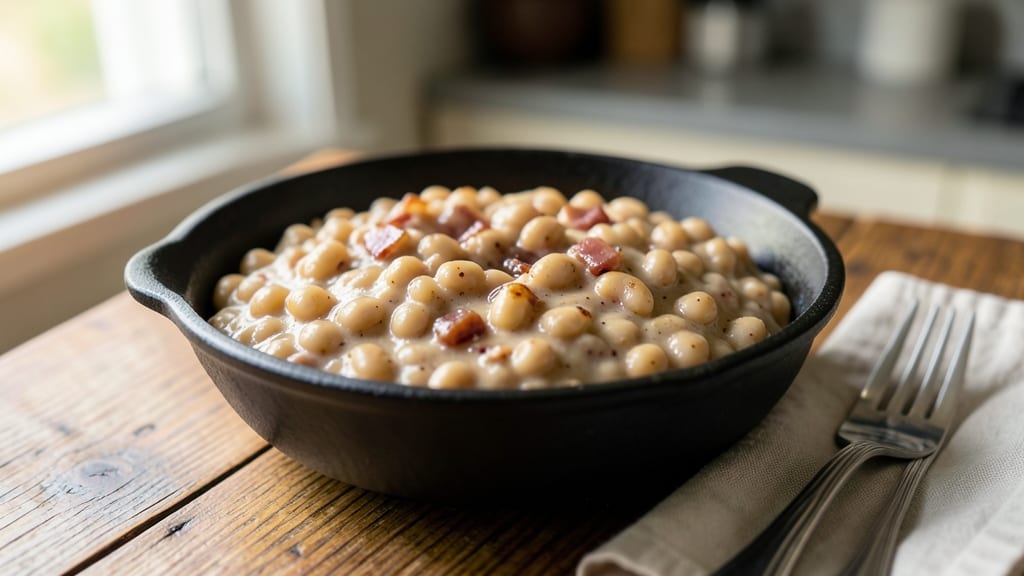
This Southern beans recipe transforms humble ingredients into a deeply flavorful dish that tastes like a Sunday supper. The secret lies in slow-cooking with a ham hock, which infuses the beans with smoky, savory depth that no shortcut can match.
I first discovered this technique at my great-aunt's kitchen table in Georgia, where she'd let the beans simmer all day while we visited—each bite carried stories and tradition.
The process is simple but requires patience: dried beans soak overnight, then simmer for hours with aromatics until tender and infused with ham flavor. This method builds layers of taste through slow cooking—no rushed shortcuts here.
The result is beans so rich and satisfying they'll disappear from your plate before the conversation does, making them perfect for family gatherings or a comforting weeknight meal.
What you'll end up with is a pot of beans that's velvety, smoky, and packed with depth—each spoonful carries the essence of Southern cooking.
The ham hock dissolves into the beans, leaving behind just enough meat to add texture, while the slow simmer develops a sauce that clings to every bean. This isn't just a side dish; it's the heart of the meal, the kind that makes people linger at the table.
Serve these beans alongside cornbread, grilled meats, or even as a standalone dish with crusty bread for soaking up every last drop. The recipe scales easily, so you can make a small batch for two or a large pot for a crowd.
Let's get started on creating beans that taste like home.
Ingredients for southern beans
Pantry staples and one special ingredient—ham hock—that turn simple beans into a smoky, savory masterpiece.
| Ingredient | Amount | Notes |
|---|---|---|
| Dried Navy Beans 🌾 | 2 cups | Uncooked, rinsed well |
| Ham Hock 🥓 | 2 whole | Smoked, skin-on preferred |
| Onion 🧅 | 1 whole | Yellow or white, chopped |
| Garlic Cloves 🧄 | 4 cloves | Peeled, smashed |
| Celery Stalks 🥬 | 3 whole | Chopped, not pre-shredded |
| Bell Pepper 🍅 | 1 whole | Green, chopped |
| Bay Leaves 🌿 | 2 whole | Dried, standard size |
| Thyme Sprigs 🌿 | 2 whole | Fresh, or 1 tsp dried |
| Salt 🧂 | 2 tsp | Kosher or sea salt |
| Black Peppercorns 🌶️ | ½ tsp | Freshly cracked |
| Apple Cider Vinegar 🍎 | 1 tbsp | For brightness |
| Brown Sugar 🍯 | 2 tbsp | Light or dark |
| Water 💧 | 8 cups | Filtered preferred |
The ham hock is non-negotiable here—smoked is key for that authentic Southern flavor. Butcher shops or the deli counter usually have them, though some grocery stores carry them too. Look for ones with good marbling and that smoky aroma. If you can't find smoked, regular ham hock will work but won't have that deep, campfire-like taste. The beans? Navy beans are traditional, but pinto or great northern work too. Just make sure they're dried—not canned. Soak them overnight in plenty of water to soften them up (about 8-12 hours).
No ham hock? Smoked paprika plus a splash of liquid smoke can mimic the flavor, though it won't be the same. Fresh thyme is ideal, but dried works at half the amount. The apple cider vinegar adds a nice tang—white vinegar or lemon juice in a pinch. For the veggies, pre-shredded celery or onion from the bag is fine, but chopping fresh gives better texture. If you're short on time, skip the soak and use canned beans (drained and rinsed), but the flavor won't be as deep. The brown sugar balances the smokiness—white sugar is fine, but it lacks that caramel note.
These beans taste even better the next day as the flavors meld. Store leftovers in the fridge for up to 5 days in an airtight container. For longer storage, freeze portions for up to 3 months. I like to make a big batch and freeze half—perfect for lazy weeknights. When reheating, add a splash of water or broth to keep them from drying out. Serve with cornbread or crusty bread to soak up every last bit of that smoky goodness.
Why You'll Love This Recipe
- Overnight Magic Hack: Soaking those navy beans overnight? Game-changer. I used to rush it and end up with mushy, sad beans, but now I just toss them in the fridge the night before and wake up to perfect, tender bites—no fuss, just flavor.
- Ham Hock Happiness: The ham hock isn’t just an ingredient—it’s the star. That smoky, fatty goodness renders into the broth and turns simple beans into something dangerously addictive. Between us, I’ll eat the beans straight from the pot with just a fork if I’m feeling lazy.
- Feed a Crowd, No Stress: This isn’t just a meal—it’s a feast. I double the recipe for game days or family dinners, and it’s still easy to reheat. Plus, the flavors get richer with time, so leftovers? Even better than the first serving. Five days in the fridge won’t phase this.
- Budget’s Best Kept Secret: Dried navy beans and a ham hock? This is the kind of dish that makes me feel like a genius. For less than $10, I get a pot of soul-warming goodness that’ll last forever. My wallet and my belly both thank me—no takeout regrets here.
Step-by-step instructions for Southern beans with ham hock
Here's the method that delivers that signature Southern richness—smoky, tender, and packed with flavor.
Soak the Beans Overnight (Don't Skip This!)
Place the 2 cups dried navy beans in a large bowl and cover them with plenty of cold water—at least 4 inches above the beans. Let them soak overnight (or at least 8 hours) in the refrigerator. This step is crucial because it shortens cooking time and prevents those tough, dry beans.
The next morning, drain and rinse the beans thoroughly under cold water. You'll notice they've doubled in size and feel much softer between your fingers. This is your signal they're ready for the pot. If you forget to soak them ahead, you can soak them for 2 hours on the stove with the ham hock, but overnight soaking gives you the best texture.
Build the Flavor Base in the Pot
In a large Dutch oven or heavy pot, add the 2 whole ham hock, 1 whole chopped onion, 3 whole chopped celery stalks, 1 whole chopped bell pepper, 4 smashed garlic cloves, 2 whole bay leaves, and 2 whole thyme sprigs. This is where all the magic starts—these aromatics will infuse the beans with deep, smoky flavor from the ham hock.
Pour in the 8 cups water and bring everything to a boil over high heat. Once boiling, reduce the heat to medium-low and let it simmer uncovered for 30 minutes. This allows the ham hock to render its fat and the vegetables to soften, creating a flavorful broth. You'll see the liquid reduce slightly and the ham hock start to curl up—this is perfect.
Add the Beans and Season
Add the drained 2 cups soaked navy beans to the pot along with the 2 tsp salt and 0.5 tsp freshly cracked black peppercorns. Stir gently to combine, making sure the beans are submerged in the broth. The beans should be about 1 inch below the water level—if not, add a little more water.
Bring the mixture back to a gentle boil, then immediately reduce the heat to low. Cover the pot and let it simmer for 1 hour, stirring occasionally to prevent the beans from sticking to the bottom. The beans are done when they're tender but still hold their shape—you should be able to mash one between your fingers with just slight resistance.
Finish with Sweet and Tangy Notes
After the initial hour, stir in the 1 tbsp apple cider vinegar and 2 tbsp brown sugar. The vinegar brightens the dish, cutting through the richness of the ham hock, while the brown sugar adds a subtle sweetness that balances everything. Let the beans simmer uncovered for another 20-30 minutes, stirring occasionally, until the liquid has reduced to a thick, saucy consistency.
You'll know it's ready when the beans are completely tender and the sauce clings to them like a thick, glossy coating. Taste and adjust the seasoning if needed—you might want to add a pinch more salt or a splash of vinegar for brightness. The ham hock should be falling off the bone, ready to be picked apart and mixed back into the beans.
Rest and Serve with Crispy Ham Hock
Remove the pot from heat and let the beans rest for 10 minutes. This resting period allows the flavors to meld together and the beans to absorb any remaining liquid. Use a slotted spoon to remove the ham hock and pick off any remaining meat, discarding the bones and tough skin. Chop the meat into bite-sized pieces and stir it back into the beans.
Serve the beans warm, straight from the pot, with cornbread or crusty bread to soak up that delicious sauce. The beans should be tender, the broth rich and flavorful, and every bite should deliver that perfect balance of smoky, sweet, and tangy notes. Leftovers keep well in the refrigerator for up to 5 days, and they actually taste even better the next day as the flavors deepen.
Pro Tips For Making Southern Beans
- SOAK BEANS OVERNIGHT: I learned this the hard way—skipping the soak leaves you with beans that stay stubbornly tough no matter how long you simmer. Toss them in water with a pinch of baking soda (yes, really) and let them sit 12+ hours. The baking soda softens their skins faster than plain water ever will.
- BROWN THE HAM HOCK: That ham hock isn’t just for flavor—it’s for depth. Sear it skin-side down in a dry pot until the edges crisp and the fat renders golden. The Maillard reaction here makes all the difference, even if you’re just using it as a broth booster. (And yes, even if you’re impatient like me.)
- CHOP CELESTIAL TRIAD FINELY: Southern beans rely on the "holy trinity" (onion, celery, garlic) for that rich, layered taste. Dice the onion into 1/4-inch pieces, the celery into matchsticks, and mince the garlic so fine it’s almost paste. Anything bigger sits like chunks in your final dish—no one wants that.
- SIMMER LOW AND LONG: After the initial boil, drop the heat to a bare simmer—you should see maybe two bubbles at a time. Rushing this turns beans mushy and makes the ham hock fall apart before it’s ready. Two hours minimum, three if your beans are extra stubborn. (Your future self will thank you.)
Troubleshooting this dish
Beans Too Hard?
If your beans are still tough after simmering for 1 hour, it’s likely they weren’t soaked long enough. Dried beans need 8+ hours of soaking to soften properly. If you skipped soaking, try adding 1 tsp baking soda to the pot during cooking—it helps break down tough fibers.
I once forgot to soak beans and ended up with a pot of rubbery beans until I added baking soda halfway through! Stirring occasionally also prevents them from sticking to the bottom and becoming tough.
Broth Too Thin?
When the liquid evaporates too fast, you’ll end up with beans that taste dry. Keep the heat on medium-low and avoid peeking at the pot—every time you lift the lid, moisture escapes. If the broth is too thin after simmering, reduce it uncovered for 10-15 minutes until it thickens.
I like to add a splash of water or broth if it looks too dry, but don’t overdo it—you want a saucy consistency, not soup!
Ham Hock Not Falling Apart?
If your ham hock resists breaking down, it might not be smoked enough. Look for ones with good marbling and a strong smoky aroma—some grocery stores carry them near the deli. If yours is tough, simmer it in the broth for an extra 30 minutes before adding the beans.
I’ve also found that using a heavy-bottomed pot helps distribute heat evenly, so the ham hock cooks through without burning.
Beans Too Salty?
Salt is easy to overdo, especially if you’re adjusting seasoning as you go. Taste the broth before adding the beans—if it’s already salty, reduce the 2 tsp salt to 1 tsp.
Once the beans are done, let them rest for 10 minutes before tasting, as flavors meld during that time. If it’s still too salty, dilute with a little water or broth. I’ve learned to taste frequently to avoid this mistake—trust me, it’s worth it!
Beans Tasting Bland?
If your beans lack depth, the issue is usually in the flavor base. Make sure the ham hock, onions, celery, and bell pepper simmer for 30 minutes before adding the beans—the aromatics need time to infuse the broth.
If you’re short on time, add a pinch of smoked paprika or a splash of liquid smoke to mimic the smokiness. I also like to add a dash of hot sauce or a sprinkle of red pepper flakes at the end for a little kick.
Nutrition facts
Frequently asked questions
Why does this recipe call for overnight soaking of the beans?
Overnight soaking ensures your 2 cups dried navy beans soften properly and cook evenly—it cuts 1 hour off simmering time. Skipping this step risks tough, uneven beans. If you forget, soak them for 2 hours on the stove with the ham hock instead. Trust me, the patience pays off!
Can I substitute dried beans with canned ones?
Canned beans work in a pinch, but they lack the depth of flavor and texture from dried. If you use them, drain and rinse thoroughly, then add 1 tbsp apple cider vinegar and 2 tbsp brown sugar at the end to mimic the recipe’s tangy-sweet balance. The ham hock’s smokiness still shines through!
What if my ham hock isn’t falling apart?
Check if your ham hock is smoked—unsmoked versions resist breaking down. Simmer it alone in the broth for an extra 30 minutes before adding beans. A heavy-bottomed pot also helps cook it evenly without burning.
How do I adjust the seasoning if the beans taste bland?
First, ensure the ham hock and aromatics (onion, celery, bell pepper) simmered 30 minutes before adding beans. If still bland, stir in ½ tsp smoked paprika or a splash of liquid smoke at the end. A dash of hot sauce or red pepper flakes adds a welcome kick!
Can I make this recipe ahead of time?
These beans taste even better the next day as flavors deepen. Store leftovers in an airtight container for up to 5 days in the fridge. For longer storage, freeze portions for up to 3 months. Just reheat with a splash of water or broth to restore moisture.