
Beverages
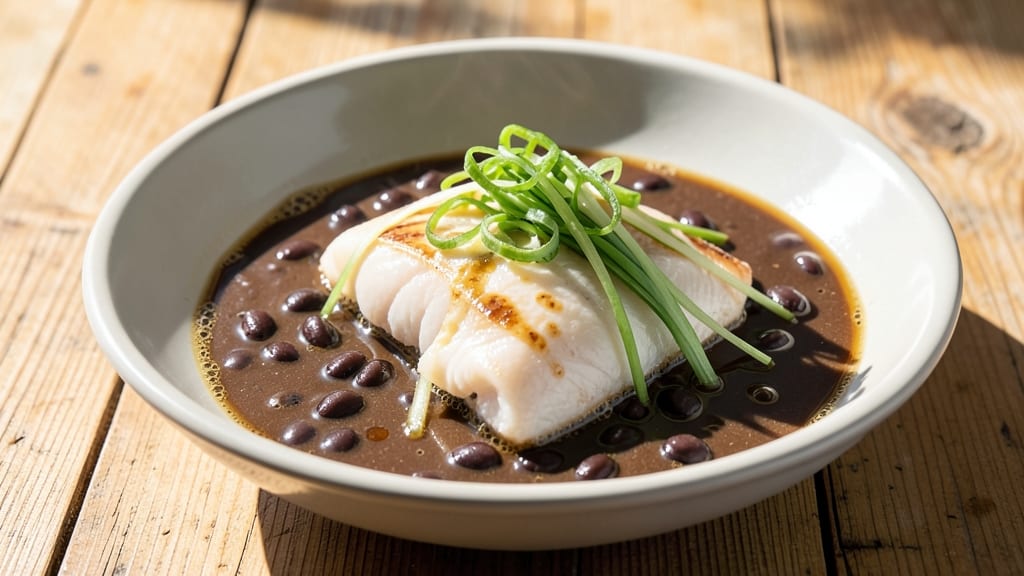
This steamed fish with black beans recipe delivers a light yet deeply flavorful one-pot meal that balances protein, fiber, and delicate seasoning in perfect harmony.
The technique relies on gentle steaming to preserve the fish's natural tenderness while allowing the black beans to absorb aromatic flavors—no heavy sauces or frying required. I developed this after realizing how often restaurant-quality seafood dishes could be recreated at home with minimal effort and maximum impact.
The beauty of this method lies in its simplicity: whole fish (or fillets) and pre-soaked black beans steam together in a single pot, infused with ginger, scallions, and a touch of soy sauce for umami depth.
What makes it work is the 30-minute steaming time, which ensures the fish stays moist while the beans develop a satisfying texture. The result is a dish that feels restaurant-worthy but requires just one pot and 15 minutes of prep.
By the time you serve it, you'll have a plate featuring tender, flaky fish with crisp edges and firm yet creamy black beans, all bathed in subtle aromatic notes.
The dish pairs beautifully with steamed bok choy or a quick ginger-scallion sauce, creating a complete meal that's both satisfying and balanced. Perfect for weeknight dinners or pescatarian gatherings, this recipe proves one-pot meals can be elegant without being complicated.
For extra authenticity, I recommend finishing with a drizzle of soy-ginger glaze or fresh cilantro—simple touches that elevate the dish without overpowering its natural flavors. The method scales easily too, making it ideal for feeding a crowd while keeping prep manageable. Let's bring this harmonious dish to your table.
Ingredients for steamed fish with black beans
Pantry staples meet delicate seafood in this elegant one-pot harmony of steamed fish and black beans.
| Ingredient | Amount | Notes |
|---|---|---|
| White Fish Fillets 🐟 | 1 ½ lb | Firm white fish like cod or halibut |
| Dried Black Beans 🌱 | 1 ½ cups | Soaked overnight, drained |
| Fresh Ginger 🧅 | 2 tbsp | Finely grated, aromatic |
| Green Onions 🧅 | ½ cup | Sliced thin, white and green parts |
| Light Soy Sauce 🥄 | 2 tbsp | Low-sodium preferred |
| Sesame Oil 🫒 | 1 tbsp | Toasted sesame for aroma |
| Garlic Cloves 🧄 | 3 cloves | Minced, aromatic |
| Star Anise 🌶️ | 1 whole | Optional, for depth |
| Bay Leaves 🍃 | 2 whole | Fresh preferred |
| Water 💧 | 4 cups | Filtered preferred |
| Salt 🧂 | 1 tsp | Diamond Crystal kosher |
| White Pepper 🌶️ | ½ tsp | Freshly ground |
| Fresh Cilantro 🌿 | ¼ cup | Chopped, for garnish |
| Lime Juice 🍋 | 1 tbsp | Freshly squeezed |
The fish selection is critical—opt for cod, halibut, or snapper for their firm texture that holds up beautifully during steaming. Your local seafood market or Whole Foods fish counter will have the freshest options, but the frozen section at Trader Joe's works too if you're short on time. Look for fillets with a vibrant color and minimal odor—this ensures maximum tenderness. The black beans should be organic if possible, as they absorb flavors more cleanly. Soak them overnight in plenty of water (at least 8 cups for 1.5 cups dried) to ensure they're tender but not mushy after steaming. Fresh ginger and garlic are non-negotiable for authentic flavor—Penzeys Spices carries excellent quality if you prefer pre-minced options.
No fresh ginger? Substitute 1 tbsp ginger paste or a dash of ground ginger, but the flavor won't be as bright. Running short on sesame oil? Avocado oil at half the amount works in a pinch, though it lacks the signature aroma. Star anise is optional but adds depth—if you omit it, increase the garlic slightly to compensate. For the soy sauce, low-sodium versions prevent over-salting the delicate fish. The green onions can be swapped for scallions or chives, though green onions provide the best balance of mildness and sharpness. Fresh cilantro is ideal for garnish, but if you're using dried, reduce the amount to one-third of fresh measurements.
This dish reheats beautifully—simply cover and steam for 5-7 minutes over boiling water to revive its tenderness. Store leftovers in an airtight container in the fridge for up to 3 days, though the fish may become slightly drier after the first day. For longer storage, freeze portions in a single layer before transferring to a freezer bag for up to 2 months. When serving, always finish with a squeeze of fresh lime juice and a sprinkle of cilantro—this brightens the flavors and adds a restaurant-quality touch. The steaming liquid can be repurposed as a light broth for noodles or rice, maximizing your ingredients' potential.
Why You'll Love This Recipe
- One-Pot Magic: That star anise and bay leaves? They do all the work while you prep the fish. No last-minute cleanup—just one skillet, one spatula, and a meal that tastes like you spent hours slaving away.
- Citrus-Kissed Surprise: The lime juice and sesame oil turn plain white fish into something almost luxurious. That bright acidity cuts through the richness of the black beans, and honestly? The first bite always makes me pause like, "Wait, did I just make this?"
- Leftover Hero: I’ll admit, the fish gets a little firmer after day two, but the black beans? Still creamy and packed with flavor. Freeze portions of the beans alone, and you’ve got a backup for stir-fries or soups—no waste, just pure efficiency.
- Budget Meets Bold: Dried black beans stretch this into a filling meal without breaking the bank. Add a side of steamed greens, and you’ve got a weeknight dinner that feels special—like you’re treating yourself, even on a Tuesday night.
Step-by-step instructions for steamed fish with black beans
Aromatic and balanced, this one-pot method delivers tender fish and hearty beans infused with bright citrus and earthy spices.
Prepare the Black Bean Base
In a large, deep skillet or wok suitable for steaming, combine the 1.5 cups dried black beans with the 4 cups water. Add the 1 whole star anise, 2 whole bay leaves, 2 tbsp light soy sauce, 1 tsp salt, and 0.5 tsp white pepper. Bring to a vigorous boil over high heat for 5 minutes to remove any impurities.
Reduce heat to medium-low and simmer uncovered for 45-60 minutes until the beans are tender but still hold their shape. Stir occasionally to prevent sticking. The beans should be soft enough to crush between your fingers but not mushy. This foundational step ensures the beans absorb the aromatic spices while maintaining their texture.
Build the Aromatic Steaming Broth
While the beans simmer, prepare the aromatic base by finely grating the 2 tbsp fresh ginger and mincing the 3 cloves garlic. In a small bowl, combine these with the 1 tbsp sesame oil, 0.5 cup green onions, and 1 tbsp lime juice. Set aside.
Once the beans are nearly tender, stir in the ginger, garlic, and sesame oil mixture. Add the 0.25 cup fresh cilantro and simmer for an additional 5 minutes, allowing the flavors to meld. The broth should now carry a fragrant blend of citrus, sesame, and subtle spice. This layer of flavor will infuse the fish during steaming, creating a harmonious one-pot dish.
Steam the Fish to Perfection
Gently place the 1.5 lb white fish fillets on top of the bean mixture in the skillet. Ensure the fillets are evenly spaced to allow steam circulation. Cover the skillet tightly with a lid or aluminum foil, creating a sealed environment for even steaming.
Steam over medium heat for 10-12 minutes, depending on the thickness of the fillets. The fish is done when it flakes easily with a fork and reaches an internal temperature of 145°F. Avoid lifting the lid during steaming to maintain moisture and prevent the fish from drying out. The beans will continue to absorb the fish's juices, enhancing their flavor.
Finish and Serve
Once the fish is cooked, carefully remove it from the skillet and transfer to a serving platter. Spoon the bean mixture over the fish, ensuring each serving has an even distribution of beans and aromatic broth. Garnish with additional 0.25 cup fresh cilantro and a drizzle of 1 tbsp lime juice for brightness.
Serve immediately while the fish is warm and the beans are infused with the delicate flavors of the steaming process. The dish should balance the tender fish with the hearty, spiced beans, creating a light yet satisfying one-pot meal that highlights the natural flavors of each ingredient.
Pro Tips For Making Steamed Fish With Black Beans
- Boil Hard First: That initial 5-minute boil with the beans isn’t just for show—it’s how you banish the cloudy water and bitterness that sneaks into dried black beans. Skip it, and your dish will taste like you’re eating soap with your fish. High heat. Seriously, crank it up until it’s rolling.
- Grate Ginger Fine: I used to chop my ginger and wonder why the flavor felt weak. Finely grating those 2 tbsp releases the oils and spreads the zing evenly through the beans and fish. Think of it like this: you want the ginger to disappear into the dish, not sit there like a chewy afterthought.
- Don’t Crowd the Fish: Stacking those fillets too close? You’re trapping steam and turning your tender cod into sad, dry rubber. Space them out like you’re arranging tiles—just enough room for the heat to circulate. Trust me, your fork will thank you when it slides through flaky, juicy fish.
- Save the Green Onions: Here’s the move that makes this dish look restaurant-worthy: reserve a few slices of those green onions for garnish. Toss them on top right before serving—the white parts add a sharp contrast, and the green gives that fresh pop that cuts through the richness. (Yes, even if you’re impatient like me.)
Pro cooking tips for steamed fish with black beans
Mastering the Steaming Process
Steaming is the heart of this dish, and the key is maintaining a consistent temperature of medium heat—too high and the fish dries out; too low and the beans won’t absorb flavors.
I use a cast-iron skillet because it retains heat evenly and provides enough depth for the beans to simmer properly. If your skillet is too shallow, transfer the beans to a heatproof bowl and place it inside a larger pot with an inch of water for indirect steaming. 🔥
Timing Your Fish Perfectly
The 10-12 minute steaming time is critical for achieving flaky fish without overcooking. I recommend using a meat thermometer to check for 145°F internal temperature—this ensures the fish is cooked through but still tender.
For thicker fillets, add 2 extra minutes. Pro tip: If your fish is very delicate (like flounder), reduce the time to 8-10 minutes to avoid breaking it apart.
Bean Texture Control
Black beans should be tender but still hold their shape—this takes 45-60 minutes of simmering. To test, mash a few beans between your fingers; they should yield slightly but not crumble completely.
If they’re too firm after an hour, return them to the pot with 1 cup extra water and simmer another 15 minutes. For extra creaminess, I sometimes blend ½ cup of the cooked beans into the broth before adding the fish. 🌱
Avoiding Common Mistakes
One of the biggest errors is lifting the lid during steaming—this releases steam and disrupts the cooking process. If you must check, use a long-handled spoon to gently lift the fish without opening the skillet.
Another trick is to pat the fish dry before steaming—this helps it crisp slightly on the edges. Also, avoid overcrowding the skillet; the fish needs space to steam properly.
Elevating with Simple Tricks
For extra depth, toast the star anise and bay leaves in a dry skillet for 30 seconds before adding them to the beans. This amplifies their aromatic qualities.
I also like adding 1 tsp of sugar to the broth during the final 5 minutes of simmering—it caramelizes slightly and adds a subtle sweetness that balances the savory flavors. A final squeeze of lime juice right before serving brightens the dish beautifully.
Equipment Essentials
A steamer basket works well if you don’t have a deep skillet, but I prefer the direct method because it lets the beans absorb the fish’s juices. For even heat distribution, I recommend a stainless steel or enameled cast-iron skillet.
If you’re short on time, a rice cooker can also steam the fish perfectly—just place the fish on a heatproof tray inside and cook on the "steam" setting for 10 minutes.
Nutrition facts
Frequently asked questions
Can I use frozen fish fillets for this recipe?
Yes! Thaw frozen fish fillets overnight in the refrigerator before using. Pat them dry with paper towels—this removes excess moisture and helps them steam more evenly. Avoid using fish that has been thawed at room temperature to prevent bacterial growth.
What if my black beans aren't tender after 60 minutes?
Add 1 cup extra water and return the beans to a simmer for another 15-20 minutes. Stir occasionally to ensure even cooking. If they're still firm, check for proper soaking—dried beans need at least 8 hours overnight to soften properly before cooking.
How do I prevent the fish from sticking to the skillet?
Pat the fish fillets dry with a paper towel before placing them in the skillet. This removes surface moisture that causes sticking. Also, ensure your skillet is hot enough before adding the fish—medium heat creates a gentle steam that cooks without sticking.
Can I make this dish ahead of time?
You can prepare the black bean base up to 2 days ahead and refrigerate it. When ready to cook, add the fish during the final 10-12 minutes of steaming. For complete meals, assemble everything except the fish, then steam together when serving. The flavors develop best when cooked fresh, though.
What’s the best way to reheat leftovers?
Cover the dish with foil and steam over boiling water for 5-7 minutes to revive tenderness. Avoid microwaving directly—it can dry out the fish. For the beans, add a splash of water if they appear too thick. Serve with extra lime juice for brightness!