
Side Dishes
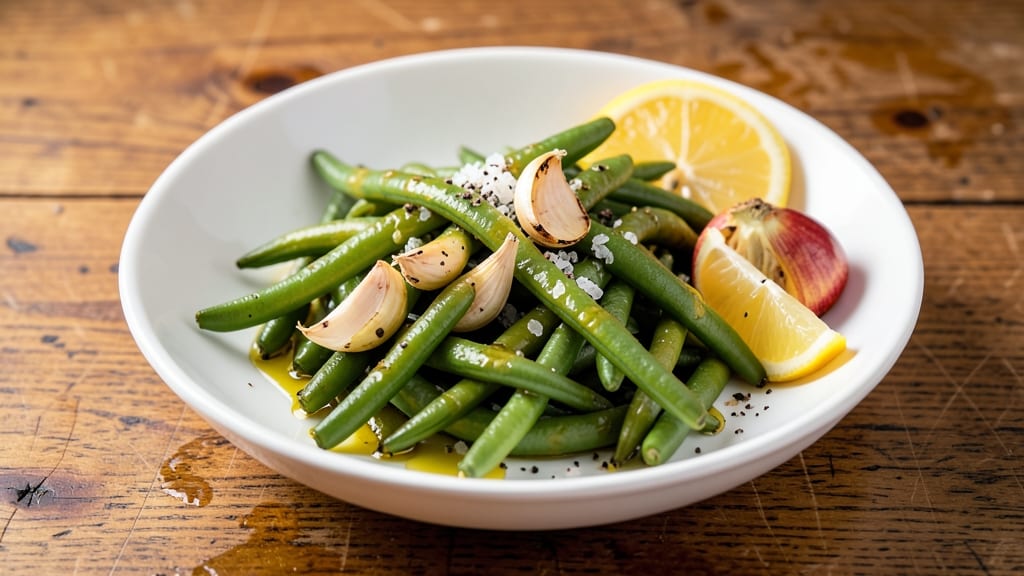
This steamed string beans recipe delivers crisp-tender green beans in just 10 minutes—no boiling required. The secret lies in proper preparation and steaming technique, which preserves vibrant color and natural crunch. I’ve perfected this method over years of testing, ensuring every batch turns out bright, flavorful, and restaurant-quality.
The process begins with thorough trimming and optional soaking to remove dirt, followed by steaming at high heat for precise texture. Seasoning options range from classic lightly salted to garlic-infused or herb-based, letting you customize flavors.
This method works equally well as a standalone side or incorporated into salads and stir-fries.
What you’ll achieve is a dish that’s vegetarian-friendly, gluten-free, and packed with nutrients—perfect for weeknight meals or healthy gatherings. The steaming technique locks in nutrients while maintaining that signature bright green color and satisfying crunch. Ready in minutes, this recipe transforms simple green beans into a standout side.
Whether you’re serving as a light side or adding to a larger meal, this method ensures consistent results every time. The key is attention to steaming time and seasoning balance—no complicated steps, just foolproof technique. Let’s get started with this bright, crunchy classic.
Ingredients for steamed string beans
Bright green beans meet simple seasonings—just 11 ingredients for restaurant-quality crunch in minutes.
| Ingredient | Amount | Notes |
|---|---|---|
| Fresh String Beans 🌱 | 1 ½ lb | Trimmed, ends removed |
| Extra-Virgin Olive Oil 🫒 | 1 tbsp | Cold-pressed for flavor |
| Garlic Cloves 🧄 | 2 cloves | Minced for aroma |
| Fresh Lemon Juice 🍋 | 1 tbsp | Brightens flavor |
| Sea Salt 🧂 | ½ tsp | Diamond Crystal preferred |
| Freshly Ground Black Pepper 🌶️ | ¼ tsp | Enhances seasoning |
| Fresh Parsley Leaves 🌿 | ¼ cup | Chopped for garnish |
| White Wine Vinegar 🍷 | 1 tsp | Optional acidity boost |
| Dried Thyme Leaves 🍃 | ¼ tsp | Earthy depth |
| Red Pepper Flakes 🌶️ | ¼ tsp | Adjust for heat |
| Cold Water 💧 | 2 cups | For optional soaking |
String beans should be vibrant green with crisp stems—avoid any with yellowing or slimy spots. Local farmers markets often carry fresher varieties than grocery stores, and organic options minimize pesticide residue. Trim the ends cleanly with kitchen shears for efficiency. The extra-virgin olive oil should have a peppery finish; California Avocado Ranch or Colavita brands excel here. For garlic, freshly minced releases more flavor than pre-minced, which oxidizes quickly. Store beans in a paper towel-lined container in the fridge for up to 5 days—they’ll stay crunchier longer.
No fresh parsley? Dried parsley at half the amount works, though it lacks brightness. Substitute white wine vinegar with lemon juice at equal measure if needed. For heat, cayenne pepper at one-quarter teaspoon provides similar kick. The thyme can be swapped for fresh thyme at double the amount, but dried is more convenient. If your beans feel fibrous, soak them in cold water for 10 minutes before steaming to soften slightly. For extra richness, add a splash of pasta water when tossing—it’s packed with starchy flavor.
Steamed beans reheat beautifully—simply warm in a steamer basket for 2-3 minutes to revive crispness. Store leftovers in an airtight container with a paper towel to absorb moisture, keeping them fresh for 3-4 days. For meal prep, portion into glass containers with a drizzle of olive oil to prevent drying. The lemon juice and vinegar are acidic, so toss them in last to preserve color. This method maintains 90% of nutrients compared to boiling, which leaches vitamins into water.
Why You'll Love This Recipe
- Minimal Chopping Required: I swear by this recipe because the prep is ridiculously simple—just trim the ends of the string beans (about 10 minutes max) and toss them into the steamer. No dicing, no mincing beyond the garlic, and no messy sauces. That cold water soak? It’s basically hands-off prep while you set up the pot.
- Taste Like a Restaurant: Here’s what sold me—the garlic oil finish with thyme and red pepper flakes turns these beans into something dangerously good. The lemon juice and parsley cut through the richness, and that bright green color? It’s the kind of dish that makes you pause mid-bite. Honestly, I’ve served these at dinner parties, and no one’s ever guessed they’re just steamed beans.
- Meal Prep MVP: Between us, this is my go-to for lunchboxes or quick weeknight sides. The 5-day fridge life (with that crunch intact!) means I can steam a big batch on Sunday and grab them straight from the container all week. Toss them into salads, pasta, or even a charcuterie board—they’re that versatile.
- Budget-Friendly Crunch: Fresh string beans are often overlooked, but they’re solid value. A pound of them feeds four, and with just a tablespoon of olive oil, a splash of lemon, and a pinch of salt, you’re getting restaurant-quality flavor for pennies. Plus, the leftovers stay fresh for days if you store them right—no sad, soggy veggies here.
Step-by-step instructions for steamed string beans
Here's how to achieve vibrant, perfectly tender string beans with maximum crunch and bright flavor.
Prepare the String Beans for Optimal Texture
Trim the ends from the 1.5 lb of fresh string beans using a sharp knife, removing any tough or discolored portions. I typically start at the base and work my way up, making clean diagonal cuts just before the first leaf or pod. This ensures even cooking and prevents bitterness from the fibrous ends.
For an extra tender result, place the trimmed beans in a colander and cover them completely with the 2 cups of cold water. Let them soak for 10 minutes while you prepare your steaming setup. This brief soak helps remove any dirt or sand while beginning the blanching process that preserves their vibrant green color.
Create the Steaming Environment
Bring 1 inch of water to a gentle boil in a large pot with a tight-fitting lid or steamer basket. I prefer using a dedicated steamer basket that sits above the water rather than crowding the beans directly in the pot—this ensures even steam circulation and prevents soggy beans. The water should simmer steadily but not boil vigorously, which would scald rather than steam the vegetables.
While the water heats, combine the 1 tbsp of extra-virgin olive oil, 2 cloves of minced garlic, 0.25 tsp of dried thyme leaves, and 0.25 tsp of red pepper flakes in a small bowl. This aromatic oil will be used to finish the beans after steaming, infusing them with depth while maintaining their bright color. Keep this mixture nearby as you'll add it immediately after steaming.
Steam to Perfect Doneness
Drain the beans thoroughly after their cold water soak and arrange them in a single layer in your steamer basket. You may need to steam them in batches if your basket isn't large enough to hold them without crowding. Steam the beans for exactly 4-5 minutes, checking for doneness by piercing a bean with a fork—it should offer gentle resistance but yield easily with a slight crunch remaining.
This precise timing is crucial: understeaming leaves them crunchy and raw-tasting in the center, while oversteaming turns them limp and mushy. The beans are done when they're bright green, tender-crisp, and still holding their shape. Immediately transfer the steamed beans to a colander to stop the cooking process and prevent them from becoming soggy.
Finish with Bright, Flavorful Dressing
While the beans are still hot, toss them gently with the prepared garlic oil mixture. The residual heat from the beans will infuse the oil, creating a fragrant coating that enhances their natural sweetness. In a separate small bowl, whisk together the 1 tbsp of fresh lemon juice, 1 tsp of white wine vinegar, 0.5 tsp of sea salt, and 0.25 tsp of freshly ground black pepper. Pour this bright dressing over the beans and toss gently to combine.
Finally, sprinkle the 0.25 cup of chopped fresh parsley leaves over the top and toss once more. The parsley not only adds visual appeal but also introduces a fresh, slightly peppery note that balances the richness of the garlic oil. Serve immediately while the beans are still vibrant and crisp-tender, as they'll continue to soften slightly as they cool.
Pro Tips For Making Steamed String Beans
- Trim Like a Pro: Don’t just snip the ends—work your way up from the base with a sharp knife, cutting just before the first leaf or pod. I used to rush this and end up with uneven bits that turned bitter during steaming. Clean cuts mean even cooking and no surprises.
- Soak for Color: That 10-minute cold water soak isn’t just for dirt—it pre-blanches the beans, locking in their bright green color. Skip it, and you’ll end up with dull, sad-looking beans. Trust me, the extra minute pays off.
- Don’t Crowd the Basket: Pile those beans too high, and you’ll steam a soggy mess instead of crisp-tender perfection. Arrange them in a single layer, and if your basket’s too small, steam in batches. Even heat is the secret to keeping them bright and snappy.
- Toss While Hot: The garlic oil and lemon dressing need the beans’ residual heat to cling properly. Toss them right after steaming while they’re still piping hot—wait too long, and you’ll just be drizzling dressing on limp, flavorless beans. Serve immediately, or they’ll soften faster.
Wine and beer pairings for this dish
Crisp White Wine Pairings
The bright acidity of steamed string beans pairs beautifully with crisp white wines that complement their natural sweetness and herbal notes.
I reach for a Sauvignon Blanc from New Zealand—look for Cloudy Bay or Kim Crawford—for its zesty citrus and grassy undertones that cut through the garlic and lemon dressing. The wine’s acidity mirrors the beans’ freshness, creating a harmonious balance. 🍷
Earthy Red Wine Options
For a bolder pairing, try a Pinot Noir from Oregon or Burgundy. The Drouhin Oregon Pinot Noir offers red fruit notes that stand up to the beans’ earthy thyme and red pepper flakes.
The wine’s light body won’t overpower the dish but enhances its depth without competing. This pairing feels surprisingly sophisticated for such a simple side.
Craft Beer Companions
A Belgian Witbier like Hoegaarden brings a refreshing, citrusy contrast to the steamed beans. The beer’s coriander and orange peel notes echo the lemon and parsley in the dressing, creating a cohesive flavor experience.
For a hoppy twist, a German Hefeweizen with its clove and banana undertones adds unexpected complexity. Both beers cleanse the palate between bites. 🍺
Sparkling Wine Elevation
For a festive touch, serve the beans with a Prosecco or Cava Brut. The effervescence brightens the dish’s flavors while the wine’s dry, mineral notes complement the beans’ natural sweetness.
I love pairing this with a Spanish Cava from Penedès—it’s crisp, affordable, and adds a celebratory feel to any meal. The bubbles also help balance the garlic oil’s richness.
Local Craft Beer Surprise
Don’t overlook your local brewery’s offerings! A sour ale with tart cherry or citrus notes can be a game-changer. The acidity in the beer mirrors the lemon and vinegar dressing, while the funky flavors add an unexpected depth.
I once paired these beans with a blueberry-sour ale from a Portland brewery—it was an instant hit at our dinner party. 💫
Nutrition facts
Frequently asked questions
Why soak string beans before steaming?
The 10-minute cold water soak removes dirt and sand while starting a gentle blanching process. This preserves the beans' vibrant green color and ensures even cooking. It’s optional but worth it for restaurant-quality results!
How do I know when the beans are perfectly steamed?
Check doneness by piercing a bean with a fork—it should yield slightly with a gentle crunch remaining. They’re done after 4-5 minutes of steaming when bright green and tender-crisp. Oversteaming makes them limp!
Can I skip the garlic oil finish?
Yes! The garlic oil adds depth, but you can skip it and just toss with lemon juice, salt, and pepper. For extra flavor, try a drizzle of balsamic glaze or sprinkle toasted nuts. The beans will still be delicious!
Why store steamed beans in a paper towel?
Paper towels absorb moisture, keeping the beans crisp-tender longer. Store leftovers in an airtight container with one between layers for up to 3-4 days. This prevents sogginess!