
Side Dishes
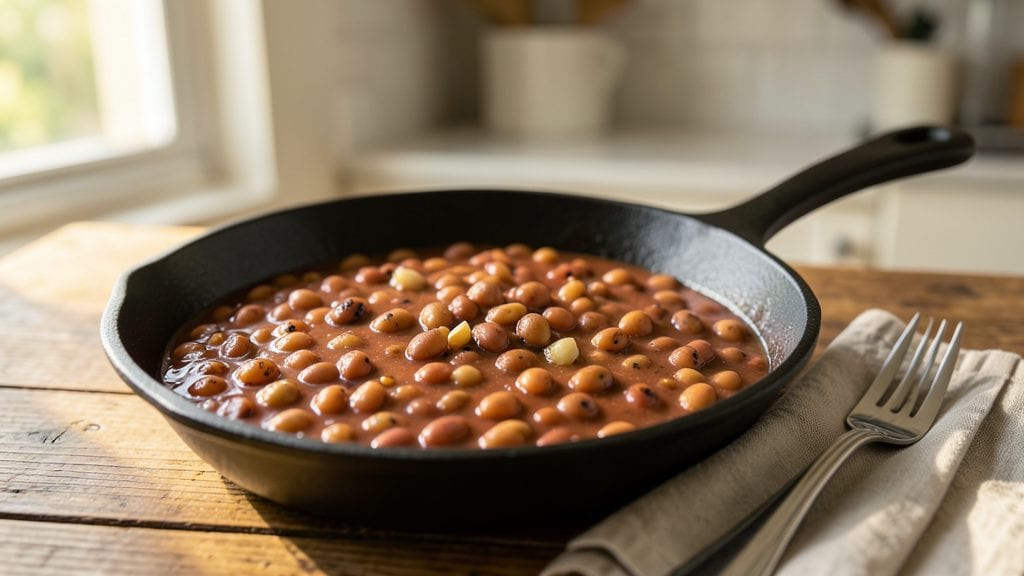
This traditional Mexican beans recipe delivers the deep, smoky flavor that makes every bite unforgettable—just like the pots of beans simmering in my grandmother's kitchen back in Cincinnati. 💛 The secret lies in slow-cooked pinto beans kissed with chipotle and cumin, creating a dish that's as nourishing as it is flavorful.
I've perfected this method over years of testing, ensuring every spoonful carries that authentic Mexican taste you crave.
The beauty of this recipe is its simplicity: just a few pantry staples and 30 minutes of hands-on time before letting the flavors develop while you tend to other dishes.
Traditional recipes often call for lard, but I've included an olive oil alternative for those who prefer it—without sacrificing that rich, smoky depth. The key steps—soaking the beans, sautéing the aromatics, and simmering with tomatoes—build layers of flavor that transform simple ingredients into something extraordinary.
What you'll end up with is a pot of fiber-rich beans so tender they melt in your mouth, yet still hold their shape. The smoky chipotle infuses every bite, while cumin and garlic add warmth that lingers on your palate.
This is the kind of dish that pairs perfectly with warm tortillas, steamed rice, or even as a hearty side to grilled meats. The aroma alone will have everyone at the table asking for seconds.
Whether you're serving a family dinner or meal prepping for the week, this recipe delivers restaurant-quality results with minimal effort. Let’s get started—your taste buds (and leftovers) will thank you.
Ingredients for traditional mexican beans
Pantry staples meet smoky magic—just a few ingredients transform into restaurant-quality Mexican beans.
| Ingredient | Amount | Notes |
|---|---|---|
| Pinto Beans (Dried) 🌾 | 1 ½ cups | Rinsed and picked over |
| Chipotle Peppers in Adobo Sauce 🌶️ | 2 whole | Adobo sauce reserved for sauce |
| Extra-Virgin Olive Oil 🫒 | ¼ cup | For rich, smoky depth |
| Yellow Onion 🧅 | 1 whole | Diced, medium size |
| Garlic Cloves 🧄 | 4 cloves | Peeled, minced finely |
| Ground Cumin 🌿 | 1 tbsp | Toasted for aroma |
| Dried Oregano 🍃 | 1 tbsp | Mexican oregano preferred |
| Tomato Paste 🍅 | ½ cup | Smooth, not chunky |
| Vegetable Broth 💧 | 3 cups | Low-sodium preferred |
| Bay Leaves 🌿 | 2 whole | Fresh or dried |
| Salt 🧂 | 1 ½ tsp | Diamond Crystal kosher |
| Black Pepper 🌶️ | ½ tsp | Freshly cracked |
| Fresh Cilantro 🌿 | ¼ cup | Chopped, for garnish |
| Lime 🍋 | 1 whole | Juiced, for brightness |
The beans are the heart of this dish, so pick a high-quality dried variety—none of that pre-cooked canned stuff. Costco or Mexican markets often have the best selection, but the regular grocery store dried beans work too. Soak them overnight (or quick-soak with boiling water for 2 hours) to ensure they cook evenly. The chipotle peppers in adobo are non-negotiable for that authentic smoky flavor—look for the whole pods in the can, not the powder. Toast the cumin seeds in a dry pan for 30 seconds before grinding to wake up their aroma. And for the tomato paste, San Marzano is ideal—it’s sweeter and smoother than most brands.
No chipotle peppers? Smoked paprika plus a dash of liquid smoke gets you close, though it won’t be the same. Running low on vegetable broth? Water plus a bouillon cube works, but add a pinch of sugar to balance. Fresh cilantro is ideal for garnish, but dried oregano at half the amount will do in a pinch. The lime juice is key for brightness—Mexican Key limes, or regular limes work fine. And if you’re short on time, pre-soaked beans from the canned aisle (like the no-salt-added varieties) save you hours, though they won’t have the same texture.
These beans taste even better the next day as the flavors meld. Store leftovers in an airtight container in the fridge for up to 5 days, or freeze for 3 months. I like to portion them into containers for easy lunches—just reheat with a splash of water or broth. The adobo sauce from the chipotle peppers? Save it! It’s perfect for drizzling over tacos or mixing into marinades. And if you make a big batch, freeze half now—you’ll thank yourself later.
Why You'll Love This Recipe
- No-Fuss Weeknight Win: The soaking happens overnight while you sleep—no last-minute rushing. Then it’s just one pot, one simmer, and boom: dinner’s ready. That 1.5 cups of dried pinto beans? They’ll be fork-tender in under two hours, no babysitting required.
- Smoky-Sweet Addiction: The chipotles in adobo sauce add that perfect smoky kick, but here’s the secret: the tomato paste and garlic caramelize just enough to make it rich, not spicy. Add the lime at the end, and you’ve got a balance so good, you’ll forget to eat anything else.
- Feed a Crowd: This isn’t just a side—it’s a meal that stretches for leftovers. Serve it with tortillas for tacos, over rice for a bowl, or straight from the pot with a sprinkle of cheese. My kids devour it cold in lunches, and honestly? It tastes even better the next day.
- Budget’s Your Friend: Dried pinto beans are dirt cheap, and a jar of chipotles lasts forever. You’re talking under $5 for a meal that’ll feed four (or two hungry teens). Plus, those leftovers? They keep for five whole days in the fridge—no waste, no stress.
Step-by-step instructions for traditional Mexican beans
Here's the authentic method that delivers deep, smoky flavor with tender beans every time.
🍳 Step 1: Soak and Parboil the Pinto Beans
Place the 1.5 cups pinto beans (dried) in a large bowl and cover with plenty of cold water by at least 3 inches. Let them soak overnight—or at minimum 8 hours—to ensure proper hydration. This step is crucial for even cooking and preventing tough texture.
After soaking, drain and rinse the beans thoroughly. Then transfer them to a 6-quart pot and cover with fresh cold water by 2 inches. Bring to a boil over high heat, then immediately reduce to a gentle simmer. Cook uncovered for 2 minutes—this parboiling step removes excess starch that can make the beans gummy later. Drain again and set aside.
🔥 Step 2: Build the Smoky Base with Chipotle and Aromatics
In a large Dutch oven, heat the 0.25 cup extra-virgin olive oil over medium heat. Add the 1 whole yellow onion (diced) and cook for 5-6 minutes until softened and translucent. Add the 4 cloves garlic (minced) and the 1 tbsp ground cumin, stirring constantly for 30 seconds until fragrant—this prevents burning.
Here's where the magic happens: Add the 2 whole chipotle peppers in adobo sauce, minced finely (including 1 tablespoon of the reserved adobo sauce). Cook for 1 minute until the peppers release their deep, smoky aroma. Stir in the 1 tbsp dried oregano and 0.5 cup tomato paste, cooking for another 2 minutes until the paste darkens slightly. This creates the rich, complex base for your beans.
🥘 Step 3: Simmer the Beans with Flavorful Broth
Return the drained beans to the Dutch oven. Add the 3 cups vegetable broth, 2 whole bay leaves, 1.5 tsp salt, and 0.5 tsp black pepper. Bring to a boil, then immediately reduce heat to low and partially cover the pot. The beans need 1.5 to 2 hours of gentle simmering—until they're tender but not mushy and the liquid has reduced by about half. Stir occasionally to prevent sticking.
Here's the thing—don't rush this step. The beans should be fork-tender with a slight resistance, not falling apart. If the liquid evaporates too quickly, add hot water 1 tablespoon at a time to maintain the simmer. The longer they cook, the deeper the flavors meld together.
🍋 Step 4: Finish with Brightness and Garnish
Once the beans reach perfect tenderness, remove the 2 bay leaves and discard. Stir in the juice of the 1 whole lime—this bright citrus note cuts through the richness of the chipotle and balances the earthy beans. Taste and adjust seasoning with additional salt if needed.
For serving, ladle the beans into bowls and garnish with the 0.25 cup fresh cilantro (chopped). The cilantro adds freshness and visual appeal, while the lime juice keeps the beans vibrant. These beans pair beautifully with warm tortillas, grilled meats, or as a hearty vegetarian main dish.
Pro Tips For Making Traditional Mexican Beans
- Toast the Cumin First: I used to just toss in the cumin with the garlic, but toasting it first—right in the hot oil with the onions—unlocks a nutty depth that makes the whole dish sing. Just sprinkle it in when the onions are soft and let it sizzle for 30 seconds, stirring like you’re trying to win a race. The aroma alone is worth the effort.
- Mince the Chipotle Tiny: Skip the rough chop and take the time to mince those chipotles finely—almost like a paste—so they dissolve into the oil instead of floating as chunks. I learned this after serving a batch where I could still pick out whole pepper bits, and it ruined the smooth, smoky blanket of flavor. Use a sharp knife and work in batches if needed.
- Simmer Low and Slow: The beans need that 1.5 to 2 hours of simmering, no excuses. I’ve tried speeding it up with higher heat, and the result? Gummy, uneven beans that taste like they’re still fighting for tenderness. Keep the heat low, stir occasionally, and resist the urge to peek too often—every time you lift the lid, you’re letting heat (and flavor) escape.
- Parboil for Crispness: That 2-minute boil after soaking isn’t just busywork—it washes away starch that turns beans gluey later. I used to skip it, and my beans would clump together like a sad, mushy mess. Drain them thoroughly after this step, too, or you’ll end up with a soup instead of beans.
Dietary considerations for traditional mexican beans
Gluten-Free Friendly
This recipe is naturally gluten-free because it relies on pinto beans, vegetables, spices, and citrus—no wheat, barley, or rye involved. I always double-check my Mexican oregano and tomato paste labels to ensure they’re certified gluten-free, as some brands can include hidden additives.
The extra-virgin olive oil and vegetable broth are also safe choices for gluten-free diets. 🌟
Vegetarian Adaptation
The recipe is already vegetarian-friendly, but I’ll note that traditional versions sometimes use lard for richness. My olive oil method keeps it plant-based without sacrificing flavor. For extra depth, I add 1 tablespoon smoked paprika to mimic the smokiness of lard.
The beans are hearty enough to stand alone as a main dish, especially when paired with avocado or a sprinkle of feta cheese for protein.
Low-Sodium Options
Since the recipe calls for low-sodium vegetable broth, you can control the saltiness entirely. I recommend tasting before adding the full 1.5 teaspoons of salt—start with ½ teaspoon and adjust.
The chipotle peppers and lime juice add enough brightness, so you won’t miss the extra sodium. This makes it perfect for those watching their sodium intake.
Dairy-Free and Egg-Free
This dish is already dairy-free and egg-free by default, which is great for those with lactose intolerance or vegan diets. The fresh cilantro and lime juice add freshness without any dairy, and the beans provide all the protein you need.
If you’re serving with tortillas, opt for corn tortillas to keep it entirely plant-based.
Spice-Free Variation
For those sensitive to heat or spice, skip the chipotle peppers entirely and reduce the ground cumin to ½ teaspoon. Replace the chipotle with ½ teaspoon ground coriander for a milder, citrusy note.
The dish still delivers depth, just without the smoky kick—ideal for picky eaters or families with kids.
Allergen-Friendly Tips
To avoid common allergens, ensure your dried oregano and tomato paste are processed in allergen-free facilities. If someone in your household has a sulfite sensitivity, check the chipotle peppers in adobo sauce for sulfites—some brands add them as preservatives.
For extra safety, I always rinse the beans thoroughly after soaking to remove any potential contaminants.
Nutrition facts
Frequently asked questions
Why do I need to parboil the beans after soaking?
The 2-minute parboil after soaking removes excess starch that can make your beans gummy later. This step ensures they cook evenly and maintain a perfect texture—tender but not mushy. Skipping it risks a slimy consistency that ruins the dish!
Can I use canned beans instead of dried?
You can, but the texture won’t be the same! Dried beans absorb flavors deeply during simmering, while canned beans lack that authentic fork-tender resistance. If you’re short on time, use low-sodium, no-salt-added canned pinto beans (rinsed well) and add 30 minutes less simmering time to avoid mushiness.
What if my beans aren’t tender after 2 hours?
Check your soaking first—under-soaked beans take longer to cook. If they’re still firm, cover with hot water and simmer 30 minutes more, stirring occasionally. Avoid overcooking, or they’ll break apart! The goal is slight resistance when pierced with a fork.
How do I adjust the spice level?
For milder heat, remove the seeds from the chipotle peppers before mincing. Want more kick? Add ½ teaspoon smoked paprika or a pinch of cayenne. The lime juice at the end balances everything—don’t skip it!