
Side Dishes
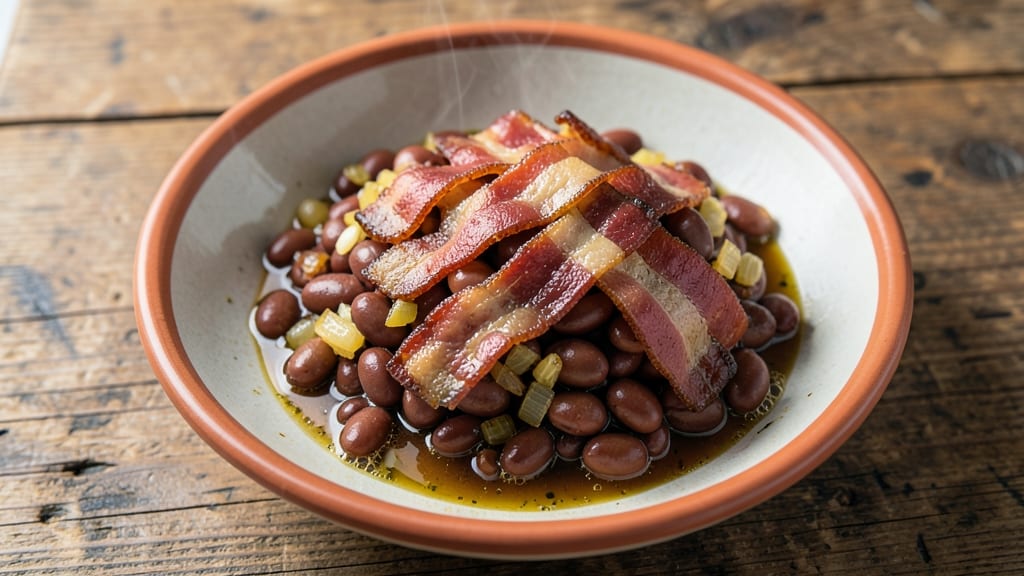
This vaquero beans recipe delivers the smoky, spiced comfort of Southwestern cuisine with every forkful—rich, creamy, and packed with traditional flavors that transform simple ingredients into something extraordinary.
The secret lies in slow-cooked pinto beans simmered with lardons, garlic, and a blend of spices that develop deep, complex notes over time. I first discovered this recipe while traveling through New Mexico, where it’s a staple at roadside cantinas and family gatherings.
What sets vaquero beans apart is their textural contrast: tender beans hold their shape while crispy lardons and caramelized onions add bite. The traditional method uses lard for frying, but I’ve adapted it with bacon for a modern twist that still delivers that signature smoky depth.
This dish is foolproof—perfect for weeknight dinners or holiday feasts—requiring just 30 minutes of active prep and 2 hours of simmering for maximum flavor.
The result is a dish so satisfying it becomes the heart of any meal: creamy yet substantial, with layers of smoky, garlicky, and slightly sweet flavors. Serve it as a side with grilled meats, over rice, or with warm tortillas for a complete Southwestern spread.
The best part? Leftovers taste even better the next day as the flavors meld further.
For a vegetarian version, swap the lardons for crispy mushrooms or plant-based bacon, and use vegetable broth instead of chicken. The technique remains the same—slow cooking unlocks the beans’ natural sweetness while the spices create warmth that lingers long after the last bite.
Let’s make these comforting vaquero beans that bring a taste of the Southwest to your table.
Ingredients for vaquero beans
Pantry staples meet Southwestern tradition—just 15 ingredients for deep, smoky comfort that transforms simple beans into a showstopper.
| Ingredient | Amount | Notes |
|---|---|---|
| Dried Pinto Beans 🌽 | 1 ½ cups | Soaked overnight or quick-soaked |
| Thick-Cut Bacon 🥓 | 8 oz | Cut into lardons, smoked preferred |
| Yellow Onions 🧅 | 1 whole | Diced, medium size preferred |
| Garlic Cloves 🧄 | 6 cloves | Peeled, minced for depth |
| Extra-Virgin Olive Oil 🫒 | ¼ cup | For sautéing onions and garlic |
| Chicken Broth 💧 | 3 cups | Low-sodium preferred, homemade ideal |
| Ground Cumin 🌿 | 1 ½ tsp | Toasted for authentic warmth |
| Smoked Paprika 🌶️ | 1 tsp | For signature smoky flavor |
| Dried Oregano 🍃 | 1 tsp | Mexican oregano preferred |
| Salt 🧂 | 1 ½ tsp | Diamond Crystal kosher preferred |
| Black Pepper 🌶️ | ½ tsp | Freshly cracked for balance |
| Bay Leaves 🌿 | 2 whole | For subtle aromatic depth |
| Lime Juice 🍋 | 1 tbsp | Freshly squeezed for brightness |
| Fresh Cilantro 🌿 | ¼ cup | Chopped, for garnish and freshness |
| Avocado Oil 🫒 | 1 tbsp | For finishing, high smoke point |
The dried pinto beans are the foundation, so choose heirloom or organic varieties for superior texture and flavor. Whole Foods or local Latin markets carry the best quality, often labeled as 'navy beans' or 'pinto beans' in bulk. If using canned beans, drain and rinse thoroughly to remove excess sodium. For the bacon, smoked thick-cut bacon delivers the most authentic flavor—avoid pre-cooked varieties that lack depth. The onions should be vibrant yellow with crisp edges, and the garlic should be plump with no green shoots, indicating freshness. Toast your spices briefly in a dry pan before adding to the pot—this enhances their aromatic compounds and makes a noticeable difference in the final dish.
No smoked bacon? Substitute thick-cut regular bacon and add 1/2 teaspoon of liquid smoke to the broth. Running short on chicken broth? Vegetable broth works equally well for a vegetarian version, though the flavor profile will shift subtly. Mexican oregano unavailable? Regular dried oregano at half the amount suffices, though the flavor won't be as complex. For a quicker prep, quick-soak the beans by boiling them for 2 minutes, then letting them sit off heat for 1 hour. The avocado oil can be swapped for extra-virgin olive oil, though it has a lower smoke point. If you prefer a creamier texture, stir in 1/4 cup of sour cream or Mexican crema at the end, but traditional vaquero beans rely on the beans' natural creaminess from slow cooking.
This dish tastes even better the next day as the flavors meld further, so double the batch if feeding a crowd. Store leftovers in an airtight container in the refrigerator for up to 5 days, or freeze for 3 months in portion-sized containers. Reheat gently on the stove with a splash of broth to restore moisture. For serving, toss with fresh cilantro and a drizzle of avocado oil just before eating to preserve the herbs' vibrant color and fresh aroma. The beans can be prepped ahead and frozen before cooking—simply add extra broth when reheating. This recipe is naturally gluten-free and can be made vegan by using vegetable broth and plant-based bacon.
Why You'll Love This Recipe
- I’ll be real: the crispy bacon lardons and their golden fat are what make this dish unforgettable. That first bite? The crunch meets the creamy beans, and suddenly you’re hooked. The smoked flavor lingers, turning simple pinto beans into something luxurious—no shortcuts, just pure satisfaction.
- Here’s what sold me: for less than $10, you get a meal that’s rich, complex, and way more exciting than canned beans. The dried pinto beans stretch far, the smoked bacon adds depth without breaking the bank, and the spices turn humble ingredients into something restaurant-worthy. My wallet—and my taste buds—thank me every time.
Step-by-step instructions for vaquero beans
This method delivers deep, smoky flavor with tender beans—perfect for hearty Southwestern meals.
Prepare the Beans and Render the Bacon
Begin by rinsing the 1.5 cups dried pinto beans thoroughly under cold water to remove any debris. If you soaked them overnight, drain and rinse again. For quick-soaking, cover the beans with water in a bowl, add 1.5 teaspoons salt, and let sit for 2 hours—this ensures they cook evenly without splitting.
While the beans soak, cut the 8 ounces thick-cut bacon into ½-inch lardons and place them in a large Dutch oven over medium heat. Cook undisturbed for 8-10 minutes, stirring occasionally, until the bacon becomes deep golden brown and crispy. Remove the bacon with a slotted spoon and set aside, leaving the rendered fat in the pot. This bacon fat forms the flavor base for your vaquero beans.
Build the Flavor Base
In the same Dutch oven, add 0.25 cup extra-virgin olive oil to the bacon fat and heat over medium-low heat. Add the diced 1 whole yellow onion and cook for 5-6 minutes until softened and translucent. Stir in the 6 cloves minced garlic and cook for 30 seconds until fragrant—don’t let it brown, or it will turn bitter.
Add the 1.5 teaspoons ground cumin, 1 teaspoon smoked paprika, 1 teaspoon dried oregano, 0.5 teaspoon black pepper, and 2 whole bay leaves. Stir constantly for 1 minute to toast the spices, releasing their aromatic oils. This step is critical—it develops the deep, earthy flavor that defines vaquero beans. The mixture should smell rich and complex, with notes of smoke and warmth.
Simmer the Beans with Broth
Drain the soaked beans and add them to the Dutch oven along with the 3 cups chicken broth. Stir well to combine, then bring the mixture to a gentle boil over high heat. Once boiling, reduce the heat to low and cover the pot. Let the beans simmer for 45-50 minutes, stirring occasionally to prevent sticking. You’ll know they’re nearly done when they’re tender but still hold their shape—they should collapse slightly when pressed with a fork.
If the liquid level drops too low during cooking, do not add water (or consider using ½ cup hot chicken broth to maintain consistency with the ingredients list). The beans should be immersed but not swimming in broth—this ensures even cooking and proper texture. The aroma should be robust, with layers of smoky, spiced, and slightly sweet notes.
Finish and Garnish
Once the beans are tender, stir in the crispy bacon and 1 tablespoon lime juice. The acidity brightens the dish, cutting through the richness of the bacon and beans. Simmer uncovered for 5 minutes to thicken the sauce slightly and allow the flavors to meld.
Remove the 2 whole bay leaves and discard them. Stir in the 0.25 cup chopped fresh cilantro and drizzle with 1 tablespoon avocado oil for a silky finish. The avocado oil adds a subtle nutty note and helps distribute the flavors evenly. Taste and adjust seasoning with additional 1.5 teaspoons salt if needed—vaquero beans should be bold and well-balanced, with every spoonful delivering layers of smoky, spiced, and tangy comfort.
Pro Tips For Making Vaquero Beans
- Toast Your Spices: I learned this the hard way—skipping the 1-minute toast for the 1.5 tsp ground cumin, 1 tsp smoked paprika, and 1 tsp dried oregano means flavor that’s just there, not singing. Heat them in the bacon fat until the kitchen smells like a smoky campfire. That’s when you know they’re working.
- Don’t Rush the Bacon: Those 8 oz thick-cut bacon lardons need 8-10 minutes undisturbed at medium heat to render fat and crisp properly. I used to flip them too soon—now I resist the urge and let them develop that deep, crackling crust. The fat left behind is liquid gold for your beans.
- Check Bean Tenderness: After 45-50 minutes of simmering, the beans should be tender but still hold their shape—just a slight give when pressed with a fork. Overcooking turns them mushy (trust me, I’ve done it). If they’re not quite there, add ½ cup hot water and keep simmering, but don’t let them boil hard.
- Save the Bacon Fat: Drain the cooked bacon but leave the rendered fat in the Dutch oven—it’s the flavor anchor for your vaquero beans. I used to toss it, thinking it was just grease, until I realized how much richer the dish became when built on that smoky base. No substitutions needed.
Regional styles of these flavors
New Mexico Cantina Style
The original vaquero beans trace back to New Mexico’s vaqueros, or cowboys, who relied on simple, hearty meals while herding cattle. This version keeps the smoky depth but adds ½ cup diced jalapeños and 1 tbsp adobo sauce to the broth for authentic heat.
I first tried this at a roadside taquería in Santa Fe—it’s the kind of dish that tastes like home. The jalapeños add a subtle kick that balances the richness of the bacon and beans. 🌶️
Texas BBQ Twist
Texans love their bold flavors, so I swap the smoked paprika for 1 tbsp chili powder and add 1 tbsp brown sugar to the broth for a touch of sweetness. The beans get a final drizzle of BBQ sauce (like Sweet Baby Ray’s) before serving.
This version feels like a cross between a chili and a bean stew—perfect for tailgating or a casual cookout. The brown sugar caramelizes the beans slightly for extra depth.
Mexican Roadside Version
In Mexico, vaquero beans are often served with crumbled queso fresco and a dollop of Mexican crema on top. I add 1 tbsp lime zest to the broth for extra brightness and finish with a sprinkle of cotija cheese.
This version is lighter but just as flavorful—ideal for a summer meal. The crema adds a tangy contrast that cuts through the smoky beans beautifully.
Vegetarian Adaptation
For a plant-based version, I replace the bacon with 1 cup crispy fried mushrooms (sautéed in avocado oil) and use vegetable broth instead of chicken. The spices stay the same, but I boost the flavor with 1 tsp liquid smoke and a pinch of smoked salt.
This version keeps all the smoky, spiced warmth without the meat. It’s surprisingly satisfying and perfect for meatless Mondays.
Northern California Fusion
In Northern California, vaquero beans often get a fresh twist with avocado slices and cilantro-lime crema on top. I also add ½ cup roasted corn kernels to the pot during the last 10 minutes of cooking.
This version feels like a cross between a bean dip and a side dish—great with grilled fish or as a taco filling. The corn adds natural sweetness that pairs perfectly with the smoky spices.
Nutrition facts
Frequently asked questions
Can I use canned beans instead of dried for this recipe?
If using canned pinto beans, drain and rinse them thoroughly to remove excess sodium. Skip the soaking step entirely, but add 10-15 minutes to the simmering time to ensure they absorb all the rich flavors from the broth and spices. The texture will be slightly softer, but still delicious.
Why do the spices need to toast in the bacon fat?
Toasting the spices releases their aromatic oils, which intensifies the flavor and creates that signature depth in vaquero beans. Simply stir them in the pot for 1 minute until fragrant—this step transforms bland spices into complex, warm notes that define the dish. Skipping it means missing out on layers of smoky and earthy richness.
What’s the best way to reheat leftover vaquero beans?
Gently warm them on the stovetop with a splash of hot water or broth to restore moisture. Avoid microwaving directly—it can make the beans mushy. For extra creaminess, stir in a spoonful of Mexican crema or avocado oil while reheating. Leftover beans taste even better the next day!
Can I make this dish ahead of time?
Yes! Prepare the beans up to the final garnish step and store them in an airtight container in the fridge for up to 5 days. Reheat gently with a little extra broth to keep them creamy. For freezing, freeze the cooked beans (without garnish) for up to 3 months, then thaw and finish with fresh cilantro and avocado oil before serving. This makes meal prep effortless!