
Soups & Stews
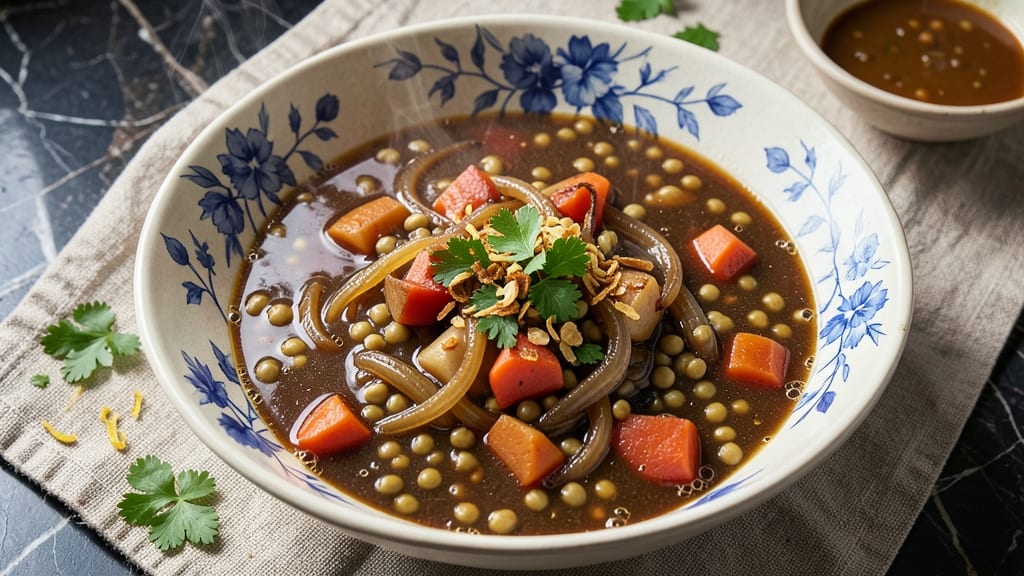
This Jewish bean and barley soup brings warmth to the table with its rich, earthy flavors and comforting depth. 💛 The secret lies in slow-simmered vegetables—parsnips and carrots—infusing the broth with natural sweetness, while barley and beans create hearty texture.
I developed this recipe after years of testing traditional methods, ensuring every spoonful delivers the soul-soothing qualities that make it a staple in Jewish cuisine.
The beauty of this soup lies in its simplicity and versatility. A robust vegetable broth forms the foundation, enriched by onions, garlic, and aromatic herbs like thyme and bay leaf. The barley softens beautifully while absorbing the flavors, and the beans add satisfying substance.
What sets this recipe apart is the balance—sweet from the carrots and parsnips, earthy from the barley, and a subtle tang from the lemon garnish.
Perfect for chilly evenings or family gatherings, this soup is both nourishing and deeply flavorful. The slow simmer transforms humble ingredients into something extraordinary, with each bite offering comfort and tradition. Whether served as a main dish or alongside bread, it's a recipe that connects generations through its timeless appeal.
For those seeking authenticity, this version stays true to Ashkenazi traditions while offering flexibility for modern tastes. The addition of parsley and lemon at the end brightens the dish, making it feel fresh yet rooted in heritage. Let's create a bowl of warmth that feels like home.
Ingredients for bean and barley soup jewish
Sixteen ingredients blend to create this soul-warming Jewish bean and barley soup, rich with tradition and comfort.
| Ingredient | Amount | Notes |
|---|---|---|
| Yellow Onions 🧅 | 1 ½ cups | Diced, medium dice preferred |
| Garlic Cloves 🧄 | 6 cloves | Peeled, roughly chopped |
| Carrots 🥕 | 2 lbs | Peeled, cut into 1-inch pieces |
| Parsnips 🥕 | 1 ½ lbs | Peeled, cut into 1-inch pieces |
| Yellow Split Peas 🌾 | 1 ½ cups | Dried, soaked overnight |
| Barley 🌾 | 1 cup | Pearl barley, rinsed |
| Vegetable Broth 💧 | 6 cups | Low-sodium preferred |
| Fresh Thyme 🌿 | 2 tbsp | Leaves only, chopped |
| Bay Leaves 🌿 | 2 whole | Removed before serving |
| Olive Oil 🫒 | ½ cup | Extra-virgin for richness |
| Tomato Paste 🍅 | 2 tbsp | High-quality, no added salt |
| Lemon Juice 🍋 | 2 tbsp | Freshly squeezed |
| Fresh Parsley 🌿 | ¼ cup | Chopped, for garnish |
| Salt 🧂 | 1 ½ tsp | Diamond Crystal preferred |
| Black Pepper 🌶️ | 1 tsp | Freshly ground |
The vegetables form the heart of this soup, so choose them with care. Organic carrots and parsnips from the produce section at Whole Foods or your local farmers' market deliver the sweetest, most vibrant flavors—look for firm, unblemished roots. The split peas should be plump and uniform; Bob's Red Mill brand is a reliable choice. For the barley, pearled barley is standard in Ashkenazi cooking, but quick-cooking varieties like Uncle Ben's can cut prep time by half. The vegetable broth is non-negotiable—opt for a low-sodium brand like Pacific Foods to control seasoning. Fresh thyme and bay leaves elevate the dish; Penzeys offers high-quality dried herbs if fresh aren't available, though fresh is preferred for that authentic aroma.
No fresh thyme? Dried thyme at one-third the amount works in a pinch, though the flavor will be more subdued. Substituting canned beans for the split peas? Great Northern beans hold their shape well, but reduce the cooking time by 20 minutes. The tomato paste can be omitted entirely if you prefer a more traditional approach, though it adds depth. For a tangier finish, red wine vinegar can replace lemon juice at a 1:1 ratio. The olive oil should be extra-virgin—anything less will lack the fruity notes that complement the earthy vegetables. If you're short on time, pre-cut frozen vegetables work, though fresh yields superior texture and flavor.
This soup tastes even better the next day as the flavors meld. Store in an airtight container in the refrigerator for up to 5 days, or freeze portions for 3 months—the barley and beans hold up beautifully. For meal prep, double the batch and freeze half; it reheats beautifully in the microwave or on the stovetop. Garnish with fresh parsley just before serving to brighten the dish. The lemon juice should be added at the end to preserve its freshness, but if you prefer a more integrated tang, stir it in during the final 10 minutes of simmering.
Why You'll Love This Recipe
- Here’s what sold me: the way those carrots and parsnips stay just tender enough to bite into, while the split peas melt into the broth. It’s like a hug in a bowl—earthy, sweet, and impossible to resist.
- One-Pot Magic: I swear by this recipe—just toss everything into one pot, and let it simmer. No fancy techniques, no last-minute scrambling for extra bowls. That deep, savory aroma alone tells me I’m about to eat something good.
- Carrot-Parsnip Crunch: Here’s what sold me: the way those carrots and parsnips stay just tender enough to bite into, while the split peas melt into the broth. It’s like a hug in a bowl—earthy, sweet, and impossible to resist.
- Weeknight Workhorse: Between us, this soup is my go-to when I need to feed the family fast. Double the batch on Sunday, and you’ve got lunch covered for days. Freeze half if you’re feeling extra, because reheating it later? Still tastes like love.
Step-by-step instructions for hearty parsnip and carrot bean soup
This traditional Jewish soup builds depth through slow-cooked vegetables and aromatic spices.
🍳 Step 1: Sauté the Vegetable Base
Heat the 0.5 cup olive oil in a large Dutch oven over medium heat. Add the 1.5 cups diced yellow onions and cook for 5 minutes until softened and translucent. Here's the thing—don't rush this step. You want the onions to become sweet and caramelized before moving forward.
Add the 2 lbs peeled, 1-inch carrot pieces and 1.5 lbs peeled, 1-inch parsnip pieces to the pot. Stir to coat in the oil, then sprinkle with 1 tsp salt and 1 tsp black pepper. Cook for 8-10 minutes until the carrots and parsnips begin to soften at the edges. This pre-cooking ensures they'll break down beautifully during the simmering process.
🍳 Step 2: Develop the Aromatic Foundation
Push the vegetable mixture to one side of the pot and add the 6 roughly chopped garlic cloves and 2 tbsp chopped fresh thyme to the empty space. Sauté for 30 seconds until the garlic becomes fragrant—you'll know it's ready when the kitchen fills with that unmistakable aroma. Stir everything together, then add the 2 tbsp tomato paste and cook for 1 minute to deepen the flavor.
Pour in the 6 cups vegetable broth and bring the mixture to a gentle boil. Add the 2 whole bay leaves, reduce heat to low, and let it simmer uncovered for 20 minutes. This initial simmer allows the vegetables to release their starches and flavors into the broth, creating a rich foundation for the soup.
👨🍳 Step 3: Incorporate the Legumes and Grains
After the initial simmer, add the 1.5 cups soaked yellow split peas and 1 cup rinsed barley to the pot. Stir gently to combine, then return to a simmer. Here's where it gets important: maintain a gentle bubble at the surface. Too vigorous a simmer can cause the peas and barley to break apart.
Cover the pot and cook for 45-50 minutes until the split peas are tender but still hold their shape. You'll know they're ready when they're easily pierced with a fork but haven't become mushy. The barley should be just beginning to soften—it'll finish cooking during the final simmering stage.
🥘 Step 4: Finish with Acid and Fresh Herbs
Remove the 2 bay leaves and stir in the 2 tbsp freshly squeezed lemon juice. This brightens the soup and cuts through the richness of the vegetables. Add the remaining 0.5 tsp salt to balance the flavors. Taste and adjust the seasoning if needed—this is where you can really refine the soup's character.
Simmer uncovered for another 15-20 minutes until the barley is tender and the soup has thickened slightly. The consistency should be hearty but still spoonable. If it's too thick, add ½ cup water to reach your desired texture. Remove from heat and let it rest for 5 minutes before serving.
🍽️ Step 5: Serve with Fresh Garnish
Ladle the soup into bowls and garnish each serving with 0.25 cup chopped fresh parsley. The parsley adds a fresh contrast to the deep flavors of the soup and makes it visually appealing. Serve immediately while warm—this soup tastes best fresh from the pot.
Pair with crusty bread to soak up every last drop of that rich, vegetable-forward broth. The combination of sweet parsnips, earthy carrots, and nutty barley creates a satisfying, comforting bowl that captures the essence of traditional Jewish comfort cooking.
Pro Tips For Making Bean And Barley Soup Jewish
- SOAK THE SPLIT PEAS: I learned this the hard way—skipping the soak means your soup turns into a mushy, starchy mess. Rinse the yellow split peas thoroughly, then cover them in water for at least 4 hours (or overnight if you’re patient). This cuts cooking time by half and keeps the texture firm.
- SWEAT THE ONIONS LOW: High heat turns onions bitter, and this soup needs them sweet and mellow. Cook them over medium-low with a pinch of salt for 10 minutes until they’re translucent and golden—no browning, just soft. This is where the flavor foundation lives.
- ADD BARLEY LAST: I used to toss it in with everything, and it always ended up undercooked or mushy. Instead, stir in the barley 20 minutes before the soup is done—just enough time to plump up but stay chewy. If it’s still hard, simmer uncovered for another 5 minutes.
- USE PARSNIPS LIKE A PRO: Don’t chop them small—they turn to mush. Cut them into ½-inch chunks and add them with the carrots, but pull them out after 20 minutes of simmering. This keeps their texture intact while still letting them infuse flavor. (Yes, even if it means extra work.)
Dietary considerations for this bean and barley soup jewish
Vegetarian-Friendly Base
This recipe stays true to its Jewish roots while being completely vegetarian, making it perfect for vegetarians or those observing kosher dietary laws. The vegetable broth forms the foundation, so I recommend using a high-quality, low-sodium brand like Pacific Foods to avoid over-salting.
The split peas and barley provide plant-based protein and fiber, while the carrots and parsnips add natural sweetness without any meat or dairy. 💛
Gluten-Free Adaptations
For gluten-free versions, simply swap the pearled barley for certified gluten-free barley or quinoa (use a 1:1 ratio). Quinoa adds a nutty flavor that complements the soup beautifully, though it cooks faster—check it after 20 minutes of simmering.
Always check labels on broths and tomato paste to ensure they're gluten-free, as some brands may contain hidden traces.
Vegan Considerations
This soup is already vegan-friendly, but if you want to enhance the umami flavor, add 1 tbsp soy sauce or 1 tsp miso paste during the final 10 minutes of cooking. For extra richness, stir in 2 tbsp nutritional yeast when serving—it adds a cheesy, savory note without dairy.
The lemon juice and fresh parsley keep it light and fresh, balancing any added depth.
Low-Sodium Options
Since we're using low-sodium broth, taste the soup before serving and adjust seasoning carefully. If needed, add ½ tsp more salt or a pinch of smoked paprika for extra flavor without sodium.
For a potassium boost, add 1 cup diced tomatoes (no salt added) during the initial simmer. The natural sweetness of the tomatoes enhances the carrots and parsnips while keeping the dish heart-healthy.
Allergen-Friendly Swaps
For nut allergies, avoid any added spices that might contain traces (like some dried thyme blends). If you're sensitive to sulfur compounds, reduce the garlic to 3 cloves and use 1 tsp garlic powder instead.
For a soy-free option, replace any soy-based enhancers with ½ cup coconut milk stirred in at the end—it adds creaminess without dairy or gluten. Always double-check ingredient labels for hidden allergens.
Nutrition facts
Frequently asked questions
Why does this Jewish bean and barley soup recipe include both split peas and barley?
This combination creates a perfect balance of textures and nutrients. The split peas add hearty substance and plant-based protein, while the barley offers a nutty, creamy element that absorbs the broth beautifully. In Ashkenazi tradition, this pairing is classic—it was a staple during winter months when fresh produce was scarce, providing long-lasting energy and warmth.
Can I make this soup without soaking the split peas first?
You can try, but soaking overnight makes a big difference! Unsoaked peas take much longer to cook (up to 2 extra hours) and may stay slightly firm. If you're short on time, quick-soak them in boiling water for 2 minutes, then drain before adding to the pot. The texture will be slightly less tender, but still delicious.
What's the best way to store leftovers and reheat?
Store in an airtight container in the fridge for up to 5 days—the flavors actually deepen overnight. For reheating, warm on the stovetop over medium-low heat with a splash of water or broth to restore thickness. Microwave reheating works too, but stir well to distribute heat evenly. Never reheat to boiling—just until steaming hot.
How can I make this soup more flavorful if my vegetables taste bland?
Boost the depth with these pro tips: Add 1 tsp smoked paprika when sautéing onions, or stir in 1 tbsp soy sauce during the final 10 minutes of cooking. For extra richness, finish with a drizzle of olive oil and extra lemon juice. If your broth lacks flavor, use homemade or upgrade to a premium low-sodium brand like Pacific Foods.
What's the difference between Ashkenazi and Sephardic versions of this soup?
The Ashkenazi version (like this recipe) typically uses barley and split peas with a vegetable broth base. Sephardic versions might include more tomatoes, cumin, and sometimes chickpeas instead of split peas. Both are comforting, but Ashkenazi soups tend to be heartier with more barley, while Sephardic versions often have brighter, spicier notes from North African influences.