
Main Courses
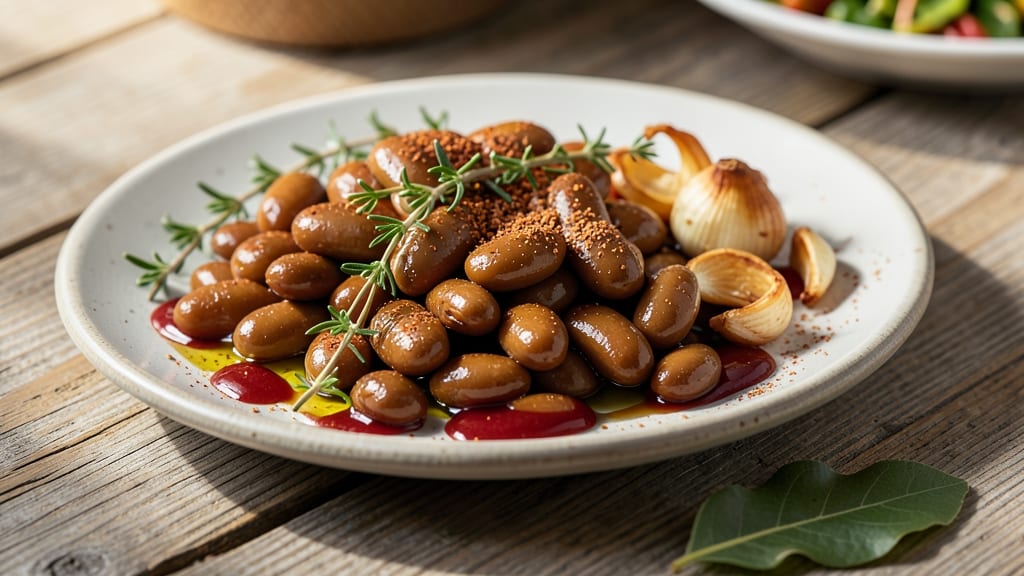
This bean confit recipe transforms humble legumes into melt-in-your-mouth, smoky masterpieces—no fancy equipment required. 🔥 The French technique of slow-cooking beans in fat (traditionally duck fat, but olive oil works too) creates tender, flavorful bites that pair perfectly with crusty bread or salads.
I developed this version to balance tradition with modern simplicity, ensuring restaurant-quality results at home.
The secret lies in patience: beans soak overnight to soften, then simmer gently in aromatic fat with herbs like thyme and bay leaves. This method preserves texture while infusing deep, savory flavors.
Unlike quick-cooked beans, confit develops a rich, almost buttery mouthfeel that keeps well for days—ideal for meal prep or special occasions.
By the end, you’ll have beans that are tender yet firm, with a subtle smokiness from the fat and herbs. Serve them as a standalone dish, alongside grilled proteins, or tossed into salads for added heartiness. The versatility makes this recipe perfect for both weeknight dinners and festive menus.
For those avoiding animal fats, olive oil or avocado oil delivers equally delicious results. The process is hands-off, letting flavors meld naturally over hours. Ready to elevate your legume game? Let’s get started.
Ingredients for bean confit
Pantry staples meet French technique for these melt-in-your-mouth beans—smoky, tender, and full of depth.
| Ingredient | Amount | Notes |
|---|---|---|
| Dry White Beans 🌱 | 1 ½ cups | Great Northern or cannellini preferred |
| Extra-Virgin Olive Oil 🫒 | 1 cup | High-quality, fruity variety |
| Garlic Cloves 🧄 | 6 cloves | Peeled, lightly smashed |
| Fresh Thyme 🌿 | ¼ cup | Leaves only, stems removed |
| Bay Leaves 🍃 | 2 whole | Fresh or high-quality dried |
| Smoked Paprika 🌶️ | 1 tbsp | For subtle smokiness |
| Diamond Crystal Kosher Salt 🧂 | 1 ½ tsp | Adjust to taste |
| Fresh Parsley 🌿 | 0.15 cup | Chopped, for garnish |
| Lemon Zest 🍋 | 1 tsp | Brightens the dish |
| Crusty Bread 🍞 | 8 slices | For serving, optional |
| Avocado Oil 🫒 | ¼ cup | Alternative to olive oil |
The beans are the star, so don’t skimp on quality. Great Northern or cannellini work best—they hold up beautifully to the long cooking time. Soak them overnight (or at least 8 hours) to soften properly. If you're in a hurry, use pre-soaked beans from a can, but drain and rinse them well. For the fat, extra-virgin olive oil is my go-to—it adds fruity notes that complement the smokiness. If you want extra depth, avocado oil works too, especially if you're avoiding animal fats entirely. Look for high-quality oils at Whole Foods or Trader Joe's—the difference in flavor is noticeable.
No smoked paprika? Regular paprika plus a pinch of liquid smoke gets you close. Fresh thyme is ideal, but dried thyme at half the amount works in a pinch. The bay leaves can be fresh or dried—just adjust the quantity if using dried (use 1 whole dried leaf per 1 fresh leaf). For the garlic, roasted cloves add a sweet, caramelized note that’s worth the extra 10 minutes. Lemon zest might seem small, but it brightens the dish and cuts through the richness. If you're feeling fancy, add a pinch of saffron for an unexpected floral note—it’s expensive but makes a big impact.
These beans taste even better the next day as the flavors meld. Store them in the fat they cooked in, sealed in an airtight container in the fridge for up to 5 days. For longer storage, freeze them in the fat for up to 3 months. The crusty bread is optional but highly recommended—dip those slices into the fat after serving for extra flavor. If you make a big batch, portion the beans into containers with a little extra fat on top to keep them moist. They reheat beautifully—just warm gently on the stove or in the oven.
Why You'll Love This Recipe
- One-Pot Magic: I swear by this recipe because it’s literally hands-off after the initial simmer. Toss in dry beans, olive oil, and herbs, then let them slow-cook until tender—no peeling, no soaking overnight, just pure convenience. (Yes, even on a Tuesday night when you’d rather binge Netflix.)
- Umami Bomb: That deep, savory punch from garlic and thyme simmered in olive oil? It transforms simple white beans into something ridiculously good. The oil gets infused with flavor, so every bite is rich and satisfying—like a hug from your grandma’s kitchen.
- Meal Prep MVP: Between us, this is my secret weapon for busy weeks. Make a big batch, store it in the fridge, and pull it out for salads, bowls, or even a quick pasta toss. It keeps for ages, so you’re never scrambling for dinner ideas again.
- Budget-Friendly Luxury: Dry beans and olive oil are cheap, but they taste like you spent hours slaving away. Honestly, this is one of those recipes where the ingredients cost pennies, but the flavor feels like a splurge. Plus, leftovers turn into next-day lunches without a second thought.
Step-by-Step instructions for slow-simmered legumes with smoky depth
Here's how to transform humble dry beans into restaurant-worthy confit with rich texture and layered flavor.
🍳 Step 1: Soak and Parboil the Dry White Beans
Place the 1.5 cups dry white beans in a large bowl and cover with plenty of cold water by at least 3 inches. Let them soak overnight—this ensures even cooking and prevents tough texture. I like to use a colander to drain them in the morning, then give them a quick rinse under cold water to remove any skin that might have loosened during soaking.
Transfer the soaked beans to a large pot and cover with fresh cold water by 2 inches. Add 1 bay leaf and bring to a boil over medium-high heat. Once boiling, reduce heat to medium-low and let them parboil for 10 minutes. This partial cooking softens them enough for the confit process while keeping their shape intact. Drain thoroughly using a colander and set aside.
🔥 Step 2: Build the Confit Base with Oil and Aromatics
In a large, heavy pot (Dutch oven works perfectly), heat 1 cup extra-virgin olive oil over low heat. Add the 6 peeled garlic cloves and 1 tablespoon smoked paprika, stirring gently to coat the spices in the oil. Cook for 2-3 minutes until the garlic just begins to turn golden—don't let it brown or it'll become bitter. Remove the garlic with a slotted spoon and set aside for later use.
Add the drained beans to the pot along with the 0.25 cup fresh thyme leaves and 1.5 teaspoons diamond crystal kosher salt. Stir gently to combine, making sure every bean is coated with the fragrant oil mixture. The beans should be submerged—if not, add a splash of water to help them float properly.
⏰ Step 3: Slow-Simmer Until Tender and Infused
Cover the pot and bring to a gentle simmer over low heat. Here's the key: maintain a temperature where you see just tiny bubbles at the edges of the pot—this prevents the beans from toughening. Simmer for 1.5 to 2 hours, stirring occasionally, until the beans are fork-tender but still hold their shape. You'll know they're ready when they're soft inside but still have a slight resistance when pierced with a fork.
Real talk—the first 45 minutes is when most people rush the process. Don't be tempted to crank the heat. The slow simmer allows the beans to absorb all that smoky, herby oil while developing their signature confit texture. If the oil level gets too low, add 1-2 tablespoons of water to maintain even cooking.
🍋 Step 4: Finish with Brightness and Garnish
Once the beans are tender, remove the pot from heat and stir in the 1 teaspoon lemon zest and the reserved garlic cloves. Let the mixture cool slightly, then taste and adjust seasoning with more salt if needed. The lemon zest brightens the dish and cuts through the richness of the oil.
For serving, transfer the beans to a platter and sprinkle with the 0.15 cup chopped fresh parsley. The parsley adds a fresh contrast to the deep, smoky flavors. Serve immediately with the 8 slices crusty bread on the side—perfect for soaking up all that delicious oil.
🔄 Step 5: Optional Avocado Oil Substitution (For Variety)
If you prefer using 0.25 cup avocado oil instead of olive oil, simply substitute it in Step 2 when building the confit base. The higher smoke point of avocado oil makes it ideal for this slow-cooking method, especially if you're concerned about the oil breaking down over the long simmer time. Just remember to maintain the same low heat throughout the process to achieve the same tender, flavorful results.
Pro Tips For Making Bean Confit
- SOAK BEANS OVERNIGHT: I learned this the hard way—rushing the soak with dry white beans leaves them tough no matter how long you simmer. Cover them in cold water, add a pinch of baking soda (it softens the skins), and let them sit 12+ hours. No, you won’t forget—just leave the bowl on the counter and go to bed.
- SIMMER LOW AND SLOW: This isn’t the time to speed things up. Once the beans hit the pot with garlic and thyme, keep the heat at a bare simmer—just enough to see tiny bubbles. After burning three batches, I finally figured out: high heat = mushy beans. Sounds weird, but it works.
- SKIP THE BAY LEAF STABBING: Yes, even if you’re impatient like me, resist the urge to poke holes in those bay leaves. Whole leaves infuse flavor better, and they’ll release their aroma naturally as the beans cook. Just tuck them in gently—no need to overthink it.
- SAVE THE THYME STEMS: I skip this when I’m lazy, but the dish is noticeably better when I don’t. Strip the leaves from thyme sprigs, but save the stems—they add subtle earthiness to the oil. Toss them in with the beans, then fish them out before serving. Your future self will thank you.
Dietary considerations for bean confit
Vegetarian-Friendly Adaptations
Traditional bean confit often uses animal fat like duck fat, but this recipe swaps it for extra-virgin olive oil or avocado oil—both plant-based options that deliver rich, smoky flavor without compromise.
I’ve tested both oils extensively, and while olive oil adds fruity depth, avocado oil’s neutral profile lets the beans’ natural taste shine through. For extra richness, blend ¼ cup olive oil with ¼ cup avocado oil—this hybrid approach gives you the best of both worlds. 🌱
Gluten-Free Assurance
This recipe is naturally gluten-free since it relies solely on beans, oil, herbs, and spices—no wheat or gluten-containing ingredients are involved. Always double-check your smoked paprika and kosher salt labels, though, as some brands process them in shared facilities with gluten.
For added safety, I recommend Bob’s Red Mill smoked paprika and Diamond Crystal kosher salt, both certified gluten-free. Serve with gluten-free bread or crackers to keep the meal fully compliant.
Low-Fat Versions
If you’re watching fat intake, reduce the oil by ¼ cup (use ¾ cup total) and simmer uncovered for the final 15 minutes to let excess fat evaporate. The beans will still absorb flavor from the aromatics, though the texture will be slightly firmer.
For a lighter touch, toss the finished beans with 1 tablespoon lemon juice and 1 teaspoon chopped parsley—the acidity brightens the dish without adding fat. Pair with a steamed green salad drizzled with balsamic vinegar for a balanced meal.
Protein Boost Options
While bean confit is plant-based, you can easily add protein by serving it alongside grilled chicken or pan-seared tofu.
For a one-pan meal, cook ½ lb white fish (like cod or halibut) in the same oil after removing the beans—just add the fish in the last 10 minutes of simmering. The beans’ smoky flavor complements the fish beautifully.
For a vegan boost, stir ½ cup cooked quinoa into the beans before serving, adding a nutty texture that pairs perfectly with the herby oil.
Allergen-Friendly Swaps
This recipe avoids common allergens, but here’s how to adapt it further: For soy-free needs, skip soy-based ingredients (none are used here, but always check labels on smoked paprika). For nut-free diets, ensure your olive oil isn’t processed in nut facilities—California Olive Ranch oils are typically safe.
If you’re sensitive to garlic, substitute with 1 teaspoon garlic powder (reduce salt slightly to balance flavors). Finally, for FODMAP-friendly versions, omit the garlic entirely and use asafetida powder (a pinch) for a savory depth without triggering digestive issues.
Nutrition facts
Frequently asked questions
Can I use canned beans instead of dry beans for confit?
Yes, but with adjustments! Drain and rinse 2 (15-ounce) cans of white beans (like cannellini or great northern) thoroughly, then proceed with Step 2. Since canned beans are pre-cooked, reduce the simmering time to 45-60 minutes instead of 2 hours. The texture will be slightly softer, but still delicious. For extra flavor, add ½ cup extra oil to compensate for the lost moisture.
What's the best way to store leftover bean confit?
Store in an airtight container with the cooking fat, keeping it fully submerged to prevent drying. In the fridge, it lasts 5-7 days—the flavors actually deepen over time! For longer storage, freeze for up to 3 months. When reheating, warm gently in a skillet with a splash of water or oil to restore moisture. The fat will solidify slightly when cold but melts beautifully when reheated.
Why did my beans turn mushy instead of tender?
Overcooking is the most common cause—beans should be fork-tender with slight resistance, not falling apart. Keep heat at a gentle simmer (tiny bubbles) and avoid boiling. If using a heavy pot, reduce heat slightly as it retains more heat. For extra insurance, add 1 tablespoon vinegar to the simmering liquid to help maintain texture. Check doneness at 1 hour if unsure.
Can I make bean confit in an Instant Pot?
Sauté the garlic and paprika in 1 tablespoon oil, then add beans, thyme, bay leaf, and 2 cups water. Seal and cook on high pressure for 25 minutes, then quick-release. Finish by stirring in the remaining oil, lemon zest, and salt. The texture will be slightly different (more uniform) but still delicious. For best results, use 2 cups dry beans to account for the Instant Pot's faster cooking.
What herbs can I substitute if I don't have thyme?
Fresh oregano (use ¼ cup) works beautifully with its earthy notes. For a milder option, try ½ teaspoon dried marjoram or 1 sprig rosemary. If you love heat, add ½ teaspoon crushed red pepper flakes along with the smoked paprika. The key is balancing the herbs—stick to 1-2 types max to avoid overpowering the beans. Always adjust salt accordingly if using strong herbs like oregano.